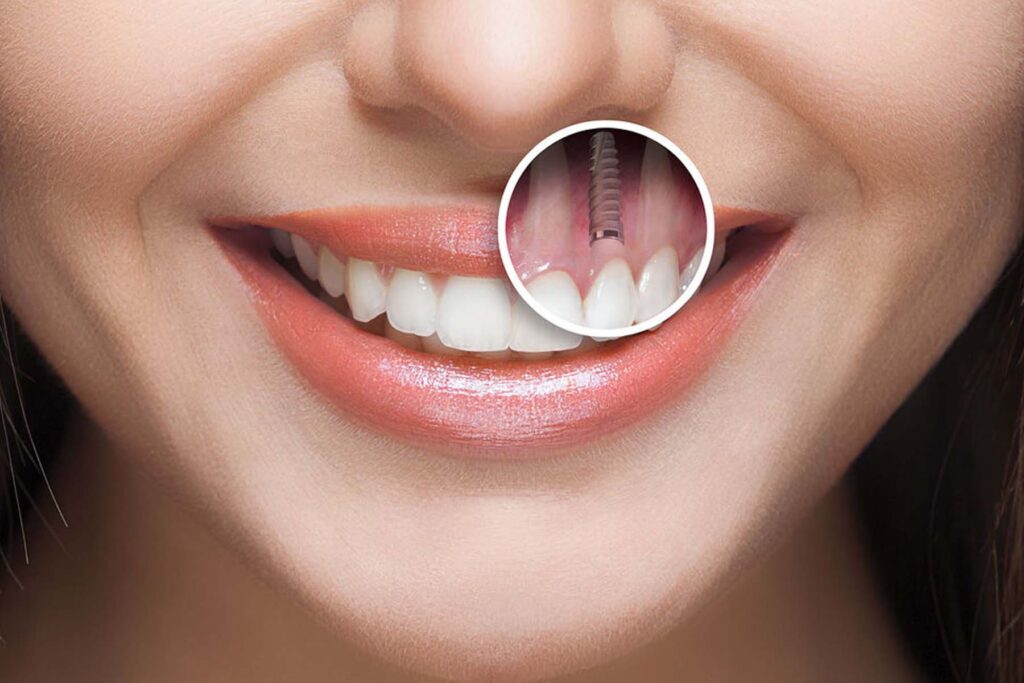
Dental implants in Turkey offer a modern, lasting solution for replacing missing teeth by inserting titanium posts into the jawbone to support crowns or dentures. This precise technique helps restore a natural smile and strong bite function, improving both confidence and daily comfort. It’s an ideal option for those looking to regain a healthy, complete appearance without sacrificing durability.
In cooperation with authorized dental clinics, WellDemir connects international patients with expert care. As a medical tourism agency, we do not perform procedures ourselves treatments are carried out in licensed facilities. We ensure a smooth experience with travel planning, interpretation, and local support throughout your dental journey.
Through our trusted partner clinics, we connect you with advanced dental implant treatments performed with precision and care. WellDemir ensures a smooth, well-organized medical journey helping you restore your smile with expert guidance and full support.
Connect with top clinics for precise implant solutions.
From flights to follow ups, we carefully coordinate it all.
Treatments performed in trusted medical facilities.
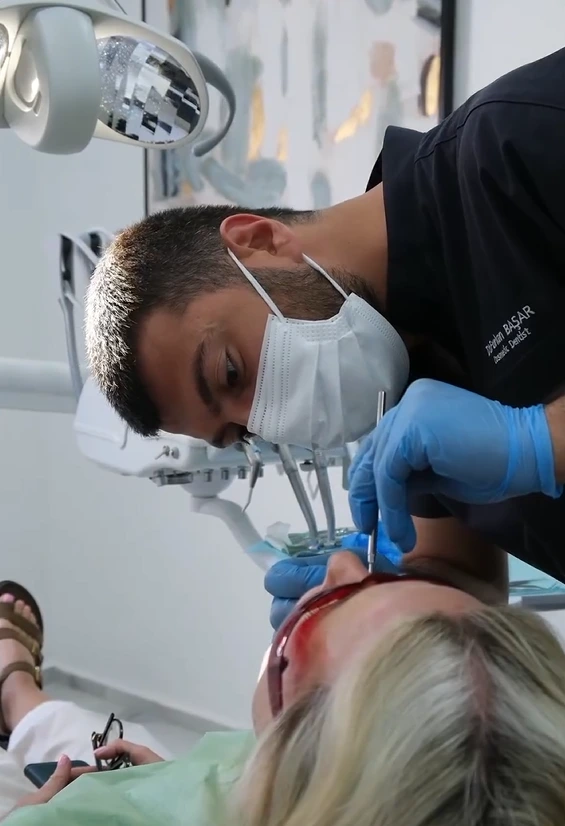
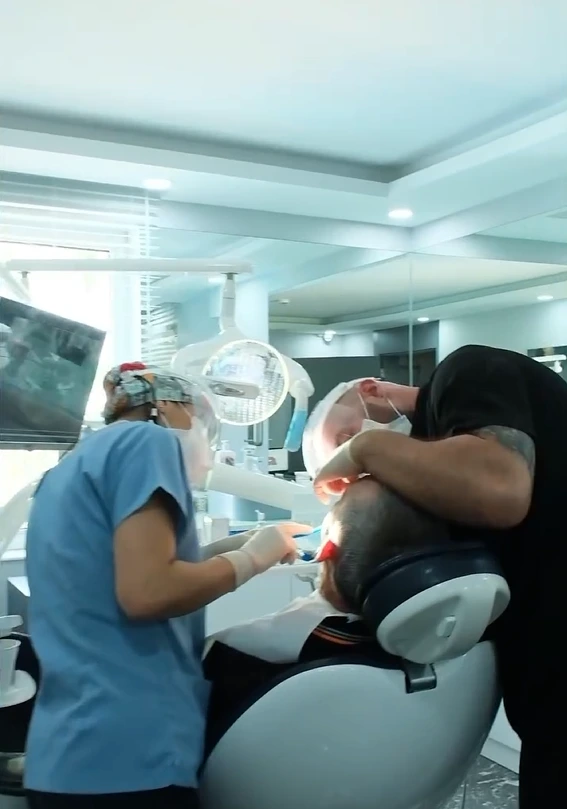
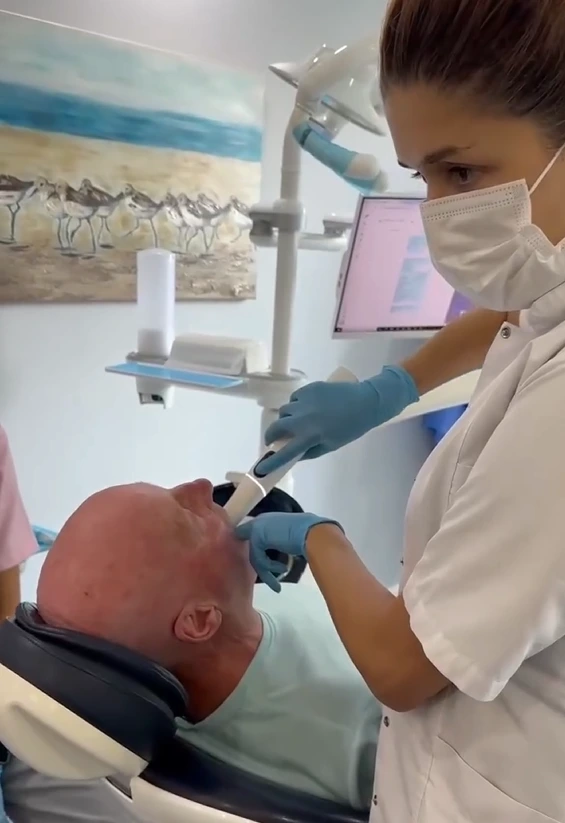
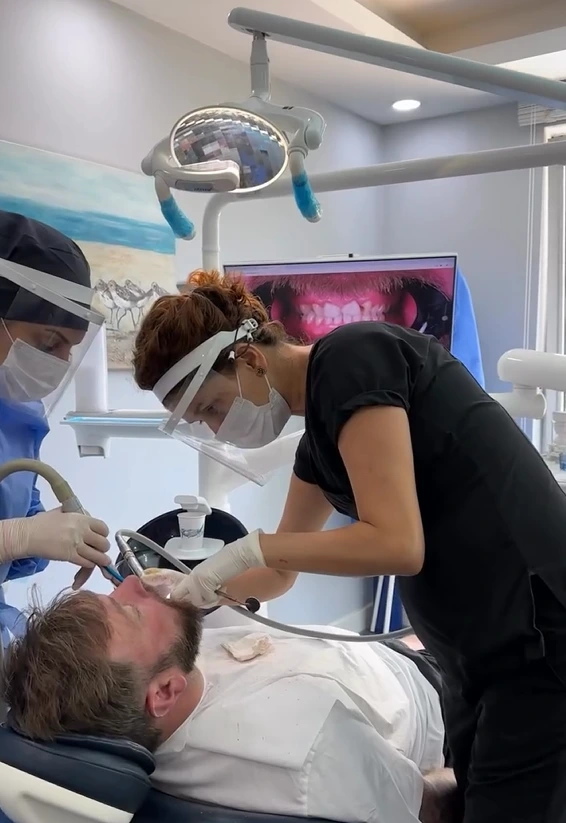
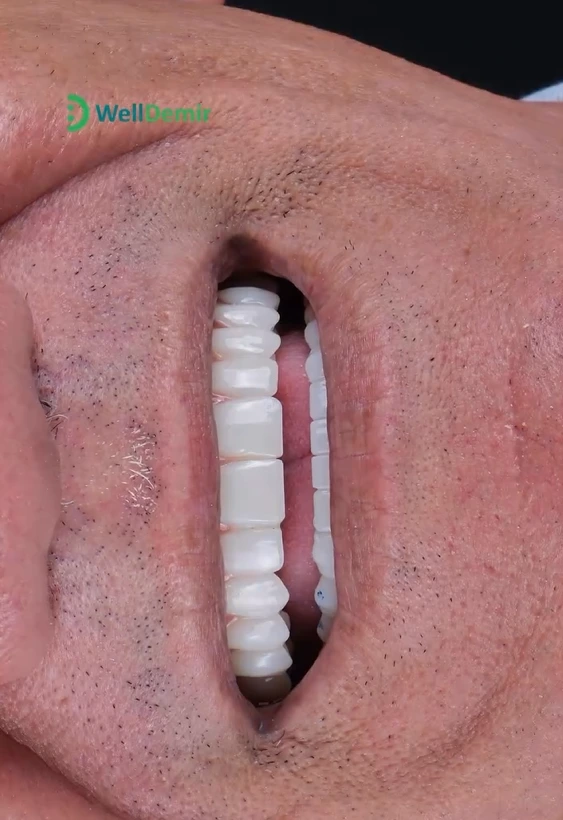
Our advanced dental implant solutions offered through licensed partner clinics are designed to restore your smile with precision and care. Addressing tooth loss, bone structure, and oral aesthetics, these treatments help you regain natural function and confidence without removable dentures. WellDemir works with expert dental teams using the latest techniques to ensure long-lasting, natural-looking results tailored to your unique needs.
We connect you with expert dental teams for digital scans and treatment planning tailored to your oral health needs.
WellDemir arranges your travel, accommodation, and appointments ensuring a smooth and stress-free dental journey in Turkey.
Post-treatment care is supported with follow-up check-ins and continuous guidance even after you return home.
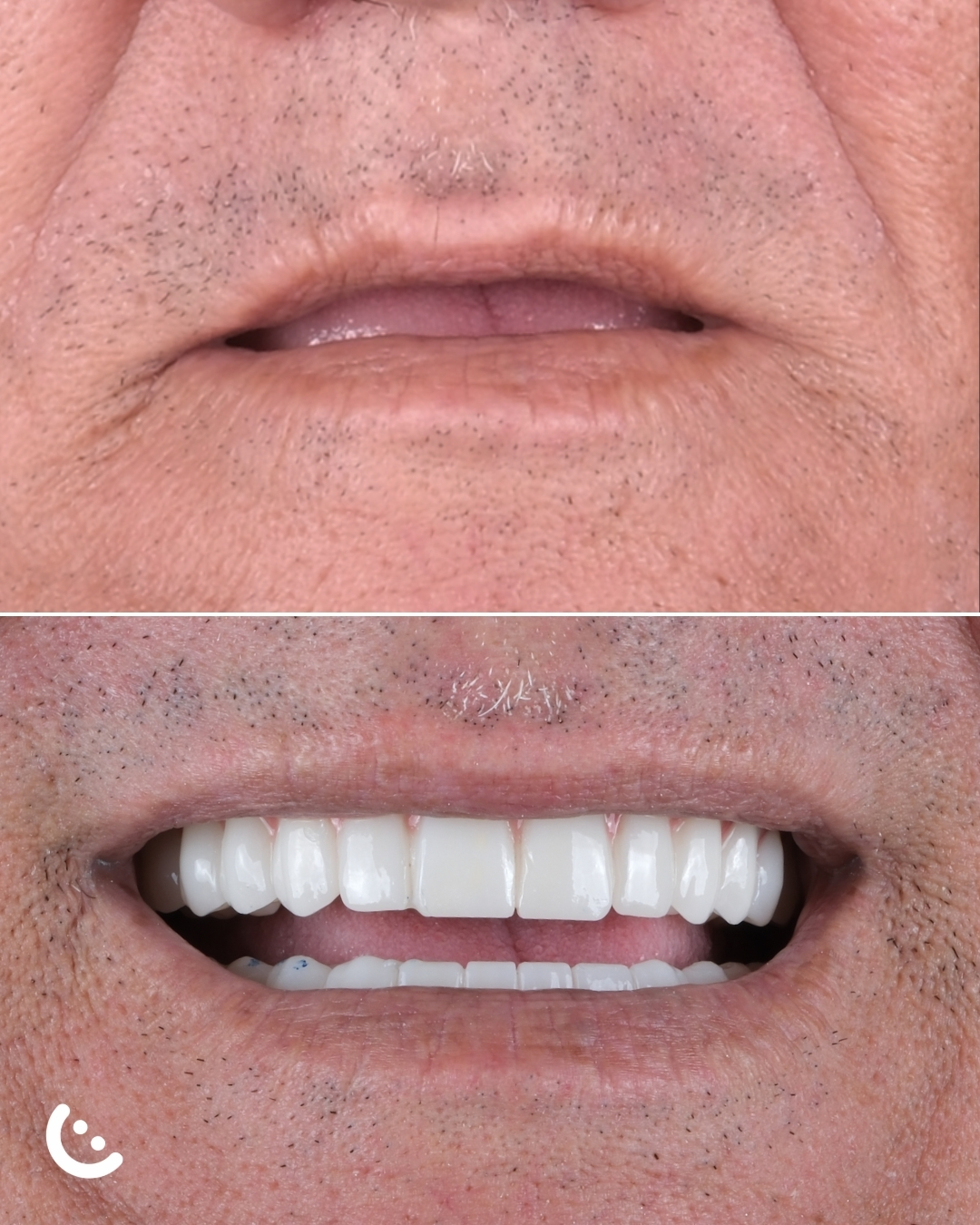
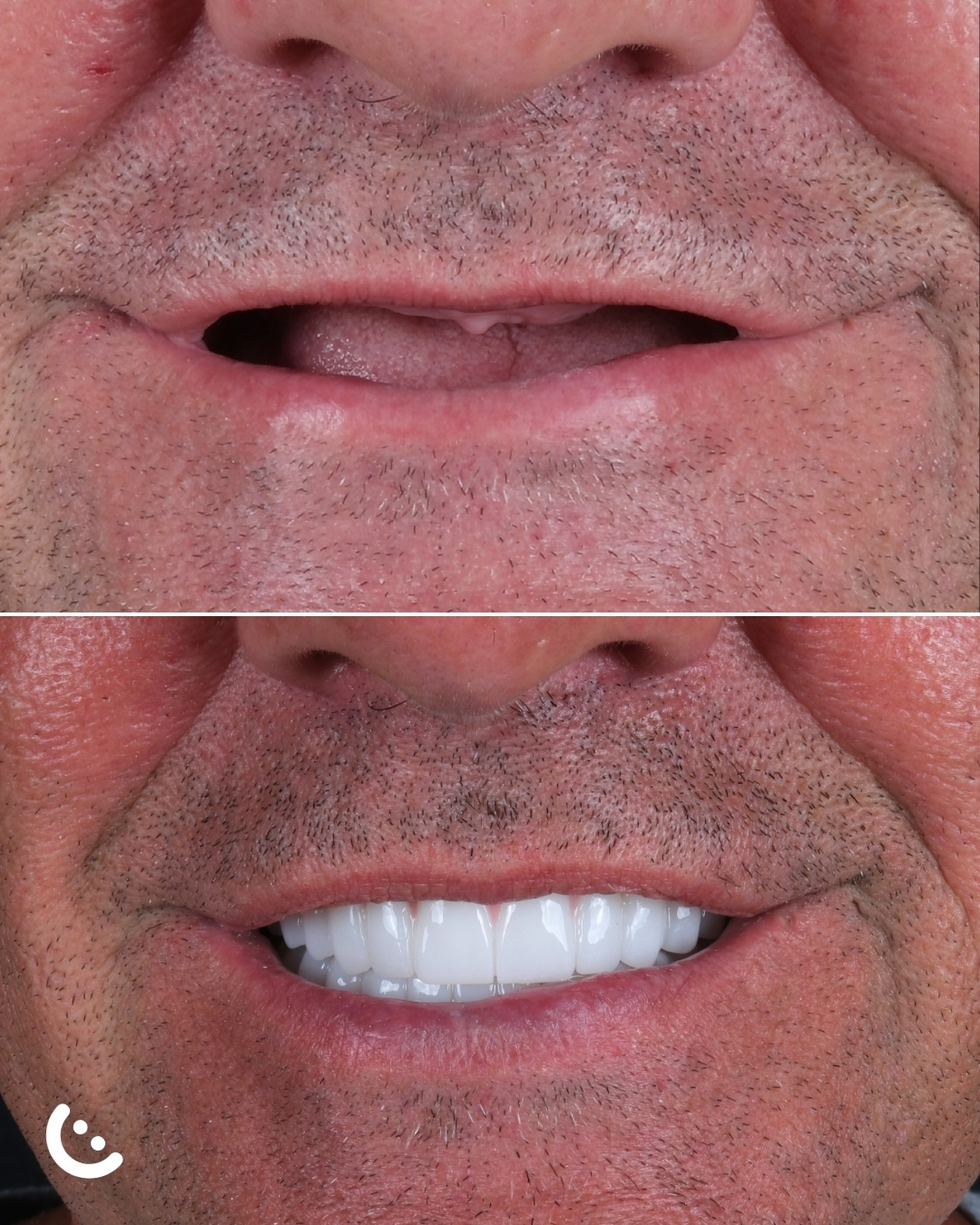
With any surgical or interventional procedure, results may vary from person to person. It is recommended that you seek detailed advice from your physician before proceeding.
A dental implant is an artificial tooth root made of biocompatible titanium surgically inserted into the jawbone to replace a missing tooth. After placement, the implant gradually fuses with the bone in a process called osseointegration. This biological integration allows the implant to provide exceptional stability for crowns, bridges or implant supported dentures. Because implants closely imitate natural tooth roots, they help preserve jawbone density, maintain facial structure and restore chewing function to near natural levels. As a long term restorative option, dental implants are widely considered one of the most reliable and advanced solutions for tooth loss.
Dental implants offer several advantages over traditional restorations. They do not require support from neighboring teeth, they prevent bone resorption and they provide strong biting force with natural comfort. Their stability makes them suitable for single tooth replacement, multi tooth restorations and full arch rehabilitation. The ability to maintain bone volume and oral function is a key reason why implants consistently outperform dentures and conventional bridges in longevity and patient satisfaction.
The cost of a tooth implant varies widely depending on the country, clinic reputation, surgeon expertise, implant system and any additional procedures required. In many regions, a single implant may range from a few hundred to several thousand dollars. Treatment typically includes the titanium implant post, the abutment, the final crown and diagnostic evaluations such as X rays or 3D imaging. When necessary, bone grafting, sinus lifting or periodontal therapy may increase the total cost. Although implants involve a higher initial investment, they provide long term value due to their durability and minimal need for replacement.
Multiple variables affect the final cost of implant treatment. Premium implant brands with extensive clinical research may have different pricing compared to basic systems. The material chosen for the crown, technological equipment of the clinic and the complexity of the patient’s oral condition also play important roles. Some patients choose dental tourism for more affordable and high quality implant solutions when performed by accredited and experienced specialists.
With proper oral hygiene, routine checkups and healthy lifestyle habits, dental implants can last twenty years or longer, often functioning for a lifetime. The titanium post is incredibly durable and resistant to decay. However, the porcelain crown may require replacement over time due to natural wear. Gum health, bone stability, systemic health conditions and smoking habits are key factors influencing the lifespan of an implant.
Maintaining excellent oral hygiene, following professional instructions, avoiding smoking and using protective night guards when necessary can prolong implant life significantly. When well cared for, dental implants offer stable function, natural aesthetics and dependable performance for many years.
Dental implants are highly successful, yet like any surgical procedure they carry certain disadvantages. These may include the need for minor surgery, a healing period, higher initial treatment cost and the risk of infection or implant failure in rare cases. Some patients may experience temporary swelling, bruising or mild discomfort after the procedure. Candidates with insufficient bone density or untreated gum disease may require preparatory procedures, which can extend the overall treatment timeline. Despite these considerations, implants remain one of the most predictable and long lasting restorative options available.
Understanding the overall process helps patients set realistic expectations. Healing time varies from person to person and may take several months. Additionally, maintaining strict oral hygiene and attending follow up visits are essential to ensure long term success.
Most patients tolerate implant surgery comfortably due to the use of local anesthesia. During the procedure, there is no pain, only slight pressure sensations. After surgery, mild discomfort, swelling or sensitivity may occur for a few days. These symptoms are usually manageable with over the counter pain medication. As healing progresses, discomfort gradually subsides and patients typically return to normal daily activities within a short time.
Patients are often advised to follow a soft food diet temporarily and avoid excessive physical activity during early healing. Strict adherence to professional postoperative instructions helps ensure smooth and predictable recovery.
Once the healing process is complete, dental implants allow patients to eat normally and enjoy a wide variety of foods without restrictions. Because implants function like natural teeth, they restore full chewing strength and provide exceptional stability. During the initial healing phase, soft foods are recommended to avoid unnecessary stress on the implant site. As the bone integrates with the implant, patients gradually return to their regular diet.
While healing, gentle foods such as yogurt, soups, soft vegetables and eggs are ideal. Hard nuts, sticky candies or very tough foods should be avoided until your dentist confirms full stability.
Yes, once the implant has fully healed and the final crown is placed, you can bite into firm foods such as apples with confidence. Dental implants are designed to handle natural biting force, making everyday eating comfortable and secure. Patients should still avoid biting extremely hard objects that may damage any type of dental restoration.
Using proper biting techniques, avoiding habits like chewing ice and attending routine checkups ensures the implant and crown remain in excellent condition long term.
Alternatives include traditional dental bridges, removable partial dentures and complete dentures. Bridges rely on neighboring teeth for support, which may require reshaping healthy teeth. Removable dentures rest on the gums and may require adhesives for better stability. Although these options may be initially less costly, they typically do not prevent bone loss nor offer the same level of stability and comfort as dental implants.
Your dentist evaluates your bone density, gum health, budget and long term goals to determine the most suitable treatment.
Patients with uncontrolled diabetes, active periodontal disease, severe bone loss or heavy smoking habits may be at higher risk of implant complications. Individuals undergoing radiation therapy in the jaw area or those with conditions that impair healing may require alternative treatments. A comprehensive evaluation by a specialist is essential to determine eligibility.
Patients with chronic illnesses should consult both their implant specialist and primary physician to assess suitability for surgery. With proper management and preparatory treatments, many individuals who were initially unsuitable may still become candidates.
People with insufficient bone volume, ongoing gum infections or health conditions that severely impact healing may not be ideal candidates. Young individuals whose jawbones are still developing are also not suitable. In cases of moderate bone loss, procedures such as sinus lifts or bone grafts may be recommended before implant placement.
A combination of X rays, 3D scans and clinical examinations helps determine whether the jawbone can safely support an implant.
Many patients report that understanding the full treatment timeline, the importance of oral hygiene and the long term maintenance requirements would have helped them feel more prepared. Implant therapy involves several stages, including consultation, imaging, surgical placement, healing and restoration. While the procedure is highly successful, patience is essential since the healing phase can last several months. Learning about costs, potential additional treatments and realistic expectations also allows patients to make informed decisions.
Most patients agree that implants provide exceptional comfort and confidence once healing is complete. Knowing the importance of regular checkups and avoiding harmful habits such as smoking is crucial for long term success.
The 3 2 rule is a guideline used in implant supported restorations to ensure proper load distribution. It suggests that one implant is suitable for a single tooth, while two implants can support a three unit bridge. Larger spans generally require additional implants to maintain stability and prevent excessive stress on the prosthetic structure. This rule helps clinicians design restorations that are both functional and biomechanically sound.
Balanced support across implants prevents complications such as screw loosening, bone stress or crown fractures. Following these principles leads to more predictable long term results.
The number of stitches used after implant surgery depends on the size of the surgical site and whether additional procedures like bone grafting were performed. Typically, one to three sutures are sufficient for a single implant. These stitches are often dissolvable and either dissolve naturally or are removed by the dentist within one to two weeks.
Sutures help protect the surgical area, minimize bleeding and support proper tissue healing. Keeping the site clean and following postoperative instructions ensures smooth recovery.
Yes, most implant procedures are performed under local anesthesia, allowing patients to remain awake but completely comfortable. Sedation options such as nitrous oxide or oral sedatives can be provided for individuals with dental anxiety or for more complex surgical cases. Regardless of the method, the goal is to ensure a calm and pain free experience.
Mild sedation helps create a relaxed environment, reducing stress and improving the overall surgical experience.
For many patients, the most challenging part is the initial healing period. Mild swelling, tenderness or temporary dietary restrictions may occur. These sensations usually fade within a few days. The actual surgical procedure is often easier than expected due to advanced technology and effective anesthesia.
Following postoperative guidelines, taking prescribed or recommended medications and avoiding hard foods can significantly reduce discomfort.
Dental implants are ideal for adults whose jawbones have fully matured, typically after the age of eighteen. There is no upper age limit as long as the patient has adequate bone density and stable overall health. Many older adults receive implants successfully and enjoy improved oral function and enhanced quality of life.
General health, bone quality and lifestyle habits are more important than age itself when determining implant candidacy.
Turkey has become a leading destination for dental implants due to high quality treatments offered at significantly lower costs compared to many Western countries. Modern clinics, experienced specialists and advanced technology make the country a cost effective yet reliable option. Patients often benefit from comprehensive treatment packages, reduced waiting times and internationally recognized implant systems.
Affordable pricing, high clinical standards and strong patient satisfaction contribute to Turkey’s global reputation in implant dentistry.
Countries such as Turkey, Hungary, Poland and Mexico are well known for providing high quality implant treatments at competitive prices. The best choice depends on the patient’s budget, travel preferences and desired clinic accreditation. Selecting a clinic with certified specialists and positive patient reviews is essential.
Consider factors such as implant brands used, clinic sterilization standards, dental tourism support and postoperative care policies.
Patients should avoid chewing extremely hard items, using their teeth as tools or ignoring oral hygiene. Smoking, skipping follow up visits and poor cleaning habits may compromise the health of the implant and surrounding tissues. Although implants are strong, they must be cared for like natural teeth.
Chewing ice, opening packages with teeth and grinding without a night guard can reduce implant lifespan.
Do maintain meticulous oral hygiene, follow your dentist’s instructions, attend scheduled checkups and start with soft foods during early healing. Do not smoke, bite very hard foods or engage in strenuous activities immediately after surgery. These guidelines help protect the implant during the critical healing phase.
Rinsing gently with recommended solutions, avoiding hot foods early on and keeping the surgical area clean greatly improves healing outcomes.
One dental implant is primarily designed to support a single tooth. However, in some cases, two implants can be used to support a three unit bridge when load distribution allows. For longer spans, additional implants are required to ensure proper stability and functionality.
Correct planning ensures that the prosthetic structure distributes biting forces evenly and avoids stress on the implant system.
The most affordable tooth replacement solution is typically removable dentures, followed by dental bridges. While less expensive initially, these options may require more frequent adjustments and do not preserve bone structure like implants. They also may not offer the same stability or comfort.
Although dentures cost less upfront, implants often provide better long term financial value due to their longevity and reduced need for replacement.
Dentists may discourage long term use of dentures because they can accelerate bone loss, shift over time and reduce chewing efficiency. Dentures rest on the gums without stimulating the bone, which leads to gradual resorption. This can affect facial appearance and cause functional limitations.
Lack of bone stimulation, gum irritation and reduced stability are common challenges with traditional dentures.
Yes, a single tooth implant is often considered highly worth it due to its natural appearance, strong function and long term durability. Unlike bridges, it does not require reshaping neighboring teeth and helps preserve jawbone density. Patients benefit from improved comfort, aesthetics and overall oral health.
When maintained properly, single implants can last decades and offer a predictable and stable solution for tooth replacement.
Yes. All dental implant procedures are performed in licensed, accredited clinics by certified specialists. WellDemir only collaborates with trusted medical providers who meet international safety and hygiene standards.
No. WellDemir is a medical tourism agency, not a healthcare provider. We coordinate your treatment journey with authorized partner clinics and ensure every step is handled professionally.
We facilitate access to a wide range of treatments including standard implants, All-on-4, All-on-6, and Zygomatic implants, based on your clinical needs and your dentist’s evaluation at the partner clinic.
Depending on the treatment type and healing phase, your stay may range from 3 days to 2 weeks. We assist with accommodation, transfers, and follow-ups to make your visit smooth and stress-free.
Not at all. We provide professional interpreter support throughout your stay, ensuring you can communicate clearly with your dental team and feel fully informed at every stage.
Dental implants are considered a safe and reliable tooth replacement method when performed by experienced specialists. The procedure has a high success rate and is widely used worldwide for restoring both function and aesthetics. At WellDemir, treatment planning is done after detailed examinations to minimize risks and ensure optimal results.
Dental implant costs in Turkey are generally more affordable compared to many European countries and the USA because of lower operational expenses and favorable exchange rates. The exact price depends on factors such as the number of implants, bone condition, and additional treatments required. You can contact WellDemir for a personalized treatment quote.
With proper oral hygiene and regular dental check-ups, dental implants can last 15 to 25 years or even longer. The lifespan of implants depends on patient habits, bone health, and post-treatment care. Following the maintenance instructions provided by WellDemir helps maximize implant durability.
As WellDemir, we connect you with licensed clinics and top medical professionals across Turkey.

 | Sağlık Turizmi Reklam Ajansı | © 2025 WellDemir