What Is A Laminate Veneer
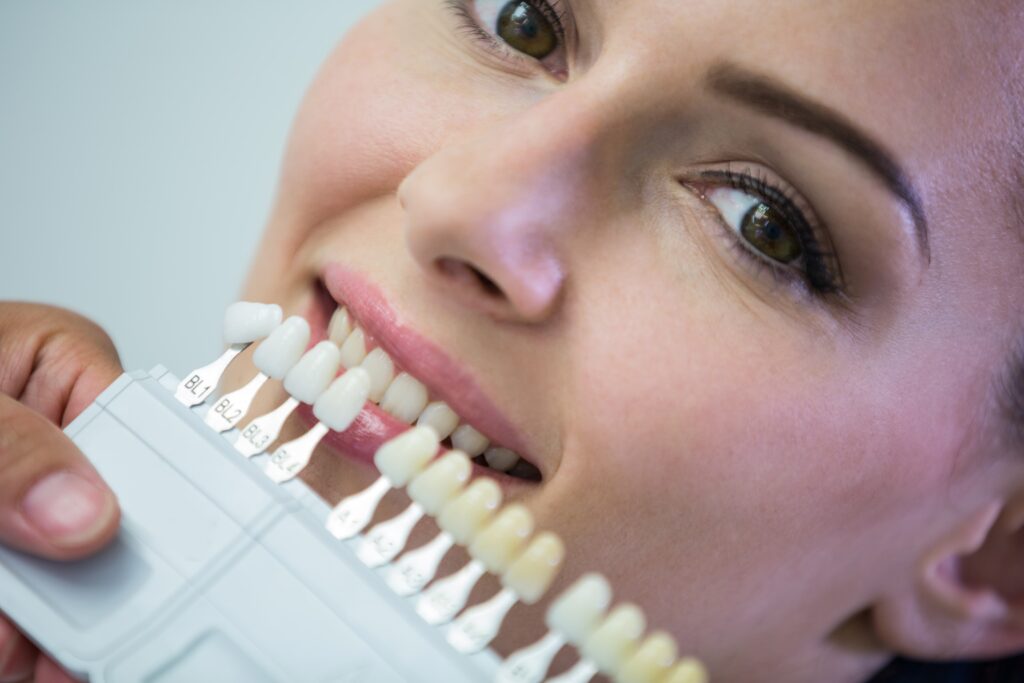
A laminate veneer is an ultra-thin porcelain shell that is even more conservative than traditional veneers. These restorations require minimal enamel reduction and are designed to achieve a natural, translucent appearance that closely resembles real tooth enamel. Because of their delicate structure, laminate veneers are especially suitable for patients who want subtle cosmetic enhancement without aggressive preparation.
Laminate veneers are favored in aesthetic dentistry due to their light transmission and ability to create smooth, life-like reflections. For mild discoloration, slight shape correction, and aesthetic refinements, they offer an excellent balance between beauty and preservation of healthy tooth tissues.
Comparison: Laminate Veneers vs. E-Max Veneers
To understand the specific advantages of Laminate Veneers, it is helpful to compare them with high-strength alternatives like E-Max:
| Feature | Laminate Veneers | E-Max Veneers |
| Material | High-translucency Thin Porcelain | Lithium Disilicate Glass Ceramic |
| Preparation | Minimal (0.3mm – 0.5mm) | Slightly more reduction needed |
| Strength | Delicate / Aesthetics-focused | Exceptional durability & fracture resistance |
| Aesthetics | Superior light reflection / Natural | Natural, but provides more opacity |
| Best Use Case | Minor cosmetic updates | Stronger bite forces or masking stains |
Technical Characteristics and Benefits
A laminate veneer is a custom-made porcelain shell placed on the front surface of a tooth to enhance its appearance. This cosmetic solution is widely preferred by patients who want a brighter, more balanced, and more symmetrical smile without undergoing invasive dental procedures. Since laminate veneers require minimal reshaping of the natural tooth, the structural integrity of the enamel is largely preserved while achieving impressive aesthetic improvement.
Common Uses for Laminate Veneers:
Discoloration: Masking mild stains that do not respond to whitening.
Small Gaps: Closing minor spaces between teeth.
Alignment: Correcting mild alignment issues or irregular shapes.
Surface Defects: Covering worn edges or micro-fractures.
When a laminate veneer is bonded correctly, it becomes a stable part of the tooth structure and functions comfortably during daily activities like speaking and chewing.
Understanding the Difference: Laminate vs. Traditional Veneer
The better choice depends on individual dental needs. Laminate veneers are the most conservative and visually delicate option. Traditional veneers are better for patients who need stronger structural support or enhanced masking of deeper discolorations.
How To Tell If It Is Laminate Or Traditional Veneer
Distinguishing between them depends on thickness, translucency, and preparation depth. Laminates are ultra-thin, allowing more light to pass through, which gives them a glass-like natural appearance. They involve minimal trimming of enamel. Traditional veneers are slightly thicker and more opaque, designed to mask deeper imperfections and provide additional reinforcement.
Durability and Longevity
How Long Do Laminate Veneers Last
Laminate veneers typically last eight to twelve years due to their thinner structure. Although delicate in comparison to E-Max or full veneers, they provide excellent longevity when patients follow good oral hygiene practices. Using a night guard for grinding and avoiding excessive pressure helps protect their fragile edges.
What Happens After 10 to 20 Years
After 10 Years: Some patients notice slight discoloration at the margins or minor chipping depending on bite pressure.
After 20 Years: Most veneers reach the end of their functional lifespan. Materials gradually wear and bonding weakens. Replacing old veneers with new porcelain provides better color harmony and maintained function.
Can Dentists Remove Laminate Veneers
Yes. Dentists can safely remove laminate veneers using fine diamond burs, polishing techniques, and specialized instruments that gently lift the porcelain from the tooth surface. Since laminates are thin and bonded with strong adhesives, removal requires precision but is usually painless.
What Happens To Teeth Under Veneers
The natural teeth remain beneath the veneer in a stable and functional form. A thin layer of enamel is shaped to allow the veneer to sit flush with the gumline. Once bonded, the veneer protects the tooth surface from staining and minor wear. If hygiene is neglected, teeth can develop problems; however, regular brushing and flossing prevent most complications.
Are Veneers Painful To Get
Most patients find the treatment comfortable because local anesthesia prevents discomfort during enamel shaping. Mild sensitivity may appear for a few days after the procedure, especially to temperature changes, but this typically improves quickly.
Eating With Laminate Veneers
Veneers allow patients to eat normally after the initial adjustment period. However, it is best to avoid chewing on extremely hard items such as ice or tough candies. While biting into an apple is possible when the bite is balanced, many dentists suggest slicing hard fruits to minimize stress on the delicate laminate margins.
Considerations and Costs
The Negatives of Veneers
The main drawbacks include the irreversible removal of enamel, temporary sensitivity, and the need for eventual replacement. Dentists may advise against them if enamel is weak, gum disease is active, or if a patient grinds heavily.
Cost and Location
Veneer prices vary based on material, clinic location, and expertise.
Pricing Factors: Digital smile design and high-end laboratory work increase costs.
Dental Tourism: Countries like Turkey are considered safe for veneers when performed by licensed cosmetic dentists using certified materials. Reputable clinics there follow strict sterilization protocols and use modern technology.



 |
|