Cataract surgery in Turkey is a safe and effective procedure for restoring vision impaired by clouded natural lenses. The surgery involves removing the cloudy lens and replacing it with a clear intraocular lens (IOL), dramatically improving sight and quality of life. Patients often experience brighter, sharper vision and increased independence.
WellDemir connects patients with licensed eye clinics and certified ophthalmic surgeons across Turkey. As a professional health tourism agency, we coordinate the entire process from travel to post-operative care without directly providing medical treatment. Optional complication insurance is also available to ensure added peace of mind throughout your journey.
Cataract surgery in Turkey provides a safe and effective way to restore vision lost due to clouded natural lenses. By replacing the damaged lens with a clear intraocular lens, patients regain sharp vision and visual clarity leading to greater independence and confidence in everyday life.
Natural results by certified surgeons in Turkey
From flights to follow ups, we carefully coordinate it all.
Treatments performed in trusted medical facilities.
WellDemir connects international patients with licensed eye clinics and experienced ophthalmic surgeons specializing in cataract surgery in Turkey. As a certified health tourism agency, we manage the entire journey from pre-surgery consultation and travel to post-operative care without offering direct medical treatment. Each patient receives transparent information and personalized coordination throughout the process. To ensure added confidence, optional complication insurance is available before and after the procedure. With WellDemir, your vision restoration is guided by trusted expertise, careful planning, and a commitment to safety at every stage.
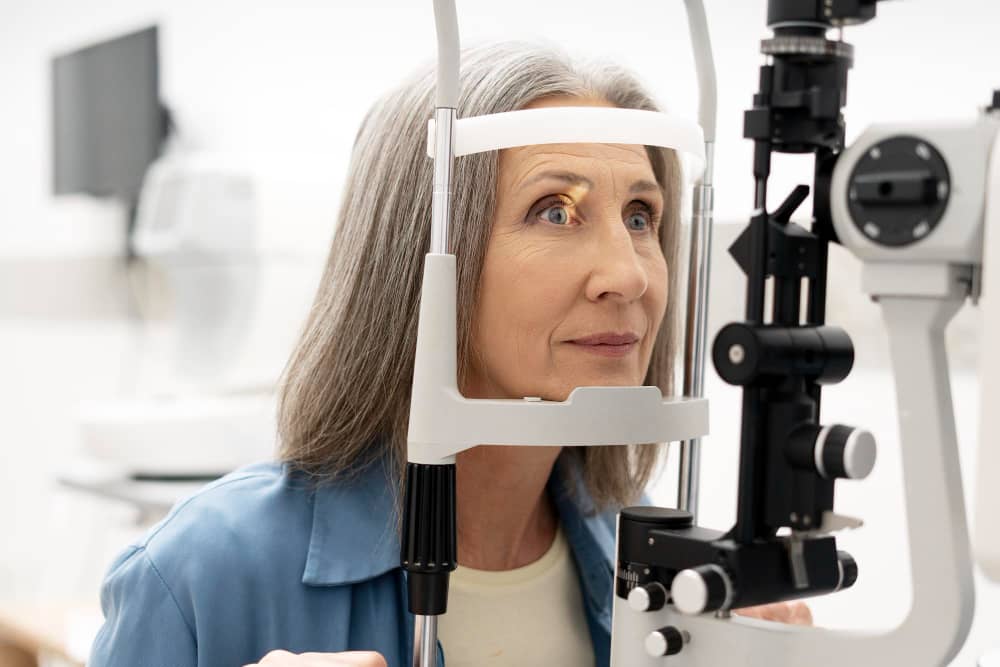
Cataract lens replacement in Turkey offers a life-changing solution for individuals experiencing blurry vision due to cataracts or aging. By implanting advanced intraocular lenses (IOLs), patients regain crisp, multifocal sight with less reliance on glasses. All surgeries are conducted in certified hospitals by skilled ophthalmologists using state-of-the-art technology. WellDemir coordinates every step of your medical journey, from first contact to aftercare partnering only with licensed healthcare providers. Optional complication insurance adds an extra layer of assurance, making your treatment journey smooth, secure, and fully supported.
We connect you with expert eye surgeons who assess your vision and create a personalized eye treatment plan suited to your needs and lifestyle.
WellDemir arranges your flights, accommodation and clinic coordination to ensure a smooth and stress-free eye treatment experience in Turkey
Post-treatment care for eye treatments includes regular check-ups and expert follow-up to ensure comfort and peace of mind after you return home.
Cataract surgery offers patients several lens options to restore vision clarity. The three main types are monofocal lenses, multifocal lenses, and toric lenses. Monofocal lenses correct vision at a single distance, usually for far vision, requiring glasses for near tasks. Multifocal lenses provide multiple focal points, allowing patients to see at near, intermediate, and far distances with reduced dependence on glasses. Toric lenses are specifically designed to correct astigmatism in addition to cataracts, offering sharper vision for patients with irregular corneal shapes.
Cataract lens surgery itself is permanent in terms of removing the clouded natural lens and replacing it with an artificial one. The new intraocular lens (IOL) typically lasts a lifetime, with the materials used in modern lenses being highly durable and biocompatible. However, age-related changes in the eye, such as posterior capsule opacification, can occasionally affect vision years later, which can be corrected with a quick, painless laser procedure.
Cataract surgery is one of the safest and most commonly performed procedures worldwide, with high success rates and minimal complications. Risks include minor infections, inflammation, or lens dislocation, but these are rare with modern surgical techniques. Experienced surgeons and proper preoperative evaluations ensure that patients achieve significant vision improvement safely.
After cataract surgery, the artificial lens is placed within the capsular bag, the natural membrane that originally held the eye’s lens. This bag provides long-term stability, and the lens is designed to integrate securely without the need for additional fixation. In rare cases of lens dislocation, secondary procedures can reposition the lens effectively.
The best lens depends on the patient’s visual needs, lifestyle, and eye health. Monofocal lenses are ideal for patients comfortable wearing glasses for reading. Multifocal lenses suit those seeking a glasses-free lifestyle for various distances. Toric lenses are perfect for patients with astigmatism, providing sharper, clearer vision. Surgeons customize lens selection after a thorough eye examination and discussion of patient goals.
Cataract surgery is recommended once vision impairment affects daily life, regardless of age. Most patients are over 60, but younger adults with early cataracts may benefit if their work or lifestyle is significantly impacted. Modern lens technology allows safe surgery across a wide age range, balancing visual improvement with long-term eye health.
The most common post-surgery issue is posterior capsule opacification (PCO), sometimes called a “secondary cataract.” It occurs when the back of the lens capsule becomes cloudy months or years after surgery. PCO can be easily treated with a quick, painless YAG laser capsulotomy, restoring clear vision almost immediately. Other minor issues can include temporary dryness, mild glare, or light sensitivity, which usually resolve with time.
Although cataracts are surgically corrected, maintaining eye health is crucial. Vitamins and antioxidants such as Vitamin C, Vitamin E, and Lutein/Zeaxanthin help slow the progression of lens opacity in aging eyes. A diet rich in fruits, vegetables, and leafy greens, combined with proper eye care, supports long-term vision quality and overall ocular health.
Yes, patients can usually watch TV within a few days after surgery. However, it is recommended to avoid excessive eye strain and follow the post-operative instructions provided by the surgeon. Short breaks, proper lighting, and avoiding rubbing the eyes help ensure optimal recovery and prevent complications.
The choice depends on the patient’s lifestyle and visual priorities, with multifocal lenses preferred by those seeking a more glasses-free experience, while monofocal lenses remain a reliable and cost-effective option.
The best lenses for modern cataract surgery include:
These options integrate cutting-edge optical technology to maximize clarity, contrast, and overall visual quality for patients.
Yes, if you have significant astigmatism, toric lenses can substantially improve vision without the need for glasses. They provide better distance and intermediate clarity, reduce distortions, and are particularly valuable for patients who prioritize sharp vision for driving, reading, and computer use.
After cataract surgery, the new intraocular lens (IOL) is typically held in place by the capsular bag, the thin, transparent membrane that originally contained the natural lens. The lens is carefully positioned during surgery, and the eye’s natural anatomy keeps it stable. Most patients experience lifelong stability, although in rare cases lens rotation or displacement may occur, which can be corrected with minor procedures.
Choosing the best lens depends on your visual goals:
Your ophthalmologist will recommend the lens that aligns with your lifestyle, eye measurements, and visual preferences.
Lens replacement is most commonly performed in adults with significant cataracts or reduced vision affecting daily life. While there is no strict upper age limit, surgery is often done between 60 and 75 years old. Younger adults with early-onset cataracts or refractive lens exchange needs may also be candidates if their eyes are healthy.
Patients are usually able to watch TV within a few days after surgery. It is important to avoid straining your eyes and follow post-operative care guidelines, including using prescribed eye drops and protecting the eyes from irritants. Most patients regain clear vision and comfort quickly.
Toric lenses are especially valuable for patients with astigmatism, as they correct uneven corneal curvature and improve distance vision. Patients often find that toric lenses reduce their dependence on glasses for daily activities like driving, reading, and using computers, making them a worthwhile investment for long-term visual clarity.
Cataract lens surgery is a safe and effective procedure for restoring clear vision. With the right lens choice, patients can achieve sharp distance, intermediate, and near vision. Modern lenses multifocal, toric, and aspheric offer tailored solutions for individual visual needs, while proper post-operative care ensures long-term success. Turkey offers competitive pricing, experienced surgeons, and access to state-of-the-art lenses, making it a popular destination for high-quality cataract surgery.
Turkey offers affordable cataract surgery with internationally accredited clinics, experienced surgeons, and modern medical technology making it a preferred destination for medical travelers.
The cost of cataract surgery in Turkey is significantly lower than in many Western countries, typically ranging between €1,000 and €2,000 per eye, depending on the clinic and lens type.
Yes, all partner clinics are licensed and meet international standards. WellDemir only cooperates with authorized health institutions that are legally certified for ophthalmic surgery.
Advanced intraocular lenses (monofocal, multifocal, or toric) are used in Turkey, customized to patient needs for optimal visual outcomes and minimal dependence on glasses.
No. WellDemir is a medical tourism agency. All surgeries are performed by licensed professionals in certified hospitals. We coordinate the process and offer optional complication insurance for your peace of mind.
As WellDemir, we connect you with licensed clinics and top medical professionals across Turkey.

 | Sağlık Turizmi Reklam Ajansı | © 2025 WellDemir