
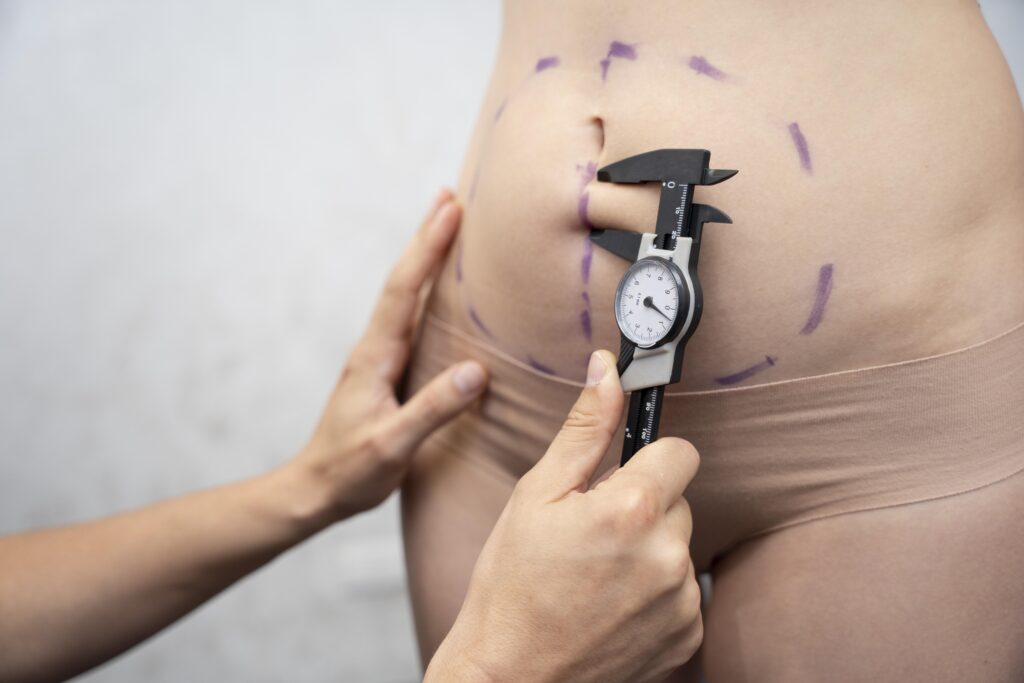
Bariatric surgery has transformed the landscape of weight management, offering patients significant opportunities to reduce excess weight and improve metabolic health. Yet, one of the most common questions asked by patients and medical professionals alike is whether bariatric surgery is reversible. This question is not merely academic; it delves into the complex interplay between surgical technique, patient physiology, and long-term outcomes. Understanding the reversibility of these procedures can help patients make informed decisions before undergoing surgery.
Table of Contents
Understanding Bariatric Surgery: Types and Mechanisms
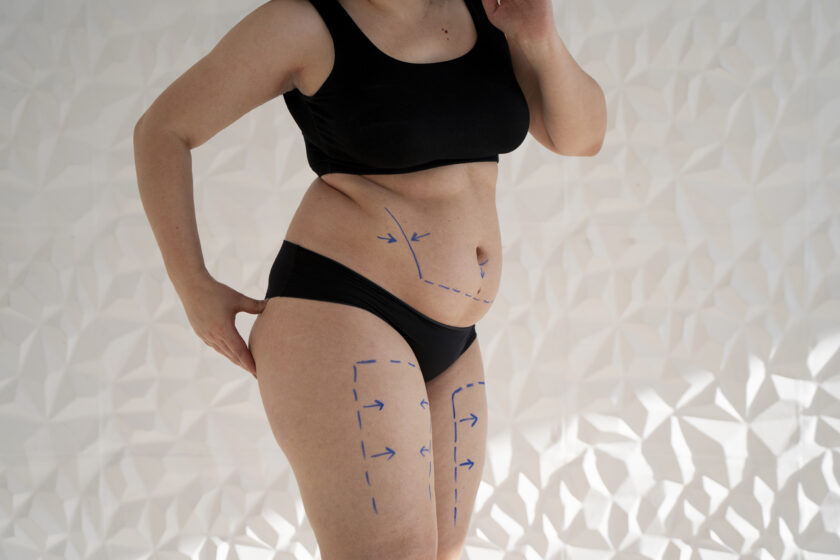
Bariatric surgery encompasses a range of procedures designed to alter the digestive system to promote weight loss. These surgeries primarily work by either restricting the stomach’s capacity, altering nutrient absorption, or a combination of both. The most commonly performed types include:
- Gastric banding (adjustable gastric band) – A silicone band is placed around the upper portion of the stomach to create a small pouch, limiting food intake.
- Gastric bypass (Roux-en-Y) – The stomach is divided into a small pouch, and the small intestine is rearranged to bypass a portion of the digestive tract, reducing calorie absorption.
- Sleeve gastrectomy – Approximately 75-80% of the stomach is removed, leaving a narrow tube-like structure.
- Biliopancreatic diversion with duodenal switch (BPD/DS) – A complex procedure combining stomach reduction with a significant rerouting of the intestines to limit nutrient absorption.
Each of these procedures carries different implications for reversibility, with some being inherently reversible and others permanent.
Get Free Consultation
Have any questions? Leave your details and we'll get back to you shortly.
Reversibility of Bariatric Surgery: What Science Says
While some bariatric surgery techniques can technically be reversed, the process is rarely simple or without risks. For instance, gastric banding is widely recognized as reversible. The band can be removed, and in many cases, the stomach returns to near its original shape. However, patients may experience stretching or scarring that affects stomach function.
On the other hand, gastric bypass and sleeve gastrectomy are generally considered irreversible due to the permanent alteration of the stomach and intestines. Reversal is sometimes attempted in cases of severe complications, but it is highly complex and associated with increased surgical risk. Evidence from longitudinal studies shows that reversal procedures are rare, performed primarily to address medical complications rather than weight management failure.
Factors Influencing Reversibility
Several factors determine whether bariatric surgery can be undone or modified:
- Surgical technique and type of procedure – Restrictive procedures are generally more reversible than malabsorptive ones.
- Time elapsed since surgery – Scar tissue and anatomical changes can make reversal more challenging over time.
- Patient health status – Pre-existing conditions such as diabetes, cardiovascular disease, or liver dysfunction can impact surgical decisions.
- Surgeon expertise – Reversal surgeries require specialized skill and experience to minimize risks.
Understanding these factors helps patients weigh the long-term commitment associated with each type of procedure.
Adjustable Gastric Band: The Most Reversible Option
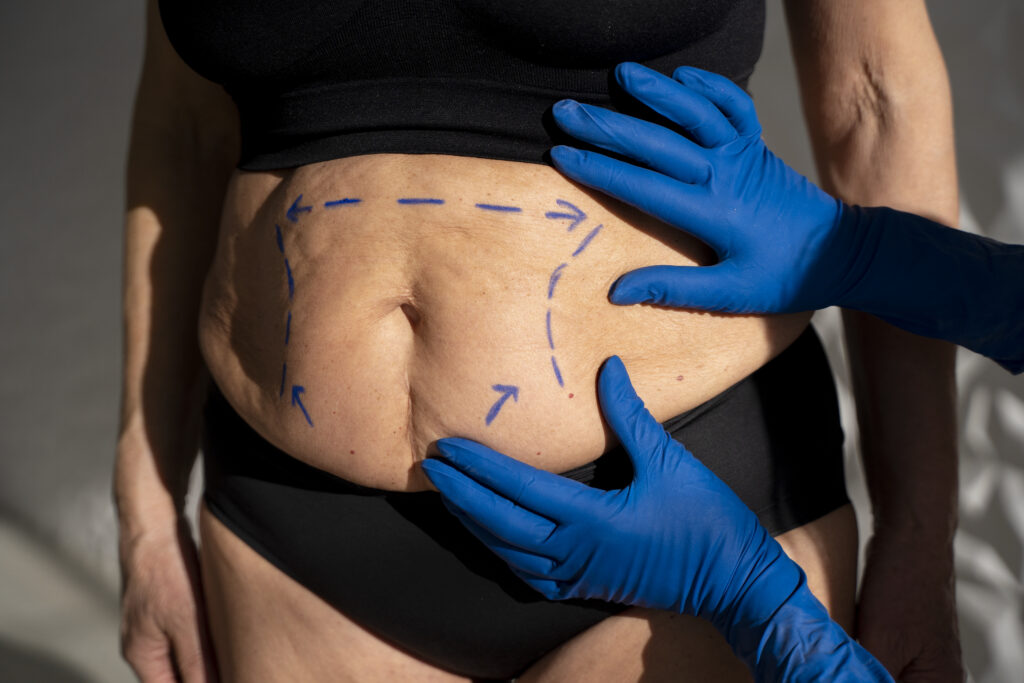
Among all bariatric surgery options, adjustable gastric banding stands out for its reversibility. The silicone band can be removed under general anesthesia, restoring the stomach to its original form in most cases. Recovery from reversal is usually shorter than the initial surgery, and patients may regain lost weight if dietary habits are not adjusted.
However, studies suggest that long-term complications, such as esophageal dilation, slippage, or erosion, can limit the success of reversal. Surgeons often recommend careful follow-up and lifestyle adjustments even after the band is removed.
Irreversible Procedures: Sleeve Gastrectomy and Gastric Bypass
Procedures like sleeve gastrectomy and Roux-en-Y gastric bypass are largely irreversible. The stomach is permanently altered, and in bypass procedures, the intestines are rerouted in a way that cannot be easily restored.
In rare cases, partial reversals may be attempted for medical reasons such as severe nutritional deficiencies, persistent ulcers, or anatomical complications. Such reversals involve significant surgical risk, extended recovery times, and require thorough preoperative evaluation.
| Procedure Type | Reversible? | Typical Use Case | Risks of Reversal |
| Adjustable Gastric Band | Yes | Weight loss, moderate obesity | Scarring, esophageal dilation |
| Gastric Bypass | Rarely | Severe obesity, metabolic syndrome | High surgical risk, complex anatomy |
| Sleeve Gastrectomy | Rarely | Obesity, high BMI | Nutritional deficiencies, complex surgery |
| BPD/DS | No | Severe obesity, metabolic disorders | Permanent, high-risk reversal |
Psychological and Lifestyle Considerations
The reversibility of bariatric surgery is not solely a surgical issue. Psychological readiness and lifestyle adaptation are critical. Patients who anticipate reversal may have different expectations regarding diet, exercise, and mental health support. Behavioral therapy and nutrition counseling play a significant role in ensuring long-term success, whether the surgery is reversible or not.
Research also suggests that patients opting for reversible procedures such as gastric banding report a stronger sense of control over their health journey, while those undergoing irreversible surgeries may experience more anxiety regarding permanent body changes.
Future Trends and Innovations
Medical science continues to evolve, exploring less invasive methods to make bariatric surgery safer and potentially reversible. Endoscopic techniques, adjustable stents, and modular gastric devices are being investigated to provide flexible weight loss solutions. These innovations aim to bridge the gap between irreversible procedures and reversible, low-risk interventions.
While these technologies are still under clinical evaluation, they represent a promising frontier in bariatric care, combining effectiveness with patient autonomy.
In summary, the reversibility of bariatric surgery depends heavily on the type of procedure, patient health, and surgical expertise. Adjustable gastric banding remains the most reliably reversible option, while gastric bypass and sleeve gastrectomy are largely permanent. Patients should consider both medical and lifestyle factors before choosing a procedure, balancing long-term outcomes with potential risks. As medical technology advances, the landscape of reversible weight loss surgery may expand, offering patients safer and more flexible options for managing obesity.

 |
|