

Brazilian Butt Lift is one of the most discussed body contouring procedures in modern aesthetic medicine. Over the past decade, Brazilian Butt Lift has evolved from a niche cosmetic operation into a globally recognized technique for enhancing body proportions through natural fat transfer. Rather than relying on synthetic implants, this method reshapes the silhouette using the patient’s own adipose tissue, creating curves that look and feel organic.
The growing interest in Brazilian Butt Lift reflects broader changes in beauty standards and medical innovation. Scientific research in fat grafting, tissue regeneration, and surgical safety has contributed to the refinement of the procedure. Today, Brazilian Butt Lift surgery is approached as both a technical discipline and an aesthetic art, combining anatomical precision with individualized design.
Table of Contents
Understanding Brazilian Butt Lift: Definition and Core Principles
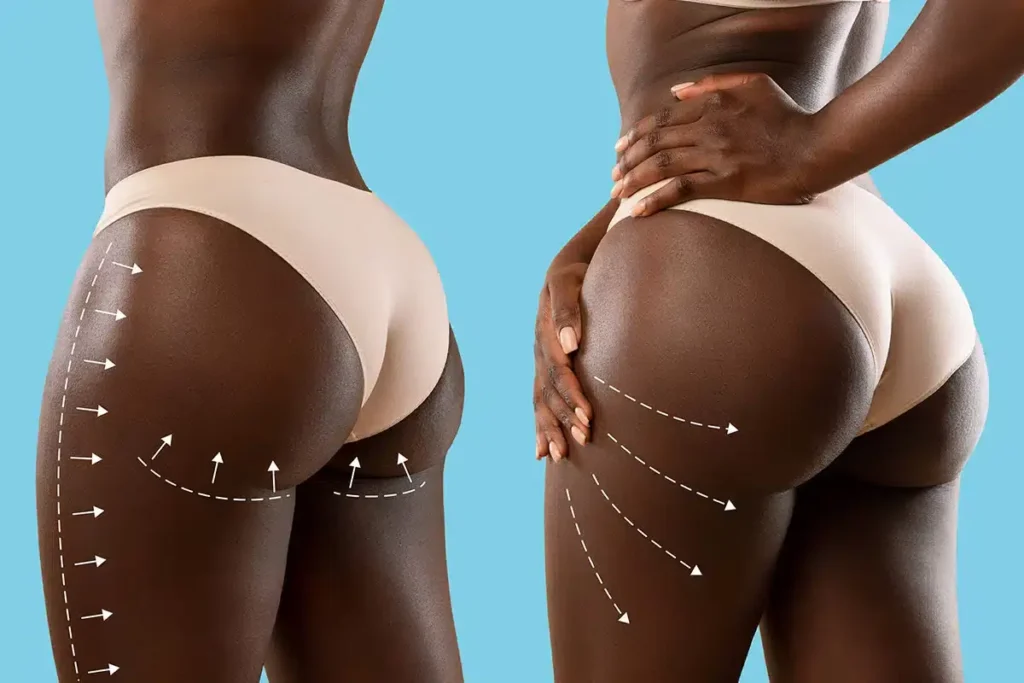
Brazilian Butt Lift is a surgical procedure designed to enhance the volume and contour of the buttocks using autologous fat transfer. In simple terms, fat is harvested from one area of the body through liposuction, purified, and then strategically injected into the buttocks. The aim of Brazilian Butt Lift is not only augmentation but also overall body harmony.
Get Free Consultation
Have any questions? Leave your details and we'll get back to you shortly.
Unlike traditional implants, Brazilian Butt Lift surgery relies on living tissue. Fat cells that successfully integrate into their new location may establish blood supply and become a lasting part of the body’s structure. Scientific observations suggest that cell viability depends on careful harvesting, minimal trauma during processing, and meticulous reinjection techniques.
Because Brazilian Butt Lift uses the patient’s own tissue, it is often described as a natural buttock augmentation method. The softness of the result and the ability to contour multiple areas at once make this technique distinct from other enhancement options.
The Science Behind Brazilian Butt Lift Fat Transfer
At the core of Brazilian Butt Lift lies autologous fat grafting, a technique studied extensively in plastic and reconstructive surgery. Adipose tissue contains not only mature fat cells but also supportive stromal cells and regenerative components. Some clinical publications indicate that these biological elements may contribute to improved skin texture and tissue vitality after transfer.
During Brazilian Butt Lift procedures, harvested fat is typically processed to remove excess fluids and damaged cells. This purification stage is critical. Research suggests that gentle handling may increase the percentage of surviving fat cells after transplantation. Although retention rates vary among individuals, surgeons often account for partial resorption over time.
Anatomy plays a decisive role in Brazilian Butt Lift safety. The buttock region includes significant vascular structures, and modern guidelines emphasize subcutaneous injection rather than deep muscle placement. Advances in cannula design and imaging technologies have further refined the scientific framework surrounding Brazilian Butt Lift.
Aesthetic Goals of Brazilian Butt Lift and Body Proportion
Brazilian Butt Lift is rarely about volume alone. Most individuals seek improved waist to hip ratio, smoother transitions between the lower back and hips, and balanced projection. Anthropometric studies in aesthetic research frequently highlight the importance of proportion over absolute size.
Brazilian Butt Lift allows simultaneous contouring of donor areas such as the abdomen or flanks. This dual effect can create a more sculpted silhouette. By reducing fat in selected regions and enhancing the buttocks, Brazilian Butt Lift often produces a visual contrast that emphasizes natural curves.
Cultural perceptions of beauty influence expectations. While media trends may popularize fuller silhouettes, many patients request subtle enhancement. In this context, Brazilian Butt Lift becomes a tool for personalization rather than exaggeration.
Brazilian Butt Lift Procedure: From Consultation to Surgical Planning
The journey toward Brazilian Butt Lift generally begins with an in depth consultation. During this phase, anatomical structure, skin elasticity, and fat distribution are evaluated. Surgical planning typically considers how much fat is available and how it can be redistributed to achieve balanced results.
The operative process usually unfolds in stages. First, liposuction is performed to collect adipose tissue. Next, the fat is purified and prepared. Finally, it is carefully reinjected into targeted zones of the buttocks. Each of these steps influences the final appearance of Brazilian Butt Lift results.
Precision is central to Brazilian Butt Lift. Injection patterns are designed to shape upper pole fullness, lateral projection, and lower contour. Rather than a uniform fill, the procedure often involves layered placement to create natural curvature.
Recovery After Brazilian Butt Lift and Tissue Adaptation
Recovery following Brazilian Butt Lift involves both liposuction healing and fat graft stabilization. Swelling and bruising are common in the early phase. Because transferred fat cells require time to establish circulation, minimizing prolonged pressure on the buttocks is often discussed during postoperative guidance.
Over the first few months, the body gradually adapts. Some of the transferred fat may be reabsorbed, while the remaining cells integrate into surrounding tissue. This adaptive process explains why final Brazilian Butt Lift results are typically evaluated after swelling subsides and tissue stabilization occurs.
Although timelines vary, many individuals return to light daily routines within weeks. The perception of change continues to evolve as the body heals. Brazilian Butt Lift recovery is therefore both a physical and visual transition.
Comparing Brazilian Butt Lift with Buttock Implants
When considering augmentation options, comparisons between Brazilian Butt Lift and silicone implants frequently arise. Implants involve insertion of a prosthetic device, whereas Brazilian Butt Lift relies on fat transfer. This fundamental difference influences texture, incision patterns, and potential long term dynamics.
Brazilian Butt Lift is often associated with a softer tactile quality because the enhancement consists of living tissue. Implants, on the other hand, may provide more predictable structural projection in cases where limited body fat is available. The decision between these methods depends on anatomy, goals, and personal preference.
Another distinction lies in contouring synergy. Brazilian Butt Lift includes liposuction as part of the process, allowing reshaping of adjacent areas. Implants do not inherently provide this secondary sculpting effect.
Risks, Research, and Evolving Safety Standards in Brazilian Butt Lift
No surgical intervention is entirely without risk, and Brazilian Butt Lift is no exception. Reported concerns in medical literature have prompted international professional associations to refine safety recommendations. These include specific guidance on injection depth, cannula orientation, and surgeon training.
Ongoing research continues to evaluate complication patterns and prevention strategies. The evolution of Brazilian Butt Lift techniques demonstrates how data analysis and collaborative guidelines can improve procedural safety over time.
Transparency is essential. Understanding that outcomes may vary due to individual healing patterns, tissue characteristics, and biological responses encourages realistic expectations. Brazilian Butt Lift is best approached with informed awareness rather than assumptions of uniform results.
Long Term Considerations of Brazilian Butt Lift Results
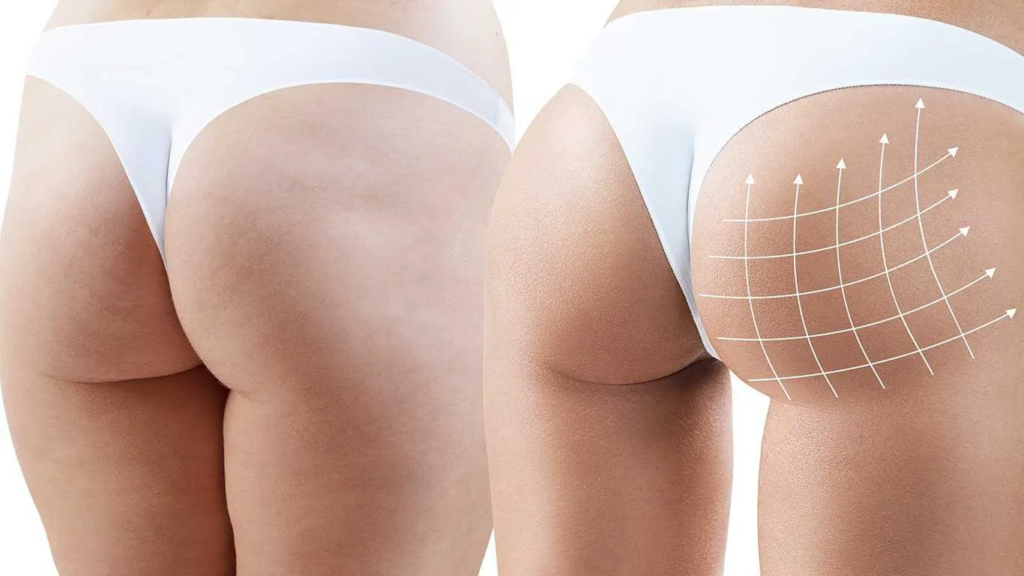
The longevity of Brazilian Butt Lift outcomes depends on several variables. Weight fluctuations, aging processes, and lifestyle factors can influence the appearance of transferred fat over time. Since the procedure uses living cells, changes in body composition may affect contour.
Some studies suggest that stable weight maintenance may help preserve proportions achieved through Brazilian Butt Lift. However, natural aging continues to influence skin elasticity and tissue firmness regardless of surgical intervention.
Ultimately, Brazilian Butt Lift should be understood as a body contouring strategy rather than a static transformation. The human body remains dynamic, and results evolve within that biological context.
A Comprehensive Perspective on Brazilian Butt Lift
Brazilian Butt Lift represents a convergence of surgical science, anatomical knowledge, and aesthetic design. By transferring autologous fat to the buttocks, the procedure seeks to enhance natural curves while maintaining tissue authenticity. Its increasing popularity reflects both technical innovation and shifting perceptions of body proportion.
Choosing to explore Brazilian Butt Lift involves careful research, thoughtful consultation, and realistic expectations. While scientific advancements have refined techniques and safety measures, individual outcomes depend on multiple biological and procedural factors.
Informed understanding empowers better decisions. When approached with clarity and expertise, Brazilian Butt Lift can serve as a method of reshaping contours in a way that aligns with personal aesthetic vision.

 |
|