
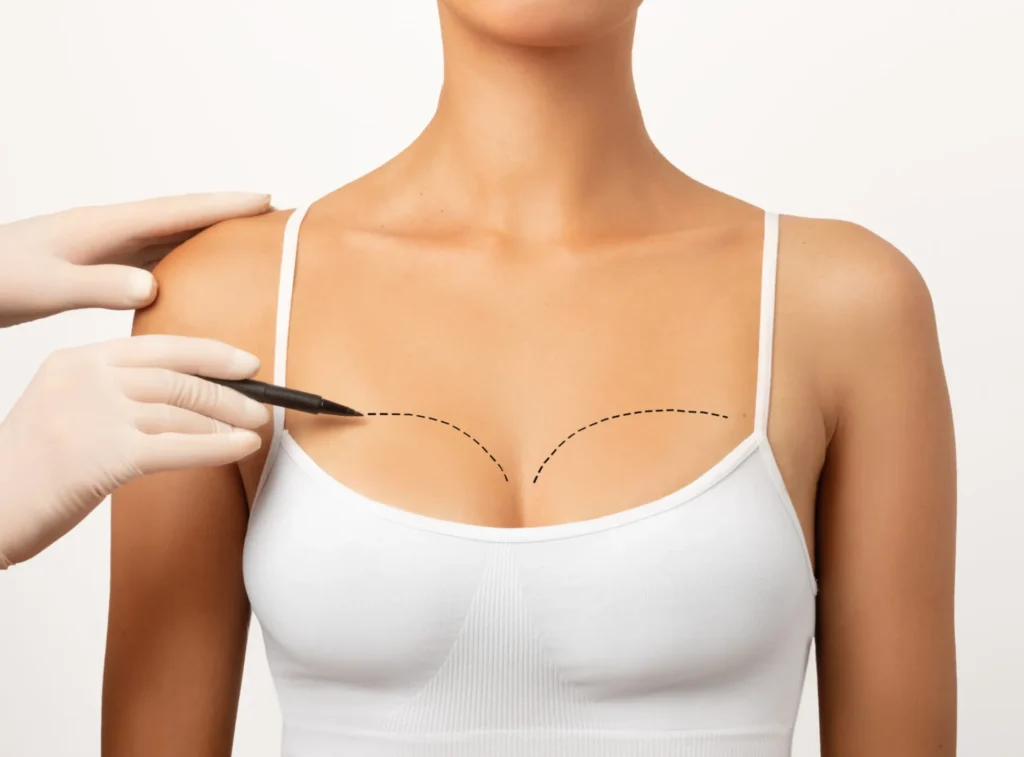
Breast Augmentation Surgery is one of the most researched and discussed aesthetic procedures in modern medicine. From early reconstructive attempts in the twentieth century to today’s highly refined techniques, this procedure has evolved into a sophisticated blend of surgical science, biomaterials engineering and artistic vision.
This comprehensive guide explores how Breast Augmentation Surgery works, what implant options exist, how surgical techniques differ, what recovery may involve and what kind of results individuals often seek. While the procedure is widely performed, every journey is personal. Understanding the science and strategy behind it can help clarify expectations and illuminate possibilities.
Table of Contents
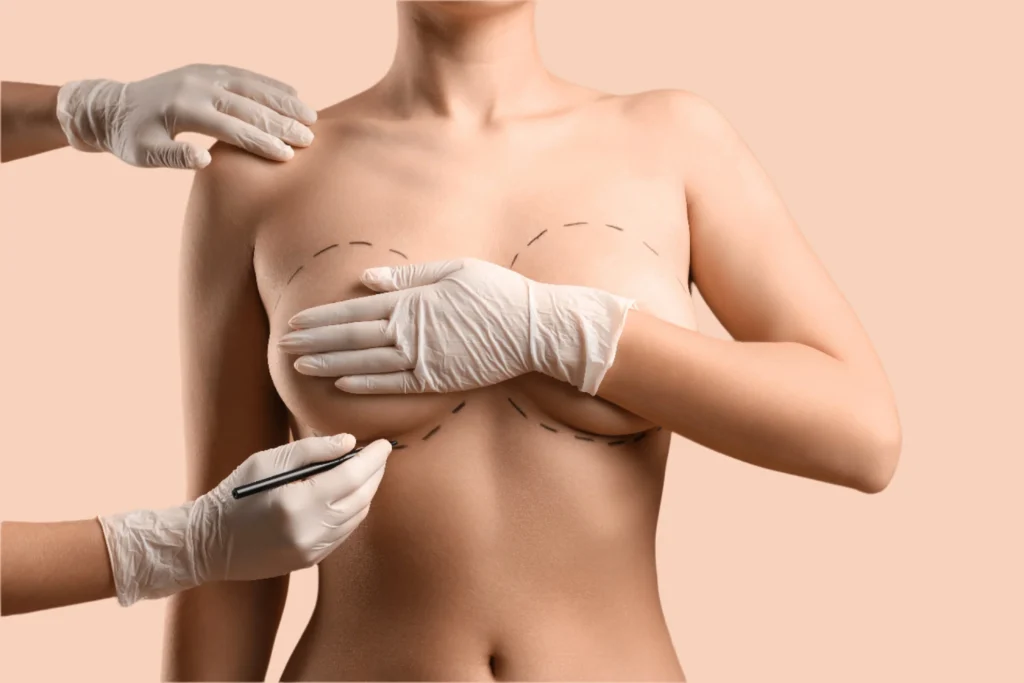
What Is Breast Augmentation Surgery and Why Is It Chosen?
Breast Augmentation Surgery refers to a surgical procedure designed to enhance breast volume, contour or symmetry through the placement of implants or, in some cases, fat transfer. Often called augmentation mammoplasty or cosmetic breast enlargement, it has both aesthetic and reconstructive dimensions.
Get Free Consultation
Have any questions? Leave your details and we'll get back to you shortly.
People consider Breast Augmentation Surgery for various reasons. Some wish to restore volume lost after pregnancy or weight fluctuations. Others seek improved balance between body proportions. In reconstructive contexts, breast enhancement procedures may follow mastectomy or congenital asymmetry.
From a clinical standpoint, Breast Augmentation Surgery involves detailed anatomical assessment. Surgeons evaluate chest wall structure, skin elasticity, tissue thickness and overall health factors. Research published in peer reviewed surgical journals consistently emphasizes that patient satisfaction correlates strongly with thorough preoperative planning and realistic expectations.
Implant Options in Breast Augmentation Surgery
Implant technology has advanced significantly over the past decades. In Breast Augmentation Surgery, the two most common implant categories are saline filled and silicone gel filled devices. Both types use a silicone outer shell, yet they differ in internal composition and tactile properties.
Silicone gel implants are often described as having a texture closer to natural breast tissue. Modern cohesive gel designs aim to maintain shape even if the shell is compromised. Saline implants, filled with sterile saltwater solution, allow for volume adjustment during surgery and may require smaller incisions.
Below is a simplified comparison frequently discussed in Breast Augmentation Surgery planning:
| Feature | Silicone Gel Implants | Saline Implants |
| Feel | Often described as softer | Slightly firmer |
| Incision Size | Moderate | Sometimes smaller |
| Rupture Detection | May require imaging | Often visible deflation |
| Shape Stability | High with cohesive gel | Depends on fill volume |
Shape is another consideration. Round implants can enhance upper pole fullness, while anatomical or teardrop shaped implants are designed to mimic natural slope. In Breast Augmentation Surgery, selection depends on body structure and aesthetic goals rather than trends.
Scientific literature also explores surface texture. Smooth and textured shells have been studied for differences in tissue interaction.
Surgical Techniques Used in Breast Augmentation Surgery
Technique selection is central to the success of Breast Augmentation Surgery. Incision placement is one of the most discussed variables. Common approaches include inframammary, periareolar and transaxillary incisions.
The inframammary incision is placed in the fold beneath the breast. It provides direct visibility and is widely used in Breast Augmentation Surgery due to precision and versatility. The periareolar incision follows the border of the areola and may blend with natural pigmentation changes. The transaxillary approach involves an incision in the armpit, leaving no scar on the breast itself.
Equally important is implant placement. In Breast Augmentation Surgery, implants can be positioned:
- Subglandular, above the chest muscle
- Submuscular, beneath the pectoral muscle
- Dual plane, partially under muscle
Each placement method influences contour, recovery and imaging interpretation. Clinical analyses suggest that submuscular positioning may reduce certain complications in selected cases, though outcomes vary based on anatomy.
Modern Breast Augmentation Surgery also integrates meticulous pocket creation and hemostasis to support implant stability. Advances in surgical instruments and sterile protocols have contributed to refined outcomes over time.
Recovery After Breast Augmentation Surgery
Recovery following Breast Augmentation Surgery is often described in phases rather than a single timeline. Initial days may involve swelling, tightness or temporary changes in sensation. These responses are part of the body’s adjustment process.
During the early stage, individuals typically focus on rest and limited physical strain. Over the following weeks, gradual return to daily routines is common. Research indicates that healing experiences vary significantly depending on implant placement, individual physiology and lifestyle factors.
In the months after Breast Augmentation Surgery, implants generally settle into a more natural position as tissues adapt. Surgeons sometimes refer to this process as drop and fluff, though timelines differ widely.
Scar maturation is another component. While incisions are strategically placed, scar appearance evolves over time. Long term studies on Breast Augmentation Surgery outcomes show that patient satisfaction is influenced not only by volume but also by comfort and confidence during recovery.
Results and Expectations in Breast Augmentation Surgery
The results of Breast Augmentation Surgery are shaped by both surgical precision and biological response. Volume increase is visible immediately, yet final contours may take several months to stabilize.
Proportion is often more meaningful than size alone. A moderate enhancement can dramatically shift body balance. In aesthetic analysis, harmony between shoulders, waist and hips contributes to perceived naturalness after Breast Augmentation Surgery.
Longevity is another common topic. Implants are durable medical devices, yet they are not considered lifetime products. Ongoing research evaluates long term performance and the potential need for revision procedures. Data from international plastic surgery associations indicate that many individuals maintain their implants for many years without complication, though outcomes differ.
Psychological dimensions are also explored in academic literature. Studies examining Breast Augmentation Surgery frequently highlight increased body confidence in selected populations. However, experts consistently stress the importance of realistic expectations and personal motivation rather than external pressure.
Safety, Research and Evolving Innovations in Breast Augmentation Surgery
Safety in Breast Augmentation Surgery is supported by decades of clinical investigation. Regulatory agencies across various countries evaluate implant materials, manufacturing standards and post market surveillance data.
Complications, while discussed openly in medical literature, are relatively uncommon when procedures are performed by qualified surgeons in accredited facilities. Capsular contracture, implant displacement and changes in sensation are among the topics studied in relation to Breast Augmentation Surgery. Transparent communication about such possibilities forms part of responsible practice.
Emerging innovations continue to shape the field. Three dimensional imaging allows simulation of projected outcomes. Bioengineered implant shells are under investigation to enhance biocompatibility. In selected cases, fat grafting may complement Breast Augmentation Surgery, offering subtle contour refinement.
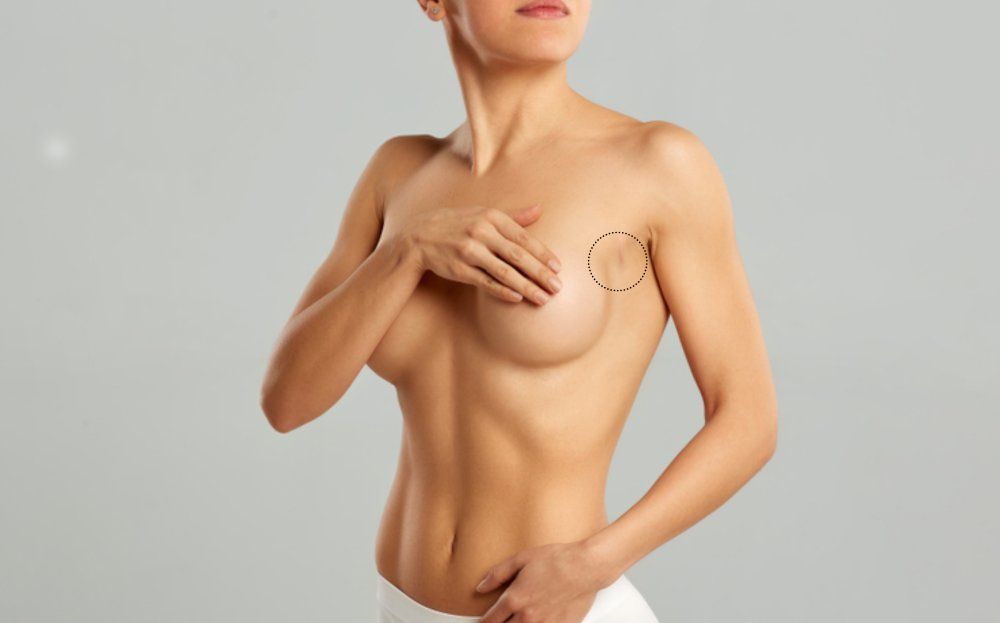
Personalized Planning Breast Augmentation Surgery
No two bodies are identical, and no single template defines ideal results. Breast Augmentation Surgery is most successful when planning integrates anatomy, aesthetic vision and long term perspective.
- Chest wall measurements
- Skin elasticity assessment
- Lifestyle considerations
- Personal style preferences
Rather than promising perfection, Breast Augmentation Surgery is framed as a process of enhancement within natural boundaries. Ethical aesthetic practice avoids exaggerated claims and focuses on informed decision making.
Transparent dialogue builds trust. Patients are encouraged to ask detailed questions about implant types, surgical techniques and anticipated recovery rhythms. This collaborative atmosphere reinforces confidence and clarity.
Understanding Breast Augmentation Surgery with Confidence
Breast Augmentation Surgery stands at the intersection of art and medical science. It involves biomaterials engineering, anatomical knowledge and individualized aesthetic design. While widely performed, it remains a deeply personal decision shaped by unique goals and physical characteristics.
Through careful planning, evidence based techniques and open communication, Breast Augmentation Surgery can offer meaningful transformation in proportion and self perception.
In exploring implants, techniques, recovery patterns and expected outcomes, this guide aims to illuminate the multifaceted nature of breast enhancement procedures. Knowledge fosters confidence, and confidence supports thoughtful decisions.

 |
|