
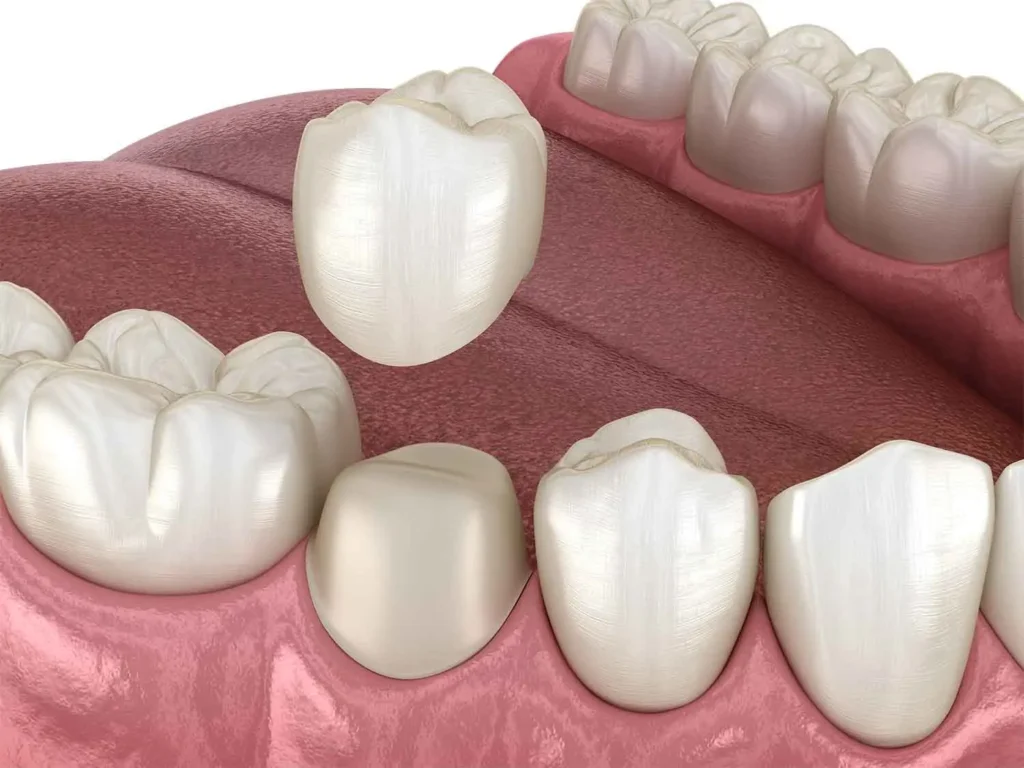
When considering a dental crown, many patients wonder how long the entire process takes. The answer depends on several factors, including the type of crown, the preparation of your tooth, and whether your dentist uses traditional lab methods or modern same-day technologies. Understanding the timeline can make the procedure feel less daunting and help you plan your visits efficiently.
Understanding the Dental Crown Procedure
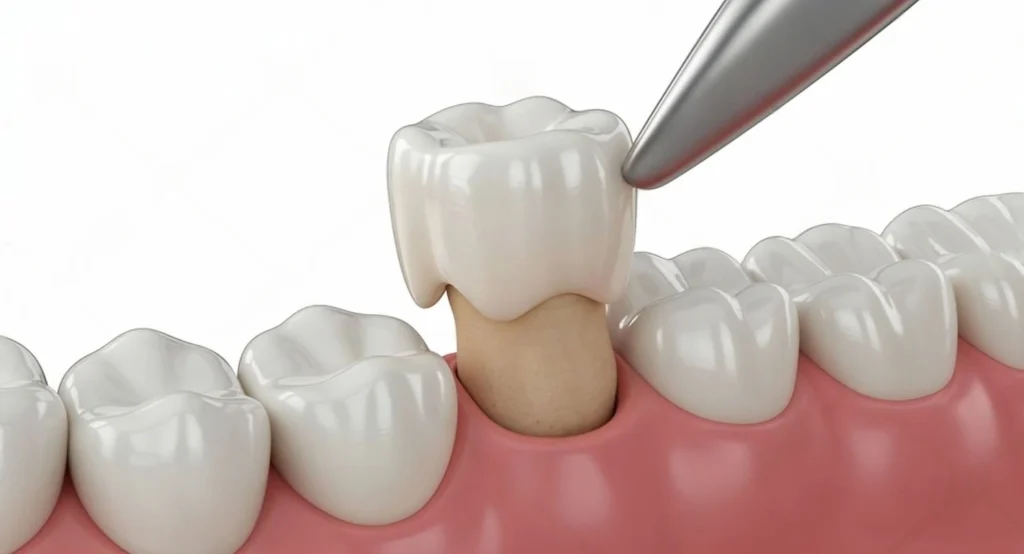
A dental crown is a restorative solution that covers a damaged or weakened tooth. It can restore strength, improve function, and enhance the aesthetic appearance of your smile. Typically, the procedure begins with an examination and consultation to evaluate the tooth’s condition.
During the first visit, the dentist will clean the tooth, remove decay if present, and shape it to accommodate the crown. Impressions are then taken to create a crown that fits perfectly. For traditional methods, these impressions are sent to a dental lab, which can take one to two weeks. However, modern techniques like CAD/CAM technology can fabricate crowns in-office within a few hours.
Get Free Consultation
Have any questions? Leave your details and we'll get back to you shortly.
Factors Affecting the Duration of Getting a Dental Crown
Several variables influence how long it takes to get a dental crown fitted. These include:
- Type of Crown Material – Porcelain, zirconia, and metal crowns have different fabrication times. Porcelain crowns generally require more precise lab work, while zirconia can often be milled in-office.
- Complexity of Tooth Preparation – If the tooth has extensive damage, additional procedures like root canal therapy may be needed, extending the overall timeline.
- Dentist’s Workflow – Some clinics can produce same-day crowns, while others rely on external labs, affecting the waiting period.
On average, traditional crowns take 1–2 weeks, while same-day crowns can be completed in a single visit.
Single-Visit vs Traditional Multi-Visit Crowns
One of the most intriguing developments in dentistry is the availability of same-day dental crowns. These crowns utilize advanced CAD/CAM technology, allowing the dentist to design, mill, and fit the crown in just a few hours.
Traditional crowns, on the other hand, involve multiple visits:
- Visit 1: Tooth preparation, impression, and temporary crown placement
- Visit 2: Final crown fitting and adjustments
While single-visit crowns are convenient, traditional crowns still have advantages in terms of material options and customization, particularly for patients seeking highly aesthetic results.
The Role of Temporary Crowns in the Timeline
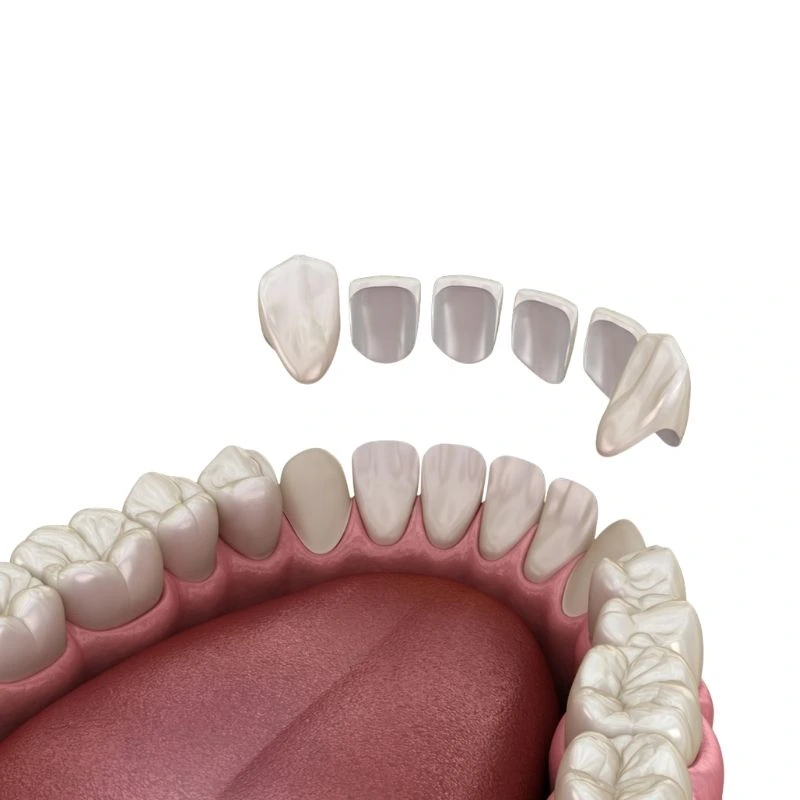
Temporary crowns play a crucial role in the dental crown process. They protect the prepared tooth, maintain proper spacing, and allow you to function normally while waiting for the permanent crown. Temporary crowns are typically worn for 1–2 weeks, depending on lab processing times.
Using a temporary crown is not just a placeholder; it helps ensure that your bite remains comfortable and that the final crown will fit perfectly, reducing the need for extensive adjustments later.
Adjustments and Fitting of the Final Crown
When the permanent crown is ready, fitting begins. This step is critical because a crown must match your bite, color, and alignment. The dentist will check for:
- Proper occlusion (bite alignment)
- Smooth margins to prevent gum irritation
- Color matching with adjacent teeth
Minor adjustments may be needed, and your dentist may polish or reshape the crown for optimal comfort. This process usually takes 30–60 minutes per tooth.
Dental Crown Longevity and Maintenance
After the crown is fitted, its durability depends on your oral care habits and the crown material. While not directly affecting the fitting timeline, understanding maintenance ensures you get the most value from your investment. Crowns can last anywhere from 5 to 15 years, sometimes longer with careful care.
Regular check-ups allow your dentist to monitor the crown for wear, fractures, or decay at the margins, helping prevent complications that could necessitate replacement.
Innovations Reducing Crown Fitting Time
Recent innovations in dentistry have dramatically reduced the time required for dental crowns. Digital impressions, intraoral scanners, and in-office milling machines allow for faster, more precise results. Some clinics even offer crowns that can be designed and fitted in under two hours.
These advancements provide patients with a more comfortable experience and reduce the stress associated with multiple dental visits.
The timeline for getting a dental crown fitted varies based on material choice, tooth condition, and clinic technology. Traditional crowns may take 1–2 weeks and involve multiple visits, while modern same-day crowns can often be completed in a few hours. Temporary crowns, adjustments, and post-fitting maintenance all play a role in ensuring a comfortable and lasting result.
Ultimately, understanding the process helps you plan effectively, ensures optimal dental health, and makes the experience of getting a dental crown smoother and more predictable.

 |
|