
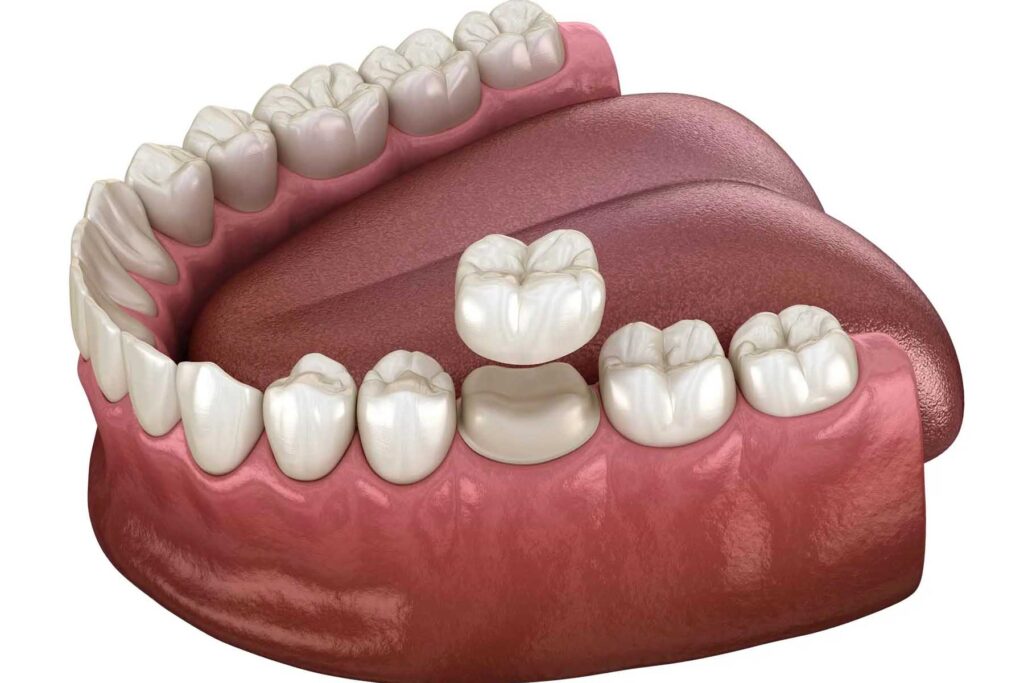
Modern restorative dentistry focuses on preserving natural teeth while maintaining aesthetics and function. One of the most common restorative treatments involves crowns that protect damaged teeth. However, crowns are not immune to wear, fractures, or loosening. This is where Dental Crown Repair becomes an important solution.
Dental Crown Repair refers to a set of dental procedures designed to restore a damaged or loosened crown without necessarily replacing the entire restoration. Dental crowns can last many years, but factors such as chewing pressure, adhesive failure, accidents, or material fatigue may require intervention.
Patients often wonder whether a crown must always be replaced if it becomes damaged. Interestingly, dentists frequently consider Dental Crown Repair first because it may preserve the original crown structure while saving time and cost. Understanding how crown repairs work, what causes damage, and how costs are determined can help patients better navigate treatment options.
Get Free Consultation
Have any questions? Leave your details and we'll get back to you shortly.
What Is Dental Crown Repair and Why Might It Be Needed?
Dental Crown Repair is a restorative dental procedure aimed at fixing minor to moderate issues affecting an existing dental crown. Crowns are custom caps placed over teeth to restore shape, strength, and appearance. They are commonly made from porcelain, ceramic, zirconia, metal alloys, or combinations of these materials.
Even though crowns are durable, daily oral function places them under continuous stress. Over time, problems may arise that make Dental Crown Repair necessary rather than complete replacement.
Several common situations can lead to crown repair:
- Minor fractures or chips in the crown material
- Crown loosening due to adhesive breakdown
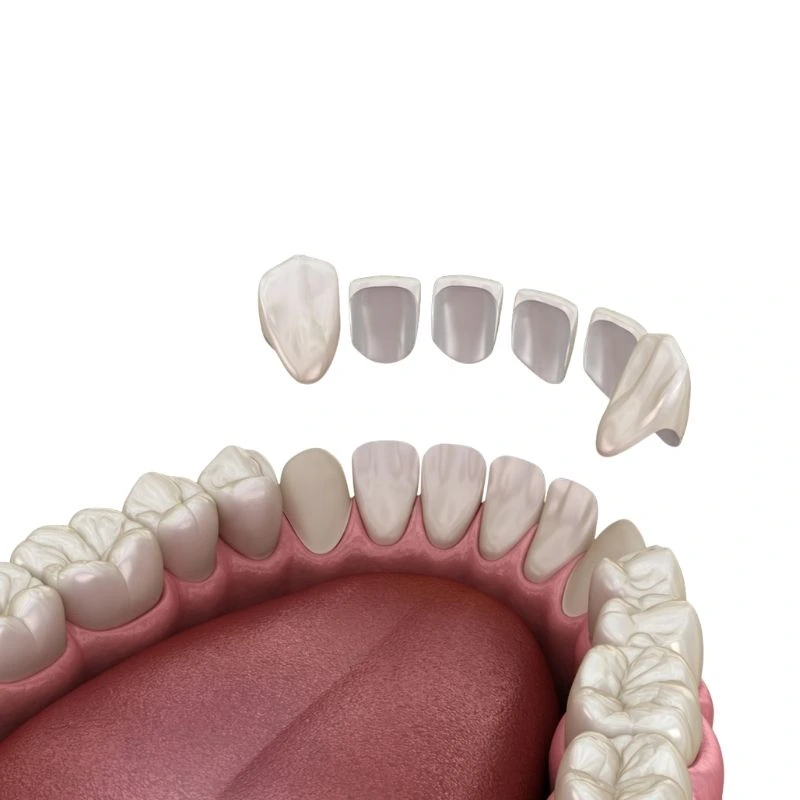
- Small cracks affecting aesthetics
- Wear caused by grinding or clenching
- Gum recession exposing crown margins
In many clinical situations, dentists evaluate whether the existing crown can still function structurally. If the internal structure remains intact, Dental Crown Repair may restore the crown effectively without fabricating a new one.
From a restorative perspective, repairing a crown may also preserve the prepared tooth underneath. This is important because each replacement crown requires additional tooth modification, which dentists often try to minimize.
Common Causes of Dental Crown Damage
Dental crowns are engineered to handle strong bite forces. However, biological and mechanical factors can still compromise them. Understanding these causes helps explain why Dental Crown Repair becomes necessary.
One frequent cause is mechanical stress. Teeth naturally experience significant pressure during chewing. In individuals with bruxism (teeth grinding), the repeated force may lead to small fractures or loosening of the crown.
Another factor involves bonding materials. Dental cements hold crowns securely in place, but these materials may gradually degrade over time. When this occurs, the crown may loosen and require Dental Crown Repair or re-cementation.
Trauma also plays a role. Sudden impacts from sports injuries, accidents, or biting extremely hard foods can cause crown chipping or displacement.
Additional contributing factors may include:
| Cause | Description |
| Tooth decay under crown | Bacteria may reach the underlying tooth structure |
| Gum recession | Exposes crown edges and weakens support |
| Material fatigue | Long-term wear weakens crown integrity |
| Bite misalignment | Uneven forces stress the crown |
When dentists evaluate a damaged restoration, they often determine whether Dental Crown Repair can restore function or whether full crown replacement would be more appropriate.
Dental Crown Repair Procedure Steps
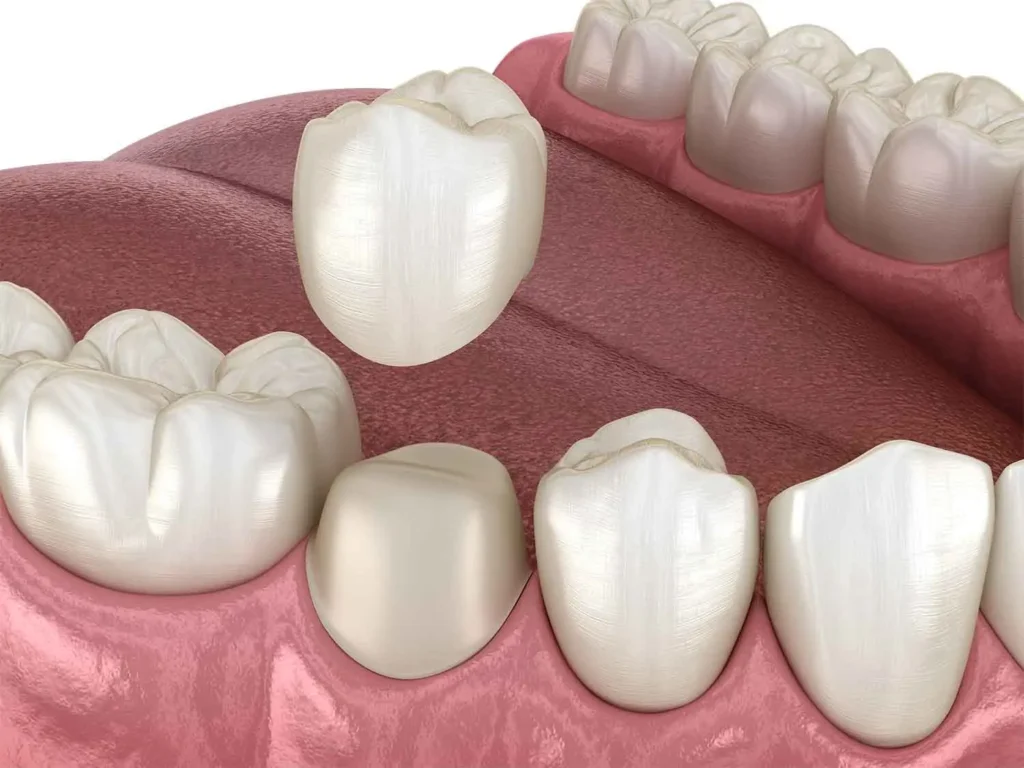
The process of Dental Crown Repair typically follows a systematic diagnostic and restorative sequence. While exact steps may vary depending on the type of damage, most procedures include several common phases.
1. Clinical Examination
The first stage involves a comprehensive evaluation. Dentists assess crown stability, surrounding gum health, and the condition of the underlying tooth. Dental imaging may be used to identify hidden issues.
2. Crown Removal (If Necessary)
In cases where the crown has loosened or internal damage is suspected, the dentist may carefully remove the crown. This allows for proper cleaning and evaluation before proceeding with Dental Crown Repair.
3. Surface Restoration
For chipped porcelain crowns, dentists sometimes use composite resin materials to restore the damaged portion. This approach can repair aesthetics and structure without replacing the crown entirely.
4. Re-Cementation
If the crown is structurally sound but detached, the dentist may simply clean and re-cement it. Re-bonding is one of the most straightforward forms of Dental Crown Repair.
5. Bite Adjustment
Finally, the dentist checks bite alignment. Adjustments ensure that the repaired crown does not experience excessive pressure during chewing.
These steps collectively aim to restore both comfort and function while maintaining the integrity of the original restoration.
Materials Used in Dental Crown Repair
Different crown materials require different repair strategies. Dentists select restorative techniques based on crown composition, damage severity, and the location of the tooth.
Porcelain crowns are commonly repaired with dental composite materials that bond chemically to ceramic surfaces. This approach may restore both strength and appearance when performing Dental Crown Repair.
Zirconia crowns, known for their exceptional durability, may require specialized bonding systems. Surface treatments such as sandblasting or ceramic primers can improve adhesion during repairs.
Metal crowns or porcelain fused to metal crowns present unique considerations. Repairs may involve metal polishing, resin bonding, or structural reinforcement.
Common crown materials include:
- Porcelain or ceramic
- Zirconia
- Porcelain fused to metal (PFM)
- Gold alloys
- Composite resin crowns
Each material interacts differently with repair agents. As a result, dentists evaluate the crown type before determining the most effective Dental Crown Repair method.
Dental Crown Repair vs Crown Replacement
Patients frequently wonder whether repairing a crown is better than replacing it entirely. The answer often depends on structural integrity and long-term prognosis.
In many cases, Dental Crown Repair may be considered when damage is limited to small chips, adhesive failure, or minor cracks. Repairs are generally less invasive and require fewer clinical steps.
However, full crown replacement may be considered when:
- The crown has large fractures
- The underlying tooth has significant decay
- The crown no longer fits properly
- Structural stability is compromised
The following comparison illustrates the differences:
| Factor | Dental Crown Repair | Crown Replacement |
| Procedure time | Usually shorter | Often requires multiple visits |
| Tooth modification | Minimal | Additional preparation needed |
| Cost | Typically lower | Higher laboratory costs |
| Longevity | Depends on damage severity | Often longer-term |
Dentists evaluate multiple clinical variables before recommending Dental Crown Repair or replacement.
Dental Crown Repair Cost Factors
The cost of Dental Crown Repair can vary widely depending on several factors. Unlike crown replacement, repair costs are often influenced by the complexity of the restoration process.
Key factors affecting cost may include:
- Extent of crown damage
- Type of crown material
- Need for diagnostic imaging
- Laboratory involvement
- Geographic location of the clinic
For example, repairing a chipped porcelain crown with composite resin may require less time and equipment compared to repairing a zirconia crown that needs specialized bonding procedures.
Another element influencing Dental Crown Repair costs is whether the underlying tooth requires additional treatment. If decay or structural damage is present beneath the crown, additional restorative work may be necessary.
While exact prices differ between clinics and countries, crown repair procedures are generally less expensive than full crown replacements due to reduced laboratory involvement.
How Long Do Crown Repairs Typically Last?
The longevity of Dental Crown Repair depends on multiple clinical factors. Crown materials, oral habits, bite force, and oral hygiene practices all influence how long the repair remains stable.
Small repairs, such as composite bonding on porcelain crowns, may last several years if the repaired area is not exposed to excessive stress. Re-cemented crowns may also function for extended periods when the underlying tooth remains healthy.
Factors influencing repair durability include:
- Bite alignment
- Crown material type
- Oral hygiene routines
- Presence of grinding habits
- Gum health
Dentists often monitor repaired crowns during routine dental visits. In some cases, Dental Crown Repair may serve as a temporary or intermediate solution before eventual crown replacement.
However, many repaired crowns continue to function effectively for long periods when conditions remain favorable.
Dental crowns play a crucial role in modern restorative dentistry by protecting weakened teeth and restoring natural aesthetics. Despite their durability, crowns can experience damage due to mechanical stress, adhesive failure, trauma, or natural wear.
Dental Crown Repair offers a practical solution for restoring crown function without immediately replacing the entire restoration. Through careful evaluation, dentists may repair chips, re-cement loosened crowns, or reinforce existing restorations using advanced dental materials.
Understanding the causes of crown damage, the procedure steps, and the factors influencing cost helps patients better understand the restorative options available. In many situations, Dental Crown Repair allows dentists to preserve existing dental work while maintaining both functionality and aesthetics.
As dental materials and techniques continue evolving, crown repair procedures are becoming increasingly precise and conservative, helping preserve natural tooth structures while maintaining long-term oral health.

 |
|