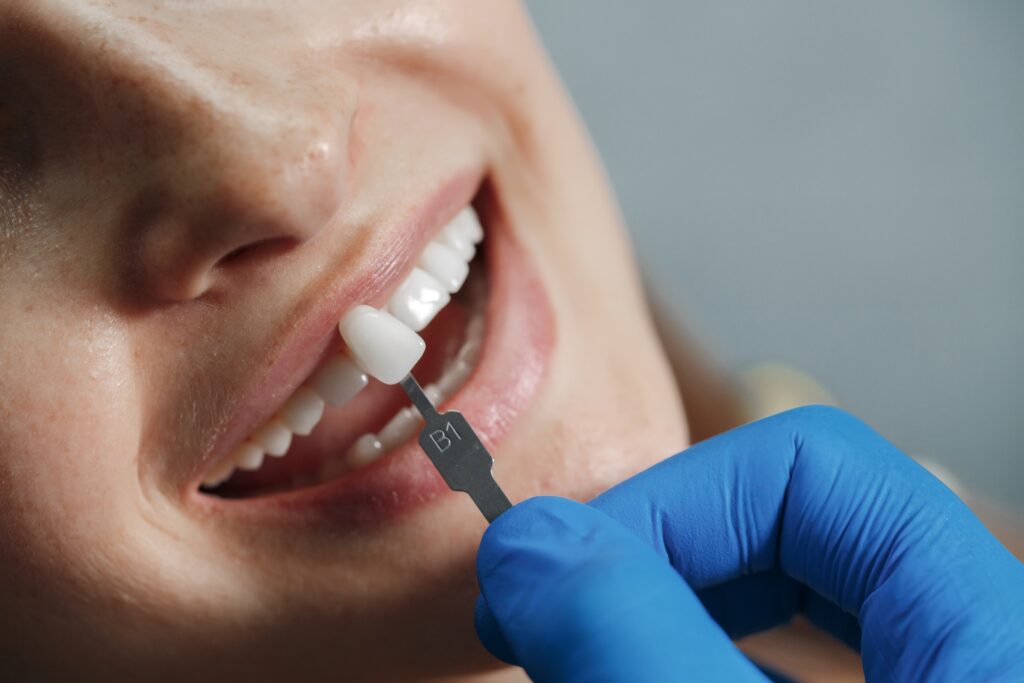
WellDemir offers access to high-quality dental veneers in Turkey through its trusted network of licensed clinics. Dental veneers are ultra-thin, custom-designed shells that enhance the appearance of teeth by correcting discoloration, gaps, chips, and minor misalignments. This minimally invasive cosmetic treatment results in a bright, natural-looking smile that lasts for years.
These procedures are carried out by experienced professionals using advanced materials and digital planning technologies. As a medical tourism facilitator, WellDemir ensures your treatment is handled with precision coordinating every step from consultation to completion, including travel, accommodation, and follow-up support.
WellDemir connects you with trusted clinics in Turkey offering advanced dental veneers designed to improve your smile with precision and aesthetics. Whether you’re correcting discoloration, gaps, or minor imperfections, this non-invasive solution helps you achieve a brighter, natural-looking smile without undergoing major procedures.
Connect with top clinics for precise implant solutions.
From flights to follow ups, we carefully coordinate it all.
Treatments performed in trusted medical facilities.
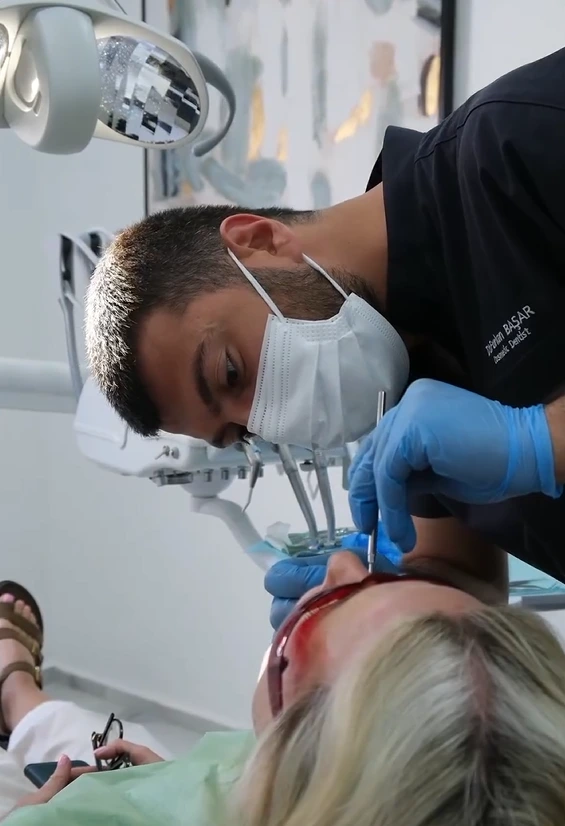
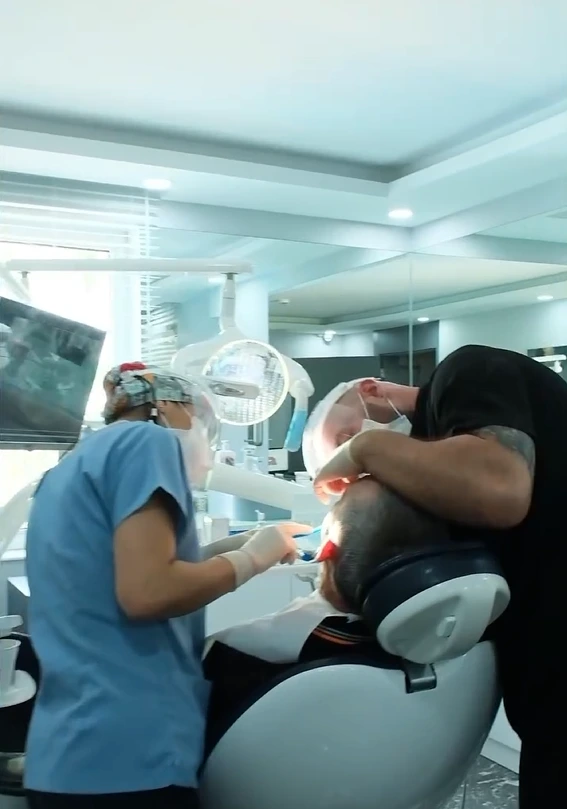
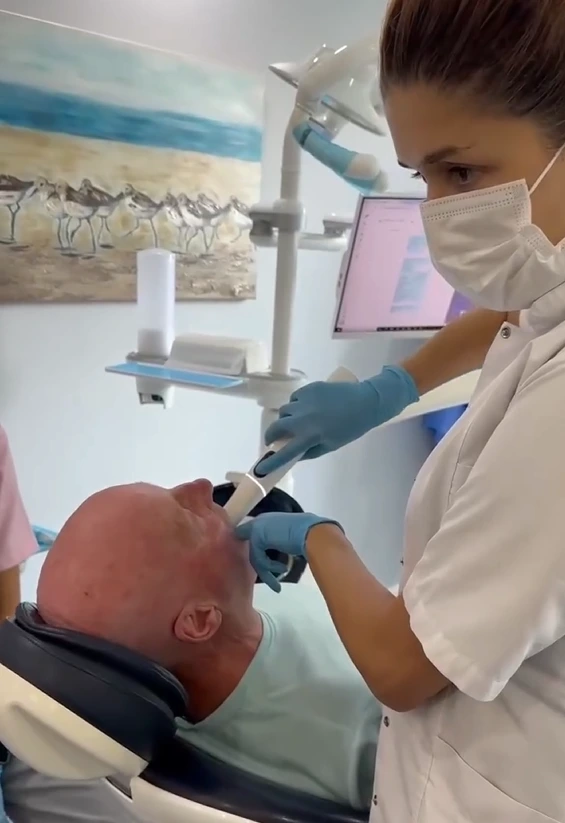
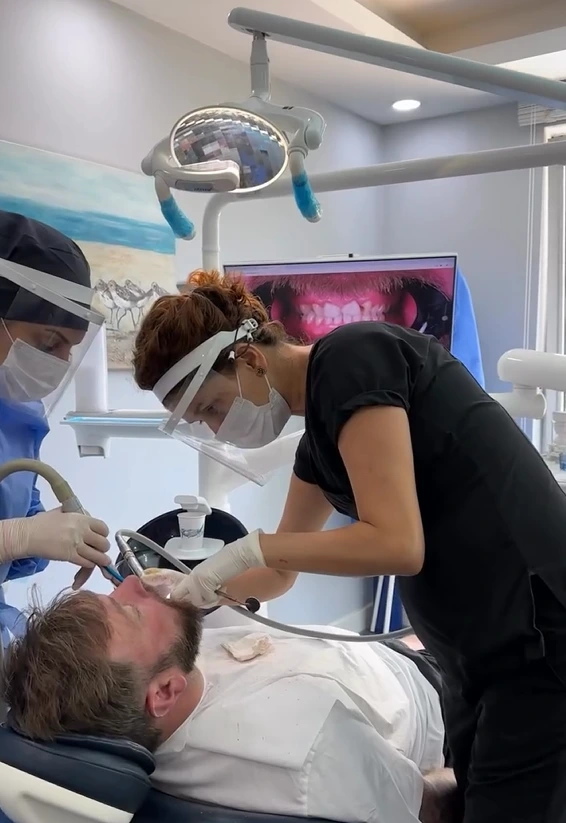
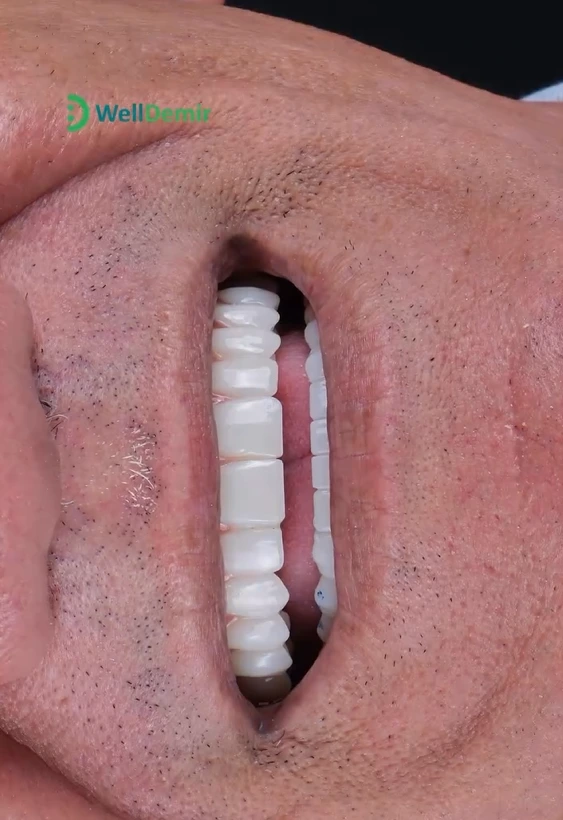
Enhance your smile safely with custom-designed dental veneers, available through WellDemir’s trusted partner clinics in Turkey. Veneers help correct discoloration, cracks, and uneven shapes restoring harmony and brightness without invasive procedures. Each treatment is carefully planned by licensed professionals to align with your facial features and aesthetic goals. Your treatment journey is structured with attention to every detail and may include added protection such as complication insurance to ensure maximum peace of mind.
Our advanced dental veneer solutions are crafted to enhance your smile with precision and care. By addressing stains, chips, and uneven shapes, veneers offer a radiant, symmetrical look without the need for invasive procedures. Through WellDemir’s partner clinics, experienced specialists use the latest techniques to deliver long-lasting, natural results tailored to your smile goals.
We connect you with expert dental teams for digital scans and treatment planning tailored to your oral health needs.
WellDemir arranges your travel, accommodation, and appointments ensuring a smooth and stress-free dental journey in Turkey.
Post-treatment care is supported with follow-up check-ins and continuous guidance even after you return home.
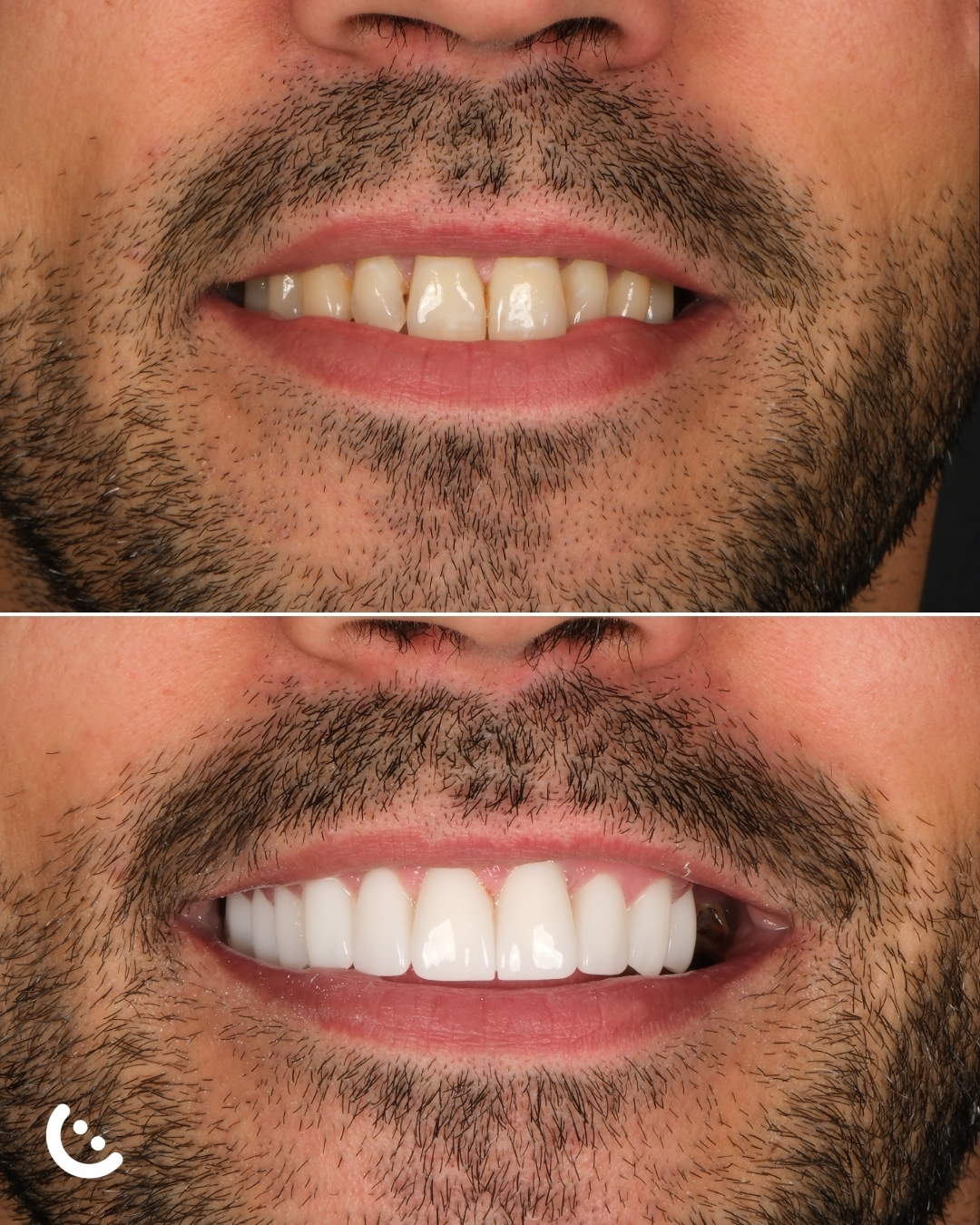
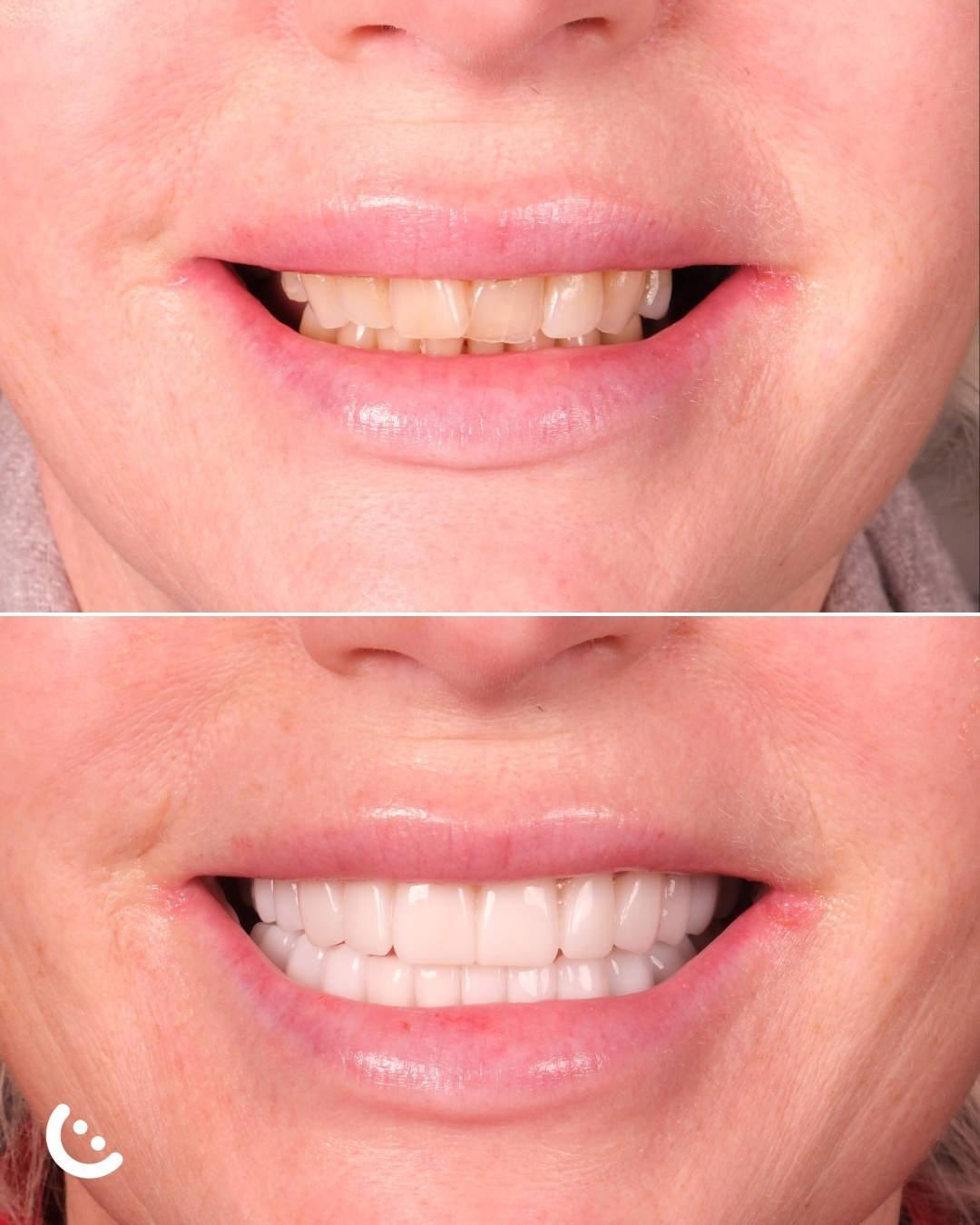
With any surgical or interventional procedure, results may vary from person to person. It is recommended that you seek detailed advice from your physician before proceeding.
A laminate veneer is an ultra thin porcelain shell that is even more conservative than traditional veneers. These restorations require minimal enamel reduction and are designed to achieve a natural, translucent appearance that closely resembles real tooth enamel. Because of their delicate structure, laminate veneers are especially suitable for patients who want subtle cosmetic enhancement without aggressive preparation.
Laminate veneers are favored in aesthetic dentistry due to their light transmission and ability to create smooth, life like reflections. For mild discoloration, slight shape correction and aesthetic refinements, they offer an excellent balance between beauty and preservation of healthy tooth tissues.
A tooth veneer is a thin custom made porcelain or composite shell placed on the front surface of a tooth to enhance its appearance. This cosmetic solution is widely preferred by patients who want a brighter, more balanced and more symmetrical smile without undergoing invasive dental procedures. Since veneers require minimal reshaping of the natural tooth, the structural integrity of the enamel is largely preserved while achieving impressive aesthetic improvement.
Veneers are frequently used for discoloration, small gaps, mild alignment issues, worn edges, micro fractures and irregular shapes. Their ability to mimic natural enamel, reflect light realistically and blend seamlessly with surrounding teeth makes them one of the most effective tools in modern smile design. When a veneer is bonded correctly, it becomes a stable part of the tooth structure and functions comfortably during daily activities like speaking and chewing.
Laminate veneers are made of thin porcelain layers with high translucency. They prioritize minimal preparation and natural appearance. Emax veneers, on the other hand, are crafted from lithium disilicate glass ceramic, a material known for its exceptional durability and fracture resistance.
Laminate veneers offer superior light reflection and are perfect for patients who desire a delicate, highly natural finish. Emax veneers still look very natural but provide more opacity when needed, especially for cases with discoloration.
Laminate veneers require very little enamel removal. Emax veneers need slightly more reduction to accommodate their structure but still remain conservative compared to crowns.
Laminate veneers are ideal for minor cosmetic updates.
Emax veneers are preferred for slightly stronger bite forces or when color masking is necessary.
Laminate veneers are better for patients who want minimal tooth removal and the most natural possible result. They are excellent for smile design cases focusing on light corrections, subtle symmetry improvement and refined aesthetic detailing. However they may not be suitable for teeth with severe staining, large defects or heavy functional load. In those situations Emax veneers or full coverage restorations are often recommended.
The better choice depends on individual dental needs. Laminate veneers are the most conservative and visually delicate option. Traditional veneers are better for patients who need stronger structural support or enhanced masking of deeper discolorations. Dentists evaluate factors like bite dynamics, enamel thickness, alignment problems and long term goals before choosing the right veneer type.
Distinguishing between laminate veneers and traditional veneers depends on their thickness, translucency and preparation depth. Laminates are ultra thin, allowing more light to pass through, which gives them a glass like natural appearance. They involve minimal trimming of enamel. Traditional veneers are slightly thicker and more opaque, designed to mask imperfections and provide additional reinforcement. Dentists can identify the type by examining reflection patterns, margin design and material density during dental evaluation.
Yes. Dentists can safely remove laminate veneers using fine diamond burs, polishing techniques and specialized instruments that gently lift the porcelain from the tooth surface. Since laminates are thin and bonded with strong adhesives, removal requires precision but is usually painless. Veneers are typically removed when they reach the end of their lifespan or when a patient decides to switch to a different cosmetic option.
Dental veneers last about ten to fifteen years with proper care. High quality porcelain, skilled bonding and regular hygiene play key roles in their longevity. Patients who avoid biting hard items and maintain consistent dental checkups usually experience longer lasting results. Bruxism, lack of hygiene and trauma can shorten the lifespan, making protective habits essential.
Laminate veneers typically last eight to twelve years due to their thinner structure. Although delicate in comparison to Emax or full veneers, they provide excellent longevity when patients follow good oral hygiene practices. Using a night guard for grinding and avoiding excessive pressure helps protect their fragile edges.
Veneers support tooth aesthetics and can strengthen small structural defects when applied correctly. They help create uniform color, close gaps and refine shape. Because they require minimal enamel removal, they preserve a large portion of natural tooth structure. Patients who maintain good hygiene and avoid harmful habits can keep veneers and natural teeth healthy for many years.
The natural teeth remain beneath the veneer in a stable and functional form. A thin layer of enamel is shaped to allow the veneer to sit flush with the gumline. Once bonded, the veneer protects the tooth surface from staining and minor wear. As long as oral hygiene is strong and the bonding remains intact, the underlying teeth stay healthy.
Teeth can develop problems under veneers if hygiene is neglected or if decay forms around the margins. Poor bonding, gum disease or bacterial accumulation can create issues. Regular brushing, flossing and dental visits prevent most complications. When veneers are properly cared for, the natural teeth underneath stay in good condition.
Your teeth continue functioning normally underneath the porcelain. They are protected from daily wear and staining thanks to the bonded surface. The key to keeping them healthy is maintaining clean margins and ensuring gum health. When gums remain stable and plaque is controlled, the teeth under veneers remain strong.
The main drawbacks include the irreversible removal of enamel, temporary sensitivity and the need for eventual replacement. Veneers may chip or crack under excessive pressure, and they are generally more costly compared to bonding or whitening. They do not correct major bite issues and are not recommended for individuals with severely compromised enamel.
Dentists may recommend avoiding veneers when enamel is weak, gum disease is active or when a patient grinds heavily. In such cases veneers may not bond well or may fracture early. Unrealistic expectations can also be a concern because veneers cannot correct every structural or bite related problem. For some patients orthodontics or composite bonding provides a safer and more predictable outcome.
Most patients find veneer treatment comfortable because local anesthesia prevents discomfort during enamel shaping. Mild sensitivity may appear for a few days after the procedure, especially to temperature changes. This typically improves quickly as the tooth adapts to the new restoration.
Yes. Veneers allow patients to eat normally after the initial adjustment period. Everyday foods are safe, but it is best to avoid chewing on extremely hard items such as ice, uncut nuts or tough candies. Mindful eating protects the porcelain surface and helps prevent small fractures along the edges.
Biting into an apple is possible, particularly when the veneers are made from strong porcelain and the bite is properly balanced. However many dentists suggest slicing hard fruits to minimize stress on the veneer margins. This precaution is especially useful for laminate veneers that have delicate edges.
After ten years veneers usually maintain their overall aesthetic, but some subtle changes can appear. Light edge wear, a mild reduction in shine or small openings near the gumline may develop as tissues naturally shift. With consistent care many veneers still look bright and harmonious even after a decade.
Around the ten year mark some patients notice slight discoloration at the veneer margins or minor chipping depending on bite pressure. Dentists assess whether a simple polish can refresh the surface or if replacement is required. Regular evaluations help preserve the stability and beauty of the veneers during this stage.
After twenty years most veneers reach the end of their functional lifespan. Materials gradually wear and bonding weakens due to long term exposure to bite forces and oral fluids. Teeth and gums also change shape over time. Replacing old veneers with new porcelain provides better color harmony, improved fit and maintained function.
On average veneers last ten to fifteen years. High strength porcelain, precise bonding and excellent oral hygiene can extend this period. Patients who grind their teeth without protection or bite down on hard objects may shorten the lifespan. Consistent dental maintenance is the key to longevity.
Veneer prices vary significantly based on material choice, clinic location and dentist expertise. Costs range from a few hundred to several thousand dollars per tooth. Premium materials such as Emax, digital smile design and high end laboratory work increase overall pricing. The complexity of the case also affects final cost.
Countries with lower operational expenses and strong dental tourism often offer more affordable veneer treatments. Patients choose these destinations to receive high quality porcelain restorations at competitive prices. Popular locations combine experienced cosmetic dentists with modern technology and reasonable treatment fees.
Yes. Veneers in Turkey are considered safe when performed by licensed cosmetic dentists who use certified materials and digital planning. Reputable clinics follow strict sterilization protocols and collaborate with skilled dental technicians. As with any cosmetic procedure patients should research credentials and choose clinics with proven experience.
Dental veneers are thin porcelain or composite shells applied to the front surface of teeth to improve their shape, color, and alignment. They offer a minimally invasive way to enhance your smile with natural-looking results.
No. WellDemir is a medical tourism agency, not a healthcare provider. We connect you with licensed partner clinics in Turkey, where experienced dental professionals perform the veneer treatments.
Turkey is known for its high-quality dental care, affordable pricing, and internationally accredited clinics. WellDemir ensures a smooth, fully coordinated experience in trusted facilities with expert care.
Most veneer procedures require two visits over 4 to 7 days. WellDemir arranges your appointments, travel, and accommodation for a seamless experience from start to finish.
Yes. WellDemir remains in contact with you even after you return, offering follow-up coordination with the clinic if needed and guidance for post-treatment care.
Dental veneers are thin, custom-made shells that are bonded to the front surface of the teeth to improve appearance, color, shape, and alignment. They are commonly used to treat discoloration, minor gaps, and surface damage. At WellDemir, veneer treatment is planned after detailed dental examination and digital measurements to ensure a natural and long-lasting result.
The lifespan of dental veneers depends on the material used and oral hygiene habits. With proper care, porcelain veneers can last 10 to 15 years or longer. Regular dental check-ups and good oral hygiene help maintain veneer durability and appearance
Turkey is one of the most preferred destinations for dental veneer treatment because of the combination of affordable pricing, advanced dental technology, and experienced dentists. Patients can receive high-quality aesthetic dental care at lower costs compared to many European countries while maintaining international treatment standards.
As WellDemir, we connect you with licensed clinics and top medical professionals across Turkey.

 | Sağlık Turizmi Reklam Ajansı | © 2025 WellDemir