

Eyelid Surgery has become one of the most discussed facial procedures in modern aesthetic medicine, not because it promises dramatic transformation, but because it subtly restores what time gradually softens. The eyes are often the first feature people notice, and also the first to reflect fatigue, stress, and aging. When upper lids begin to droop or under eye bags create shadowed hollows, even a well rested person may appear tired. This is where Eyelid Surgery offers a thoughtful solution grounded in anatomy, surgical precision, and aesthetic balance.
Blepharoplasty, commonly known as eyelid surgery, focuses on reshaping the delicate tissues around the eyes. Rather than altering identity, it aims to reveal a fresher expression. In this in depth guide, we explore how Eyelid Surgery works, what makes it scientifically compelling, and why it continues to attract attention worldwide.
Table of Contents
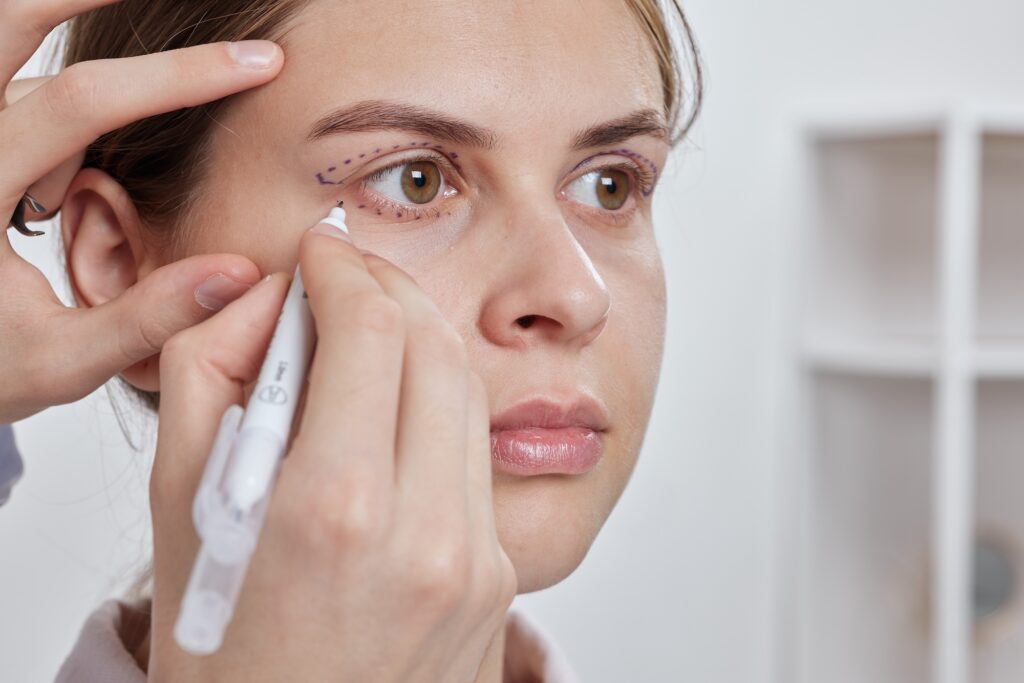
Understanding Eyelid Surgery and the Science Behind It
The eyelid is a complex anatomical structure composed of thin skin, muscle fibers, connective tissue, and fat pads. Over time, collagen production slows, elasticity decreases, and gravitational forces contribute to sagging. Eyelid Surgery addresses these structural changes by carefully repositioning or removing excess skin and fat.
Get Free Consultation
Have any questions? Leave your details and we'll get back to you shortly.
Research in facial aging demonstrates that periorbital changes often precede other visible signs of aging. Subtle alterations in eyelid contour can significantly influence perceived age and vitality. This explains why Eyelid Surgery tends to produce noticeable yet natural looking results.
Upper blepharoplasty primarily targets drooping upper lids that may create hooding. Lower blepharoplasty focuses on under eye puffiness and shadowing. In some cases, both procedures are combined to harmonize the eye region. Each approach is customized according to individual anatomy rather than a one size fits all method.
How Eyelid Surgery Refreshes Tired Looking Eyes
Many people describe their concern as looking exhausted even when they feel energetic. This perception often stems from loose upper eyelid skin or protruding fat beneath the eyes. By refining these areas, Eyelid Surgery can reduce heaviness and improve light reflection around the eyes.
From a visual psychology perspective, the human brain interprets open eyes as alert and youthful. When the upper lid droops, it narrows the visible eye area. Eyelid Surgery gently restores this openness, allowing the natural eye shape to reemerge.
Another important factor is shadow formation. Under eye bags cast subtle shadows that exaggerate dark circles. By smoothing the lower eyelid contour, eyelid surgery minimizes these shadow effects. The result is not a different face, but a brighter and more rested expression.
Functional Advantages of Eyelid Surgery Beyond Aesthetics
Although many seek Eyelid Surgery for cosmetic reasons, the procedure can also offer functional improvements. In some individuals, excess upper eyelid skin may interfere with peripheral vision. Lifting this tissue can enhance the visual field.
Clinical observations suggest that improved eyelid positioning may reduce strain in certain cases. When the upper lids feel heavy, people may unconsciously raise their eyebrows to compensate. Over time, this can contribute to forehead tension. By addressing the root anatomical cause, Eyelid Surgery may indirectly reduce that effort.
It is important to note that outcomes vary based on anatomy, age, and surgical technique. The goal is always structural balance rather than dramatic change.
Who May Consider Eyelid Surgery?
Candidates for Eyelid Surgery typically share one or more of the following characteristics:
- Noticeable upper eyelid sagging
- Under eye puffiness or fat protrusion
- A constant tired appearance
- Asymmetry in eyelid contour
- Skin redundancy around the eyes
Age is not the only determining factor. While eyelid surgery is often associated with aging, genetics also play a role. Some individuals develop under eye bags in their thirties due to inherited fat distribution.
A thoughtful evaluation considers skin elasticity, bone structure, muscle tone, and overall facial proportions. Eyelid Surgery works best when performed with an understanding of how the eyelids interact with the brows, cheeks, and forehead.
Comparing Upper and Lower Eyelid Surgery
To better understand the procedure, the table below outlines key distinctions:
| Feature | Upper Eyelid Surgery | Lower Eyelid Surgery |
| Primary Focus | Drooping skin | Under eye bags |
| Common Concern | Hooded appearance | Puffiness and shadows |
| Incision Location | Natural eyelid crease | Just below lashes or inside lid |
| Visual Impact | More open eye shape | Smoother lower contour |
Both variations of Eyelid Surgery rely on precise incisions placed in discreet locations. This strategic placement supports natural healing patterns and helps scars blend into existing folds.
Lower eyelid surgery sometimes uses a transconjunctival technique, where incisions are made inside the eyelid. This approach may be selected when skin removal is minimal and fat repositioning is the primary goal.
The Psychological and Social Impact of Eyelid Surgery
The eyes are central to nonverbal communication. Studies in social perception show that people often associate bright, open eyes with attentiveness and positivity. When eyelids appear heavy, others may unintentionally interpret this as fatigue or disinterest.
Eyelid Surgery can subtly shift this perception. Patients frequently report that friends comment on how refreshed they look, without immediately identifying the procedure. This understated transformation is one of the defining characteristics of Eyelid Surgery.
Confidence is another dimension worth considering. While cosmetic procedures are personal decisions, feeling comfortable with one’s appearance can influence professional and social interactions. The change is often described as aligning outer appearance with inner vitality.
Recovery and What to Expect After Eyelid Surgery
Recovery from Eyelid Surgery typically involves a short initial healing period. Mild swelling and bruising are common in the early days. Because eyelid skin is thin and well vascularized, it tends to heal efficiently.
Most visible swelling gradually decreases within a few weeks. Final results continue to refine as tissues settle. During this period, subtle improvements become more noticeable.
It is essential to maintain realistic expectations. Eyelid Surgery does not stop the aging process. Instead, it repositions tissues to create a refreshed baseline. Long term outcomes depend on genetics, lifestyle, and overall skin health.
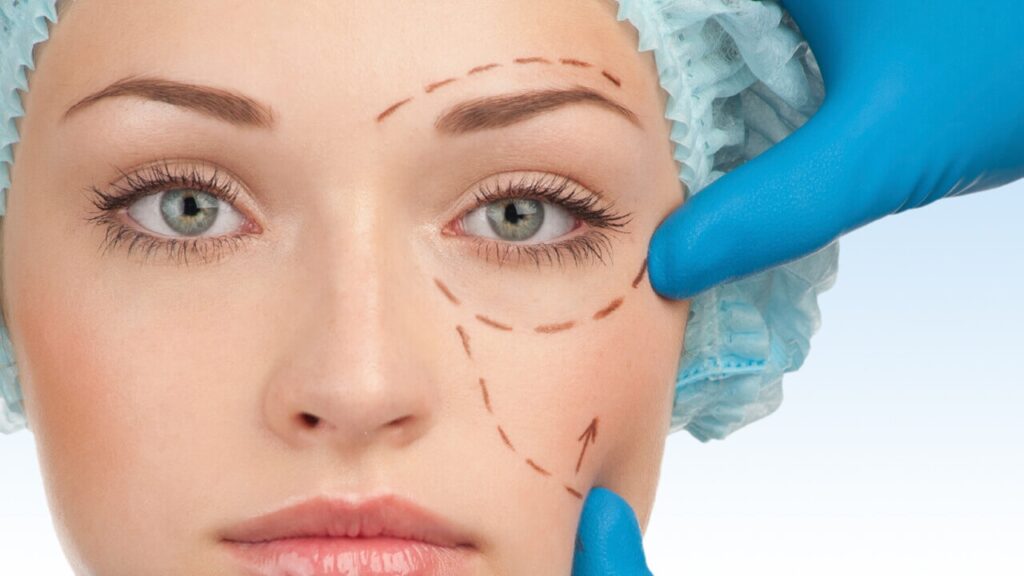
The Art and Precision Behind Eyelid Surgery
Performing Eyelid Surgery requires a balance between science and artistry. Removing too much tissue can lead to an unnatural appearance, while removing too little may not achieve the desired refinement. Surgeons rely on detailed anatomical knowledge and aesthetic judgment.
Advanced techniques emphasize tissue preservation and repositioning rather than aggressive removal. This modern approach aligns with contemporary facial aesthetics, which prioritize natural expression. Eyelid Surgery today is less about dramatic lifting and more about restoring structural harmony.
Technological innovations, including improved surgical instruments and refined suturing methods, have enhanced precision. As a result, outcomes are often more predictable and tailored to individual facial features.
A Subtle Yet Transformative Approach
Eyelid Surgery stands out because it focuses on one of the most expressive regions of the face. By addressing excess skin, fat redistribution, and structural imbalance, it can reduce the appearance of fatigue and reveal a more vibrant look.
The appeal of Eyelid Surgery lies in its subtlety. Rather than reshaping identity, it refines existing features. When thoughtfully planned and carefully executed, eyelid surgery can create results that feel authentic and proportionate.
For individuals exploring options to refresh tired looking eyes, understanding the anatomical, psychological, and aesthetic aspects of Eyelid Surgery provides clarity. Knowledge empowers confident decisions, and informed choices are always the foundation of meaningful change.

 |
|