
Dental pain that returns after a Root Canal Treatment can feel confusing and discouraging. Many patients assume that once a tooth has undergone Root Canal Treatment, the problem is permanently solved. Yet biology is rarely absolute. Teeth are living structures surrounded by complex tissues, microscopic canals, and bacterial ecosystems. Occasionally, a Root Canal Treatment may not heal as expected, or symptoms may reappear months or even years later.
Table of Contents
What Is a Root Canal Treatment and Why Is It Performed?
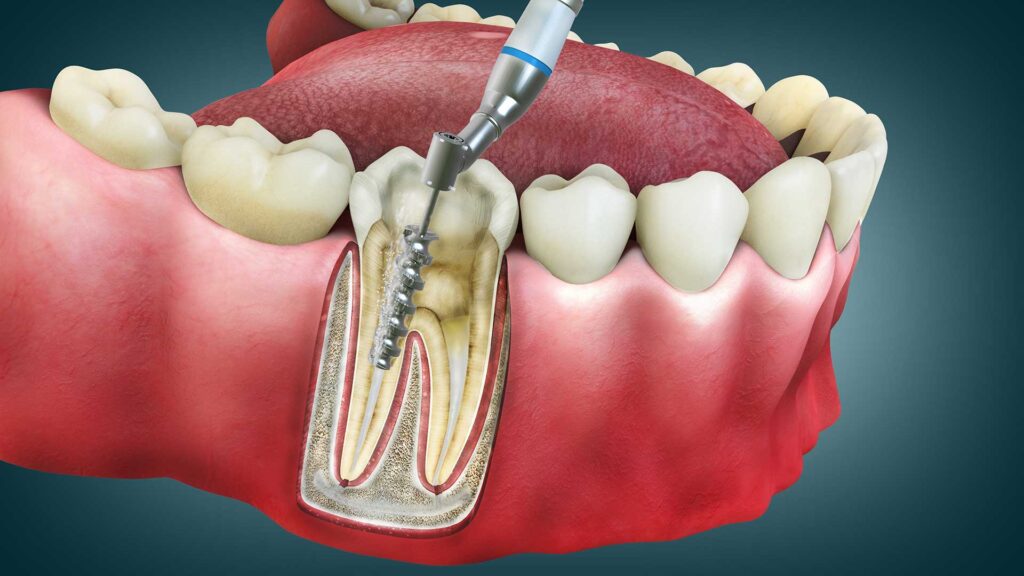
A Root Canal Treatment is a dental procedure designed to remove infected or inflamed pulp tissue from inside a tooth. The pulp contains nerves and blood vessels, and when bacteria invade this area due to deep decay, trauma, or cracks, pain and swelling can occur.
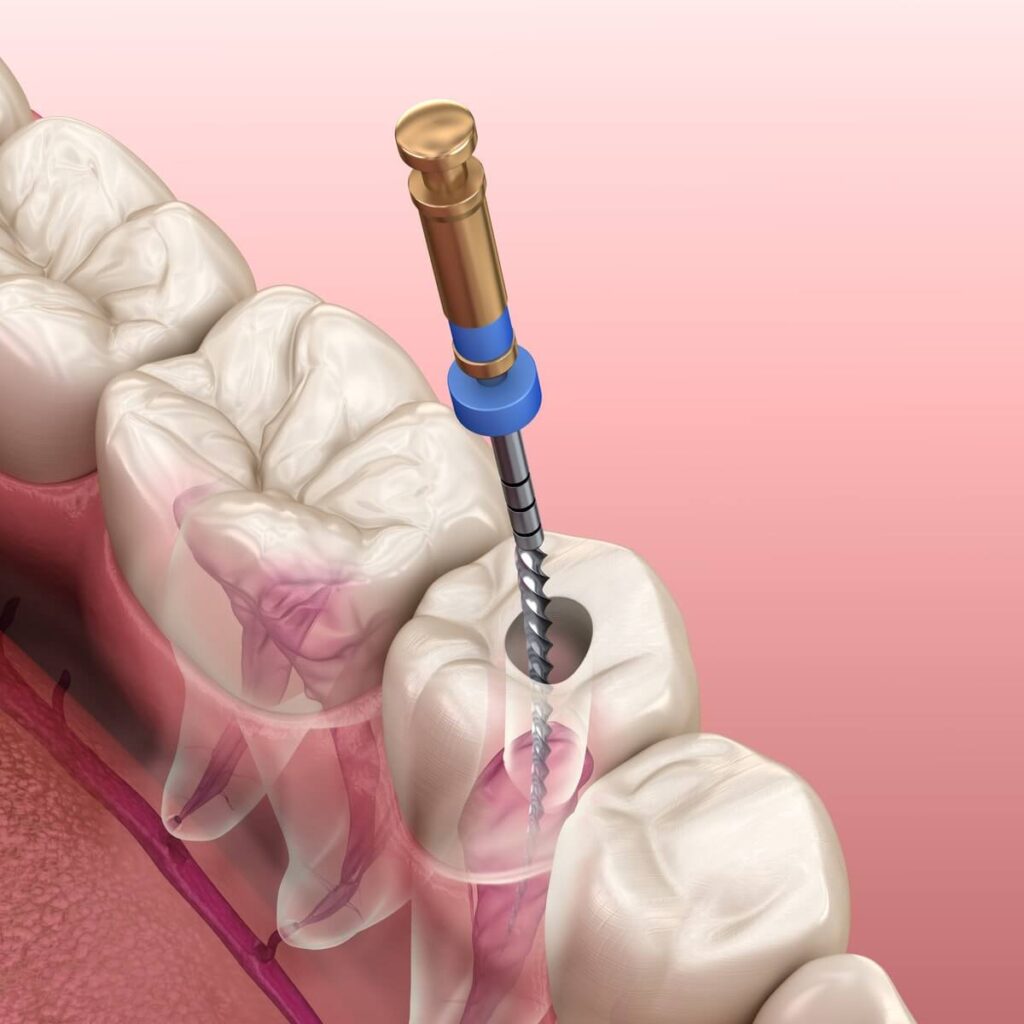
During a typical Root Canal Treatment, the dentist cleans the canals, disinfects them, and fills the space with a sealing material. The aim is to eliminate bacteria and protect the tooth structure. When successful, the treated tooth can function for many years, sometimes for a lifetime.
Get Free Consultation
Have any questions? Leave your details and we'll get back to you shortly.
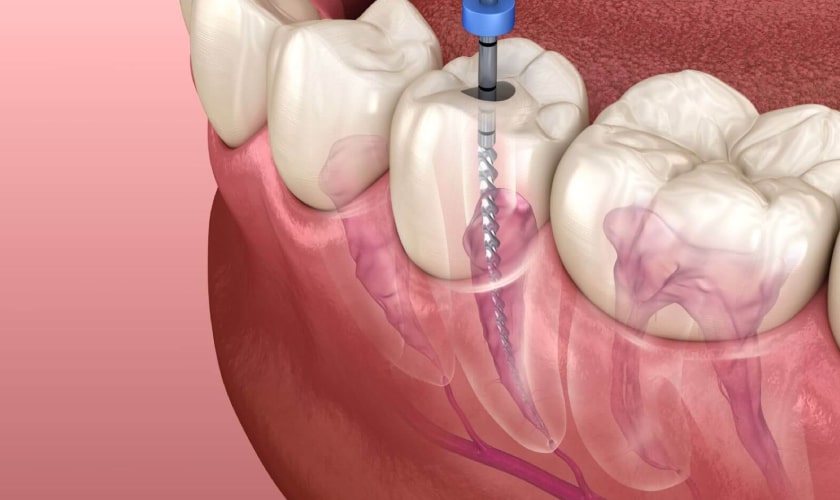
However, root anatomy is complex. Some teeth contain hidden accessory canals or curved pathways that are difficult to clean completely. Even with modern tools and imaging, no procedure is perfectly predictable. This complexity explains why a Root Canal Treatment occasionally requires monitoring over time.
How Does a Root Canal Treatment Sometimes Fail?
Failure does not necessarily mean an error occurred. Dentistry often deals with biological variability rather than mechanical certainty. A Root Canal Treatment may not achieve full healing for several reasons.
First, bacteria may remain in microscopic branches that instruments cannot reach. These residual microbes can slowly multiply and trigger reinfection. Second, the filling or crown may lose its seal over time, allowing saliva and bacteria to enter again.
Structural issues also play a role. Undetected fractures, new cavities, or heavy bite pressure can compromise the treated tooth. In rare cases, the immune response of the surrounding tissue may be slow or incomplete, preventing full recovery after Root Canal Treatment.
Clinical Signs That a Root Canal Treatment Might Be Failing
Recognizing symptoms early can help patients seek evaluation promptly. Although some people feel nothing at all, others notice subtle changes.
Common observations include:
- Persistent or returning tooth pain
- Sensitivity to pressure or chewing
- Gum swelling near the treated tooth
- A small pimple-like bump on the gum
- Unpleasant taste or drainage
- Darkening of the tooth color
These signs may appear gradually rather than suddenly. For instance, mild discomfort when biting may develop months after a Root Canal Treatment, suggesting that inflammation still exists around the root.
Radiographic examinations are equally important. Dentists often use X-rays or 3D imaging to detect bone loss or shadows around the root tip. These findings sometimes reveal issues even before symptoms occur, demonstrating why follow-up after Root Canal Treatment remains valuable.
Biological and Mechanical Causes Behind Root Canal Treatment Complications
To understand consequences, it helps to examine causes in two categories: biological and mechanical.
Biological factors
Bacteria are the primary challenge. The inner structure of a tooth resembles a network of tunnels rather than a straight pipe. If microorganisms survive the Root Canal Treatment, they may form biofilms that resist disinfectants. Over time, these colonies irritate the surrounding bone and soft tissue.
Mechanical factors
Technical issues can also contribute. Examples include incomplete sealing, missed canals, or restorative problems such as a loose crown. Even everyday habits like grinding or clenching may stress the tooth, weakening the seal established after Root Canal Treatment.
Both categories interact. A tiny mechanical gap can allow bacteria to enter, turning a small structural issue into a biological one. This interconnected process explains why dental professionals approach Root Canal Treatment outcomes with long term observation rather than immediate assumptions.
Possible Consequences When a Root Canal Treatment Does Not Heal Properly
When a Root Canal Treatment does not resolve infection completely, the consequences can vary in intensity. Some cases remain mild, while others become more uncomfortable.
The most common result is chronic inflammation around the root tip. This may lead to a small lesion in the jawbone known as a periapical area. Many people experience only slight pressure or tenderness rather than severe pain.
In more advanced scenarios, swelling or abscess formation may occur. The body attempts to isolate bacteria, creating localized fluid accumulation. Although dramatic descriptions are common online, most issues related to Root Canal Treatment evolve slowly and are manageable with professional evaluation.
Below is a simplified overview:
| Situation | Possible Effect | Observation |
| Minor reinfection | Mild discomfort | Occasional sensitivity |
| Chronic inflammation | Bone changes | Seen on X-ray |
| Acute flare-up | Swelling | Gum tenderness |
| Structural weakness | Tooth fracture | Chewing difficulty |
Each outcome depends on many variables, including oral hygiene, restoration quality, and individual healing capacity after Root Canal Treatment.
How Dentists Evaluate a Suspected Root Canal Treatment Failure
Assessment is usually systematic rather than rushed. Dentists gather both subjective and objective information.
They begin by listening to the patient’s experience. When did the discomfort start? Is it constant or only during chewing? This narrative provides clues about whether the issue relates to the original Root Canal Treatment or another factor like the surrounding gum.
Next comes clinical testing. Gentle tapping, bite analysis, and thermal tests help determine tissue response. Imaging methods, especially digital X-rays or cone beam scans, visualize hidden structures. These tools allow practitioners to compare current findings with the original state after Root Canal Treatment.
Importantly, not every shadow on an image indicates failure. Healing bone can look similar to infection. For this reason, diagnosis often involves careful interpretation rather than immediate intervention.
Long Term Outlook After a Root Canal Treatment and Preventive Considerations
Even though discussions of failure may sound concerning, success rates for Root Canal Treatment remain high overall. Many treated teeth function normally for decades. Awareness simply helps people respond thoughtfully if symptoms arise.
Maintaining a stable restoration is essential. A well fitting crown protects the tooth from fractures and bacterial leakage. Consistent oral hygiene also limits new decay that could compromise a previous Root Canal Treatment.
Regular dental visits provide an additional safety net. Routine imaging and examination allow professionals to detect subtle changes before they become problematic. Think of Root Canal Treatment not as a one time event but as part of a long term care plan for that tooth.
A Root Canal Treatment is designed to save a natural tooth and often succeeds remarkably well. Still, the mouth is a living system influenced by bacteria, mechanics, and individual biology. Occasionally, symptoms or radiographic findings suggest that healing was incomplete.
Understanding the signs, causes, and possible outcomes empowers patients to make informed decisions without unnecessary anxiety. Rather than viewing a problematic Root Canal Treatment as a failure, it may be more accurate to see it as a signal for further evaluation. With thoughtful monitoring and professional guidance, most situations can be clarified and managed effectively.
Prepared for WellDemir, this article aims to provide balanced, science based insight while keeping the topic accessible and engaging for every reader.

 |
|