
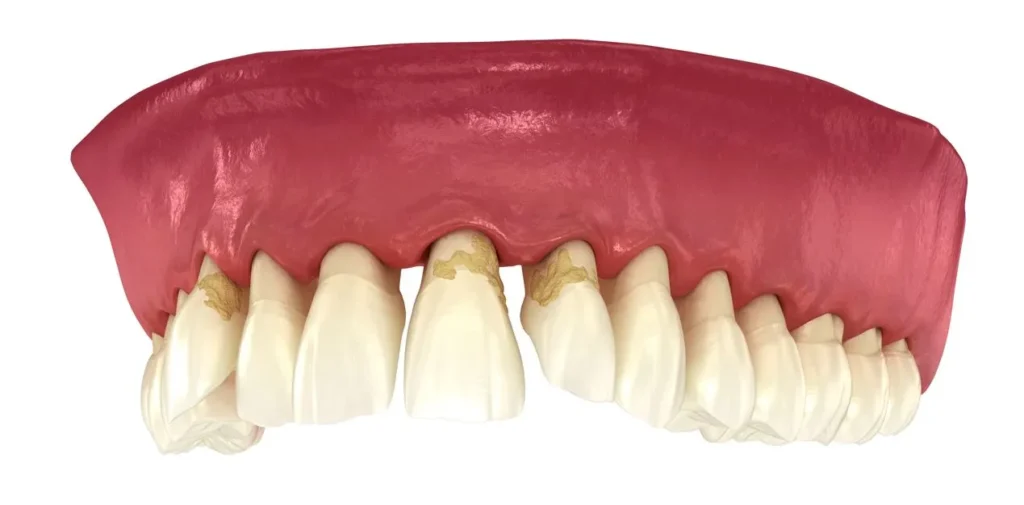
Oral health is a complex system where teeth, bone, and soft tissue work together. One of the most discussed issues within this system is Gum Recession, a condition that refers to the gradual exposure of the tooth root as gum tissue moves away from the tooth surface. While the process may develop slowly, understanding the progression of Gum Recession can help individuals notice early signs and better understand what may be happening in their mouths.
Many dental researchers suggest that Gum Recession often develops in stages rather than appearing suddenly. The gums can gradually shift due to various biological and mechanical influences. These may include brushing habits, plaque accumulation, genetic tendencies, and changes in the periodontal structures surrounding the teeth.
Table of Contents

Understanding Gum Recession and Why It Develops
Before exploring the stages, it helps to understand what Gum Recession actually means from a biological perspective. The gums, also known as gingival tissues, serve as a protective seal around teeth. They shield the roots from bacteria, temperature sensitivity, and mechanical stress.
Get Free Consultation
Have any questions? Leave your details and we'll get back to you shortly.
When Gum Recession begins, this protective barrier gradually moves upward or downward depending on the tooth location. As the gum margin shifts, the root surface may become visible. Unlike enamel, tooth roots are not naturally designed to be exposed, which is why they may react differently to external conditions.
Several elements have been associated with the development of Gum Recession, including:
| Possible Influencing Factor | Description |
| Plaque accumulation | Bacterial biofilm that irritates gum tissue |
| Aggressive brushing | Excessive force applied during oral hygiene |
| Periodontal inflammation | Long-term gum irritation affecting tissue stability |
| Genetic predisposition | Naturally thinner gum tissues in some individuals |
| Orthodontic movement | Changes in tooth position affecting gum alignment |
Although these factors may contribute, Gum Recession rarely follows the same pattern in every individual. The progression tends to vary depending on oral habits, tissue thickness, and structural conditions within the mouth.
Stage 1: Early Gum Recession and Subtle Gum Line Changes
The earliest stage of Gum Recession often develops quietly. In many cases, people may not immediately notice the change because it can occur slowly and without discomfort.
At this stage, the gum line may appear slightly uneven or marginally higher than before. The difference might only be a fraction of a millimeter, yet dental professionals sometimes identify it during routine examinations. The tooth crown still remains mostly covered, and the root surface is usually not visible yet.
Researchers observing early Gum Recession patterns note that gum tissue thickness plays a role in how visible the changes appear. Individuals with thinner gingival tissue may notice early shifts more easily, while those with thicker tissue may experience a slower visual change.
Typical characteristics of early-stage Gum Recession may include:
- Slightly irregular gum margins
- Mild sensitivity during brushing
- Subtle visual changes near the tooth neck
- Minimal root exposure
Because these changes are minor, many people only become aware of them when comparing older photos or dental records.

Stage 2: Mild Gum Recession and Initial Root Exposure
As Gum Recession progresses into the second stage, the gum margin may move further away from the crown of the tooth. At this point, a small portion of the root surface may become visible.
Root surfaces differ from enamel in both composition and texture. Enamel is highly mineralized and designed to resist daily wear, while roots are covered by a softer material called cementum. When Gum Recession reaches this stage, that root surface may become more noticeable.
Some individuals report heightened sensitivity to cold drinks or temperature changes during this phase. However, sensitivity varies widely and is not experienced by everyone with Gum Recession.
Dentists sometimes observe that mild Gum Recession can affect single teeth or multiple teeth simultaneously. The most commonly affected areas often include:
- Lower front teeth
- Upper canine teeth
- Teeth located near areas of frequent brushing pressure
Despite these changes, the supporting bone structure may still remain relatively stable during this stage.
Stage 3: Moderate Gum Recession and Visible Structural Changes
In the third stage of Gum Recession, the changes in gum position become much more visible. The root surface may extend several millimeters beyond the gum line, making teeth appear longer than before.
Moderate Gum Recession may also create small triangular gaps between teeth, sometimes referred to informally as “black triangles.” These spaces occur when the gum papilla between teeth begins to shrink or lose volume.
Several structural features are often associated with moderate Gum Recession:
| Structural Change | Explanation |
| Root exposure | Larger portion of the root surface becomes visible |
| Tooth elongation appearance | Teeth appear longer due to shifting gum margins |
| Gum tissue thinning | Reduced thickness of protective gum tissue |
| Interdental gaps | Small spaces forming between adjacent teeth |
Dental researchers frequently note that moderate Gum Recession may be influenced by long-term mechanical forces or chronic inflammation. However, the exact progression varies significantly between individuals.
Stage 4: Advanced Gum Recession and Gum Tissue Loss
Advanced Gum Recession involves more significant displacement of gum tissue. At this stage, the root of the tooth may be exposed along a larger portion of its length.
The visual impact of Gum Recession becomes more noticeable here. Teeth may appear considerably longer, and the gum contour may no longer follow its natural curved pattern. The gum margin may look flattened or uneven.
In advanced Gum Recession, dental professionals sometimes observe additional structural changes:
- Reduced gum attachment around the tooth
- Greater root exposure across multiple teeth
- Changes in gum color or texture
- Deeper gum pockets forming near the tooth surface
Despite these developments, it is important to remember that Gum Recession progression can vary widely. Some individuals may remain in moderate stages for many years, while others may experience more rapid tissue changes.
Stage 5: Severe Gum Recession and Periodontal Complications
The final stage of Gum Recession is often characterized by extensive gum tissue loss and pronounced root exposure. At this level, the structural relationship between the gums, teeth, and underlying bone may become significantly altered.
Severe Gum Recession sometimes coincides with broader periodontal changes that affect the supporting tissues around the teeth. These structural shifts can make the teeth appear dramatically longer and may alter the alignment of gum contours.
Several observations commonly appear in severe Gum Recession cases:
- Large areas of exposed root surfaces
- Pronounced gum tissue reduction
- Noticeable changes in tooth support structures
- Visible gum detachment from the tooth surface
In dental literature, severe Gum Recession is often discussed in connection with periodontal disease progression. However, not all cases follow the same biological pathway, which is why clinical evaluation remains essential for accurate interpretation.
Scientific Perspectives on Gum Recession Progression
Dental research continues to explore how Gum Recession develops over time. Some studies suggest that mechanical stress on the gums can gradually weaken the connective tissues holding the gum margin in place.
Other research focuses on the role of bacterial biofilm and inflammation in accelerating Gum Recession. When the immune system responds to persistent plaque accumulation, the resulting inflammation may gradually affect the stability of the surrounding tissue.
Interestingly, scientists also examine the role of genetic factors in Gum Recession. Individuals with thinner gingival biotypes may naturally have a higher susceptibility to visible gum line changes.
Key factors studied in Gum Recession progression include:
- Gingival thickness
- Bone density around teeth
- Long-term oral hygiene habits
- Microbial activity within gum pockets
Although these factors are frequently discussed in dental research, they interact in complex ways that vary from person to person.
Understanding the stages of Gum Recession offers valuable insight into how gum tissue can change over time. From subtle gum line shifts to more advanced tissue displacement, the progression of Gum Recession often unfolds gradually and may differ widely among individuals.
Observing the five stages discussed in this article helps illustrate how Gum Recession can evolve. Early stages may show only minor gum margin changes, while later stages involve greater root exposure and structural adjustments in the surrounding tissue.
Scientific discussions about Gum Recession continue to grow as researchers study the biological and environmental factors influencing gum stability. By examining these stages more closely, readers can gain a clearer understanding of how gum health fits into the broader picture of oral health.
Articles like this aim to provide knowledge and awareness rather than medical advice. For those interested in learning more about oral health and periodontal science, clinics such as WellDemir contribute to ongoing conversations about dental education and patient awareness.

 |
|