
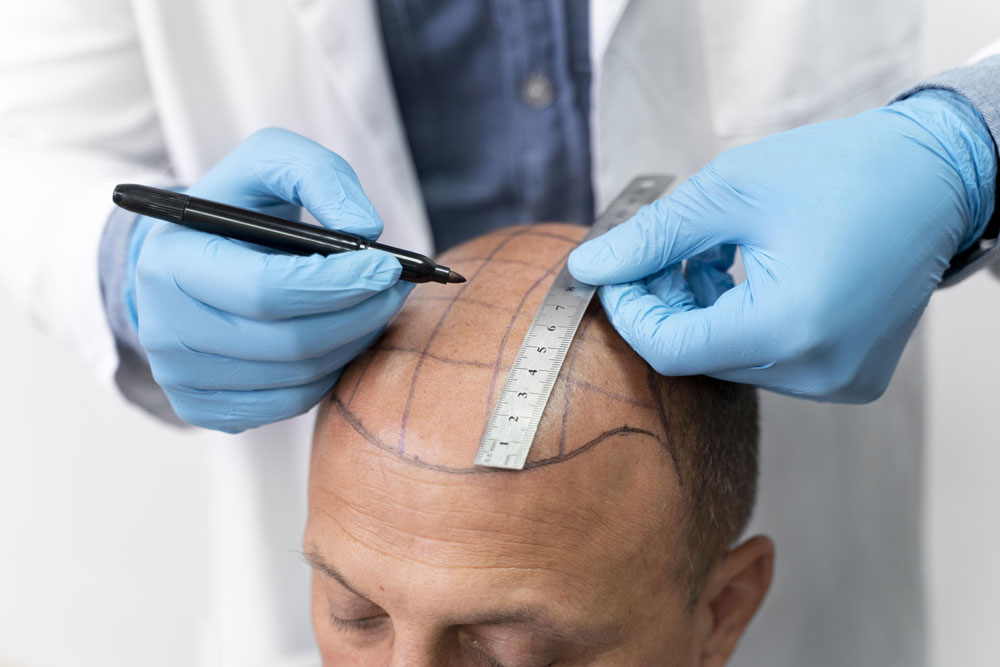
Hair loss is a common concern affecting millions worldwide, and Hair Transplant has emerged as a popular solution. But the crucial question remains: is Hair Transplant permanent?
Table of Contents
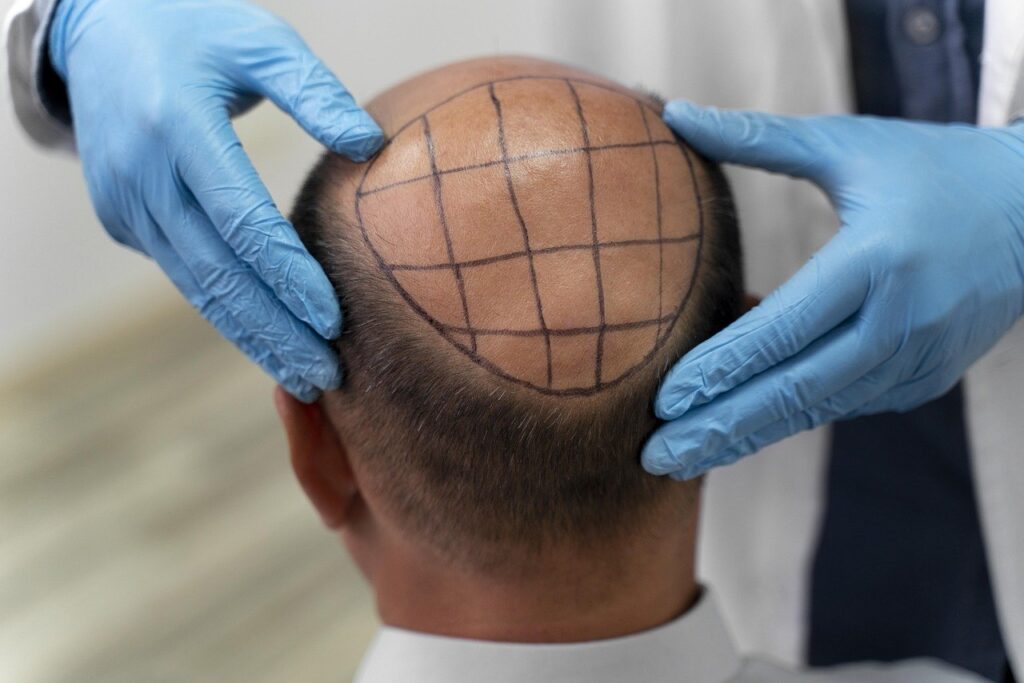
Understanding Hair Transplant and Its Mechanism
A Hair Transplant involves relocating hair follicles from areas resistant to hair loss, usually the back or sides of the scalp, to balding or thinning areas. The transplanted follicles maintain their original genetic resilience, meaning they are less prone to typical hair loss patterns.
The procedure can be performed using techniques like Follicular Unit Extraction (FUE) or Follicular Unit Transplantation (FUT). Both methods aim to provide natural-looking results, but the permanence of Hair Transplant depends on multiple factors, including the patient’s age, hair type, and underlying conditions.
Get Free Consultation
Have any questions? Leave your details and we'll get back to you shortly.
Longevity of Hair Transplant Results
When considering whether Hair Transplant is permanent, one must look at long-term data. Studies indicate that transplanted hair can last a lifetime for most patients. Research published in the Journal of Dermatologic Surgery shows that over 90% of transplanted follicles survive and continue to grow after five years. However, it is important to note that non-transplanted hair may continue to thin, potentially altering the overall hairline appearance over time.
Factors affecting longevity include:
- Age at the time of transplant – younger patients may need touch-ups as native hair continues to thin.
- Quality of donor hair – denser, healthier follicles increase success rates.
- Post-surgery care – proper maintenance, including avoiding trauma and following medical guidance, supports durability.
Success Rates of Hair Transplant
Success in Hair Transplant is measured by follicle survival, aesthetic results, and patient satisfaction. A meta-analysis of over 15 studies found that FUE and FUT methods have success rates ranging between 85% and 95%. Interestingly, studies also show that combining medical therapies like minoxidil with transplantation can enhance long-term results.
While a high success rate sounds promising, patients should understand that individual outcomes vary. Factors such as scalp elasticity, hair density, and surgical technique can influence the final result.
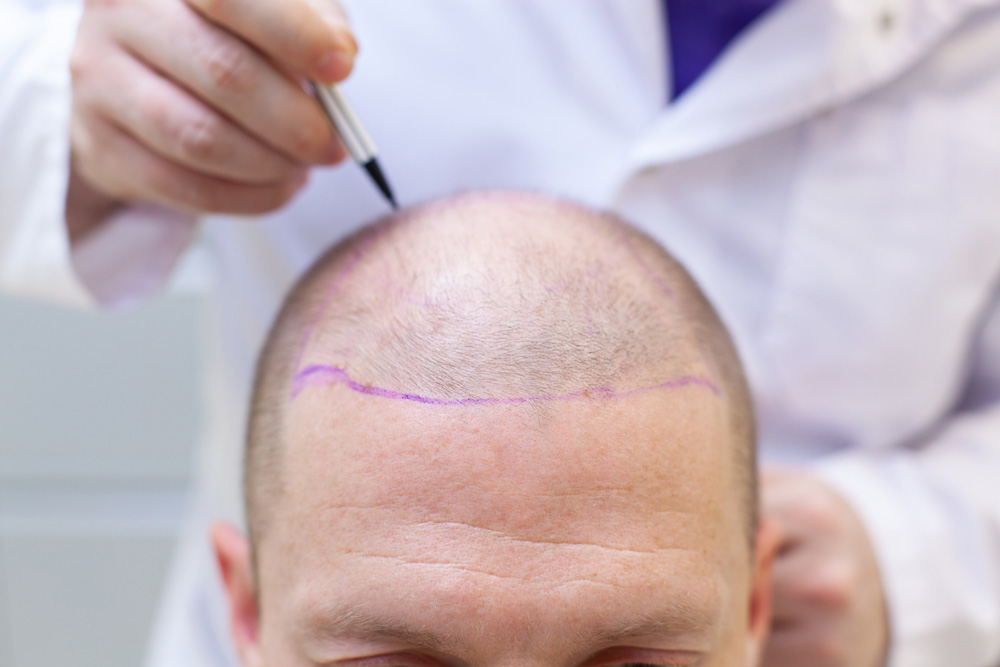
Factors That Influence Hair Transplant Permanence
Several variables determine whether Hair Transplant will remain permanent:
- Genetic predisposition – ongoing hair loss in untreated areas may affect the perceived fullness.
- Lifestyle habits – smoking, stress, and poor nutrition can compromise follicle health.
- Hormonal changes – conditions like androgenetic alopecia can continue to impact non-transplanted hair.
| Factor | Impact on Permanence |
| Donor hair quality | High |
| Surgical technique | Medium-High |
| Post-operative care | Medium |
| Patient age | Medium |
| Genetic hair loss pattern | High |
Understanding these elements helps set realistic expectations for long-term outcomes.
Real Results and Patient Experiences
Beyond studies, patient experiences provide valuable insight into Hair Transplant permanence. Many report visible growth within 6 to 12 months post-surgery, with full results often visible after 18 months. Online forums and clinical follow-ups highlight that most patients maintain their transplanted hair for decades, although a minority may require touch-ups or additional sessions for optimal density.
Photos and case studies demonstrate natural hairline restoration, with transplanted hair matching the surrounding texture and color. The key takeaway is that success depends on realistic goals and adherence to post-operative guidelines.
Myths vs Reality About Hair Transplant
Misconceptions often cloud the discussion about Hair Transplant permanence. Some believe that transplanted hair will fall out just like natural hair, while others expect instant thick coverage. Reality shows:
- Transplanted hair is generally resistant to pattern baldness.
- Initial shedding of transplanted hair is normal within the first 2-4 weeks.
- Long-term results are stable when procedures are performed by skilled surgeons.
Dispelling these myths helps patients make informed decisions, reducing disappointment and unnecessary anxiety.
Optimizing Long-Term Results
While Hair Transplant offers permanent solutions, combining strategies enhances longevity:
- Medical support: Using FDA-approved topical or oral treatments may prevent further hair loss.
- Healthy lifestyle: Balanced diet, stress management, and proper scalp care support follicle survival.
- Follow-up sessions: Periodic consultations help identify thinning areas early, allowing corrective measures.
By understanding these strategies, patients can maintain the appearance and health of their transplanted hair effectively.
In conclusion, Hair Transplant is widely considered a permanent solution, with most transplanted follicles surviving for decades. Success depends on multiple factors including donor hair quality, surgical technique, genetic predisposition, and post-operative care. Real-world results confirm that with careful planning and maintenance, a Hair Transplant can provide long-lasting, natural-looking hair restoration.

 |
|