
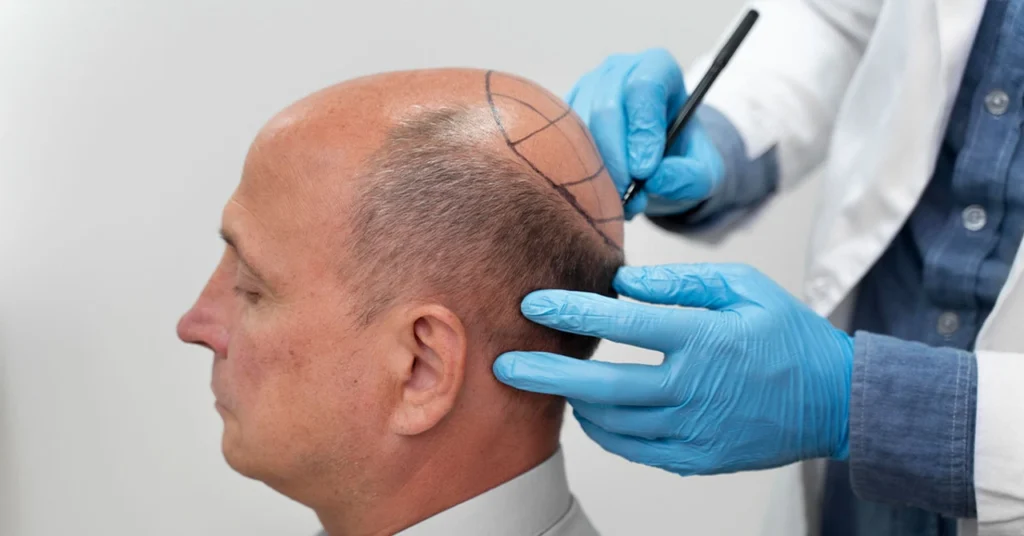
A hair transplant is more than just a cosmetic procedure; it’s a careful orchestration of science, skill, and post-operative care. While the surgery itself determines the initial success, the precautions you take afterward are equally crucial in ensuring long-lasting results. Understanding what steps to follow after a hair transplant can significantly influence hair survival, reduce complications, and optimize growth patterns.
Table of Contents
Immediate Care After a Hair Transplant
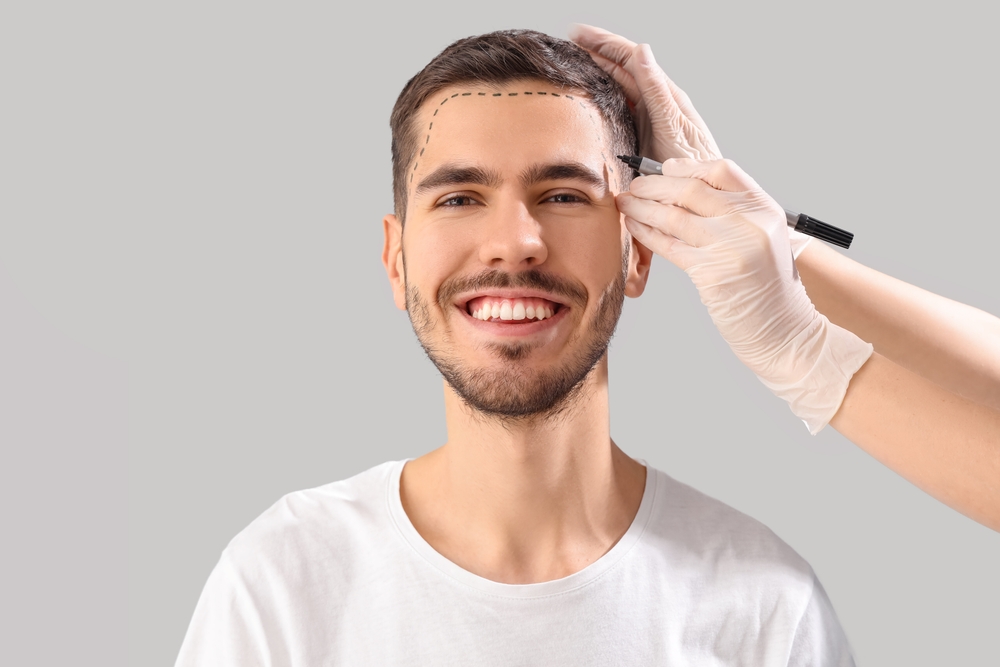
The first 48 hours following a hair transplant are critical. The newly transplanted follicles are delicate and need gentle handling. Patients are usually advised to avoid touching or scratching the scalp. Even slight friction can disturb the grafts and affect their survival rate.
Washing instructions during this period are usually modified; instead of rubbing, a gentle patting technique with lukewarm water is preferred. Some clinics even provide a spray bottle to lightly moisten the transplanted area without applying pressure. Studies suggest that proper initial care can improve graft survival rates by up to 20%, emphasizing the importance of early precautions.
Get Free Consultation
Have any questions? Leave your details and we'll get back to you shortly.
Protecting Your Scalp from External Factors
Exposure to environmental stressors can compromise the healing process. After a hair transplant, direct sunlight can be harmful. UV radiation may irritate the sensitive scalp and affect follicle health. Wearing a loose, breathable hat or avoiding outdoor activities during peak sunlight hours is often recommended.
Similarly, dust, pollution, and excessive sweating can irritate the healing area. Some dermatological reports indicate that micro-particles settling on new grafts may trigger minor inflammation, slowing down the integration of follicles. Maintaining a clean, controlled environment is therefore vital during the initial weeks.
Sleep Position and Physical Activity
Sleep and activity play surprisingly influential roles in hair transplant recovery. Lying flat on the back with the head slightly elevated is typically advised for the first week. This position minimizes swelling around the forehead and the transplant area.
Physical exertion should be limited during the first two weeks. Exercise can increase blood flow and sweating, potentially dislodging grafts. Research from clinical hair restoration centers notes that moderate movement is safe, but activities causing strain, bending, or excessive contact with the scalp should be avoided to preserve graft integrity.
Diet and Hydration Impact on Hair Transplant
While diet cannot reverse the trauma to transplanted follicles, nutrition plays a supporting role in healing. Consuming a protein-rich diet helps in cellular repair, while vitamins such as B12, D, and iron support hair follicle growth.
Hydration is equally important. Adequate water intake ensures optimal blood flow, which can carry essential nutrients to the scalp and support the early phase of follicle integration. Anecdotal evidence from post-operative patients highlights faster recovery in those who maintained balanced diets and consistent hydration.
Medications and Topical Care Post Hair Transplant
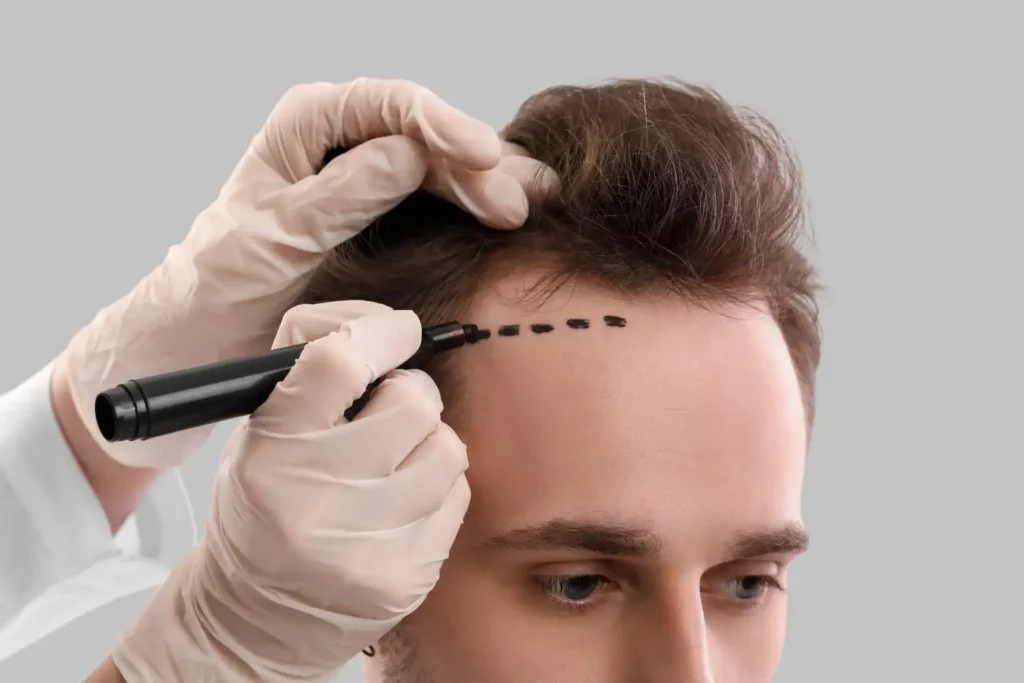
After a hair transplant, the use of medications and topical solutions can influence healing outcomes. Doctors often prescribe antibiotics or anti-inflammatory medications to prevent infection and reduce swelling. Topical minoxidil or other hair growth stimulants may be recommended weeks after the procedure to enhance follicle survival.
Applying these solutions must be done carefully. Studies suggest that excessive rubbing or early use of certain lotions can dislodge grafts. Patients are encouraged to follow medical guidance precisely, as improper use can compromise results. Research indicates that disciplined adherence to prescribed medications improves long-term hair density.
Managing Itching and Scabbing
Itching and scabbing are natural parts of the healing process after a hair transplant. As follicles settle, minor inflammation can cause itchiness. Scratching should be strictly avoided. Clinical data show that scratching can lead to graft displacement and even mild scarring.
Instead, cold compresses or prescribed anti-inflammatory creams can relieve discomfort. Gentle washing techniques help remove scabs gradually without disturbing the transplanted follicles. Patience is key, as the shedding and scabbing phase typically resolves within two to three weeks.
Long-Term Precautions for Sustained Growth
Even after initial recovery, certain precautions ensure long-term success of a hair transplant. Avoiding excessive heat, harsh chemical treatments, or aggressive combing protects newly grown hair. Studies indicate that hair density and follicle health continue to improve for up to a year after surgery, highlighting the importance of ongoing care.
Regular check-ups with a hair restoration specialist help monitor progress. Some patients benefit from periodic use of growth-supporting supplements or low-level laser therapy, which research shows can stimulate follicular activity and strengthen existing hair.
Fun Facts and Research Insights
Interestingly, recent research has explored unconventional factors influencing hair transplant outcomes. For instance, studies suggest that mild scalp massage, once the grafts have stabilized, may improve local circulation and promote growth.
Another surprising insight involves the role of sleep quality. High-quality sleep has been linked to faster tissue regeneration, indirectly supporting hair follicle health. While these findings are still under investigation, they demonstrate how lifestyle and minor habits can complement medical care for optimal results.
Recommended Precautions Timeline After Hair Transplant
| Timeframe | Key Precautions | Notes |
| 0-2 Days | Gentle washing, avoid touching grafts | Critical graft stabilization |
| 3-7 Days | Limited movement, elevated sleep position | Minimize swelling |
| 1-2 Weeks | Avoid exercise, sun protection | Reduce risk of graft displacement |
| 3-4 Weeks | Gentle scalp care, avoid scratching | Scab removal phase |
| 1-12 Months | Nutrition, growth stimulants, lifestyle care | Long-term hair growth optimization |

 |
|