
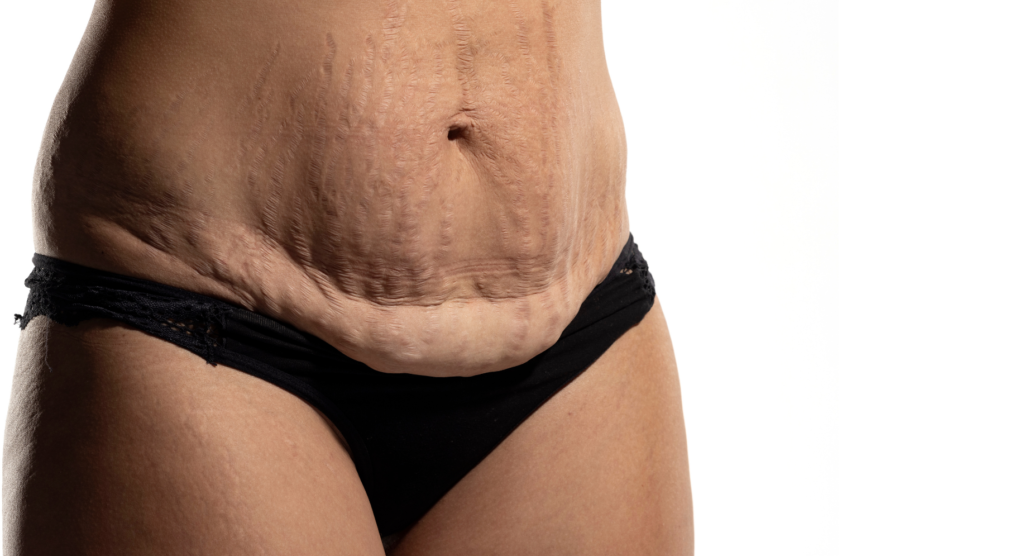
A Mommy Makeover is one of the most discussed aesthetic transformation packages in modern cosmetic medicine. Pregnancy, childbirth, and breastfeeding can leave permanent changes on the abdomen, breasts, and surrounding tissues. Many women begin exploring the idea of body restoration once the postpartum healing process stabilizes. The purpose of a Mommy Makeover is not to create an artificial body shape but to help restore anatomical balance while preserving natural femininity. This comprehensive surgical approach is offered by WellDemir as part of advanced aesthetic healthcare services.
The growing interest in postpartum body reconstruction reflects both medical innovation and social awareness. Instead of undergoing multiple separate surgeries, patients often prefer a combined surgical plan known as Mommy Makeover. This strategy can reduce anesthesia exposure and shorten overall recovery periods. However, each patient’s body response, tissue condition, and healing potential are evaluated carefully before planning the procedure.
Scientific studies indicate that hormonal fluctuations during pregnancy can influence skin elasticity, fat distribution, and breast volume. These biological transformations explain why many women seek aesthetic restoration through a Mommy Makeover. The procedure has evolved significantly over the past two decades and is now considered a sophisticated branch of reconstructive cosmetic surgery.
Get Free Consultation
Have any questions? Leave your details and we'll get back to you shortly.
Table of Contents

What is Mommy Makeover and Why It Became Popular After Pregnancy
The concept of Mommy Makeover emerged as a solution for multiple postpartum aesthetic concerns combined into a single surgical session. The procedure usually focuses on areas most affected by pregnancy such as the abdomen and breast region. Women who experience stretched abdominal muscles or volume loss in the breasts frequently consider this restorative surgical package.
Pregnancy changes are not only visual but also structural. The abdominal wall may develop muscle separation known as diastasis, which can influence posture and core strength. A Mommy Makeover may address these muscular changes while also improving skin tension. Surgeons analyze tissue quality before determining surgical combinations.
From a social perspective, modern lifestyles have contributed to the popularity of postpartum body reconstruction. Many women want to regain pre-pregnancy appearance while balancing motherhood responsibilities. The convenience of a single recovery period makes Mommy Makeover attractive for individuals who cannot allocate time for multiple surgeries.
Procedures Included in a Mommy Makeover
A standard Mommy Makeover usually includes a combination of abdominal contouring, breast reshaping, and fat reduction techniques. Although the surgical package can vary, three core interventions are commonly associated with the procedure.
Typical components may include:
- Abdominoplasty or mini abdominal tightening
- Breast lift or breast augmentation
- Liposuction for localized fat removal
- Correction of stretched skin areas
The abdominal component of Mommy Makeover targets muscle separation and excess skin accumulation. During this phase, surgeons remove redundant skin layers and reinforce underlying muscular structures. The goal is to create smoother abdominal contour while maintaining natural movement functionality.
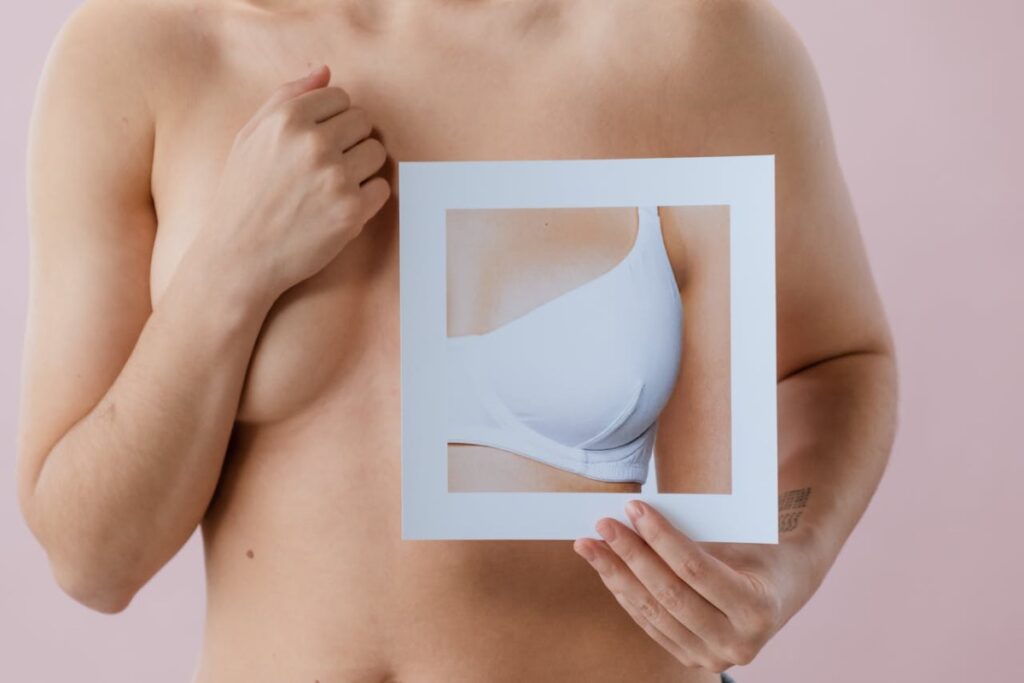
Breast restoration is another important part of the surgical strategy. Pregnancy and breastfeeding may cause breast tissue deflation or positional changes. Through lift, augmentation, or volume balancing techniques, Mommy Makeover attempts to reconstruct youthful breast geometry without compromising anatomical harmony.
Who is an Ideal Candidate for Mommy Makeover
Not every postpartum woman is immediately suitable for a Mommy Makeover. The timing of surgery is crucial because the body must complete natural hormonal and physiological recovery stages.
Candidates usually share several characteristics. They are typically individuals who have finished breastfeeding and have stable body weight for several months. Surgeons often prefer patients whose skin elasticity still allows surgical reshaping without excessive scarring tension.
Another important parameter is overall health condition. Chronic diseases, uncontrolled metabolic disorders, or smoking habits may affect healing processes. Therefore, comprehensive medical evaluation is performed before planning Mommy Makeover surgery.
Age itself is not considered a strict limitation. Biological tissue quality and regenerative capacity are more important indicators than chronological age. Some women in their thirties or forties achieve highly successful outcomes after undergoing a carefully planned Mommy Makeover.
Recovery Process and Expectations After Mommy Makeover
Recovery after Mommy Makeover varies depending on the combination of surgical techniques applied. Most patients require initial rest during the first week when swelling and discomfort are more noticeable. Gradual mobility is encouraged to support circulation and tissue oxygenation.
Postoperative healing continues over several months. While early results become visible relatively quickly, final body contour refinement may take time. Skin adaptation and internal tissue remodeling are natural parts of the recovery phase following a Mommy Makeover.
Patients often wonder about returning to daily activities. Light movement is usually possible after a short resting period, but strenuous physical exercise should be postponed until surgical tissues stabilize. Compression garments may be recommended to support anatomical symmetry and reduce edema.
Risks and Scientific Considerations of Mommy Makeover
Like any major surgical intervention, Mommy Makeover carries potential medical risks. These risks are generally minimized through preoperative screening, sterile surgical environments, and advanced anesthesia monitoring.
Possible complications include infection, bleeding, scar formation, and temporary sensory changes in treated regions. Modern surgical technology has significantly reduced complication rates compared to earlier cosmetic surgery generations.
Researchers continue studying long-term tissue response after combined aesthetic surgeries. Some reports suggest that combining procedures into a single session may decrease cumulative surgical stress. However, patient selection remains the most important factor determining safety outcomes in Mommy Makeover surgery.
Psychological and Lifestyle Impact of Mommy Makeover
The influence of Mommy Makeover extends beyond physical transformation. Many patients report improved self-confidence and social comfort after completing the procedure. Postpartum body image concerns can sometimes affect emotional well-being, and aesthetic restoration may help balance these perceptions.
Motherhood does not conflict with aesthetic satisfaction. Instead, body restoration can support a healthier relationship between personal identity and life responsibilities. The procedure is not designed to change the essence of motherhood but to harmonize physical appearance with personal expectations.
Lifestyle habits also play a role in maintaining surgical results. Balanced nutrition, regular physical activity, and stress management contribute to long-term stability after a Mommy Makeover.
A Mommy Makeover represents a modern surgical philosophy that combines multiple postpartum aesthetic corrections into a unified treatment plan. By addressing abdominal contour, breast shape, and localized fat accumulation, the procedure helps many women restore their body image after pregnancy.
Medical technology, surgical experience, and patient-centered planning are essential components of successful outcomes. As aesthetic medicine continues to develop, Mommy Makeover techniques are expected to become even safer and more personalized.
Postpartum body transformation is a deeply individual journey. While the procedure offers remarkable cosmetic possibilities, realistic expectations and professional medical consultation remain fundamental.

 |
|