

The evolution of Gastric Bypass procedures has transformed modern bariatric surgery, offering patients more efficient and less invasive options for long-term weight management. Among these innovations, the One-Anastomosis Gastric Bypass (OAGB) has emerged as a compelling alternative to traditional techniques. But does this simplified version of Gastric Bypass represent the future of bariatrics, or is it simply a trend driven by surgical convenience?
Table of Contents
What Is Gastric Bypass and How Has It Evolved?
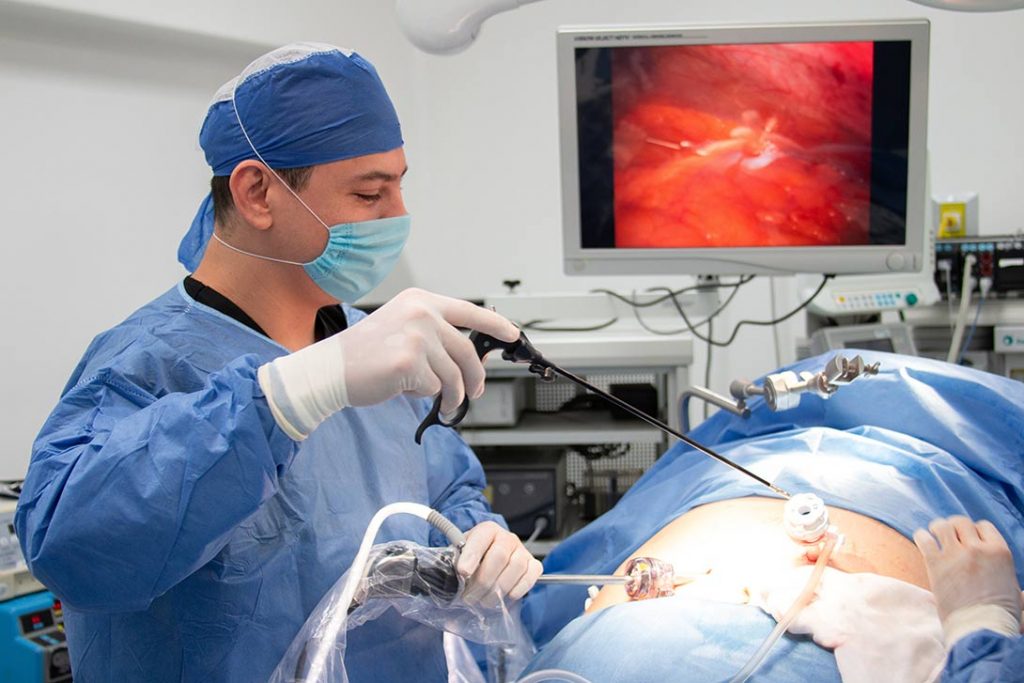
Gastric Bypass is a well-established bariatric procedure designed to support weight loss by altering the digestive system. Traditionally, this involves creating a small stomach pouch and rerouting the small intestine to reduce both food intake and nutrient absorption.
Over time, advancements in surgical techniques have led to variations of Gastric Bypass, each aiming to improve outcomes while minimizing complications. One of the most significant developments is the transition from the classic Roux-en-Y method to the more streamlined One-Anastomosis approach.
Get Free Consultation
Have any questions? Leave your details and we'll get back to you shortly.
This evolution reflects a broader trend in medicine: simplifying procedures without compromising effectiveness. As a result, the concept of Gastric Bypass continues to adapt to both patient needs and technological capabilities.
Understanding One-Anastomosis Gastric Bypass (OAGB)
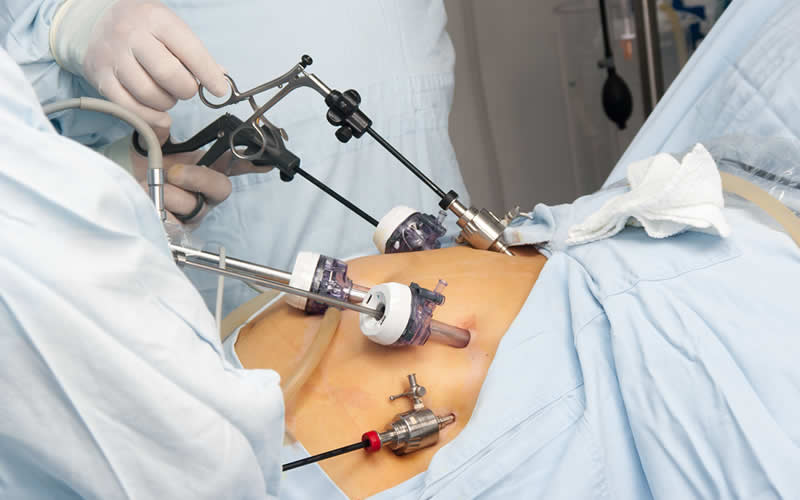
One-Anastomosis Gastric Bypass, often referred to as mini gastric bypass, is a modified version of traditional Gastric Bypass surgery. The key distinction lies in the number of connections made between the stomach and the intestine. While classic procedures involve two anastomoses, OAGB requires only one.
This seemingly small difference significantly impacts the surgical process. The operation tends to be shorter, technically simpler, and may reduce the risk of certain complications associated with multiple intestinal connections.
From a physiological perspective, OAGB still achieves the dual goals of Gastric Bypass: restriction and malabsorption. However, the balance between these mechanisms can vary depending on how the surgery is performed.
Key Differences Between OAGB and Traditional Gastric Bypass
When comparing OAGB with traditional Gastric Bypass, several structural and functional differences emerge:
| Feature | OAGB | Traditional Gastric Bypass |
| Number of Anastomoses | One | Two |
| Surgical Complexity | Lower | Higher |
| Operation Time | Shorter | Longer |
| Malabsorption Level | Moderate to High | Controlled |
| Technical Demand | Less demanding | More complex |
These differences highlight why some surgeons consider OAGB a practical evolution of Gastric Bypass techniques. However, the simplicity of the procedure does not necessarily translate to universal suitability.
It is important to note that both procedures share similar goals but may differ in how they affect digestion, metabolism, and long-term nutritional balance.
Advantages of One-Anastomosis Gastric Bypass
The growing interest in OAGB is largely driven by its potential advantages over traditional Gastric Bypass methods.
First, the reduced surgical complexity often leads to shorter operation times. This can be beneficial in minimizing anesthesia exposure and improving recovery efficiency.
Second, fewer connections within the digestive tract may reduce the likelihood of certain surgical complications. This streamlined approach aligns with the modern surgical philosophy of achieving more with less intervention.
Additionally, some observational studies suggest that OAGB may offer comparable or even enhanced weight loss outcomes when compared to classic Gastric Bypass. However, these findings can vary depending on patient profiles and follow-up duration.
Potential Risks and Considerations of Gastric Bypass Variations
Despite its advantages, OAGB is not without its concerns. Like all forms of Gastric Bypass, it involves permanent anatomical changes that can affect digestion and nutrient absorption.
One of the most discussed issues is bile reflux, which may occur more frequently in OAGB due to the single intestinal connection. This can lead to discomfort and may require further evaluation in some cases.
Nutritional deficiencies are another consideration. Because Gastric Bypass procedures alter how nutrients are absorbed, patients may need long-term monitoring to maintain balanced health.
It is also worth noting that long-term data on OAGB is still developing. While early results are promising, the full spectrum of outcomes is not yet fully understood.
Is One-Anastomosis Gastric Bypass the Future?
The question of whether OAGB represents the future of Gastric Bypass is both scientific and philosophical.
From a technical standpoint, the procedure aligns with the global trend toward minimally invasive and simplified surgical solutions. Its efficiency and adaptability make it appealing to both surgeons and patients.
However, the future of Gastric Bypass is unlikely to be defined by a single technique. Instead, it will probably involve a personalized approach, where procedures are tailored to individual metabolic profiles, health conditions, and lifestyle factors.
In this context, OAGB can be seen not as a replacement, but as an important addition to the spectrum of bariatric options.
Scientific Insights and Emerging Research on Gastric Bypass
Recent studies have explored how Gastric Bypass procedures influence hormonal pathways, gut microbiota, and metabolic signaling. These findings suggest that weight loss is not solely due to reduced food intake but also involves complex biological changes.
For example, alterations in gut hormones such as GLP-1 and ghrelin may play a role in appetite regulation and insulin sensitivity. OAGB appears to trigger similar mechanisms, although the exact pathways may differ slightly from traditional methods.
Emerging research also highlights the importance of intestinal length and configuration in determining outcomes. This adds another layer of complexity to the discussion around Gastric Bypass techniques and their long-term effectiveness.
Final Thoughts on the Evolution of Bariatric Surgery
The landscape of bariatric surgery continues to evolve, and Gastric Bypass remains at the center of this transformation. One-Anastomosis Gastric Bypass offers a simplified yet powerful alternative that reflects the direction of modern medicine.
Rather than viewing OAGB as a definitive future, it may be more accurate to see it as part of a broader shift toward customization and innovation. As research progresses and long-term data becomes more robust, the role of OAGB within the Gastric Bypass family will become clearer.
For now, it stands as a promising option that challenges traditional norms while contributing to the ongoing advancement of bariatric science.

 |
|