
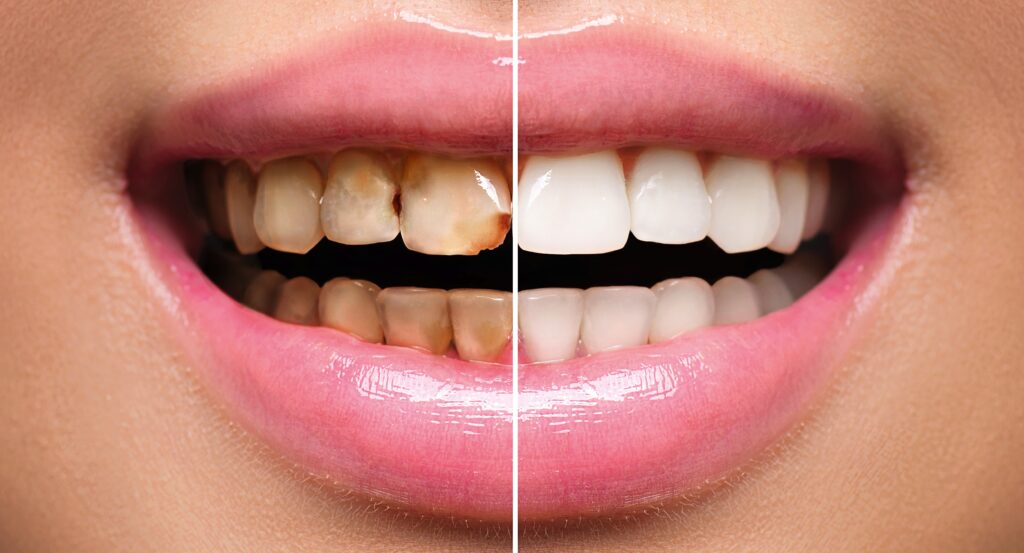
Modern dentistry focuses not only on aesthetics but also on restoring the natural function of the teeth and oral structures. One of the most important branches serving this purpose is Restorative Dentistry. In simple terms, Restorative Dentistry refers to a wide range of dental procedures designed to repair damaged teeth, replace missing structures, and restore both functionality and appearance.
Many people encounter dental issues such as cavities, fractured teeth, worn enamel, or missing teeth at some point in life. Restorative Dentistry aims to rebuild these structures while preserving as much natural tissue as possible. Because of this philosophy, Restorative Dentistry is often considered one of the most conservative and patient centered areas of modern dental science.
At clinics like WellDemir, dental professionals often evaluate restorative approaches as part of a comprehensive oral care strategy. Treatments within Restorative Dentistry may include dental fillings, crowns, bridges, implants, inlays, onlays, and other procedures that help rebuild the natural architecture of the mouth.
Get Free Consultation
Have any questions? Leave your details and we'll get back to you shortly.
Understanding how Restorative Dentistry works, who may benefit from it, and what procedures are involved can help individuals make informed decisions about their oral health.
Table of Contents
The Science Behind Restorative Dentistry
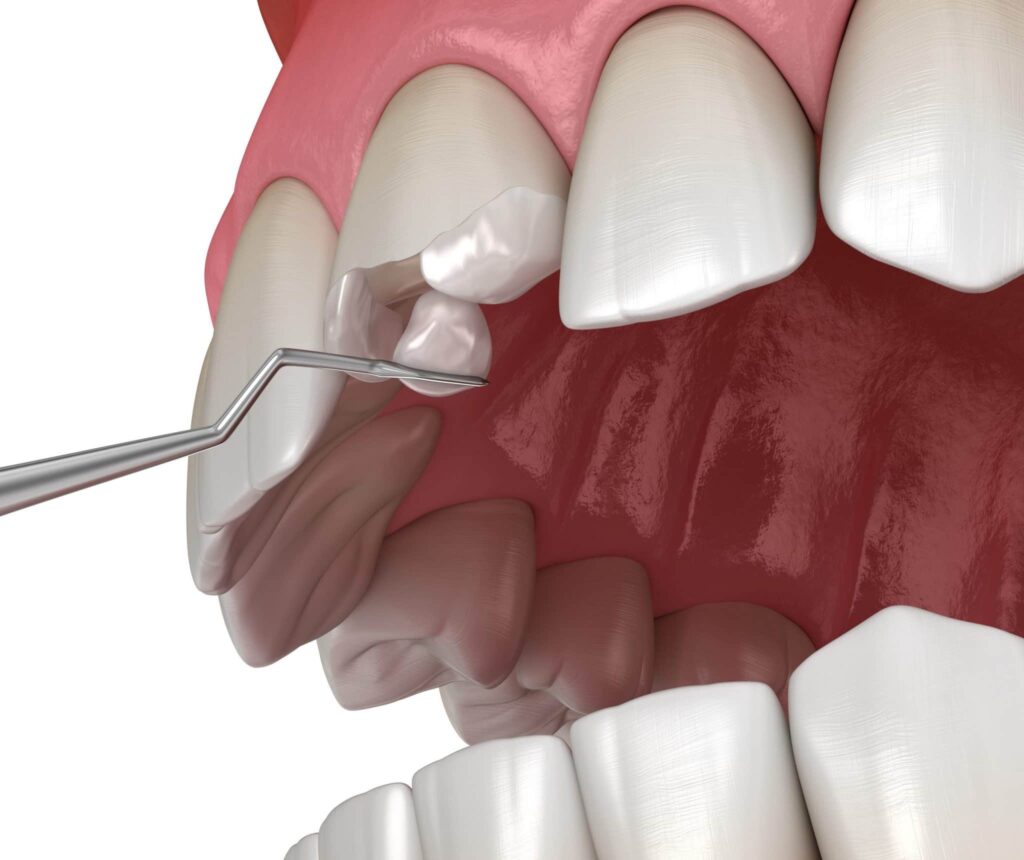
The foundation of Restorative Dentistry lies in the biological structure of teeth and the surrounding oral tissues. Teeth consist of enamel, dentin, and pulp, each serving a unique role in protecting the tooth and enabling chewing functions. When these structures are damaged by decay, trauma, or wear, Restorative Dentistry seeks to rebuild them using specialized materials and techniques.
Historically, dental restoration focused mainly on filling cavities. Today, however, Restorative Dentistry incorporates advanced biomaterials, digital imaging technologies, and minimally invasive procedures. Materials such as composite resins, ceramics, and zirconia allow dentists to restore teeth with remarkable precision and durability.
Research in dental materials science suggests that modern restorative compounds are designed to mimic the natural properties of enamel and dentin. As a result, Restorative Dentistry treatments are often both functional and aesthetically pleasing. The goal is not only to repair damage but also to maintain the harmony of the entire oral system.
Common Procedures Used in Restorative Dentistry
Many different treatments fall under the umbrella of Restorative Dentistry, depending on the type and severity of the dental problem. These procedures aim to rebuild the structure of teeth and restore chewing efficiency.
Some of the most commonly discussed Restorative Dentistry treatments include:
| Procedure | Purpose | Typical Use |
| Dental Fillings | Repair cavities or minor tooth damage | Small areas of decay |
| Dental Crowns | Cover and protect weakened teeth | Large fractures or root canal treated teeth |
| Bridges | Replace missing teeth using adjacent teeth as support | Single or multiple missing teeth |
| Dental Implants | Replace missing teeth with artificial roots | Long term tooth replacement |
| Inlays and Onlays | Restore moderate tooth damage | Alternative to large fillings |
Each of these procedures plays a role within Restorative Dentistry, offering different solutions depending on the patient’s condition.
Advances in digital dentistry, including 3D scanning and computer aided design systems, have also influenced the evolution of Restorative Dentistry. These technologies allow dentists to design restorations that fit precisely and function naturally within the bite.
Who Can Benefit from Restorative Dental Treatments?
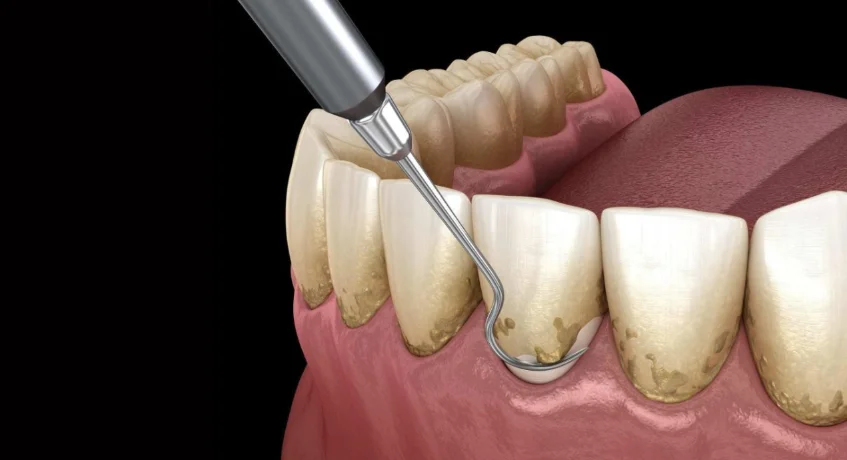
Many individuals may be suitable candidates for Restorative Dentistry, especially those experiencing structural problems with their teeth. Tooth decay remains one of the most common dental concerns worldwide, and Restorative Dentistry often provides the primary method for repairing such damage.
Patients who might benefit from Restorative Dentistry may include:
- Individuals with cavities or tooth decay
- People with chipped or fractured teeth
- Patients who have lost one or more teeth
- Individuals with worn enamel caused by grinding
- Patients who have undergone root canal treatment
In addition, Restorative Dentistry may sometimes be considered in cases where the bite has been affected by tooth loss or damage. Restoring the structural integrity of the teeth may help support overall oral balance and function.
Dental professionals usually perform comprehensive examinations before recommending any Restorative Dentistry treatment plan. These evaluations may involve X rays, digital scans, and clinical assessments of the teeth and gums.
Materials and Technologies in Restorative Dentistry
The success of Restorative Dentistry relies heavily on the materials used during treatment. Modern restorative materials are engineered to replicate the strength, flexibility, and appearance of natural tooth tissues.
Among the most widely used materials in Restorative Dentistry are:
- Composite resin
- Dental ceramics
- Porcelain fused to metal
- Zirconia based restorations
- Glass ionomer cement
Each material offers different benefits in terms of durability, aesthetics, and compatibility with natural teeth. For example, ceramic restorations are often chosen for their natural translucency, while zirconia may be preferred for strength in high pressure areas of the mouth.
Technological innovations have also transformed Restorative Dentistry. Digital impressions, CAD CAM systems, and computer guided implant placement have increased the precision and predictability of restorative treatments. These developments have helped dental professionals design restorations that align closely with the patient’s natural anatomy.
Differences Between Restorative Dentistry and Cosmetic Dentistry
Although Restorative Dentistry and cosmetic dentistry often overlap, they are not identical disciplines. The primary goal of Restorative Dentistry is to repair damaged teeth and restore normal function.
Cosmetic dentistry, on the other hand, usually focuses on improving the appearance of the smile. Procedures like teeth whitening, veneers, and smile design are typically considered aesthetic treatments.
However, the boundaries between these fields can sometimes blur. For example, a dental crown placed as part of Restorative Dentistry may also enhance the visual appearance of the tooth. Similarly, replacing a missing tooth with an implant can improve both chewing efficiency and smile aesthetics.
Because of this overlap, many modern dental clinics integrate cosmetic and restorative approaches into comprehensive treatment plans.
Long Term Considerations in Restorative Dentistry
Long term success in Restorative Dentistry often depends on multiple factors including oral hygiene, lifestyle habits, and the condition of surrounding tissues. Restorations such as fillings or crowns are designed to withstand normal chewing forces, but they may still experience wear over time.
Dental researchers often emphasize that the longevity of Restorative Dentistry treatments can vary depending on the material used, the location of the restoration, and patient specific factors such as bite pressure.
For instance:
- Small composite fillings may last several years under normal conditions
- Ceramic crowns are typically designed for long term durability
- Dental implants are often considered one of the most stable restorative options
Nevertheless, the goal of Restorative Dentistry is not only durability but also preservation of natural tooth structure whenever possible. Preventive care and regular dental evaluations can play a role in maintaining restored teeth over time.
How Restorative Dentistry Contributes to Overall Oral Health
Oral health researchers frequently highlight the connection between tooth structure, bite balance, and overall well being. When teeth are damaged or missing, chewing efficiency may change, and surrounding teeth can shift positions.
Through the principles of Restorative Dentistry, dental professionals attempt to rebuild the structural framework of the mouth. Restoring a single tooth can sometimes influence the alignment and function of neighboring teeth.
In broader terms, Restorative Dentistry may support:
- Improved chewing function
- Balanced bite distribution
- Preservation of jaw structure
- Maintenance of natural tooth spacing
These outcomes demonstrate why Restorative Dentistry is often considered a foundational component of modern dental care.
Dental science continues to evolve as researchers explore new ways to restore oral structures while preserving natural tissue. Within this evolving field, Restorative Dentistry remains a central discipline dedicated to repairing and rebuilding teeth affected by decay, trauma, or structural wear.
By combining advanced materials, digital technologies, and biological understanding, Restorative Dentistry offers a range of treatment options designed to restore both function and appearance. From simple fillings to complex implant supported restorations, the field continues to expand with innovations that aim to improve patient outcomes.
For many individuals, Restorative Dentistry represents an opportunity to regain the structural integrity of their smile and maintain long term oral balance. As dental technologies advance, the methods and materials used in Restorative Dentistry will likely continue evolving, providing increasingly precise and personalized restorative solutions.

 |
|