
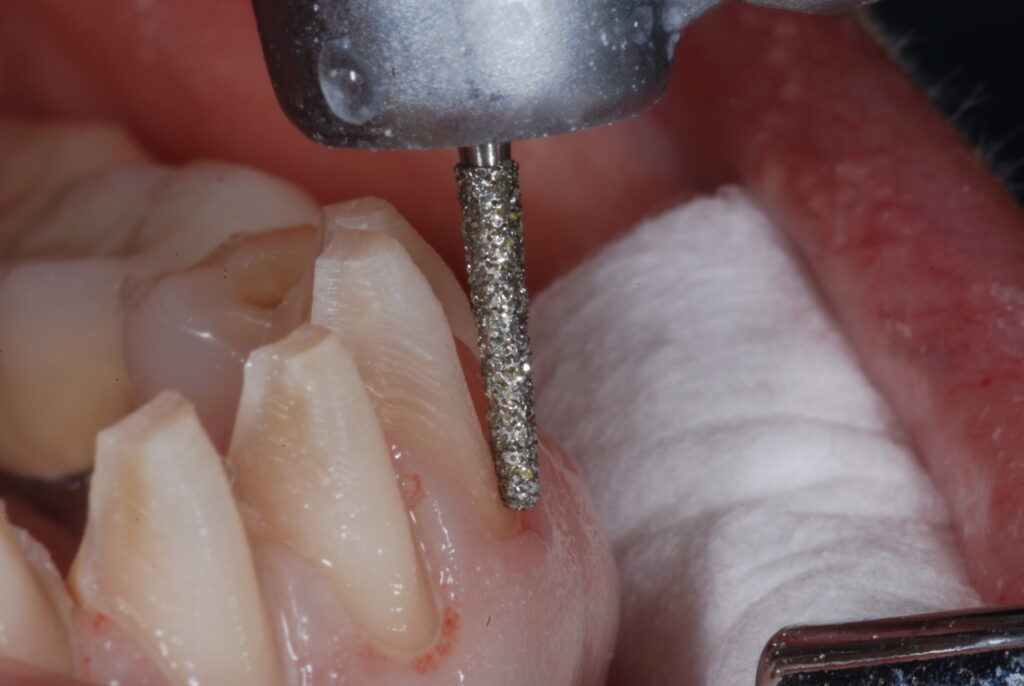
Dental restorations begin with tooth preparation, a carefully controlled clinical stage that reshapes enamel and dentin to create space for crowns, veneers, or other prosthetic solutions. Although the procedure is precise and minimally invasive when performed correctly, the hours and days following tooth preparation often raise many questions. Sensitivity, temporary discomfort, dietary limits, and hygiene habits can all feel unfamiliar.
Understanding what happens after tooth preparation helps patients feel confident and comfortable. The goal is not to prescribe medical advice but to explain what typically occurs, why certain precautions are commonly recommended, and how daily choices may influence recovery and restoration success.
Table of Contents
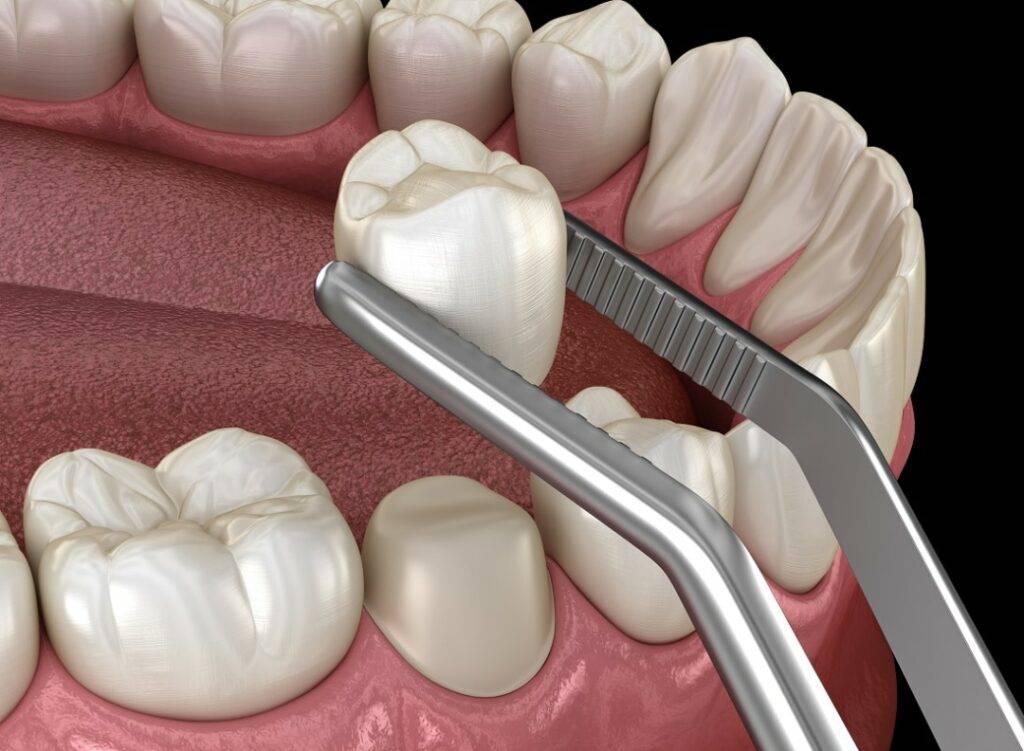
Why Tooth Preparation Changes Tooth Sensitivity and Tissue Response
During tooth preparation, a small portion of enamel is reduced to allow space for restorative materials. Enamel normally acts as insulation. When it becomes thinner, underlying dentin tubules may transmit temperature and pressure signals more easily. This is why many people notice temporary cold or sweet sensitivity after tooth preparation.
Get Free Consultation
Have any questions? Leave your details and we'll get back to you shortly.
Biologically, this response is expected. The pulp tissue adapts by forming protective reactions over time. Research in restorative dentistry suggests that sensitivity often decreases as dentinal fluid flow stabilizes. In simple terms, the tooth gradually learns to protect itself again after tooth preparation, especially when the area is shielded with provisional restorations.
Because of this adaptive process, avoiding extreme stimuli in the first days after tooth preparation may help reduce discomfort and allow tissues to settle naturally.
Eating and Drinking After Tooth Preparation
Nutrition plays a surprisingly important role following tooth preparation. Freshly prepared teeth and temporary restorations are more vulnerable to mechanical forces and temperature shocks. Sticky or very hard foods may loosen provisional crowns or irritate exposed surfaces after tooth preparation.
Soft and moderate temperature foods are generally easier to tolerate. Consider the following table for practical guidance:
| Food Type | Why It Matters After tooth preparation | Example Choices |
| Soft | Reduces pressure on prepared teeth | Yogurt, soup, eggs |
| Mild temperature | Minimizes sensitivity | Warm pasta, rice |
| Low sugar | Limits bacterial activity | Vegetables, lean proteins |
Highly sugary or acidic drinks may increase sensitivity or plaque accumulation around temporary restorations. After tooth preparation, maintaining a balanced diet may contribute to a smoother transition toward the final restoration.
These small adjustments are not restrictions forever. They simply protect the area while tissues adapt after tooth preparation.
Oral Hygiene Strategies Following Tooth Preparation
Cleaning remains essential after tooth preparation, yet technique matters more than intensity. Aggressive brushing may irritate gingival margins that were slightly displaced during tooth preparation, while insufficient cleaning may allow plaque to accumulate near provisional edges.
A gentle and structured routine may feel more comfortable:
- Use a soft bristle toothbrush
- Brush with small circular motions
- Floss carefully around temporary restorations
- Consider non abrasive toothpaste
These steps help maintain cleanliness without stressing the area after tooth preparation. Dental literature often highlights that bacterial control around margins is one of the most influential factors in restoration longevity.
In short, after tooth preparation, think precision rather than pressure.
Managing Discomfort After Tooth Preparation
Mild soreness or pressure sensations sometimes appear after tooth preparation. This can result from gum retraction, temporary cement, or the simple fact that the tooth has been reshaped. Such sensations are usually transient.
Cold sensitivity is the most commonly reported symptom after tooth preparation. Using lukewarm water and avoiding sudden temperature shifts may reduce discomfort. Some people find desensitizing toothpastes helpful because they partially block dentin tubules exposed during tooth preparation.
It is useful to remember that the tooth is not damaged. Instead, it is adapting to a new structure created during tooth preparation. This distinction often reduces unnecessary worry and improves overall experience.
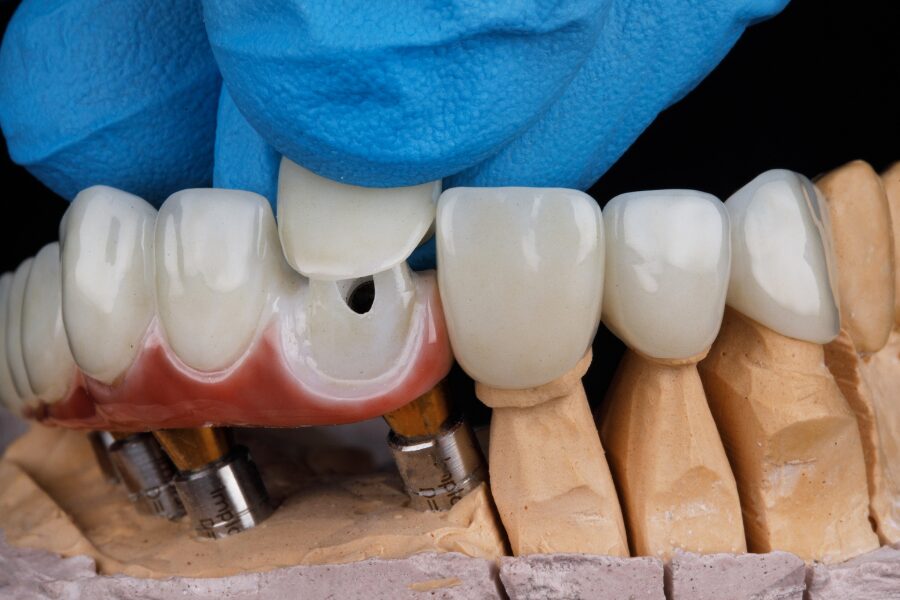
Protecting Temporary Restorations After Tooth Preparation
Temporary crowns or veneers act as protective shields after tooth preparation. They maintain spacing, protect dentin, and support aesthetics while the final prosthesis is being fabricated. However, these provisional solutions are not as strong as permanent ones.
Because of this, habits matter. Chewing very hard foods, grinding teeth, or using teeth as tools may compromise temporary materials placed after tooth preparation. If a temporary crown feels loose, it may allow bacteria or air to contact the prepared surface.
Protective behaviors after tooth preparation may include:
- Chewing on the opposite side when possible
- Avoiding sticky candies
- Not biting fingernails or pens
These simple steps reduce mechanical stress and help preserve stability after tooth preparation.
Lifestyle and Daily Habits That Influence Tooth Preparation Recovery
Healing is not limited to the mouth. Systemic factors can influence comfort after tooth preparation. Hydration, sleep quality, and stress levels may indirectly affect how tissues respond to dental procedures.
For example, adequate saliva supports natural remineralization and cleansing. Staying hydrated after tooth preparation helps maintain this protective mechanism. Similarly, clenching during stress may increase pressure on prepared teeth.
Lifestyle awareness may therefore complement clinical care. After tooth preparation, small daily habits can collectively shape how quickly the mouth feels normal again.
Scientific discussions often describe recovery as multifactorial. This means many small elements work together rather than one single solution after tooth preparation.
Timeline Expectations After Tooth Preparation
Patients frequently ask how long adaptation takes after tooth preparation. Experiences vary. Some people feel normal within hours, while others notice sensitivity for several days.
A general observation from clinical settings might look like this:
- Day 1 to 2: mild sensitivity or pressure
- Day 3 to 5: gradual stabilization
- After final restoration: comfort improves further
Understanding this timeline can reduce uncertainty. After tooth preparation, temporary sensations are often part of the adjustment process rather than signs of a problem.
Viewing recovery as a short transition rather than a complication can make the entire tooth preparation journey feel more manageable.
The period after tooth preparation is best described as an adaptation phase. Teeth, gums, and temporary restorations simply need time to adjust to their new environment. Sensitivity, dietary adjustments, and careful hygiene are all logical responses to the structural changes introduced during tooth preparation.
By understanding what typically happens after tooth preparation, patients can approach the process with confidence instead of concern. Thoughtful habits, gentle care, and awareness of normal reactions create a smoother path toward long term restorative success.
At WellDemir, education is considered as important as treatment itself. Clear information empowers patients to participate actively in their oral health decisions, especially during the tooth preparation phase and beyond.

 |
|