
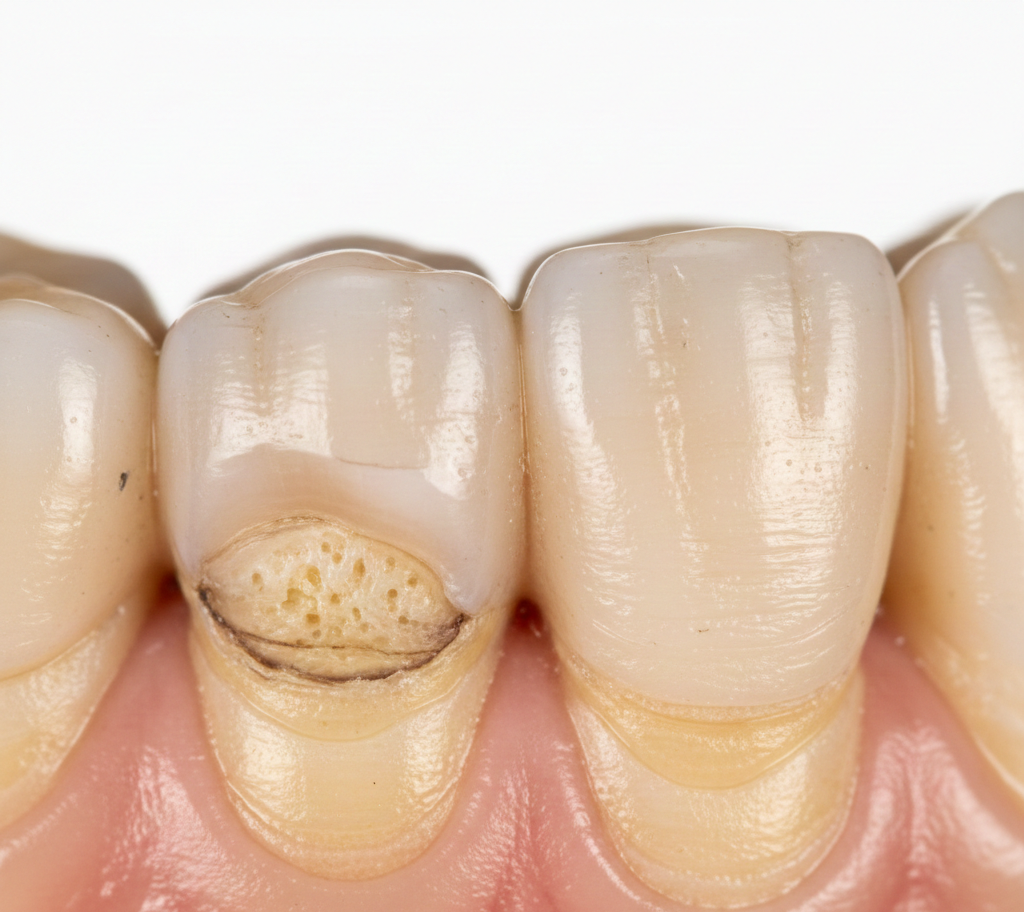
Tooth sensitivity is one of the most common yet misunderstood oral complaints worldwide. A sudden zing while drinking cold water or a sharp twinge when breathing winter air can disrupt daily comfort and even change eating habits. Although many people accept this sensation as normal, recurring tooth sensitivity often reflects subtle biological changes inside enamel, dentin, and the tiny nerve channels within the tooth. Understanding what drives tooth sensitivity and learning how it may be reduced can transform both oral comfort and long term dental health.
Table of Contents
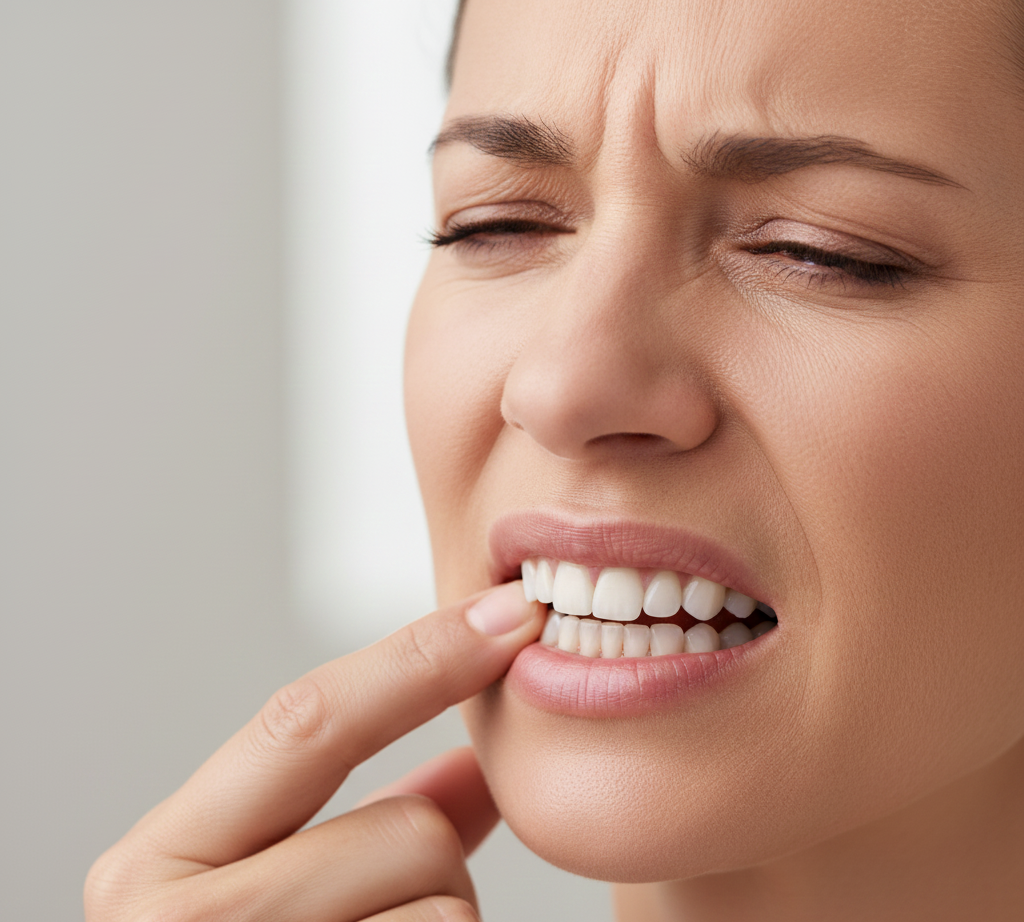
What Is tooth sensitivity and Why Does It Happen?
In simple terms, tooth sensitivity describes a short, sharp response to thermal, chemical, or tactile stimuli. Cold drinks, hot coffee, sweet desserts, or even brushing may trigger discomfort. This reaction occurs when dentin tubules, the microscopic channels beneath enamel, become exposed.
Healthy enamel normally protects these pathways. When enamel thins or gums recede, stimuli reach the dentin more easily. Fluid shifts inside the tubules activate the nerve endings, producing the familiar quick pain associated with tooth sensitivity.
Get Free Consultation
Have any questions? Leave your details and we'll get back to you shortly.
Researchers often compare this mechanism to a pressure sensor. When exposed, dentin behaves like a network of tiny straws that transmit changes rapidly. That is why tooth sensitivity tends to feel immediate and sharp rather than dull or persistent.
Common Causes of tooth sensitivity in Daily Life
Many everyday habits quietly contribute to tooth sensitivity without people realizing it. Enamel wear rarely happens overnight. Instead, it develops gradually through chemical and mechanical processes.
Acidic foods, carbonated drinks, and citrus fruits soften enamel. Over time, this erosion makes tooth sensitivity more likely. Aggressive brushing or hard bristles can also create microscopic scratches that expose dentin.
Other frequent contributors include:
- Gum recession
- Teeth grinding
- Whitening treatments
- Recent dental procedures
- Cracked or worn fillings
Each factor may increase the probability of tooth sensitivity, especially when combined. For example, enamel erosion plus gum recession often amplifies the intensity of tooth sensitivity.
The Biology Behind tooth sensitivity and Dentin Exposure
From a biological perspective, tooth sensitivity is closely linked to dentin permeability. Dentin contains thousands of tubules connected directly to the pulp. When enamel or cementum recedes, these channels become open highways for stimulation.
Laboratory observations show that increased tubule diameter often correlates with stronger tooth sensitivity. In other words, the wider the pathway, the easier it is for temperature or osmotic changes to trigger nerve responses.
Inflammation may also intensify tooth sensitivity. Even mild gum irritation can lower the threshold at which nerves react. That is why people sometimes report stronger tooth sensitivity during periods of stress or hormonal changes.
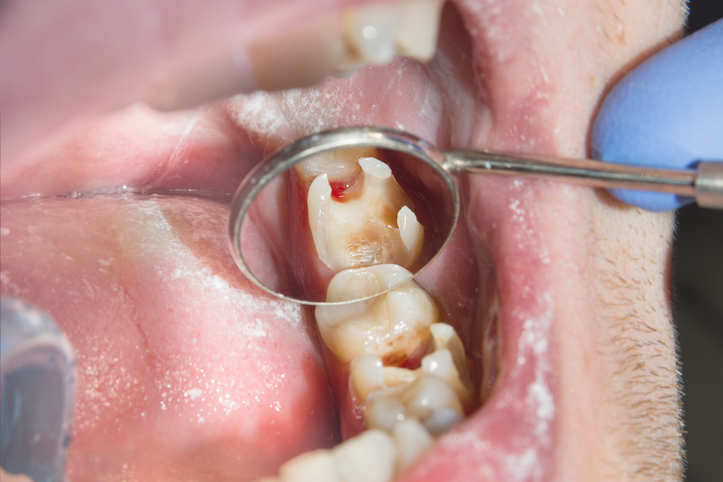
How to Reduce tooth sensitivity with Smart Oral Care Habits
While tooth sensitivity cannot always be eliminated instantly, certain habits may reduce its frequency. Gentle, consistent care tends to be more effective than aggressive cleaning.
Switching to a soft bristle brush helps protect enamel and gums. Many individuals notice that milder brushing decreases tooth sensitivity within weeks. Using desensitizing toothpaste can also support tubule occlusion, a process that partially blocks nerve stimulation.
Additional supportive strategies include:
- Avoiding overly acidic drinks
- Rinsing with water after meals
- Waiting before brushing softened enamel
- Using fluoride products
Together, these steps may gradually lessen tooth sensitivity and reduce future episodes of tooth sensitivity.
Professional Approaches for Persistent tooth sensitivity
When home care is not enough, professional evaluation becomes important. Dentists often analyze the source of tooth sensitivity rather than simply masking symptoms.
In clinical settings, fluoride varnishes, bonding agents, or sealants may be applied to protect exposed dentin. These materials aim to reduce tooth sensitivity by forming a physical barrier. In some cases, gum grafting or restorative procedures address structural causes.
Scientific reviews suggest that combining preventive care with targeted treatments may significantly lower chronic tooth sensitivity. For people with long standing tooth sensitivity, individualized plans tend to provide better outcomes than one size fits all methods.
Lifestyle Factors That Influence tooth sensitivity
Interestingly, tooth sensitivity is not only a dental issue but also a lifestyle phenomenon. Stress related clenching, high sugar diets, and frequent snacking can all increase exposure to conditions that worsen tooth sensitivity.
Athletes who consume sports drinks regularly often report higher rates of tooth sensitivity due to repeated acid exposure. Similarly, people who follow whitening trends without supervision may notice temporary spikes in tooth sensitivity.
Below is a simplified comparison:
| Factor | Possible Effect on tooth surface | Link to tooth sensitivity |
| Acidic drinks | Enamel softening | Higher risk |
| Hard brushing | Mechanical wear | Increased exposure |
| Grinding | Micro cracks | Greater response |
| Gum recession | Dentin exposure | Strong association |
This relationship shows that tooth sensitivity often reflects cumulative habits rather than a single event.
Long Term Prevention of tooth sensitivity for Stronger Teeth
Prevention focuses on preserving enamel and supporting gum stability. Instead of reacting only when pain appears, consistent protection may keep tooth sensitivity at manageable levels.
Balanced nutrition plays a role. Minerals such as calcium and phosphate contribute to enamel integrity. Hydration helps maintain saliva flow, which buffers acids and may reduce tooth sensitivity.
Regular dental checkups also allow early detection. Minor enamel wear or gum changes can be addressed before they develop into noticeable tooth sensitivity. Over time, these preventive steps create a protective environment that limits repeated tooth sensitivity episodes.
Understanding the Emotional Side of tooth sensitivity
Beyond biology, tooth sensitivity can influence behavior and mood. People often avoid cold foods, hot drinks, or social dining experiences because they expect discomfort. This anticipation may subtly reduce quality of life.
Studies in oral health psychology indicate that recurring tooth sensitivity sometimes leads to altered eating patterns. Individuals may choose softer, less nutritious foods simply to avoid triggering tooth sensitivity.
By identifying triggers and learning protective strategies, many regain confidence. When tooth sensitivity becomes predictable and manageable, daily life feels less restricted and more enjoyable.
Although tooth sensitivity is common, it is not something that must be silently endured. It usually signals that enamel protection, gum coverage, or lifestyle balance has changed. By understanding the science behind tooth sensitivity, recognizing triggers, and adopting gentle preventive habits, people can often reduce the frequency of discomfort.
WellDemir aims to present clear, evidence informed insights so readers can make thoughtful decisions about oral health. If tooth sensitivity persists or intensifies, professional evaluation may help uncover underlying causes and provide personalized options. Knowledge is often the first step toward comfort.

 |
|