
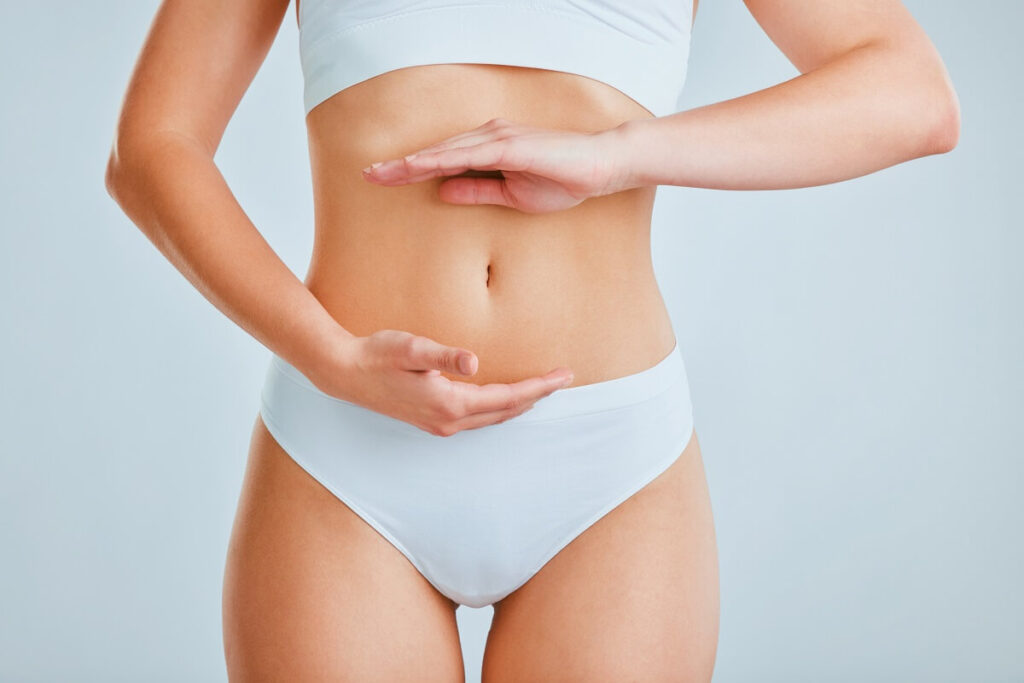
Tummy Tuck surgery has become one of the most discussed body contouring procedures in modern aesthetic medicine. At WellDemir, we approach Tummy Tuck procedures not as trends, but as carefully evaluated surgical solutions designed for specific anatomical and lifestyle situations. Understanding who is a good candidate for a Tummy Tuck requires more than looking at before and after photos. It involves physiology, expectations, and long term body stability.
Abdominoplasty, often referred to as a Tummy Tuck, focuses on reshaping the abdominal region by addressing excess skin, localized fat accumulation, and weakened abdominal muscles. While it is widely associated with post pregnancy bodies, the reality is much broader and scientifically nuanced. This comprehensive guide explores candidacy criteria, procedural variations, risk considerations, and long term outcomes through an evidence informed lens.
Table of Contents
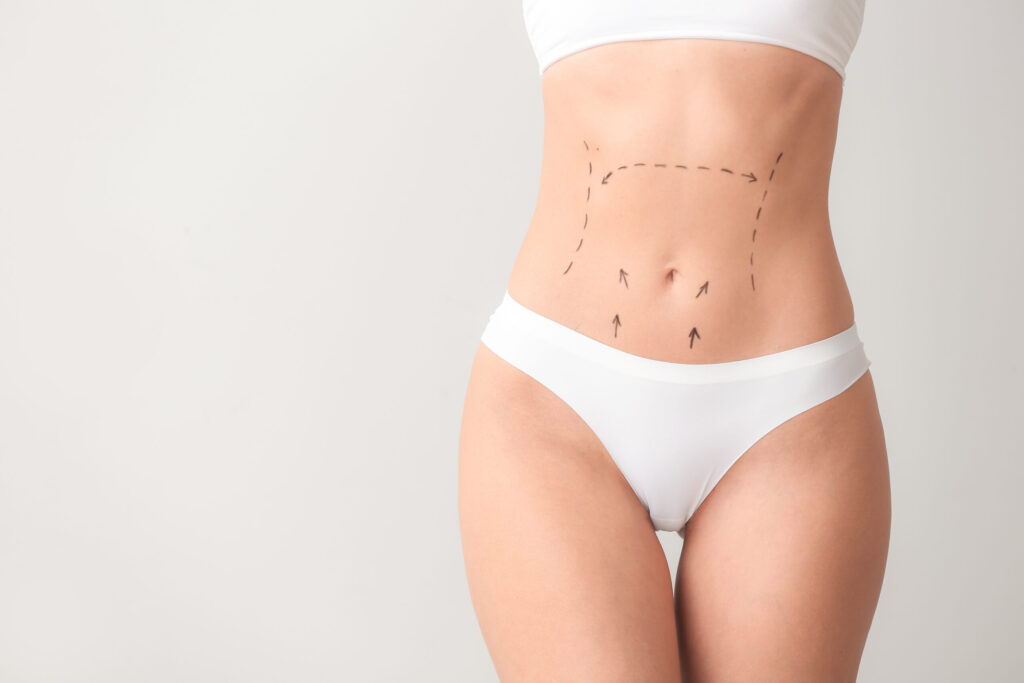
What Is Tummy Tuck Surgery and How Does It Work?
A Tummy Tuck is a surgical body contouring procedure that aims to improve abdominal firmness and contour. Unlike liposuction, which targets fat alone, a Tummy Tuck typically involves skin removal and, when necessary, tightening of the rectus abdominis muscles. This muscle repair component is especially relevant in cases of diastasis recti.
Get Free Consultation
Have any questions? Leave your details and we'll get back to you shortly.
The procedure works by removing redundant lower abdominal skin and repositioning the remaining tissue for a smoother appearance. In full abdominoplasty techniques, the navel may be reshaped or repositioned. Mini abdominoplasty variations are more limited in scope and focus primarily on the area below the belly button.
From a structural perspective, the abdominal wall consists of skin, subcutaneous fat, fascia, and muscle. A Tummy Tuck primarily addresses the superficial layers and the fascial support system, not the internal organs or visceral fat. This distinction is important when assessing realistic expectations.
Who Is a Good Candidate for Tummy Tuck?
Determining candidacy for a Tummy Tuck involves evaluating several interrelated factors rather than relying on weight alone. Research in aesthetic surgery suggests that individuals with stable body weight, localized skin laxity, and muscle separation tend to benefit most from a Tummy Tuck.
Key Characteristics of Potential Candidates
- Stable weight for at least several months
- Noticeable abdominal skin excess
- Post pregnancy muscle laxity
- Non smoker or willing to pause smoking
- Realistic expectations regarding outcomes
Many candidates are individuals who have experienced significant weight loss. After bariatric surgery or lifestyle based weight reduction, the skin may not retract adequately. In such cases, a Tummy Tuck can help improve contour consistency.
It is equally important to note who may not be ideal candidates. Individuals planning future pregnancies or major weight fluctuations may be advised to postpone a Tummy Tuck, as changes in abdominal volume can influence long term results.
Tummy Tuck After Pregnancy: Anatomical Considerations
Pregnancy often stretches both skin and muscle tissue. In many women, the rectus muscles separate along the midline, a condition known as diastasis recti. A Tummy Tuck can address this separation by approximating the muscles and reinforcing the abdominal wall.
However, not every postpartum abdomen requires a Tummy Tuck. Some individuals regain skin elasticity and muscle tone through time and targeted exercise. The distinction lies in tissue quality. When collagen fibers are significantly overstretched, natural recovery may be limited.
Scientific discussions in plastic surgery literature highlight that repairing muscle laxity during a Tummy Tuck may improve core stability perception, although it should not be interpreted as a functional orthopedic solution. The procedure is aesthetic in intention, even if secondary benefits are reported by patients.

Types of Tummy Tuck Procedures and Their Differences
There is no single standardized Tummy Tuck technique. Surgical planning depends on anatomy, skin distribution, and patient goals.
Comparative Overview
| Procedure Type | Target Area | Muscle Repair | Scar Length |
| Mini Tummy Tuck | Below navel | Sometimes | Shorter |
| Full Tummy Tuck | Entire abdomen | Yes | Moderate |
| Extended Tummy Tuck | Abdomen and flanks | Yes | Longer |
A mini Tummy Tuck may suit individuals with minimal lower abdominal laxity. A full Tummy Tuck addresses both upper and lower regions and commonly includes muscle tightening. Extended variations are often considered after major weight loss.
The choice is not purely aesthetic but structural. Tissue redundancy patterns, previous scars, and skin elasticity all guide the surgical plan. At WellDemir, individualized evaluation ensures that each Tummy Tuck approach aligns with anatomical needs rather than generalized trends.
Recovery Timeline and What to Expect After Tummy Tuck
Recovery after a Tummy Tuck varies depending on surgical extent and individual healing response. Most patients describe early tightness and swelling, which gradually decreases over weeks.
General Phases of Recovery
- First week: Limited mobility and supportive garments
- Weeks two to four: Gradual return to light activity
- After six weeks: Progressive normalization of movement
Scientific observations indicate that tissue remodeling continues for several months. Scar maturation can take up to a year, during which color and firmness evolve. Understanding this timeline helps contextualize the outcome of a Tummy Tuck beyond the initial postoperative phase.
Emotional adaptation is another dimension rarely discussed. Body image shifts may require adjustment. Transparent communication before a Tummy Tuck supports healthier expectations and postoperative satisfaction.
Risks, Limitations, and Long Term Outcomes of Tummy Tuck
Like any surgical procedure, a Tummy Tuck carries inherent risks. These may include swelling, fluid accumulation, or delayed wound healing. Risk profiles vary depending on overall health, surgical technique, and adherence to postoperative guidance.
Long term results of a Tummy Tuck are closely linked to weight stability. Significant weight gain or pregnancy after surgery may alter abdominal contour. While muscle repair is durable, surrounding tissues respond to lifestyle changes.
It is also important to recognize limitations. A Tummy Tuck does not replace weight loss strategies. It does not directly improve metabolic health or remove visceral fat. Its purpose is contour refinement rather than systemic transformation.
Psychological and Lifestyle Considerations Before Tummy Tuck
Choosing a Tummy Tuck often reflects a deeper desire for body alignment after life transitions. Weight loss journeys, motherhood, or aging can shift how individuals relate to their bodies.
Studies in aesthetic psychology suggest that satisfaction rates increase when motivations are internally driven rather than externally pressured. A Tummy Tuck is most fulfilling when aligned with personal comfort rather than social comparison.
Lifestyle sustainability also matters. Balanced nutrition, regular activity, and stable routines contribute to preserving Tummy Tuck results. Surgery reshapes tissue, but habits maintain outcomes.
Is Tummy Tuck the Right Step for You?
A Tummy Tuck is not defined by trends or social media narratives. It is a structured surgical procedure intended for specific anatomical concerns such as skin redundancy and muscle laxity. The ideal candidate for a Tummy Tuck is someone with stable weight, realistic expectations, and clearly identified abdominal contour concerns.
At WellDemir, the philosophy surrounding Tummy Tuck surgery emphasizes individualized evaluation, anatomical precision, and transparent communication. While no procedure guarantees perfection, informed decision making significantly shapes satisfaction.
Ultimately, understanding candidacy, limitations, and long term dynamics allows individuals to approach Tummy Tuck surgery with clarity rather than assumption. When thoughtfully considered, a Tummy Tuck can serve as a strategic contouring option within a broader journey of body confidence.

 |
|