
When people talk about a “healthy smile,” they often think only of white, straight teeth. Yet gum diseases quietly shape the future of that smile far more than most realize. These conditions live in the soft tissue around your teeth, often starting silently and progressing slowly, sometimes for years, before anyone feels real discomfort. Understanding how they develop and how they might be kept under control has become a central topic in modern dentistry and oral biology.
Researchers and clinicians have been looking at the gums not just as a frame for the teeth, but as a living, reactive tissue that constantly negotiates with millions of bacteria. That ongoing negotiation explains why gum diseases can look so different from one person to another, even when they seem to follow similar habits.
Table of Contents
Understanding Gum Diseases: More Than Just Bleeding Gums
The phrase gum diseases usually covers a spectrum of inflammatory conditions affecting the tissues that support the teeth. In day‑to‑day conversations, two main stages often come up: gingivitis and periodontitis. They are related, but they are not the same thing, and not everyone with gingivitis will inevitably move on to deeper tissue damage.
Get Free Consultation
Have any questions? Leave your details and we'll get back to you shortly.
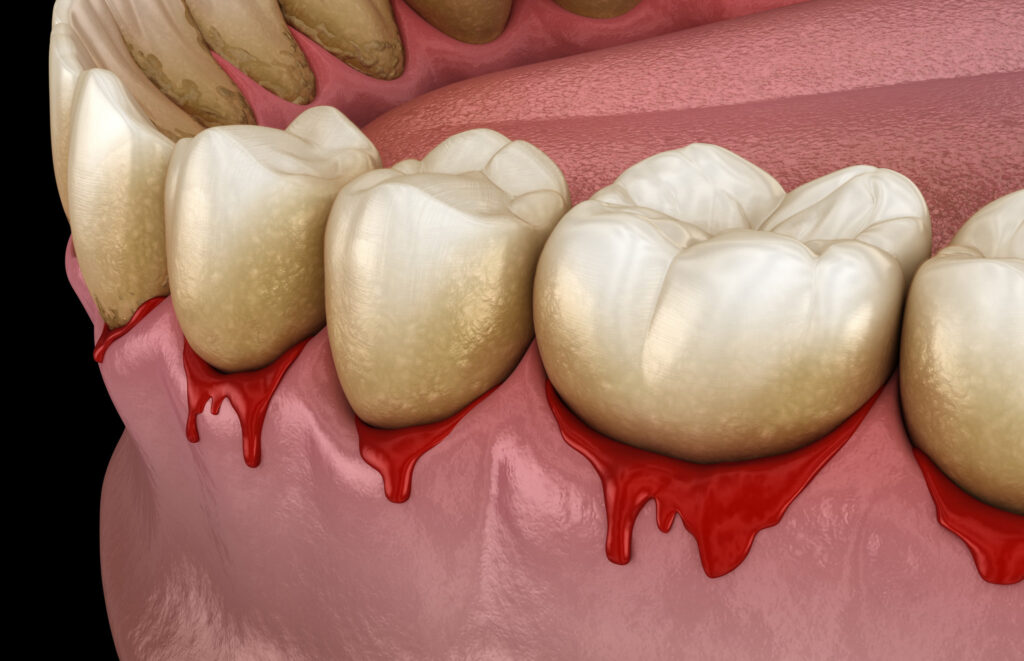
Gingivitis is often described as the earliest, surface‑level form of gum diseases. It typically involves redness, swelling, and bleeding when brushing or flossing. At this stage, the inflammation is usually limited to the soft tissue. Detailed imaging and microscopic studies often show that the bone and deeper supporting structures may still be intact, even when the gums look irritated.
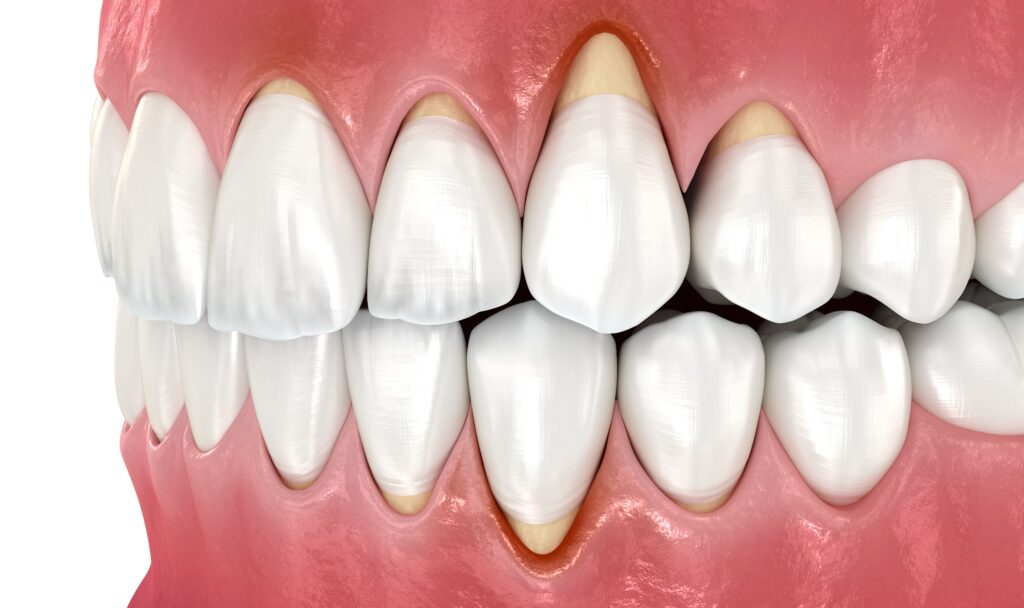
Periodontitis, on the other hand, represents a more advanced expression of gum diseases, where the inflammatory process appears to reach the bone and the ligament that anchor teeth in place. Long‑term observations from clinical practices suggest that this stage is associated with slow, sometimes irregular loss of attachment, leading in some people to tooth mobility or even tooth loss. However, the pace of this progression seems to differ widely: some mouths remain relatively stable for years, while others show faster changes despite similar daily routines.
How Gum Diseases Develop: A Delicate Balance Gone Off Track
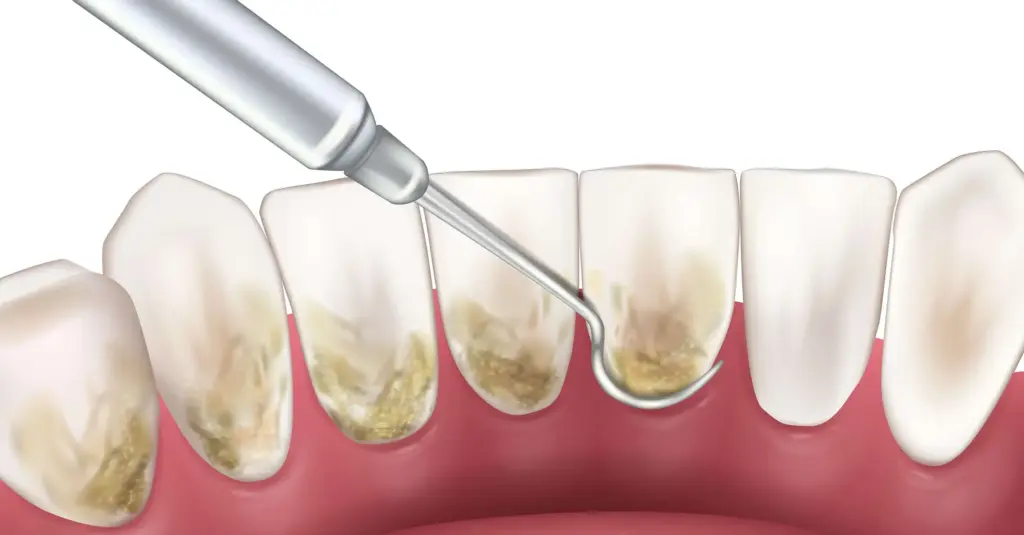
To understand how gum diseases develop, it helps to imagine the mouth as a densely populated ecosystem. Soft and hard surfaces are constantly coated with a thin film of saliva, proteins, and microorganisms. Over time, this film can organize into dental plaque, a structured biofilm rather than just a random collection of bacteria.
Most modern models of gum diseases focus on the relationship between this biofilm and the host’s immune response. It is not simply the presence of bacteria that matters, but how the body chooses to respond to them. Some studies suggest that small changes in the types of bacteria, or in the way immune cells react, may shift the balance from a mostly peaceful coexistence to a chronic, low‑grade inflammatory state around the gums.
In many people, routine toothbrushing and mechanical cleaning seem to keep this balance in check. Yet others appear more prone to inflammation even with similar levels of visible plaque. Genetic tendencies, overall health status, and even hormonal variations are being examined as potential contributors. Rather than viewing gum diseases as a single, one‑directional process, researchers more often describe it as a set of overlapping pathways influenced by local and systemic factors.
Key Risk Factors Behind Gum Diseases
When clinicians talk about “risk factors” for gum diseases, they are not usually predicting a guaranteed outcome. Instead, they are highlighting patterns repeatedly observed in groups of people. These patterns suggest that certain conditions or habits are often seen more frequently in individuals with ongoing gum inflammation.
Below is a simplified look at commonly discussed factors:
| Potential Factor | How It May Relate to Gum Health* |
| Plaque and tartar accumulation | Creates a stable home for bacteria associated with inflammation |
| Smoking or tobacco products | Often linked to altered blood flow and immune response in the gums |
| Irregular oral hygiene routines | May allow biofilm to mature and become more resilient |
| Uncontrolled systemic conditions | Some metabolic states appear connected to higher inflammation |
| Hormonal changes | Certain life stages show more gum sensitivity |
| Genetic background | Some families show higher susceptibility patterns |
*These relationships are still the subject of ongoing research and individual variation.
From the perspective of gum diseases, these factors often appear to interact. For example, a person with a genetic tendency toward stronger inflammatory responses might see more obvious gum changes in the presence of even moderate plaque, especially if combined with lifestyle elements like smoking. Another person might have similar plaque levels but far milder visible inflammation.
Because of this complexity, many dental professionals emphasize a personalized look at gum diseases. Rather than assuming that one factor alone explains everything, they tend to consider combinations: daily routine, medical history, family background, and even stress patterns that might influence behaviors and immune responses.
How Gum Diseases Affect Overall Health
One of the most interesting developments in the study of gum diseases is the growing attention to how oral inflammation may be associated with the rest of the body. Gums are richly supplied with blood vessels, and when they are chronically inflamed, various inflammatory molecules and bacterial products are potentially more likely to reach the circulation.
A number of observational studies have reported links between gum diseases and conditions such as cardiovascular disease, certain metabolic imbalances, or complications in pregnancy. It is important, however, to distinguish association from direct cause. At this time, many researchers are careful to point out that the relationship is complex: people with gum problems may also share other lifestyle or health factors that influence these systemic conditions.
Still, the notion that gum diseases might form part of a broader inflammatory profile has encouraged more integrated approaches in health care. Some physicians and dentists now communicate more closely about shared patients, especially those with chronic conditions. This is not necessarily because treating the gums alone will solve all systemic issues, but because it may be one piece of a larger health puzzle.
From a practical standpoint, people sometimes notice that when they pay more attention to oral habits, they also become more aware of diet, sleep, and stress management. In that sense, working on gum diseases can sometimes act as a visible, daily reminder of broader self‑care, even if the exact biological pathways are still being mapped out.
Everyday Habits That May Help Manage Gum Diseases
Discussions about preventing or managing gum diseases often circle back to daily routines. While no single method guarantees perfect gums for everyone, certain patterns keep appearing in long‑term observations, clinical reports, and public health recommendations.
Here are some everyday elements often mentioned when talking about gum diseases and their control:
- Mechanical cleaning of teeth and gums
Regular brushing and interdental cleaning (such as floss or other tools) aim to disrupt the dental biofilm before it becomes too mature. Different people may respond differently to various techniques or tools, but the general idea is to avoid leaving plaque undisturbed for long periods. - Attention to gumline and interdental spaces
Many expressions of gum diseases seem to start at the margin between tooth and gum, or in the spaces between teeth. Spending a little more time exploring these areas gently, rather than only the visible surfaces of teeth, is often encouraged in educational materials. - Choice of oral care products
Toothbrush types, bristle softness, toothpaste formulations, and mouthrinses are all being studied for their impact on gum diseases. No single product appears ideal for absolutely everyone, but items designed to be gentle on tissue while effectively removing plaque are frequently highlighted in professional discussions. - Regular professional examinations
Periodic assessments by dental teams are commonly recommended, especially for people who have already shown signs of gum diseases in the past. Professionals can monitor subtle changes that are not easily noticed at home, such as pocket depth or specific bleeding patterns. - Lifestyle considerations
Elements such as smoking, diet high in fermentable carbohydrates, sleep quality, and stress may influence how gum diseases behave. While it is difficult to isolate each component in real life, people often report that multi‑pronged improvements in daily living can coincide with more stable gum conditions.
The core idea is not to chase perfection, but to reduce the conditions that make gum diseases more likely to flare up or progress. Many people find that building small, sustainable habits works better over time than drastic, short‑lived changes.
Diagnosing and Monitoring Gum Diseases Over Time
Another important side of gum diseases is how they are identified and tracked. Diagnosis is not usually based on a single sign, but on a combination of visual inspection, probing measurements, radiographs, and in some advanced settings, microbiological or genetic tests.
Clinicians often look at:
- Color and contour of the gums
- Presence and pattern of bleeding on gentle probing
- Depth of the space between tooth and gum
- Mobility or shifting of teeth over time
- Radiographic signs of bone level changes
In the context of gum diseases, these findings act like pieces of a story, revealing how the tissues have reacted over months or years. For example, a site with repeated bleeding and increasing depth may suggest ongoing activity, while a stable site with shallow measurements might indicate current calm.
Monitoring is just as crucial as initial diagnosis. Gum diseases can move through phases of activity and relative remission. Some appointments may show minimal change, while others reveal new bleeding areas or pockets. Many periodontists and hygienists view these check‑ups as opportunities to adjust home care strategies, identify early warning signs, and, when needed, plan more targeted interventions.
Emerging technologies such as digital scanners, advanced imaging, and biomarkers in saliva or crevicular fluid are being explored as future tools that might offer even finer tracking of gum diseases. While not yet routine everywhere, these directions suggest that gum assessment may become increasingly precise in the coming years.
The Future of Gum Health: What Research on Gum Diseases Is Exploring
The story of gum diseases is still being written. Laboratories and clinics worldwide are exploring new angles: the oral microbiome, host‑modulation therapies, tissue regeneration, and personalized risk profiling. Each of these fields offers a different lens on why some gums remain resilient while others show recurring inflammation.
Some researchers focus on the bacteria associated with gum diseases, exploring how shifts in the microbial community might turn a relatively harmless biofilm into a more aggressive one. Others look at the host side, particularly how immune cells communicate and how inflammation is turned on or off. There is also growing interest in how systemic medications, diet patterns, and even the gut microbiome might interact with gum health.
From the perspective of a patient or an interested reader, this means that strategies for addressing gum diseases are likely to become more tailored over time. Instead of one universal recipe, the trend seems to be moving toward individualized plans that consider a person’s unique biology, habits, and expectations.
WellDemir, as a provider engaged with modern oral care thinking, follows these developments with close attention. The intention is to translate complex research on gum diseases into practical, understandable guidance that respects both scientific nuance and everyday realities. As understanding deepens, the goal is not only to react to gum problems but to anticipate and shape a healthier environment in which they are less likely to thrive.
Rethinking Gum Diseases as a Long‑Term Partnership With Your Mouth
Looking at the big picture, gum diseases are less a sudden event and more a long‑term conversation between your tissues, your microbiome, and your daily choices. They tend to evolve gradually, with many opportunities along the way to notice small changes, adjust routines, and seek professional insight when something seems off.
Instead of viewing gums as passive background for your teeth, it can be helpful to see them as active, responsive tissue. They swell, redden, and bleed not just randomly, but as part of a complex defensive strategy. Sometimes that defense becomes overactive or chronic, and that is where gum diseases become visible and concerning.
By paying attention to subtle signs, by developing consistent yet realistic home care habits, and by using the expertise of dental professionals as a resource rather than a last resort, many people find that they can keep gum diseases under better control. The aim is not perfection, but a stable, comfortable balance that allows your gums to support your smile for years to come.
WellDemir’s approach is to treat gum health as an integral part of overall well‑being, informed by evolving research and grounded in practical experience. As science continues to refine our understanding of gum diseases, the hope is that more people will feel equipped not only to react to problems, but to understand the subtle early stages and act with greater confidence and curiosity.

 |
|