
Whiten Teeth is one of the most searched cosmetic dental topics today, reflecting the modern desire for brighter, healthier looking smiles. People often associate lighter tooth coloration with youthfulness, hygiene, and aesthetic confidence. At WellDemir, oral beauty and functional dental care are considered equally important. The idea of teeth brightening is not limited to cosmetic satisfaction; it also intersects with psychology, nutrition, and preventive dentistry. When someone asks what can be done to Whiten Teeth, the answer is usually more complex than simply applying a bleaching gel.
The natural color of teeth varies between individuals due to genetics, enamel thickness, lifestyle habits, and aging processes. Some people are born with slightly warmer tooth tones, while others maintain relatively lighter enamel shades throughout life. Over time, coffee consumption, smoking, and certain medications can cause discoloration. Therefore, the journey to Whiten Teeth should be evaluated as a combination of biological care and aesthetic intervention rather than a single miracle solution.
Table of Contents
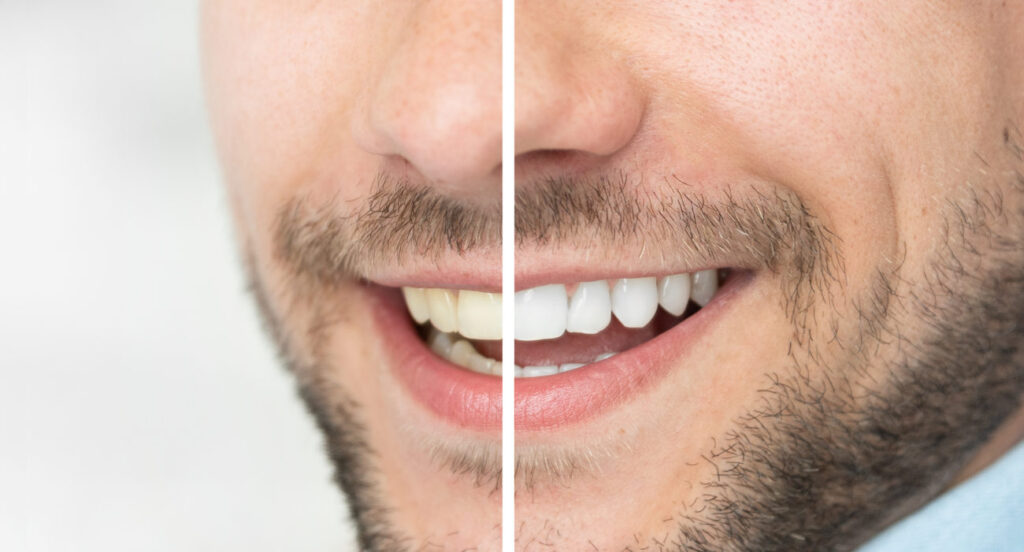
What Does Whiten Teeth Mean in Modern Dentistry?
The term Whiten Teeth generally refers to reducing extrinsic and intrinsic stains on the dental surface. Extrinsic stains usually occur on the outer enamel layer and are caused by pigments from food, beverages, or tobacco use. Intrinsic discoloration happens deeper within the tooth structure and may be influenced by developmental factors or chemical exposure during tooth formation.
Get Free Consultation
Have any questions? Leave your details and we'll get back to you shortly.
Modern dentistry views Whiten Teeth as a controlled enamel lightening process rather than aggressive color removal. The goal is not to make teeth unnaturally white but to restore their natural brightness. Researchers often emphasize that dental color perception is influenced by surrounding facial features, lighting conditions, and even lip pigmentation.
Scientific approaches to Whiten Teeth focus on oxidation chemistry. Whitening agents release oxygen molecules that break down chromogenic compounds inside enamel microstructures. This reaction gradually reduces visible stains without mechanically damaging the tooth surface when applied correctly.
People frequently misunderstand whitening as a permanent solution. However, tooth coloration is dynamic. New staining agents can accumulate after treatment if lifestyle factors remain unchanged. Thus, maintaining results after Whiten Teeth procedures requires behavioral awareness.
Natural Methods to Whiten Teeth
Many individuals search for home based techniques to achieve Whiten Teeth without visiting dental clinics. Natural whitening methods are popular because they are perceived as safer and more affordable. One commonly discussed approach is using baking soda mixtures to gently polish enamel surfaces. The mild abrasiveness may help remove surface stains but should be used cautiously because excessive friction can weaken enamel integrity.
Another traditional method involves oil pulling practices. Some cultural dentistry discussions suggest that swishing natural oils in the mouth may reduce bacterial load and improve oral freshness. While scientific evidence is still developing, some users report subjective improvements in tooth brightness after consistent use.
Dietary adjustments also influence natural attempts to Whiten Teeth. Increasing consumption of fibrous fruits and vegetables may stimulate saliva production, which acts as a natural cleansing agent inside the mouth. Saliva helps neutralize acids and wash away staining molecules before they attach strongly to enamel.
Interestingly, herbal extracts have been studied for their mild whitening potential. Certain plant compounds contain antibacterial and antioxidant properties that may indirectly support dental brightness. However, natural methods alone rarely produce dramatic cosmetic changes, and they are usually better suited for stain prevention rather than intensive Whiten Teeth restoration.
Professional Dental Treatments for Whiten Teeth
Professional dental whitening remains the most effective approach for individuals seeking noticeable and fast results. Clinics use high concentration peroxide formulations combined with controlled light activation systems. These procedures aim to accelerate oxidation reactions responsible for color lightening.
Laser assisted procedures are often marketed as advanced solutions for Whiten Teeth. During treatment, energy waves enhance chemical penetration into enamel layers. This method is usually supervised by trained dental professionals because incorrect dosage may cause temporary sensitivity or gum irritation.
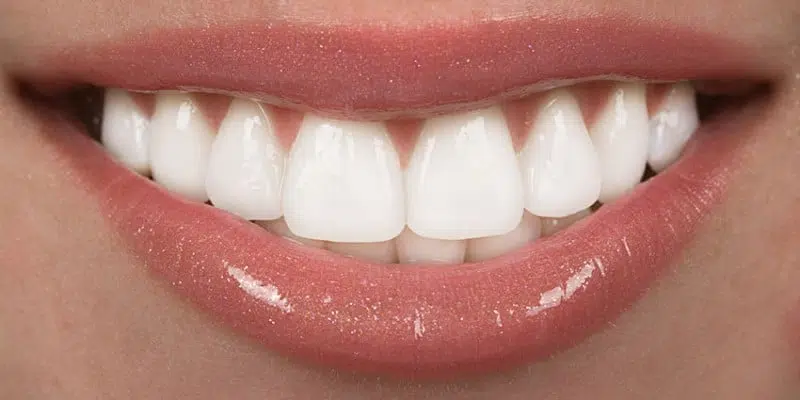
Custom tray whitening systems represent another professional option. Dentists prepare personalized mouth trays filled with whitening gel. The patient continues treatment at home under clinical guidance. This method allows gradual control of color change while reducing the risk of excessive whitening.
Professional intervention is particularly important when discoloration originates from internal factors such as medication effects or developmental enamel irregularities. In such cases, cosmetic polishing alone cannot effectively achieve desired Whiten Teeth results.
Foods and Habits That Influence Whiten Teeth
Daily nutrition plays a subtle but continuous role in oral coloration. Certain beverages such as coffee, red wine, and strongly colored teas contain pigment molecules that adhere to enamel surfaces. Limiting excessive consumption of these substances can help preserve Whiten Teeth outcomes after treatment.
Smoking remains one of the most significant contributors to dental yellowing. Nicotine and tar compounds bind strongly to enamel microtextures, creating persistent brownish layers over time. Eliminating smoking habits is therefore considered one of the strongest supportive strategies for long term Whiten Teeth maintenance.
On the positive side, crunchy fruits like apples or pears may assist mechanical cleaning through chewing action. These foods stimulate saliva flow and provide mild frictional polishing. Dairy products containing calcium and phosphate may also support mineral balance within tooth structure, indirectly helping sustain natural brightness.
Hydration is another underrated factor. Drinking sufficient water helps dilute oral pigments and supports continuous self cleansing mechanisms inside the mouth, which contributes to healthier looking Whiten Teeth appearance.
Scientific Mechanisms Behind Whiten Teeth
The chemistry of tooth whitening is mainly based on peroxide decomposition reactions. Hydrogen peroxide or carbamide peroxide releases reactive oxygen species that interact with organic stain molecules inside enamel pores. These reactions break double bond chromophores responsible for yellow or brown coloration.
Enamel structure is semi porous at microscopic level. Whitening molecules penetrate these microchannels and oxidize colored compounds gradually. Researchers note that treatment efficiency depends on concentration, exposure time, and initial tooth condition.
Sensitivity during whitening is sometimes reported because peroxide agents may temporarily affect nerve endings in dentin layers. This reaction is usually reversible and decreases after treatment completion. Modern dental products aim to balance whitening power with protective additives.
The long term effectiveness of Whiten Teeth procedures also depends on saliva chemistry, oral microbiome balance, and enamel mineral density. Individuals with strong mineralized enamel generally maintain whitening results longer than those with thinner enamel layers.
How to Maintain Long Term Whiten Teeth Results
After achieving desired brightness, protecting the smile becomes equally important. Regular dental hygiene routines are essential. Brushing twice daily with recommended toothpaste formulations helps reduce new pigment accumulation.
Periodic professional dental checkups help monitor color stability and oral health status. Many dentists recommend touch up whitening sessions at certain intervals rather than repeating intensive treatments frequently.
Avoiding high staining foods immediately after whitening treatment is another practical strategy. The enamel surface may temporarily be more susceptible to pigment absorption during the early post treatment period.
Psychologically, maintaining realistic expectations is crucial. Perfectly white teeth do not necessarily represent natural oral health. Balanced tooth color harmony is usually considered more aesthetically pleasing than artificial extreme whiteness.
The Role of Cosmetic Dentistry in Whiten Teeth
Cosmetic dentistry has transformed modern smile aesthetics by combining biology and art. Clinics use digital shade analysis tools to determine optimal whitening targets for each individual face structure.
At WellDemir, patient centered dental design is prioritized. Treatment plans are often customized according to oral anatomy, lifestyle patterns, and aesthetic preferences. The purpose is not simply to bleach teeth but to create natural looking brightness that complements overall facial expression.
Future developments in dental materials science may introduce longer lasting whitening solutions with reduced sensitivity risks. Researchers continue exploring enzyme based whitening technologies and nano structured enamel protective coatings.
The desire to Whiten Teeth reflects both aesthetic culture and health awareness. Whether through natural methods, professional clinical procedures, or lifestyle regulation, achieving brighter teeth requires a multidimensional understanding. Modern dentistry shows that tooth color improvement is not only a cosmetic intervention but also a reflection of oral ecosystem balance.
At WellDemir, smile aesthetics are approached scientifically and creatively. People seeking brighter smiles should evaluate their oral condition carefully and choose methods compatible with their biological structure.
Ultimately, true dental beauty comes from harmony between health, function, and visual appearance. The path to sustainable Whiten Teeth results is not a single treatment but a continuous oral care philosophy.

 |
|