
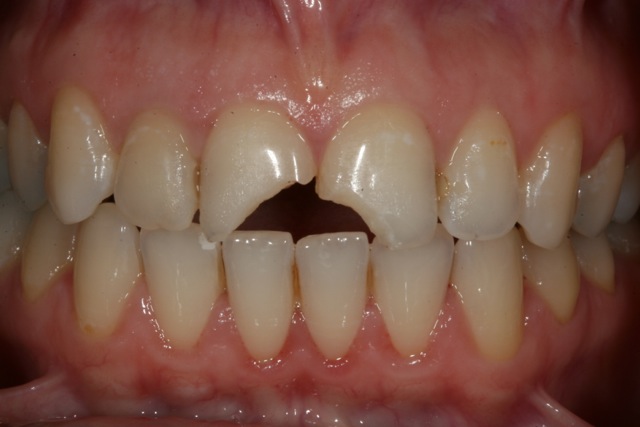
Tooth Cutting is often the first concept that comes to mind when people notice small changes in tooth shape, length, or symmetry. In daily conversations, it is sometimes described casually, yet the topic itself carries many layers of perception, expectation, and long term thinking. From aesthetics to function, Tooth Cutting raises questions that go beyond a single moment or visual result.
What makes this subject interesting is not only the act itself, but what comes after. People tend to focus on the immediate appearance, while the broader picture involves comfort, visual harmony, and how teeth interact with the rest of the face over time. Understanding these dimensions helps frame Tooth Cutting as part of a longer visual and functional story rather than a standalone action.
Table of Contents
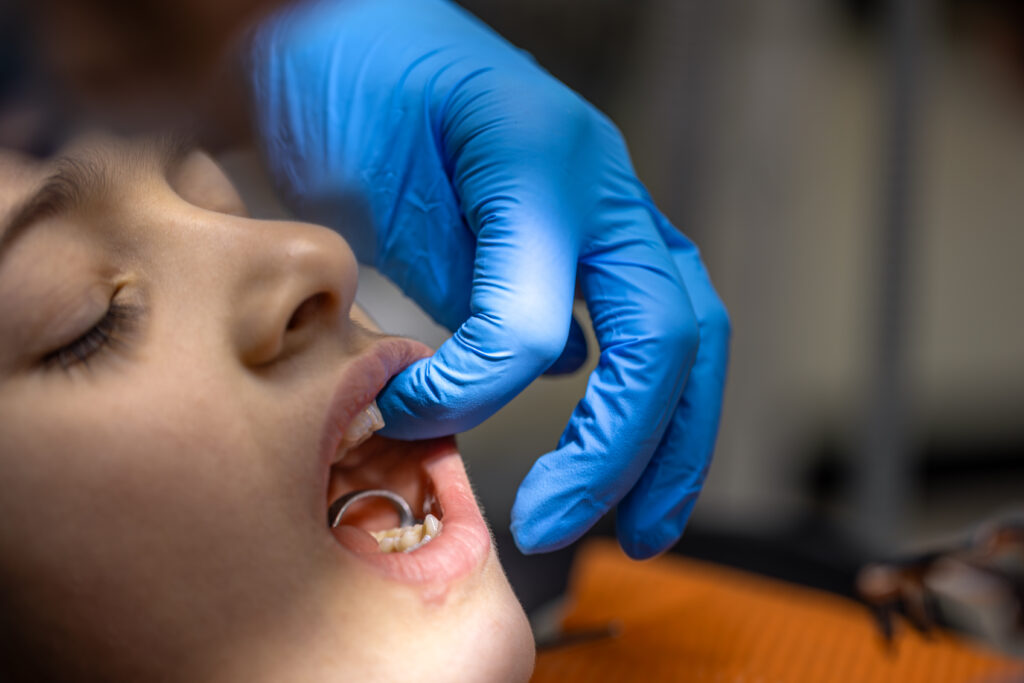
The Meaning of Tooth Cutting in Modern Dental Aesthetics
In contemporary discussions, Tooth Cutting is often associated with cosmetic refinement rather than necessity. Many people encounter the term while researching smile design, tooth reshaping, or subtle contour adjustments. The idea usually centers on making teeth appear more balanced within the smile line.
Get Free Consultation
Have any questions? Leave your details and we'll get back to you shortly.
At the same time, perception plays a major role. What one person sees as improvement, another may interpret as unnecessary alteration. This subjectivity makes Tooth Cutting an evolving concept shaped by trends, media imagery, and cultural expectations. Teeth are no longer viewed in isolation, but as elements of facial expression and identity.
From a broader perspective, tooth reshaping has become part of a visual language. Small changes can influence how a smile is read emotionally. This is why conversations around Tooth Cutting often blend science, aesthetics, and personal preference into a single narrative.
Tooth Cutting and Changes in Tooth Structure Perception
When people talk about Tooth Cutting, they often imagine a clear before and after contrast. In reality, changes in tooth structure are not always immediately noticeable. The way light reflects off enamel, the angle of a smile, or even lip movement can alter how results are perceived.
This leads to an interesting psychological effect. After Tooth Cutting, individuals may become more aware of their teeth than before. Minor asymmetries that once went unnoticed can suddenly feel prominent, even if they are subtle. This heightened awareness is part of how humans process visual change.
It is also worth noting that teeth naturally interact with each other. A slight modification in one area can influence how neighboring teeth appear. Because of this, Tooth Cutting is often discussed not as an isolated adjustment, but as part of a wider visual system within the mouth.
Visual Balance After Tooth Cutting
One of the most common considerations after Tooth Cutting is balance. Teeth exist within a framework that includes lips, gums, and facial proportions. A change that looks appealing in close up images may feel different in everyday expressions like laughing or speaking.
Visual balance is rarely about perfection. Many smiles that are considered attractive include small irregularities. After Tooth Cutting, people often reassess what balance means to them personally. Some prefer a polished look, while others value natural variation.
This is where expectations matter. Media images often present idealized smiles under controlled lighting. In real life, smiles are dynamic. Understanding this difference helps explain why reactions to Tooth Cutting outcomes can vary over time.
Tooth Cutting and Long Term Aesthetic Awareness
After Tooth Cutting, long term thinking becomes part of the conversation. Teeth change naturally with age, daily use, and environmental factors. A modification that looks subtle today may appear different years later as surrounding features evolve.
This does not mean change is negative. On the contrary, many people find that Tooth Cutting encourages them to become more mindful of their smile as a whole. The focus shifts from individual teeth to overall expression and confidence.
From an observational standpoint, this long term awareness is one of the most overlooked aspects of Tooth Cutting. It highlights that aesthetic perception is not static, but continuously shaped by time and context.
Cultural Attitudes Toward Tooth Cutting
Cultural background strongly influences how Tooth Cutting is viewed. In some societies, visible dental uniqueness is celebrated as a sign of character. In others, symmetry and uniformity are emphasized. These values shape expectations before and after any tooth reshaping discussion.
Global media has blurred these boundaries. People are exposed to a wide range of smiles from different cultures, which can shift personal preferences. As a result, Tooth Cutting is no longer judged by a single standard, but by a mix of local and global aesthetics.
This cultural diversity explains why opinions on Tooth Cutting are rarely unanimous. What feels like enhancement to one audience may feel unnecessary to another. Recognizing this diversity adds depth to how the topic is understood.
Tooth Cutting as Part of Smile Identity
A smile is deeply tied to identity, and Tooth Cutting can influence how people perceive themselves. Even small changes may alter how someone feels when smiling in photos or interacting socially. This emotional dimension is often stronger than the physical change itself.
Identity based reactions can evolve. Initial excitement may give way to reflection, or vice versa. Over time, Tooth Cutting often becomes less about the procedure and more about how naturally the smile fits into daily life.
This perspective frames Tooth Cutting not as a momentary adjustment, but as part of an ongoing relationship between appearance and self perception.
Media Influence on Post Procedure Perception
Modern media plays a major role in shaping how people interpret dental changes. High resolution images, close up videos, and curated social media posts can exaggerate even the smallest visual differences. After a dental reshaping process, individuals may compare themselves to edited images rather than real life smiles.
This constant exposure can subtly shift expectations. What once seemed balanced may later appear incomplete simply because of repeated exposure to idealized visuals. Media does not necessarily create dissatisfaction, but it often reframes how outcomes are evaluated over time.
Another important factor is timing. Images shared immediately after a change often look different from those taken months later. Lighting, facial expression, and even confidence levels affect how a smile is perceived, reinforcing the idea that visual judgment is fluid.
Psychological Adjustment and Visual Awareness
Any visible change to the teeth can increase self awareness. People often spend more time observing their smile in mirrors or photographs, noticing details that previously felt irrelevant. This psychological adjustment period is a natural response to change.
Over time, heightened awareness tends to soften. As the new appearance becomes familiar, attention shifts away from details toward overall expression. This adjustment highlights how perception adapts rather than remains fixed.
Interestingly, some individuals report that the change alters how they interpret other facial features. The smile becomes a reference point, influencing how balance and symmetry are perceived across the face.
Comparison Culture and Smile Evaluation
Side by side comparisons have become common in the digital age. People often place older photos next to newer ones, searching for visible differences. While this can be engaging, it may oversimplify a complex visual process.
Comparisons often ignore context. Age, camera quality, and facial posture can significantly affect how teeth appear. Without these considerations, conclusions may feel more dramatic than reality.
Despite this, comparison culture persists because it offers a sense of narrative. Viewers enjoy tracking visual journeys, even when changes are subtle. This narrative aspect keeps discussions alive and emotionally engaging.
The Role of Facial Movement in Visual Outcomes
A smile is not static. It changes with speech, laughter, and emotion. Teeth that appear perfectly aligned in a still image may look different in motion. This dynamic quality is often overlooked in evaluations.
Facial muscles, lip movement, and jaw position all influence how teeth are framed. Over time, people begin to notice how their smile behaves rather than how it looks in a single moment.
Understanding movement adds depth to perception. It shifts focus from isolated visuals to lived experience, where smiles are expressive rather than posed.
Time, Aging, and Visual Interpretation
Time naturally alters facial features. Lips may lose volume, skin texture changes, and expressions mature. These shifts influence how teeth are perceived, regardless of any earlier reshaping.
What feels prominent shortly after a change may blend seamlessly as surrounding features evolve. This gradual integration often explains why initial reactions soften over the years.
Aging also brings perspective. Many people report caring less about technical symmetry and more about how comfortable and natural their smile feels in daily interactions.
Personal Expectations Versus Lived Experience
Expectations are often shaped before any change takes place. Visual references, imagined outcomes, and personal ideals create a mental image of how things should look afterward. Reality, however, is experienced dynamically.
Lived experience includes social reactions, personal comfort, and emotional response. These factors tend to outweigh initial expectations over time. A smile that feels authentic often matters more than one that meets an imagined standard.
This contrast between expectation and experience is not negative. Instead, it reflects how perception matures through real world interaction rather than static comparison.
Long Term Perception and Visual Familiarity
With time, any visible change becomes part of what feels normal. What once drew attention slowly blends into everyday self perception. This process of visual familiarity plays a major role in how people evaluate their smile months or even years later.
As familiarity grows, emotional reactions tend to stabilize. Initial excitement, hesitation, or over analysis gives way to acceptance. The smile is no longer seen as altered, but simply as one’s own. This shift explains why long term perception often differs greatly from first impressions.
Interestingly, people often report that others notice the change less than expected. This reinforces the idea that personal perception is usually more intense than external observation.
Cultural Interpretation Over Time
Cultural context continues to shape interpretation long after any dental modification. In some environments, refined smiles are quickly normalized, while in others, individuality remains the dominant value. These perspectives influence how people feel about their appearance in social settings.
As trends evolve, what was once considered modern may later feel classic or understated. This changing cultural backdrop means that visual decisions are never evaluated in a fixed framework. Instead, they are reinterpreted through time.
This ongoing reinterpretation helps explain why opinions about dental aesthetics are rarely final. Cultural meaning remains fluid, just like perception itself.
Identity Integration and Self Expression
A smile is not just a physical feature, but a tool of expression. Over time, any change integrates into personal identity and becomes part of how emotions are communicated. Laughter, conversation, and subtle facial movements reinforce this integration.
Rather than feeling like an external adjustment, the smile becomes an extension of self expression. This is often the point where analysis fades and lived experience takes over. The focus shifts from appearance to interaction.
This integration highlights an important idea. Visual changes matter most when they support confidence and authenticity rather than drawing attention to themselves.
Social Feedback and Emotional Response
Social reactions play a subtle but powerful role in shaping long term satisfaction. Compliments, neutral responses, or even lack of comment all contribute to how a person interprets their smile over time.
Interestingly, positive feedback is not always verbal. Changes in how people respond during conversations or how comfortable someone feels smiling in photos can be just as influential. These indirect signals often carry more emotional weight.
Over time, social feedback blends into personal perception, reinforcing feelings of comfort or confidence without conscious effort.
The Balance Between Observation and Acceptance
There comes a point when observation gives way to acceptance. Constant evaluation slowly decreases, replaced by a sense of ease. The smile no longer feels new, improved, or altered. It simply exists.
This balance is important. Too much focus on detail can overshadow the emotional role of a smile. Acceptance allows expression to take priority over appearance.
In this sense, the journey does not end with a visual outcome, but with a shift in mindset. The smile becomes less about how it looks and more about how it feels.
Final Thoughts on a Gradual Visual Journey
Looking back, it becomes clear that the most meaningful changes are rarely dramatic. They unfold quietly, shaped by time, experience, and perception. What initially seems significant often softens into normalcy.
Rather than defining a moment, the journey reflects continuity. The smile evolves alongside life itself, adapting to new expressions, environments, and emotions.
In the end, the lasting value lies not in precision or comparison, but in how naturally the smile supports confidence, communication, and personal presence.

 |
|