What Are Porcelain Veneers?
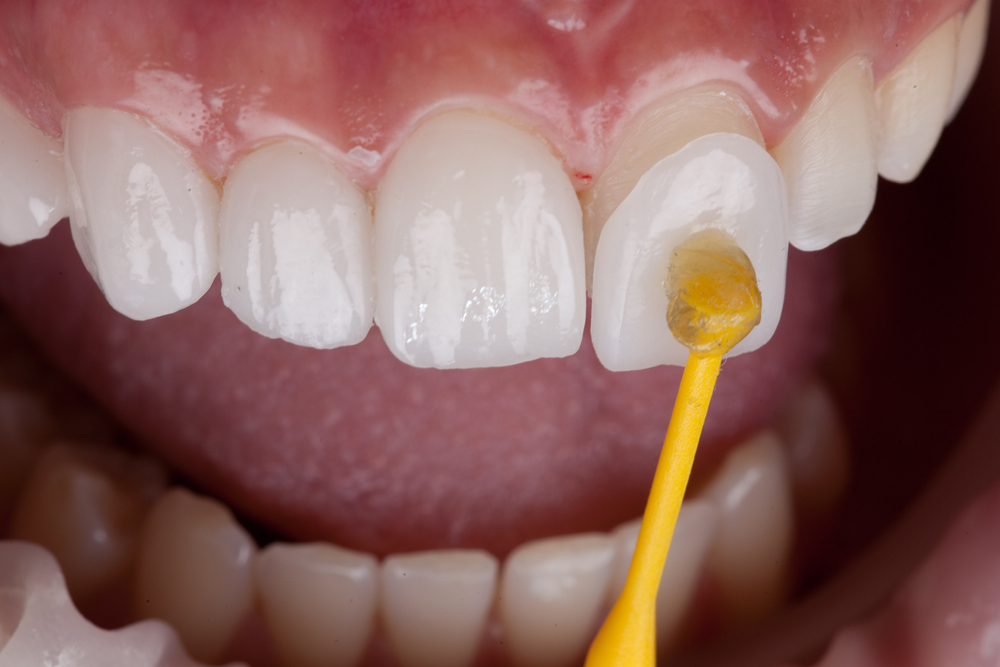
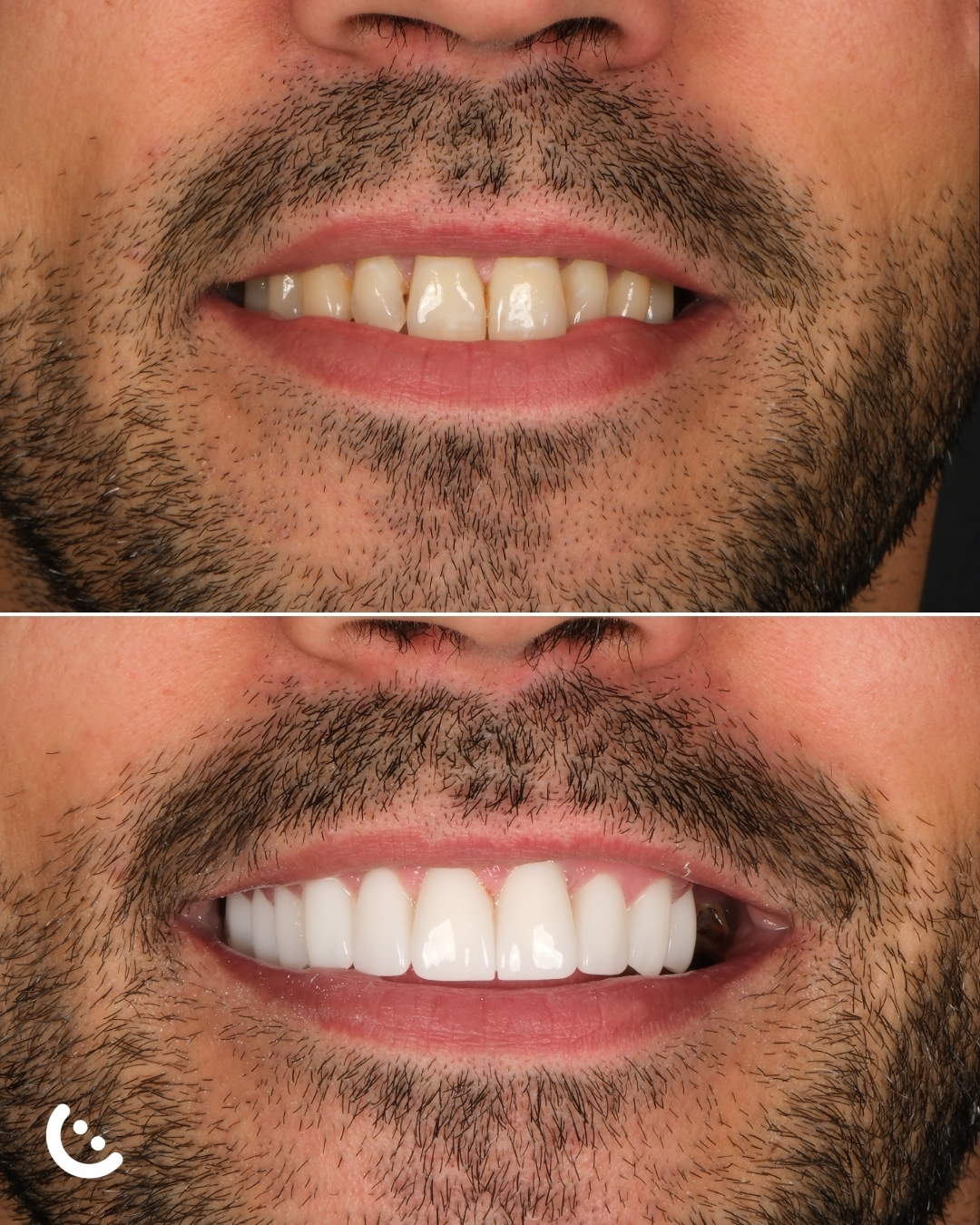
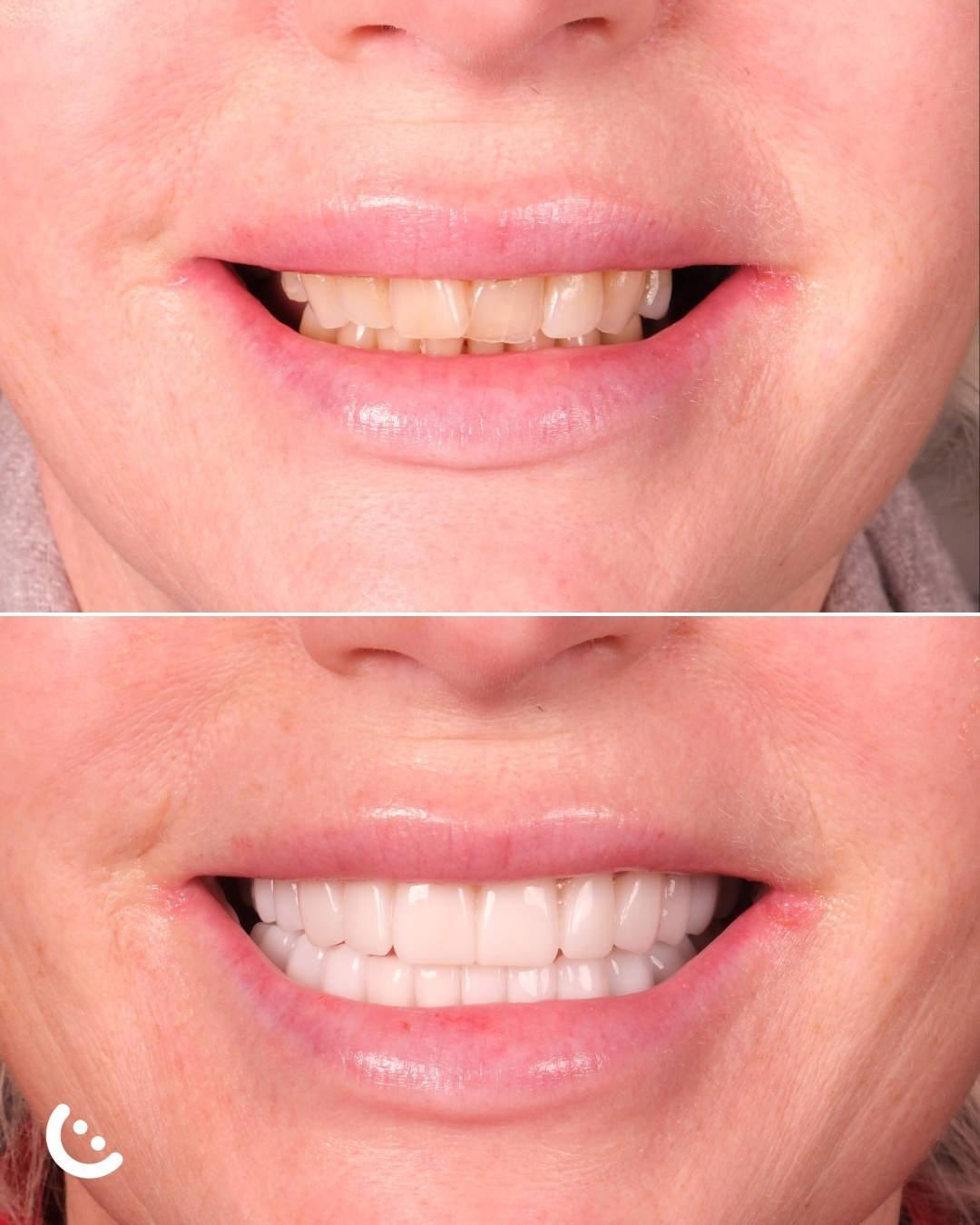
A porcelain veneer is a thin, custom-made ceramic shell designed to cover the front surface of a tooth to improve its appearance and function. Porcelain veneers are widely preferred in modern cosmetic dentistry because of their natural translucency, stain resistance, and long-term aesthetic performance.
These restorations are engineered to mimic the light reflection and texture of natural tooth enamel. Porcelain veneers are especially suitable for patients who want significant smile enhancement while maintaining a natural and balanced dental appearance.
Through minimally invasive preparation techniques, only a small amount of enamel is reshaped before bonding the veneer. This approach helps preserve healthy tooth structure while delivering a brighter, more symmetrical smile.
Porcelain Veneers vs. Other Veneer Types
Porcelain veneers are often compared with alternative ceramic restorations. Understanding the differences helps patients choose the most suitable option based on their cosmetic goals.
Feature | Porcelain Veneers |
Material | High-quality dental ceramic |
Preparation | Minimal enamel reduction (approximately 0.3 mm to 0.7 mm) |
Aesthetics | Excellent translucency and natural light reflection |
Strength | High durability against staining and discoloration |
Best Use | Smile design, discoloration masking, shape correction |
Porcelain veneers are considered one of the most balanced solutions between aesthetic quality and structural performance.
Technical Characteristics and Benefits of Porcelain Veneers
A porcelain veneer is a precision-crafted ceramic restoration bonded to the front surface of the tooth. This cosmetic solution is widely chosen by patients who want to correct multiple aesthetic imperfections simultaneously.
Common Cosmetic Uses
- Discoloration that cannot be corrected with whitening treatments
- Small gaps between teeth
- Mild tooth misalignment
- Irregular tooth shapes or worn edges
- Surface cracks and enamel defects
Once properly bonded, porcelain veneers become a stable component of the tooth structure and allow comfortable daily function including speaking and chewing.
Porcelain material is highly valued in aesthetic dentistry because of its ability to transmit light similarly to natural enamel. This property helps create a smooth and realistic smile appearance.
Porcelain Veneers vs. Traditional Restorative Options
Porcelain veneers are primarily designed for aesthetic enhancement rather than structural reconstruction. Compared with thicker restorative ceramics, porcelain veneers require less tooth preparation.
Traditional crowns may be recommended when there is extensive tooth damage or severe structural weakness. Porcelain veneers are more appropriate for patients seeking cosmetic refinement rather than functional rebuilding.
Durability and Longevity of Porcelain Veneers
How Long Do Porcelain Veneers Last?
Porcelain veneers generally last between 10 and 15 years when maintained with proper oral hygiene and professional dental monitoring.
Their lifespan depends on several factors:
- Bite force distribution
- Oral hygiene habits
- Grinding or clenching behavior
- Quality of bonding cement
- Laboratory fabrication standards
Using a night guard is often recommended for patients who grind their teeth during sleep.
What Happens After Long-Term Use?
After approximately 10 years, minor edge wear or marginal color changes may occur depending on mechanical stress and oral care habits. Around 15 to 20 years, replacement may be necessary to maintain optimal aesthetic and functional results.
Can Porcelain Veneers Be Removed?
Porcelain veneers can be removed by experienced dentists using specialized dental instruments. The procedure is performed carefully to avoid damage to the underlying enamel.
Because veneers are bonded with strong dental adhesives, removal requires precision polishing and controlled separation techniques.
What Happens to Teeth Under Porcelain Veneers?
The natural tooth remains intact beneath the veneer restoration. Before placement, a thin layer of enamel is shaped to allow proper fitting and natural gumline integration.
If oral hygiene is neglected, dental problems such as decay or gum inflammation can develop around the margins. Regular brushing, flossing, and dental checkups help maintain long-term health.
Is Porcelain Veneer Treatment Painful?
Porcelain veneer application is generally considered comfortable.
Local anesthesia is often used during enamel preparation to eliminate discomfort. After the procedure, some patients may experience temporary sensitivity to hot or cold stimuli. This sensitivity usually disappears within a few days.
Eating With Porcelain Veneers
Patients can return to normal eating habits after the adjustment period.
However, dentists recommend avoiding extremely hard foods such as ice, hard candies, or biting directly into very tough materials. Cutting hard fruits before consumption helps reduce stress on veneer margins.
Potential Disadvantages of Porcelain Veneers
Despite their high success rate, porcelain veneers have some limitations.
- Enamel removal is irreversible
- Temporary sensitivity may occur
- Extremely strong trauma can cause chipping
- Replacement is eventually required over time
Porcelain veneers may not be suitable for patients with severe bruxism, advanced gum disease, or very weak enamel structure.
Porcelain Veneers Cost and Dental Tourism
Porcelain veneer prices vary depending on laboratory technology, dentist expertise, and clinic location.
Digital smile design planning and high-precision laboratory fabrication can increase treatment cost but also improve aesthetic outcome and longevity.
Dental tourism is popular among international patients seeking high-quality cosmetic dentistry. For example, many patients travel to Turkey for porcelain veneer treatment because of the combination of experienced cosmetic dentists, modern dental technology, and competitive pricing.
However, treatment success depends primarily on choosing licensed clinics that use certified dental materials and follow strict sterilization standards.
Porcelain veneers represent one of the most advanced solutions in aesthetic dentistry for achieving a natural and radiant smile. Their combination of translucency, durability, and conservative preparation makes them highly preferred for cosmetic smile design. When placed by experienced professionals and supported with proper oral care, porcelain veneers can provide long-lasting and visually impressive results.
 Skip to content


 |
|