 Skip to content
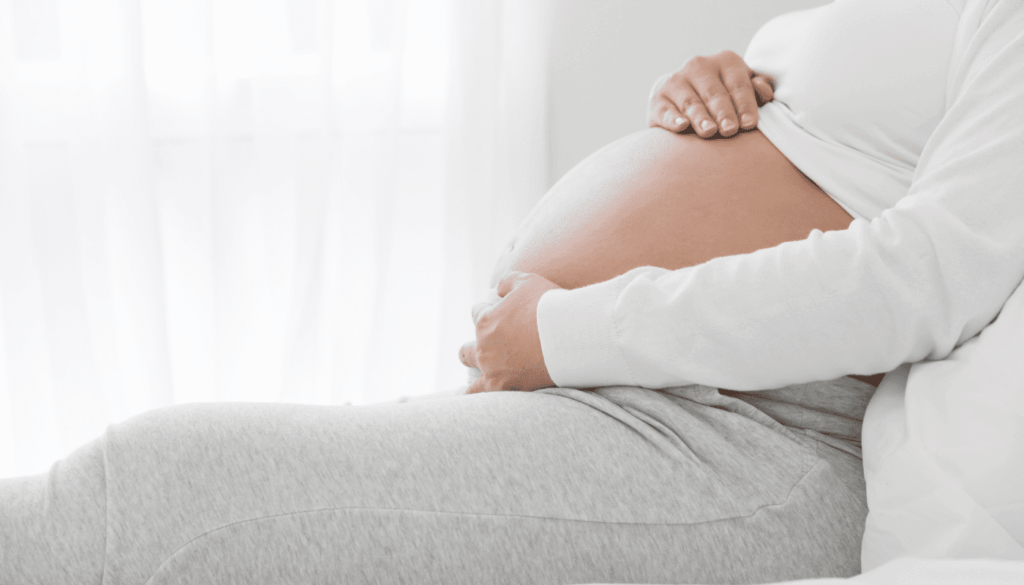
For many women, Bariatric Surgery is not only about weight loss. It can also become part of a much bigger life conversation one that includes hormones, menstrual cycles, ovulation, pregnancy timing, and future family plans. The relationship between Bariatric Surgery and fertility is complex, fascinating, and deeply personal. While metabolic surgery (diabetes remission surgery) may influence reproductive health in meaningful ways, the story is never as simple as “surgery equals pregnancy.” The body is more poetic than that, and science agrees.
Table of Contents

How Bariatric Surgery May Affect Female Fertility
Bariatric Surgery often enters fertility discussions because body weight and reproductive function are closely linked through hormones, insulin sensitivity, inflammation, and ovulation patterns. In women living with obesity (morbid obesity, BMI >40), menstrual irregularity and anovulation may be more common. Some studies suggest that after Bariatric Surgery, changes in body composition and metabolic health may help restore more regular cycles in some patients.
This possible connection is especially discussed in women with polycystic ovary syndrome, or PCOS. PCOS is often associated with insulin resistance, irregular periods, and challenges with ovulation. Since bariatric procedures can alter glucose metabolism and improve insulin response in certain cases, researchers have explored whether weight-loss surgery may indirectly support reproductive function. The evidence is promising in some areas, but it still varies by age, medical history, procedure type, and baseline fertility status.
Get Free Consultation
Have any questions? Leave your details and we'll get back to you shortly.
It is also important to remember that fertility is not a switch that turns on overnight. Even when menstrual cycles become more predictable after Bariatric Surgery, that does not automatically guarantee conception. Fertility depends on many interacting factors, including ovarian reserve, partner-related factors, uterine health, nutritional status, and overall timing.
Why Weight, Hormones, and Bariatric Surgery Are Connected
The endocrine system is less like a straight line and more like an orchestra. Estrogen, progesterone, insulin, leptin, and reproductive hormones all respond to metabolic conditions. In this sense, Bariatric Surgery may influence fertility not only through weight reduction, but through broader hormonal recalibration. Researchers often focus on insulin resistance because it plays a major role in ovulatory dysfunction, especially in women with PCOS.
Adipose tissue is hormonally active, not merely a storage space. It participates in estrogen metabolism, inflammatory signaling, and energy regulation. When body fat distribution changes after Bariatric Surgery, the hormonal environment may also shift. Some women report more regular cycles, fewer symptoms associated with hormonal imbalance, and changes in ovulation patterns. These observations are echoed in several clinical reviews, though outcomes remain individual.
Another layer involves inflammation. Chronic low-grade inflammation has been associated with obesity (morbid obesity, BMI >40) and may affect reproductive health. Metabolic surgery may reduce inflammatory markers in some patients, which has led researchers to investigate whether this improvement contributes to better fertility outcomes. The field is still evolving, but the direction of inquiry is scientifically significant and increasingly relevant.
Bariatric Surgery Before Pregnancy: Timing Matters More Than Many Expect
One of the most discussed topics around Bariatric Surgery and fertility is timing. Becoming pregnant too soon after surgery is generally viewed with caution in medical literature, not because pregnancy is impossible, but because the body is undergoing rapid metabolic change. Weight loss can be dramatic during the first months after surgery, and nutritional intake may fluctuate as the digestive system adapts.
This period of adjustment matters because pregnancy itself increases demands for protein, iron, folate, vitamin B12, calcium, and other micronutrients. After Bariatric Surgery, absorption and intake patterns can differ depending on the procedure. Restrictive procedures and malabsorptive procedures may create different nutritional considerations. For that reason, the timing of conception is often discussed as a strategic issue rather than a purely emotional one.
A simplified overview may help:
| Consideration | Why It Matters After Bariatric Surgery |
| Rapid weight loss phase | The body may still be adapting metabolically |
| Nutrient intake | Protein and micronutrient balance may be variable |
| Hormonal change | Ovulation may return unexpectedly in some women |
| Procedure type | Gastric sleeve, bypass, and other techniques differ |
| Pregnancy planning | Monitoring may become more nuanced |
The key point is not fear, but preparation. In many cases, women are surprised by how quickly fertility may change after Bariatric Surgery. That is one reason the topic deserves attention long before a pregnancy test is ever taken.
Menstrual Cycles, Ovulation, and Bariatric Surgery
A common question is whether Bariatric Surgery can help regulate periods. Research often suggests that some women experience more regular menstrual cycles after significant weight loss, especially when previous irregularities were linked to metabolic dysfunction. This is one of the most widely observed reproductive changes in post-surgical patients, although not every woman will experience the same shift.
Ovulation is the central biological event here. A cycle can occur without reliable ovulation, and fertility depends heavily on whether ovulation is actually taking place. As metabolic health improves, ovulatory function may also improve in some patients. This is one reason pregnancy can happen sooner than expected after Bariatric Surgery even in women who previously believed conception would be difficult.
That possibility creates an important practical lesson: fertility may return before a person feels fully “ready.” In real life, this means that conversations about contraception, cycle tracking, and reproductive planning often become more relevant, not less, after surgery. The science may be clinical, but the implications are deeply human.
Bariatric Surgery and PCOS: A Frequently Studied Connection
Among all fertility-related topics, the relationship between Bariatric Surgery and PCOS receives exceptional attention. PCOS affects ovulation, androgen levels, insulin function, and menstrual regularity. Since metabolic surgery (diabetes remission surgery) can alter several of these pathways, it is often studied as a possible indirect tool in the fertility journey of women with obesity (morbid obesity, BMI >40) and PCOS.
Several observational studies have reported improvements in cycle regularity, insulin sensitivity, and biochemical markers after Bariatric Surgery in women with PCOS. However, not all studies are identical, and not all patients share the same profile. PCOS itself is a spectrum. Some women are primarily affected by menstrual disruption, others by metabolic complications, and others by both. That is why the impact of surgery may look very different from one patient to another.
It is also worth noting that surgery is not a fertility treatment in the narrow sense. It is a metabolic intervention that may influence reproductive conditions. This distinction matters. The goal of discussing Bariatric Surgery in the context of PCOS is not to oversimplify the issue, but to understand how one health intervention may affect another biological system.

Nutritional Factors After Bariatric Surgery and Their Role in Reproductive Health
If fertility is a garden, nutrition is the soil. After Bariatric Surgery, that soil may need closer attention. Depending on the procedure, patients may absorb nutrients differently or eat smaller volumes of food. This becomes especially relevant for women thinking about pregnancy, because reproductive health and fetal development both rely on adequate nutritional status.
Scientific literature often highlights several nutrients after metabolic surgery (diabetes remission surgery):
- Iron
- Folate
- Vitamin B12
- Calcium
- Vitamin D
- Protein
- Zinc
Deficiencies do not happen to everyone, but they are important enough to be routinely discussed in post-operative care. In fertility conversations, this matters because the body is not only preparing for conception, but potentially for implantation, placental development, and pregnancy demands. Bariatric Surgery may improve certain health parameters while also creating new monitoring priorities.
This is one of the most misunderstood aspects of the topic. Some people imagine fertility after surgery as a simple “before and after” transformation. In reality, the picture is more nuanced. Better ovulation may coexist with increased nutritional vigilance. Improved cycle regularity may coexist with careful lab follow-up. Science rarely deals in fairy tales; it deals in trade-offs, adaptation, and context.
Emotional Health, Body Image, and Fertility After Bariatric Surgery
The fertility journey is not only biochemical. Bariatric Surgery can affect self-image, relationships, confidence, and long-term expectations about the future. For some women, improved mobility, reduced symptoms, or better cycle predictability may bring hope. For others, the post-surgical period may feel emotionally intense, especially when family planning adds another layer of pressure.
Body image after major weight loss can be surprisingly complicated. A woman may feel healthier yet still emotionally unsettled. She may receive new social attention while also processing identity changes. If fertility improves after Bariatric Surgery, that shift can bring excitement but also confusion, urgency, or anxiety. The emotional side deserves a seat at the table, not just the lab results.
There is also the question of expectation. Some women undergo surgery with the quiet hope that fertility will naturally follow. Research suggests this may happen in some cases, but outcomes remain individual. Managing expectations with realism and compassion is often more protective than relying on dramatic narratives. The body is capable of change, but it still follows its own timetable.
Comparing Fertility Considerations Across Bariatric Surgery Procedures
Not all Bariatric Surgery procedures affect the body in the same way. Sleeve gastrectomy, gastric bypass (Roux-en-Y gastric bypass), and other metabolic operations differ in terms of anatomy, nutrient absorption, hormonal response, and weight-loss trajectories. These distinctions matter when discussing fertility and pregnancy planning.
A brief comparison helps illustrate the point:
| Procedure Type | Main Mechanism | Fertility-Related Consideration |
| Sleeve gastrectomy | Restriction, hormonal effects | May alter appetite and body weight significantly |
| Gastric bypass | Restriction + malabsorption | Greater attention to nutrient monitoring may be needed |
| Adjustable gastric band | Restriction | Less common today, but still relevant in some cases |
The fertility implications are not identical across these options. Bariatric Surgery is one umbrella term, but the lived experience differs by procedure. That is why broad claims can be misleading. A woman’s age, cycle history, metabolic profile, reproductive goals, and the type of surgery all shape the conversation.
When readers search for fertility information, they often want one universal answer. Unfortunately, the scientific answer is more elegant than universal: it depends. And in medicine, “it depends” is often the most honest answer available.
What Research Suggests About Pregnancy Outcomes After Bariatric Surgery
Studies examining pregnancy after Bariatric Surgery often report a mixed but informative picture. Some research suggests lower rates of certain obesity (morbid obesity, BMI >40)-related pregnancy complications compared with pregnancies at higher pre-surgery weights. At the same time, other studies emphasize the need to monitor fetal growth, nutritional markers, and maternal supplementation carefully.
This dual reality is important. Bariatric Surgery may improve some baseline risks linked to obesity (morbid obesity, BMI >40), yet it may also create new areas of attention. In other words, the surgery does not erase complexity; it changes the type of complexity. That is a subtle but essential point for anyone thinking about fertility after weight-loss surgery.
Researchers also continue to explore long-term reproductive outcomes, including miscarriage rates, gestational diabetes trends, hypertensive disorders, and birthweight patterns. The findings are useful, but not always uniform across populations. Variability in study design, surgical technique, and follow-up duration means the field still benefits from cautious interpretation rather than bold certainty.
A Practical Way to Think About Bariatric Surgery and Fertility
Perhaps the most useful way to understand Bariatric Surgery and fertility is to see it as an intersection of metabolism, hormones, nutrition, and timing. Surgery may improve conditions that interfere with ovulation. It may also increase the importance of nutrient monitoring and long-term planning. Fertility may rise, but so does the need for informed decision-making.
A thoughtful framework often includes these questions:
- Has menstrual regularity changed after surgery?
- Could ovulation be returning sooner than expected?
- Does procedure type affect nutritional considerations?
- How might PCOS or insulin resistance fit into the picture?
- Is reproductive planning being discussed early enough?
These are not dramatic questions, but they are the right ones. In women’s health, the most powerful insights are often found not in miracle claims, but in well-timed, well-informed conversations. Bariatric Surgery can be part of that conversation in a meaningful way.
Bariatric Surgery, Fertility, and the Value of Informed Expectations
Bariatric Surgery has become an important subject in fertility discussions because it sits at the crossroads of metabolic health and reproductive biology. For some women, it may be associated with more regular cycles, improved ovulation patterns, or a shift in fertility potential. For others, the story is more complex and shaped by age, PCOS, nutritional status, surgical technique, and overall health context.
What women should know is not a slogan, but a perspective: Bariatric Surgery may influence fertility, yet it does not replace individualized evaluation or erase biological complexity. It may open new possibilities while also requiring more thoughtful timing and monitoring. That is not a contradiction. It is simply how real health journeys tend to work.
At WellDemir, we believe the best health content respects both science and uncertainty. Fertility after bariatric procedures is not a myth, not a guarantee, and not a side note. It is a significant area of women’s health one that deserves nuance, evidence, and honesty.

 |
|
This is exactly what I needed to read. The detailed explanation of the procedure and recovery really helped me decide.
Thank you for your interest! Every case is unique, so we recommend scheduling a free online consultation with our specialists for personalised advice.
The recovery timeline information is really useful. Knowing what to expect week by week makes planning so much easier.