 Skip to content
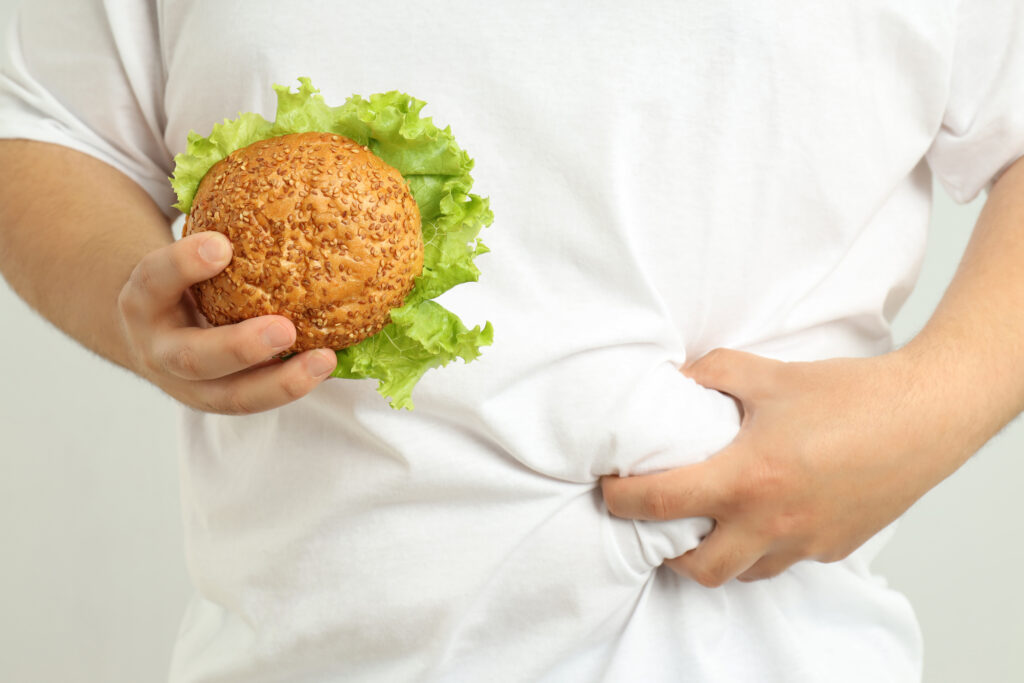
Dumping Syndrome is a condition that can occur after certain types of stomach or gastric surgery, particularly procedures that alter the natural flow of food from the stomach to the small intestine. Patients may experience a range of digestive and metabolic responses, sometimes shortly after eating, which can significantly impact daily life. Understanding the mechanisms, symptoms, and management strategies of dumping syndrome is crucial for anyone recovering from gastric procedures or exploring their postoperative health options.
Table of Contents

Understanding the Mechanism of Dumping Syndrome
The digestive system is a finely tuned network, and surgical interventions can disrupt this balance. Dumping syndrome typically arises when food, especially sugar-rich meals, moves too quickly from the stomach into the small intestine. This rapid transit overwhelms the small intestine, triggering hormonal and vascular responses.
Research indicates that early dumping, occurring within 30 minutes of eating, often presents with nausea, abdominal cramping, and diarrhea. Late dumping, appearing 1–3 hours post-meal, is associated with hypoglycemia due to rapid insulin release. Studies from gastrointestinal journals emphasize that hormonal fluctuations, including elevated levels of vasoactive intestinal peptide and glucagon-like peptide-1, play a central role in symptom onset.
Get Free Consultation
Have any questions? Leave your details and we'll get back to you shortly.
The connection between surgery type and dumping syndrome is strong: procedures like gastric bypass (Roux-en-Y gastric bypass), gastrectomy, or pyloroplasty often predispose patients to this condition. Understanding this physiological basis helps explain why symptom intensity varies among individuals.
Symptoms and Early Warning Signs of Dumping Syndrome
Recognizing dumping syndrome early is essential for monitoring and adaptation. Common symptoms include dizziness, sweating, palpitations, bloating, and abdominal discomfort. Some patients report sudden fatigue or a “racing heart” sensation after meals, particularly those high in carbohydrates.
A 2022 clinical review highlighted that patients experiencing early dumping symptoms may also develop hypotension due to fluid shifts from the bloodstream to the intestinal lumen. Late dumping manifests as shakiness, hunger, and irritability due to postprandial hypoglycemia. These indicators often correlate with meal composition, providing clues for dietary adjustments.
Interestingly, psychological responses to these symptoms, including anxiety or anticipatory fear of eating, are frequently observed. Studies suggest that structured education on dumping syndrome can mitigate such psychosomatic effects.

Risk Factors and Surgical Considerations
While dumping syndrome can affect anyone undergoing relevant surgery, certain factors increase susceptibility. Surgical modifications that bypass or remove sections of the stomach, particularly the pyloric sphincter, create a direct route for rapid gastric emptying.
Patient-related factors such as preexisting diabetes, obesity (morbid obesity, BMI >40), and gastric motility disorders can exacerbate the risk. Research from bariatric surgery centers demonstrates that up to 30% of Roux-en-Y gastric bypass (Roux-en-Y gastric bypass) patients experience clinically significant dumping syndrome, underlining the importance of preoperative counseling and postoperative monitoring.
Nutritional Implications of Dumping Syndrome
Diet plays a critical role in managing dumping syndrome. Rapid nutrient transit can lead to inadequate absorption, particularly of iron, calcium, and vitamin B12, potentially resulting in deficiencies over time. High-sugar meals tend to trigger early dumping, while late dumping can cause reactive hypoglycemia.
Strategies suggested in nutritional studies include frequent small meals, balanced macronutrient intake, and limiting refined sugars. While these adjustments do not “cure” the syndrome, they often reduce symptom severity and improve overall quality of life. Tracking meal responses can provide personalized insights, as individual tolerance varies widely.
Psychological and Lifestyle Considerations
Living with dumping syndrome extends beyond physical symptoms. Anxiety about eating, social dining challenges, and fear of symptom onset can affect mental well-being. Cognitive-behavioral approaches, support groups, and patient education programs have shown promise in reducing stress and improving coping mechanisms.
Lifestyle factors, including meal pacing, hydration management, and mindful eating practices, also contribute to symptom control. Incorporating these habits can enhance digestive comfort and reduce the psychological burden associated with post-surgical recovery.
Research Developments and Emerging Therapies
Recent research focuses on pharmacological and procedural interventions for dumping syndrome. Medications targeting gastrointestinal motility, carbohydrate absorption, or hormone modulation are under investigation. Additionally, endoscopic procedures aim to recreate partial gastric restriction to slow food transit, though these are still in experimental stages.
Scientific journals suggest that future therapies may involve personalized approaches based on hormonal profiles, gastric emptying rates, and dietary responsiveness. As understanding deepens, clinicians hope to provide more effective strategies that complement dietary and lifestyle modifications.
Long-Term Outlook and Monitoring
The long-term prognosis of dumping syndrome varies. While some patients experience gradual improvement over months, others may have persistent symptoms requiring ongoing management. Regular follow-up with healthcare providers, monitoring for nutritional deficiencies, and adjustments in lifestyle and diet are essential components of care.
Observational studies emphasize that awareness and early intervention significantly improve life quality. Keeping a symptom diary, collaborating with dietitians, and adjusting surgical follow-up protocols are practical steps that support sustained well-being.
Dumping syndrome after gastric surgery represents a complex interplay of physiological, nutritional, and psychological factors. By understanding its mechanisms, recognizing symptoms, evaluating risk factors, and adapting lifestyle strategies, patients and caregivers can better navigate the post-surgical period. Ongoing research continues to expand knowledge and treatment possibilities, offering hope for more precise and effective interventions.
This comprehensive perspective underscores the importance of informed awareness and proactive management, providing a rich resource for anyone interested in understanding dumping syndrome beyond superficial explanations.

 |
|
This is exactly what I needed to read. The detailed explanation of the procedure and recovery really helped me decide.
Thank you! We strive to provide the most comprehensive information possible. Feel free to reach out anytime for a no-obligation consultation.
The recovery timeline information is really useful. Knowing what to expect week by week makes planning so much easier.
Thank you for this comprehensive guide. The section about long-term results and lifestyle changes was especially helpful.