Skip to content
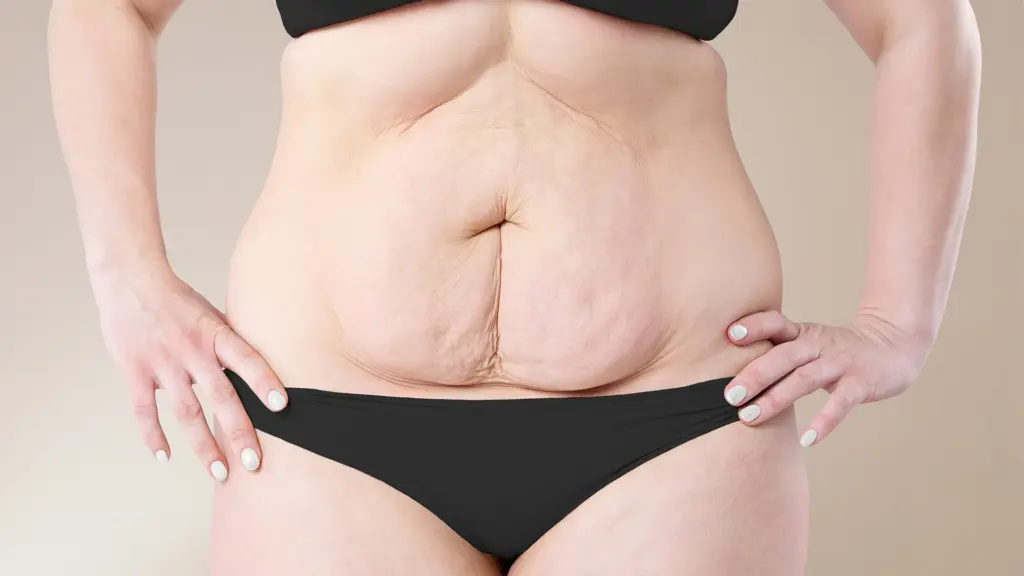
Massive weight loss is a profound metabolic achievement, yet it often leaves behind a physical reminder in the form of redundant tissue. The presence of loose skin after weight loss is not merely a cosmetic concern; it is a complex physiological state involving the structural integrity of the body’s largest organ. In metabolic science, we view the skin as a dynamic system that requires specific biological signals to adapt to a smaller frame.
Whether you are managing loose skin on arms after weight loss or broader structural laxity, the degree of retraction is governed by dermal elasticity. When the skin is stretched for a prolonged period, the internal architecture—specifically the collagen and elastin fibers—undergoes structural changes. Understanding these mechanisms is the first step toward managing the transition and optimizing the body’s longitudinal skin retraction dynamics.
Table of Contents
The Science of Elasticity: Why the Skin Fails to Conform After Massive Weight Loss
To understand why skin stays loose after losing weight, one must look at the dermis’s microscopic level. Skin elasticity is maintained by two primary proteins: collagen, which provides strength and structure, and elastin, which allows the skin to “snap back.” collagen and elastin degradation occur when these fibers are overstretched for years, leading to microscopic tears and a loss of resilience.
Get Free Consultation
Have any questions? Leave your details and we'll get back to you shortly.
This is particularly evident in cases of loose abdominal skin after weight loss, where the surface area was significantly expanded. Factors such as age, genetics, and historical sun exposure play a role in how much “bounce back” remains. For patients experiencing loose skin after weight loss over 50, the natural decline in fibroblast activation can further complicate the retraction process.
Metabolic Reprogramming and the Dermis: How Rapid Weight Loss Impacts Skin Integrity
Rapid weight loss, especially loose skin after weight loss surgery, creates a unique challenge for the dermis. While the adipose tissue retraction happens quickly, the skin’s biological clock moves at a different pace. This creates a subcutaneous volume loss that the skin cannot immediately compensate for, resulting in a hollowed or sagging appearance.
The metabolic adaptation of the dermis is influenced by the rate of weight loss. While a slower pace might allow for better adaptation, the hormonal shifts associated with metabolic surgery can also affect skin health. How to improve skin elasticity after bariatric surgery? The answer lies in ensuring that the body is not in a constant state of catabolic stress, which can lead the body to break down its own dermal proteins to support vital functions.
The Role of Autophagy and Protein Synthesis in Skin Tightening
One of the most fascinating areas of research in loose skin after weight loss treatment is the role of autophagy. Autophagy is the body’s “cellular cleanup” mechanism, where it breaks down damaged or redundant proteins. In theory, the role of autophagy in skin tightening after fasting suggests that the body may eventually recycle the excess protein found in redundant skin.
However, autophagy must be balanced with adequate protein synthesis. Does protein intake reduce loose skin after weight loss? Yes, because the skin requires specific amino acids (proline, lysine, and glycine) to rebuild its scaffolding. Aiming for a high protein intake ensures that while the body clears out damaged cells, it has the raw materials to support fibroblast activation and new collagen deposition.
Hormonal Mediators of Skin Laxity: Cortisol, Insulin, and Growth Hormone
The endocrine ınfluence on skin laxity is often overlooked. Hormones act as the signaling molecules that tell the skin to grow, repair, or break down.
- Cortisol: Known as the stress hormone, chronically high levels of cortisol can actively inhibit collagen production and accelerate collagen and elastin degradation.
- Growth Hormone: This is essential for tissue repair and skin thickness. Levels often peak during deep sleep and after intense physical activity.
- Insulin: Maintaining stable blood sugar levels prevents “glycation,” a process where sugar molecules attach to collagen fibers, making them brittle and less elastic.
Optimizing these hormonal pathways is part of how to prevent loose skin after weight loss. By managing stress and ensuring high-quality sleep, you create a hormonal environment that supports dermal resilience rather than hindering it.
Synergistic Strategies: Combining Strength Training with Nutritional Optimization
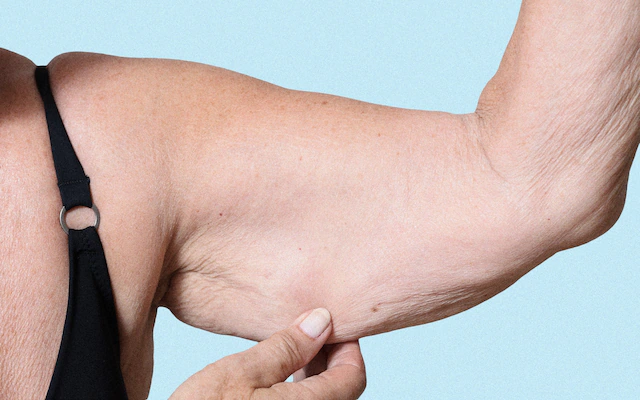
While you cannot “exercise away” excess skin, you can change what sits beneath it. Can resistance training help with loose skin after massive weight loss? Absolutely. By building lean muscle mass, you effectively replace some of the lost fat volume, which can fill out loose skin on thighs after weight loss or the upper arms, providing a more toned appearance.
This works best when paired with nutritional synergies for skin health. The body does not build collagen in a vacuum; it requires a symphony of nutrients:
- Vitamin C: The essential co-factor for collagen synthesis.
- Zinc and Copper: Critical for the cross-linking of elastin fibers.
- Omega-3 Fatty Acids: Maintain the lipid barrier of the skin, preventing dryness and brittleness.
Combining a best exercise routine for muscle preservation post-bariatric surgery with these specific micronutrients creates a synergistic effect that maximizes the skin’s ability to retract.
Managing Expectations: The Physiological Reality of Post-Bariatric Body Contouring
It is important to address a common question: Is surgery the only way to fix excess skin? For individuals with loose skin after weight loss surgery who have lost 100 pounds or more, the physical limit of the skin’s retraction may be reached. While non-surgical methods can improve skin quality and “tightness,” they cannot remove several pounds of redundant tissue.
How much loose skin is normal after bariatric surgery? This varies, but most patients will have some degree of laxity. We recommend waiting at least 12 to 18 months after reaching your goal weight before considering surgical contouring. This allows the longitudinal skin retraction dynamics to complete their natural cycle and ensures that your weight has fully stabilized. Can loose skin naturally tighten after 1 year? It may continue to improve subtly for up to 2 years as the underlying tissues settle.
Frequently Asked Questions (FAQ)
How to get rid of loose skin after weight loss?
Getting rid of significant excess skin usually requires a combination of strategies. For mild laxity, strength training and nutritional synergies can help. For massive excess skin, surgical procedures like abdominoplasty or brachioplasty are often the only permanent solution.
How to tighten loose skin after weight loss?
Focus on how to improve skin elasticity after bariatric surgery by maintaining high protein intake, staying hydrated, and using resistance training to build muscle volume. Professional treatments like radiofrequency or ultrasound therapy can also provide modest tightening by stimulating fibroblast activation.
Does smoking make loose skin worse after weight loss?
Yes. Smoking significantly impairs blood flow to the dermis and damages the existing collagen and elastin fibers, making it nearly impossible for the skin to retract effectively.
How to avoid loose skin after weight loss?
While not always avoidable, you can minimize it by losing weight at a steady pace (1-2 lbs per week), maintaining a protein-rich diet, and starting a strength training program early in your journey to support the skin from beneath.
Can I fix loose neck skin after weight loss without surgery?
Mild cases of loose neck skin after weight loss may respond to skin-thickening topicals (like retinoids) and non-invasive tightening treatments. However, significant “turkey neck” usually requires a clinical neck lift for a smooth result.

 |
|