Skip to content
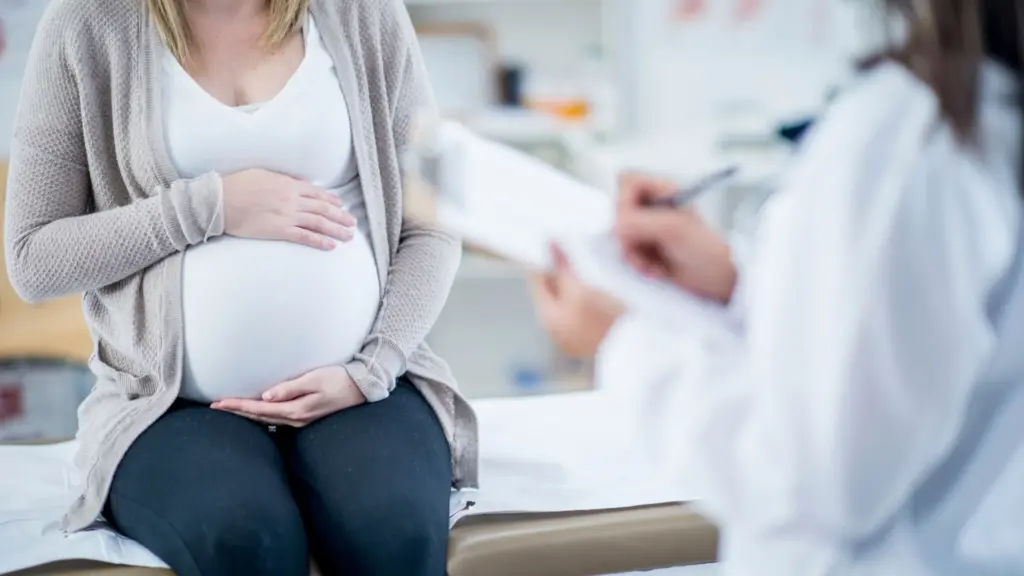
The intersection of bariatric and fertility represents one of the most profound shifts in modern reproductive medicine. For years, bariatric procedures were viewed primarily as weight-reduction tools. Today, metabolic science recognizes these surgeries as powerful endocrine interventions that can resolve deep-seated hormonal imbalances. By altering the body’s internal chemistry, metabolic surgery provides a biological “reset” that often restores fertility in individuals who previously struggled with obesity-related reproductive challenges.
Understanding the Impact of gastric bypass on male and female fertility involves looking beyond the scale. It is about how the reduction of excess adipose tissue changes Adipokine Regulation, which in turn influences the brain’s ability to signal the reproductive organs.
Table of Contents
The HPG Axis Recalibration: How Metabolic Surgery Reshapes Hormonal Communication
The primary driver behind the success of bariatric surgery and fertility is the restoration of the Hypothalamic-Pituitary-Gonadal (HPG) Axis. In the presence of morbid obesity, the constant inflammatory state and high insulin levels disrupt the signals sent from the hypothalamus to the ovaries or testes. This “noise” in the system often results in irregular cycles or a complete lack of ovulation.
Get Free Consultation
Have any questions? Leave your details and we'll get back to you shortly.
Following a bariatric procedure, the rapid improvement in insulin sensitivity clears these communication pathways. As the body enters a state of hormonal homeostasis, the rhythmic release of gonadotropins returns to a physiological norm. This is why many patients notice a return of regular menstrual cycles within months of surgery, significantly increasing the chances of natural conception.
Beyond Weight Loss: Reversing PCOS and Hyperandrogenism Through Bariatric Intervention
For many women, the journey toward bariatric surgery for fertility begins with a diagnosis of Polycystic Ovary Syndrome (PCOS). This condition is frequently characterized by hyperandrogenism which prevents the maturation of follicles. The resulting infertility is often resistant to standard lifestyle changes alone.
Metabolic surgery addresses the root cause of PCOS-related infertility by drastically lowering insulin resistance. Clinical observations show that:
- Androgen levels typically drop, reducing symptoms like hirsutism and acne.
- The frequency of spontaneous ovulation increases.
- Endometrial receptivity improves, creating a more favorable environment for an embryo to implant.
When asked, can bariatric surgery cure infertility caused by obesity?, the answer is nuanced. While it may not “cure” a genetic predisposition, it can effectively remove the metabolic barriers that prevent the reproductive system from functioning correctly.
Ovarian Health and Metabolic Synergy: The Impact of Rapid Weight Reduction

A critical area of research in the bariatric and fertility field is the ovarian reserve. There is an ongoing scientific discussion regarding how rapid weight loss affects the quality and quantity of eggs. While the number of eggs (reserve) is generally fixed, the quality of the follicular environment is highly dependent on the surrounding metabolic health.
Hormonal changes affecting ovulation after bariatric intervention are generally positive, yet the rapid catabolic state (breaking down fat) immediately after surgery can be stressful for the body. This is why metabolic reprogramming for conception is a gradual process. Once weight stabilizes, the reduction in systemic inflammation typically results in a much “healthier” follicular fluid, which can even lead to the question: Can bariatric surgery improve IVF success rates? Current data suggests that for patients who previously failed fertility treatments due to BMI-related complications, post-surgical outcomes are often significantly better.
Pregnancy Timelines: Why Biology Demands Post-Surgical Stabilization
One of the most vital bariatric pregnancy guidelines is the waiting period. Patients often find themselves pregnant 4 months after bariatric surgery due to their newfound fertility. However, most surgeons and obstetricians strongly advise waiting 12 to 18 months before conceiving.
But how long to wait for pregnancy after bariatric surgery? The 18-month rule exists for two primary reasons:
- Nutritional Stability: The first year is a period of rapid weight loss where the body is often in a nutrient-deficient state.
- Fetal Growth: A pregnancy right after bariatric surgery places the fetus in a competitive environment for nutrients, which may increase the risk of small-for-gestational-age (SGA) outcomes.
If a patient becomes pregnant 4 months after bariatric surgery, it is not a reason for panic, but it does require intense post-surgical nutrient optimization and close monitoring by a multidisciplinary team to manage the unique risks involved.
Male Fertility and Bariatric Outcomes: The Overlooked Endocrine Shift
When discussing bariatric and fertility, the focus is frequently on the female experience. However, the Impact of gastric bypass on male and female fertility is equally significant. Obesity in men is linked to lower testosterone and higher estrogen levels, often resulting in poor sperm quality.
So, how does bariatric surgery affect male fertility and sperm count?
- Hormonal Rebalance: Reduction in adipose tissue lowers the conversion of testosterone to estrogen.
- Sperm Quality: Studies have shown improvements in sperm morphology and DNA integrity following weight stabilization.
- Sexual Function: Improved vascular health and hormonal balance often resolve obesity-related erectile dysfunction.
The “Overlooked Endocrine Shift” in men suggests that couples struggling with infertility may find that bariatric intervention for the male partner is just as critical as it is for the female.
Managing Gestational Nutrition: Ensuring Fetal Health in a Post-Bariatric Environment
A bariatric surgery in pregnancy scenario requires a specialized approach to nutrition. Because procedures like gastric bypass alter the way vitamins and minerals are absorbed, a standard prenatal vitamin is often insufficient.
Nutritional management for pregnancy after weight loss surgery must focus on:
- Protein Intake: Essential for fetal tissue development.
- Micronutrients: Specific focus on Vitamin B12, Iron, Folate, and Calcium.
- Glucose Monitoring: Post-bariatric patients may experience “dumping syndrome” or reactive hypoglycemia, making traditional glucose tolerance tests difficult.
Effective gestational weight gain (GWG) management ensures that the mother gains enough weight to support the baby without triggering a return of previous metabolic complications.

Frequently Asked Questions (FAQ)
Is a pregnancy safe after bariatric surgery?
Generally, yes. In many cases, it is safer than a pregnancy complicated by Class III obesity. However, safety depends on following bariatric pregnancy guidelines, specifically waiting for weight stability and maintaining a rigorous supplement regimen.
Does weight loss surgery increase the chance of twins?
While surgery restores ovulation, there is no definitive evidence that it increases the rate of multiple births (twins or triplets) compared to the general population. The perceived increase is usually because many patients were previously unable to conceive at all.
Will I need special vitamins during pregnancy after surgery?
Absolutely. Most patients require higher doses of iron, folic acid, and B12 than the average pregnant woman. Regular blood work is necessary to tailor your intake.
What are common pregnancy symptoms after bariatric surgery?
Pregnancy symptoms after bariatric surgery are similar to standard pregnancies, but nausea and dizziness may be more pronounced due to shifts in blood sugar. It is important to distinguish between morning sickness and potential dumping syndrome.

 |
|