Skip to content
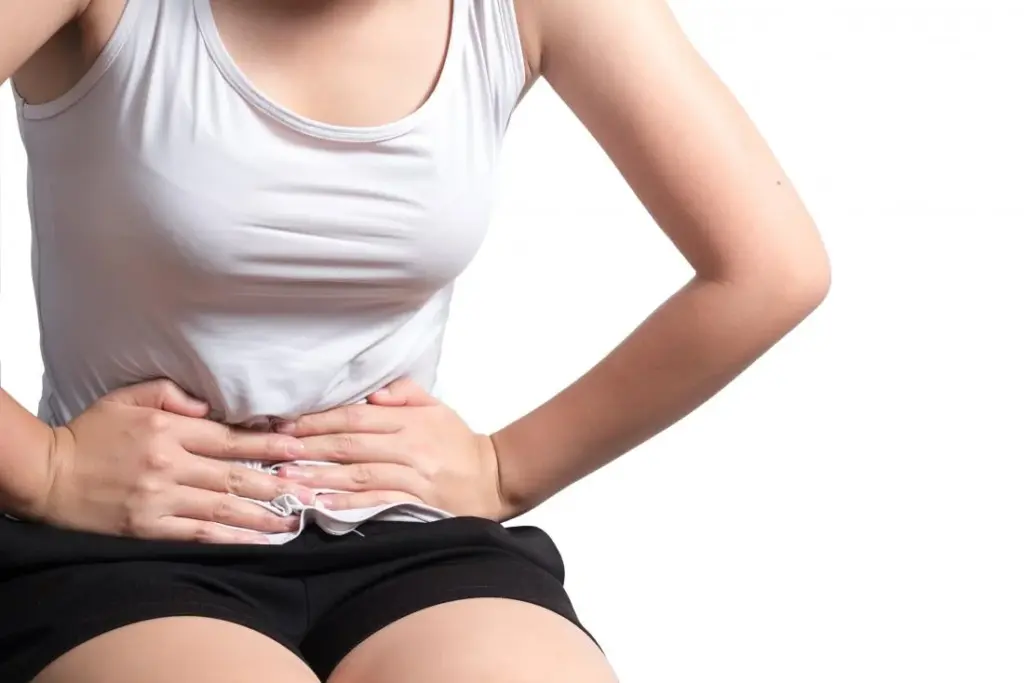
For many individuals, the journey through bariatric or gastric surgery represents a significant step toward health. However, the physical restructuring of the digestive tract often leads to a new set of physiological challenges. Among the most common is dumping syndrome. This condition occurs when the stomach loses its ability to act as a controlled reservoir for food. Instead of a slow, measured release, nutrients are “dumped” rapidly into the small intestine.
Understanding what is dumping syndrome is the first step in regaining control over your post-surgical life. It is not just an inconvenience; it is a complex systemic reaction involving fluid shifts, hormonal surges, and blood sugar spikes.
Table of Contents
What are the Causes of Dumping Syndrome?
To address the issue, we must first ask: What is the cause of dumping syndrome? In the majority of cases, it is a byproduct of surgical interventions such as gastric bypass, sleeve gastrectomy, or esophagectomy. These procedures often alter or remove the pyloric valve, the muscular gatekeeper at the bottom of the stomach. Without this valve, the stomach can no longer regulate the speed at which chyme (partially digested food) enters the duodenum.
Get Free Consultation
Have any questions? Leave your details and we'll get back to you shortly.
While surgery is the primary trigger, some may wonder about dumping syndrome causes without surgery. Although rare, certain conditions like viral infections, nerve damage (gastroparesis), or functional dyspepsia can result in rapid gastric emptying. Furthermore, dumping syndrome diabetes connections exist; long-term uncontrolled blood sugar can lead to autonomic neuropathy, affecting how the stomach empties even in those who have never had a surgical procedure.
The Biology of Speed: How Your Gut Reacts During Dumping Syndrome
When we eat, the small intestine expects a slow trickle of nutrients. During an episode of gastric dumping syndrome, the intestine is suddenly overwhelmed by a high-volume, hyperosmolar load. This means the food is too concentrated, especially if it is rich in sugar or salt. The body’s immediate reaction is to dilute this concentration by pulling water from the surrounding bloodstream into the intestinal lumen.
This process, known as an osmotic fluid shift, is the biological engine behind early dumping syndrome. This rapid movement of fluid causes the intestine to distend painfully and leads to a sudden drop in blood pressure. The brain receives a flurry of gastrointestinal signaling that something is wrong, triggering a “fight or flight” sympathetic response. This is why many patients experience a rapid heart rate and cold sweats alongside abdominal distress.
Timing the Turbulence: Differentiating Between Early and Late Dumping Syndrome
One of the most confusing aspects of this condition for patients is the timing. How long after eating does dumping syndrome start? The answer depends on whether you are experiencing the early or late phase. The difference between early and late dumping syndrome is rooted in the physiological mechanism at play.
- Early Dumping Syndrome: Typically begins within 10 to 30 minutes after eating. It is primarily a physical and circulatory reaction to the osmotic fluid shift.
- Late Dumping Syndrome: This phase arrives 1 to 3 hours after a meal. It is a hormonal event rather than a physical volume issue. It is driven by the rapid absorption of glucose, which forces the pancreas to overreact.
What does dumping syndrome feel like? During the early phase, you may feel “rushed”—nauseated, dizzy and cramped. In the late phase, the feeling is more like a “crash,” characterized by shakiness, extreme fatigue, and mental confusion.
| Feature | Early Dumping | Late Dumping |
| Timing | 10–30 mins post-meal | 1–3 hours post-meal |
| Primary Cause | Osmotic Fluid Shift | Reactive Hypoglycemia |
| Key Symptoms | Bloating, Nausea, Tachycardia | Shaking, Sweating, Fainting |
| Trigger | High volume or high salt/sugar | High simple carbohydrate load |
Why Late-Phase Dumping Syndrome Causes a Crash?
The late phase is perhaps the most dangerous aspect of the condition. When simple sugars are dumped into the small intestine, they are absorbed into the bloodstream almost instantly. This causes a massive spike in blood glucose. In response, the pancreas secretes an excessive amount of insulin to counteract the surge.
This postprandial hyperinsulinemia often overshoots the target, causing blood sugar to plummet to dangerously low levels. This is known as reactive hypoglycemia. Many patients ask, is dumping syndrome dangerous? While the symptoms themselves are usually temporary, the resulting hypoglycemia can lead to loss of consciousness or accidents if it happens while driving or operating machinery. Learning how to prevent reactive hypoglycemia in late dumping is a critical safety skill for post-op patients.
Why Simple Sugars and Sweets Cause a Flare-up?
If you have researched a dumping syndrome diet, you have likely noticed that sugar is the primary antagonist. But why do sweets trigger dumping syndrome so effectively? It comes down to osmolality. Sugar molecules are small and highly active; they draw water into the gut much faster than proteins or fats.
When you consume a sugary drink or a refined dessert, you are essentially creating a high-pressure “osmotic bomb” in your small intestine. This is why foods to avoid with dumping syndrome always start with fruit juices, soda, candy, and highly processed white flours. These substances lack the fiber or protein necessary to slow down the absorption rate, leading directly to high glycemic volatility.
Nutritional Pacing: Smart Eating Strategies to Prevent Dumping Syndrome
The most effective dumping syndrome treatment is not a pill, but a change in how and what you eat. At WellDemir, we call this nutritional pacing. The goal is to manually slow down the speed at which food moves through your system.
- Separate Liquids and Solids: This is the golden rule. Drinking water or tea during a meal “flushes” the food out of the stomach faster. Wait at least 30 minutes after eating before drinking.
- Prioritize Protein and Healthy Fats: These macronutrients take longer to break down and act as a buffer for any carbohydrates in the meal.
- Small, Frequent Meals: Large volumes trigger early dumping. Breaking your daily intake into six small snacks keeps the pressure on the intestine low.
- Lie Down After Eating: If you feel the onset of symptoms, lying down on your back for 20 to 30 minutes can slow the transit of food by using gravity to your advantage.
Can you cure dumping syndrome with diet? While “cure” is a strong word for a permanent anatomical change, you can certainly manage it to the point where symptoms become rare or non-existent.
Beyond the Meal: What to do During a Dumping Syndrome Episode
Even with the best planning, an episode can still occur. Knowing what to do during dumping syndrome episode can prevent panic and minimize discomfort.
First, stop eating immediately. If you can, find a place to lie down. This helps stabilize your blood pressure and slows the gastric emptying process. If you are experiencing late dumping syndrome and feel your blood sugar crashing, you may need a very small amount of a complex carbohydrate to stabilize the levels without triggering another insulin spike.
How long does dumping syndrome last? Most early episodes resolve within 30 to 60 minutes. Late episodes may leave you feeling fatigued for a few hours. Understanding how long does dumping syndrome last helps in planning your recovery and knowing when it is safe to resume your daily activities.
FAQ
What is dumping syndrome symptoms?
The dumping syndrome symptoms vary by phase. Early symptoms include bloating, abdominal cramps, nausea, and a rapid heartbeat. Late symptoms focus on the nervous system: shakiness, cold sweats, confusion, and extreme fatigue.
What can be mistaken for dumping syndrome?
Dehydration, food intolerances (like lactose intolerance), or even a panic attack can mimic the rapid heartbeat and sweating of a dumping episode. It is important to track your food triggers to differentiate.
How do I fix dumping syndrome?
While surgery is often the cause, you can “fix” or manage the symptoms through a strict dumping syndrome diet. In severe cases, doctors may prescribe medications like octreotide to slow gastric emptying, but dietary modification is always the first line of defense.
Can dumping syndrome occur without surgery?
Yes. Although rare, dumping syndrome causes without surgery include Zollinger-Ellison syndrome or complications from diabetes that affect the vagus nerve.
Does dumping syndrome ever go away?
For many, the body eventually adapts to its new anatomy, and the severity of episodes decreases over 12 to 18 months. However, for some, it remains a permanent condition that requires lifelong metabolic pacing and dietary awareness.

 |
|