Skip to content
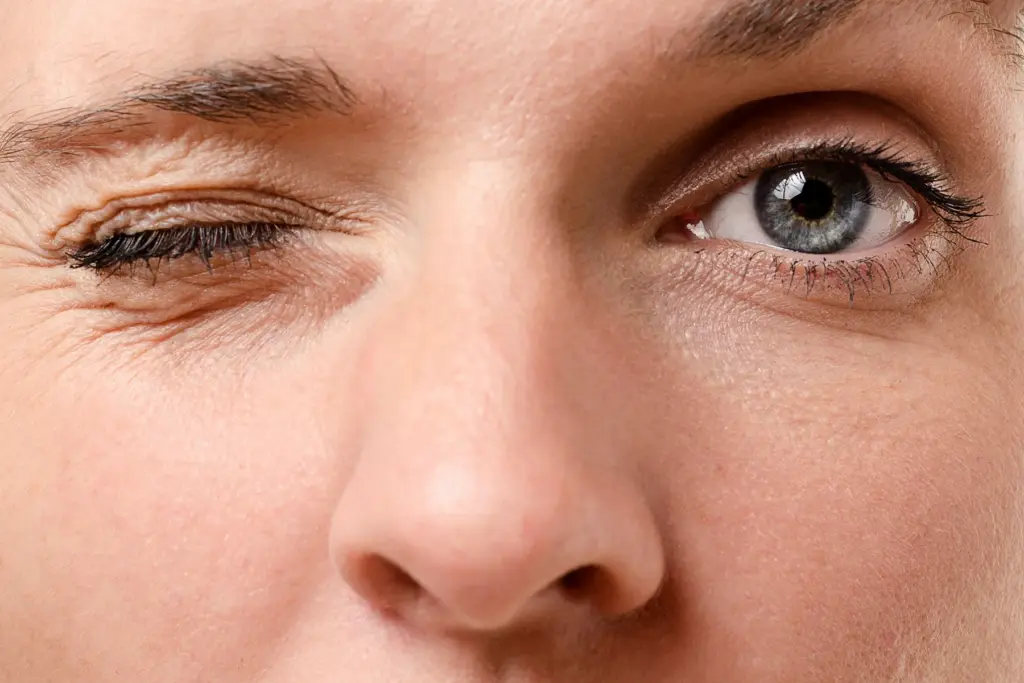
That repetitive, annoying flutter in your eyelid is a sensation nearly everyone has experienced at least once. Often appearing out of nowhere, eye twitching can last for a few minutes, several hours, or in some frustrating cases, weeks. If you find yourself asking, “what does it mean when my eye twitches?” you aren’t alone. It is one of the most common reasons patients seek a consultation with an eye care professional.
Most of the time, that involuntary flutter is simply your body’s way of asking for a break. However, distinguishing between a temporary “glitch” in the muscle and a condition that requires medical attention is the first step toward peace of mind and effective relief.
Table of Contents
What is Eye Twitching?
In the medical community, a common eye twitch spasm is known as myokymia. This involves a localized, involuntary shivering of the orbicularis oculi muscle—the muscle responsible for closing your eyelids. These spasms are typically unilateral, meaning they affect only one side at a time, leading many to search for specific meanings behind left eye twitching or right eye twitching for female and male patients alike.
Get Free Consultation
Have any questions? Leave your details and we'll get back to you shortly.
While people often look for an eye twitching superstition the clinical reality is much more grounded in physiology. Myokymia is caused by a temporary misfiring of the nerves that control the eyelid. Unlike more severe neurological conditions, these spasms do not usually involve the entire eye or affect your vision directly.
Common Triggers: Why Your Eye Won’t Stop Twitching
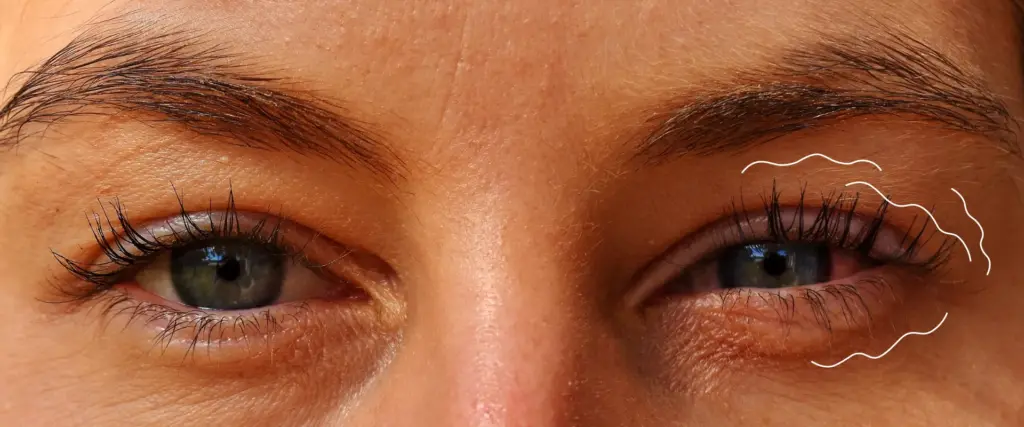
When patients ask, “why does my eye keep twitching?” the answer is frequently found in their daily habits. The nerves surrounding the eye are incredibly sensitive to changes in our internal and external environments. Identifying these triggers is the most effective way to address the problem at its source.
Stress and Anxiety Response
High levels of eye twitching stress are perhaps the most frequent culprit. When the body is under pressure, it releases cortisol and adrenaline, which can increase muscle tension and nerve sensitivity. Can anxiety cause eyelid twitching? It absolutely can. The body’s “fight or flight” response can manifest in various physical ways, and the delicate muscles around the eye are often the first to react to emotional or mental strain.
Fatigue and Sleep Deprivation
Your eyes are among the hardest-working muscles in your body. Without adequate rest, these muscles can lose their ability to coordinate properly. Eye strain and fatigue from a lack of sleep lead to a state of neuromuscular irritability. If you find yourself wondering, “how can i stop eye twitching?” the first recommendation is often a consistent sleep schedule of seven to eight hours.
Digital Eye Strain in the Modern Era
In an age where we move from one screen to another, digital eye strain has become an epidemic. Staring at computers, smartphones, and tablets for hours causes the eyes to work harder to focus. This constant effort can lead to causes of eye twitching muscle spasms as the ocular muscles become overworked. Following the 20-20-20 rule is a vital preventive measure.
How To Treat Eye Twitching?
Treatment for a twitching eye is rarely about medication and usually about modification. Since most cases are benign, the focus is on calming the irritated nerve.
- Reduce Stimulants: Caffeine and alcohol are major neuro-stimulants. If you are experiencing a persistent twitch, try cutting back on coffee and soda for 48 hours to see if the symptoms subside.
- Hydration: Dehydration can lead to electrolyte imbalances, which directly impact muscle function.
- Warm Compresses: Placing a warm, damp cloth over the affected eye can help relax the muscles and soothe the nerves.
- Lubricating Eye Drops: Sometimes, the twitch is a reaction to dry eyes. Using “artificial tears” to keep the ocular surface hydrated can stop the irritation that triggers the spasm.
Nutritional Links: Could It Be a Vitamin Deficiency?
Nutrition plays a silent but critical role in how our nerves communicate with our muscles. Is eye twitching a vitamin deficiency? In several cases, the answer is yes. Certain minerals act as the “gatekeepers” of nerve impulses.
Eye twitching magnesium levels are the most commonly cited nutritional link. Magnesium is responsible for muscle relaxation; without enough of it, muscles may stay in a state of partial contraction or spasm. A magnesium deficiency can result from a poor diet, but it can also be caused by excessive stress, which depletes the body’s magnesium stores.
Other nutritional factors include:
- Vitamin B12: Essential for nerve health and the maintenance of the myelin sheath.
- Potassium and Calcium: These electrolytes work alongside magnesium to regulate muscle contractions.
- Vitamin D: Helps the body absorb the minerals necessary for neuromuscular health.
| Nutrient | Role in Ocular Health | Sources |
| Magnesium | Relaxes muscles and stabilizes nerves | Spinach, almonds, black beans |
| Vitamin B12 | Protects the nerve endings | Salmon, eggs, dairy |
| Potassium | Regulates electrical signals in muscles | Bananas, avocados, sweet potatoes |
Myokymia vs. Blepharospasm: Identifying the Severity
While the standard eye twitching causes are harmless, it is important to distinguish between simple myokymia and more chronic conditions.
- Myokymia: This is the “standard” twitch. It is brief, comes and goes, and usually only affects one lid. It is not a disease but a symptom of temporary fatigue or irritation.
- Essential Blepharospasm: This is a more serious, chronic condition where both eyes may blink or squeeze shut involuntarily. It is a neurological condition that may require treatments such as Botox injections to temporarily paralyze the muscles.
- Hemifacial Spasm: If the twitching spreads beyond the eyelid to the muscles of the cheek and mouth on one side of the face, it may be a hemifacial spasm. This is often caused by a blood vessel pressing on a facial nerve and requires a neurological evaluation. Understanding when to worry about eye twitching involves looking for these broader facial movements.
How to Stop Eye Twitching: Quick Remedies and Lifestyle Adjustments
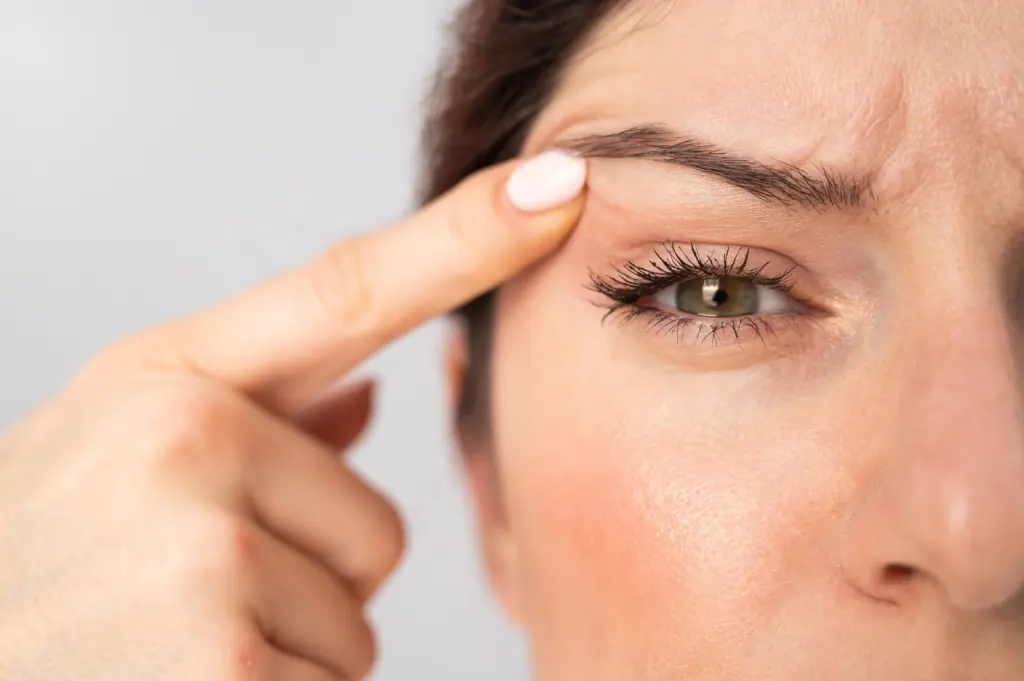
If you are currently experiencing a twitch and asking, “how can I stop a twitching eye?” try these immediate lifestyle adjustments:
- Audit Your Caffeine: If you’ve had more than two cups of coffee today, that’s the likely culprit.
- Manage Your Screen Time: Take a total “digital detox” for an hour. Step away from all blue-light-emitting devices.
- Deep Breathing Exercises: Since eye twitching stress is a primary driver, five minutes of diaphragmatic breathing can lower your cortisol levels and calm the nervous system.
- Check Your Prescription: Sometimes, an eye twitch is caused by the strain of an outdated glasses or contact lens prescription.
Conclusion: Listening to Your Body’s Signals
Eye twitching is rarely a medical emergency, but it is a highly effective messenger. It is often the first sign that your body is overwhelmed, underslept, or nutritionally imbalanced. Whether it is a left eye twitching after a long night of work or a persistent eye twitch spasm brought on by too much caffeine, the solution usually lies in slowing down.
By understanding the causes of eye twitching muscle spasms and making small, meaningful changes to your routine, you can eliminate this distraction and focus on what matters most. Remember, your eyes are a window not just to the world, but to your overall well-being.
FAQ: Frequently Asked Questions
How do I get my eye to stop twitching?
The most effective way to stop a twitching eye is to address the trigger. Rest your eyes, get a full night’s sleep, reduce your caffeine intake, and try to manage your stress. If the twitch is caused by dry eyes, over-the-counter lubricating drops can provide immediate relief.
Is eye twitching a sign of a stroke?
On its own, eye twitching is almost never a sign of a stroke. A stroke typically involves sudden muscle weakness or paralysis on one side of the body, difficulty speaking, or severe drooping of the face. A minor eyelid flutter without other symptoms is generally benign.
What vitamin deficiency causes eye twitching?
A magnesium deficiency is the most common nutritional cause. However, deficiencies in Vitamin B12, Vitamin D, or potassium can also lead to nerve irritability and muscle spasms.
How long does an eye twitch last?
Most episodes of myokymia last for a few hours or days. If your eye twitching persists for more than two weeks without interruption, or if you lose the ability to open your eye, you should consult an ophthalmologist.
Can caffeine cause eye twitching?
Yes. Caffeine is a stimulant that increases the excitability of nerves and muscles. Excessive consumption can cause the small muscles around the eye to “fire” involuntarily.
Does eye twitching mean I have a brain tumor?
This is a common fear, but the reality is that eye twitching is almost never the first or only symptom of a brain tumor. Tumors usually present with more significant neurological deficits, such as persistent headaches, vision loss, or changes in personality and motor function.

 |
|