Skip to content
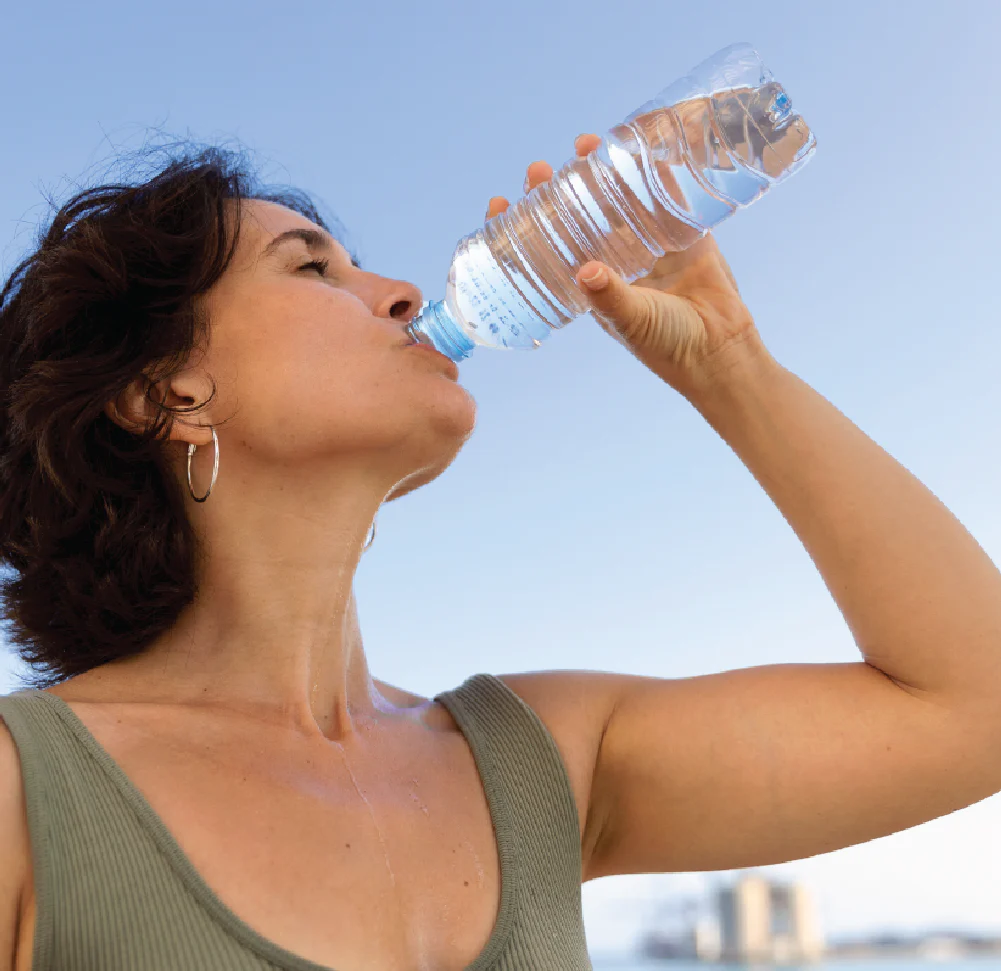
Undergoing weight loss surgery is a profound transformation of your physical self, but the success of this change depends on a fundamental element of life: water. Hydration after bariatric procedures is not merely a suggestion; it is the cornerstone of a safe and effective recovery. When the stomach is modified, the way your body signals thirst and processes fluids changes overnight.
We view water as more than just a drink. We see it as a metabolic tool that facilitates fat loss, maintains muscle health, and flushes out the toxins produced during rapid weight loss. Understanding how to stay hydrated after bariatric surgery is the first skill every patient must master to protect their health and ensure their long-term success.
Table of Contents
Why Your Body Craves Hydration After Bariatric Procedures
In the weeks following your operation, your body undergoes intense metabolic shifts. As you burn fat rapidly, your kidneys work overtime to filter waste products. This process requires a significant amount of water. Without proper hydration after bariatric surgery, these metabolic byproducts can build up, leading to nausea, fatigue, and a “stalled” weight loss phase.
Get Free Consultation
Have any questions? Leave your details and we'll get back to you shortly.
Furthermore, the surgical process often impacts the nerves that trigger the sensation of thirst. Many patients find that they no longer “feel” thirsty in the traditional sense. This makes a structured plan for staying hydrated after bariatric surgery even more vital. You cannot wait for your body to tell you it’s thirsty; you must proactively provide the fluid it needs to maintain ıntracellular hydration.
When we talk about the “Metabolic Architecture,” we are referring to the fluid balance that allows your cells to repair themselves. Water is the medium in which every chemical reaction in your body occurs. If you are dehydrated, your recovery slows down, your energy levels plummet, and your new system begins to struggle.
The Micro-Sipping Protocol: Achieving Hydration After Bariatric Success
One of the most frequent questions we hear is: “How to hydrate after bariatric surgery?” The answer lies in a technique called micro-sipping. In your pre-surgery life, you might have reached for a glass of water and finished it in seconds. Post-surgery, this is physically impossible and can be quite painful.
The micro-sipping protocol involves:
- Small Volumes: Taking tiny sips, roughly the size of a teaspoon, every few minutes.
- Continuous Intake: Carrying a water bottle at all times and sipping consistently from the moment you wake up until you go to bed.
- No Gulping: Gulping can cause air to enter the stomach, leading to pain drinking water after gastric bypass or even vomiting.
Many patients wonder, “Why can’t I use a straw after bariatric surgery?” The reason is similar to the danger of gulping. Straws tend to pull extra air into the stomach pouch, which can cause significant gas pain and discomfort in the early stages of healing. By sipping directly from a cup or a specialized bottle, you minimize the risk of bloating and pressure.
Signs to Watch for During Your Hydration After Bariatric Journey
Knowing the warning signs of fluid deficiency can save you from a trip to the emergency room. How fast can you get dehydrated after gastric bypass? Surprisingly fast. Because your ability to “catch up” on fluids is limited by your small stomach, a single day of poor intake can lead to trouble.
Watch for these dehydration symptoms:
- Dark Urine: Your urine should be pale yellow or clear. If it looks like apple juice or tea, you are behind on your fluids.
- Dizziness or Lightheadedness: This is especially common when standing up quickly.
- Dry Mouth and Tacky Tongue: A “cotton-mouth” feeling is a late sign of dehydration.
- Rapid Heart Rate: Your heart may beat faster as it tries to circulate a lower volume of blood.
- Extreme Fatigue: If you feel like you can’t get off the couch, check your water intake first.
Can dehydration lead to readmission after weight loss surgery? Unfortunately, it is the number one reason for hospital readmissions in the first 30 days post-op. If you cannot keep fluids down or find that you are too weak to sip, it is essential to contact your medical team immediately.
Avoiding the “30-Minute Rule” Mistake in Hydration After Bariatric Care
Perhaps the most challenging habit to break is the “water with meals” tradition. However, in the world of hydration after bariatric care, the 30-minute rule is sacred. This rule dictates that you should not drink anything for 30 minutes before a meal, and 30 minutes after a meal.
Why is this so important?
- Pouch Capacity: Your stomach is small. If you fill it with water, there is no room for the protein your body needs to heal.
- Dumping Syndrome: Drinking with meals can flush food through your stomach too quickly into the small intestine, leading to cramping, nausea, and sweating.
- Satiety: Separating fluids and solids helps you feel full longer, which is a key component of the weight loss mechanism.
Balancing your fluid intake goals with your meal schedule requires careful planning. If you eat three small meals and two snacks a day, that’s five 60-minute blocks where you cannot drink. This leaves limited windows to reach your target of 64 ounces, making the micro-sipping protocol even more essential during your “drinking windows.”
Creative Ways to Master Your Daily Hydration After Bariatric Surgery
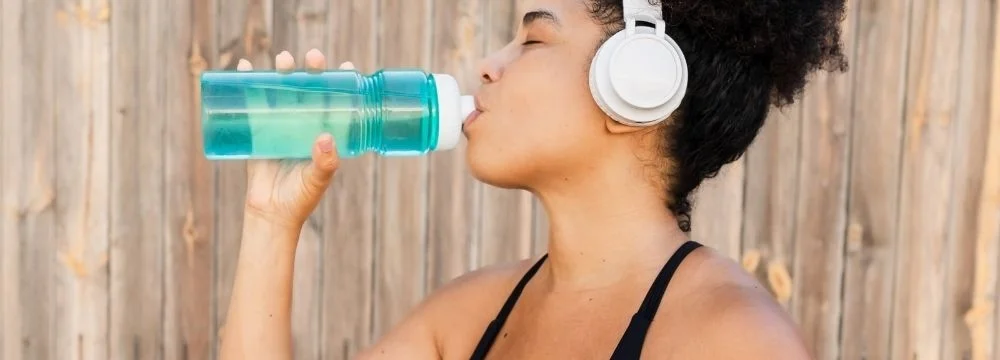
Water can become monotonous, and for some, plain water even tastes “metallic” or “heavy” after surgery. Learning how to improve water taste without sugar post-op can be a game-changer for your success.
Here are some bariatric-friendly ideas:
- Infusions: Add slices of cucumber, mint, ginger, or lemon to your water bottle. This provides flavor without adding sugar or calories.
- Decaf Herbal Teas: Unsweetened herbal teas count toward your hydration after bariatric goals.
- Sugar-Free Broths: In the early stages, savory fluids can be a welcome break from sweet or plain options.
- Temperature Adjustment: Some patients find that room-temperature water is painful, while ice-cold or very warm water goes down easily. Experiment to find your “comfort zone.”
FAQ
Why is it so hard to hit my hydration goals after surgery?
The physical restriction of your stomach pouch makes it impossible to drink large amounts at once. Additionally, post-operative swelling can make the passage for fluids feel even tighter. Most patients find that hitting fluid intake goals is a full-time job in the first few weeks, requiring constant attention and effort.
Can I drink coffee as part of my hydration after bariatric routine?
Most surgeons recommend avoiding caffeine for the first month. Caffeine is a diuretic, which can actually work against staying hydrated after bariatric surgery. Once cleared by your doctor, decaf coffee is generally fine, but plain water should always remain your primary source of fluids.
Does hydration prevent hair loss after bariatric surgery?
While hair loss is primarily caused by the stress of surgery and rapid weight loss (telogen effluvium), proper hydration is essential for nutrient transport. Water helps deliver the vitamins and protein to your hair follicles. Without enough water, your body prioritizes vital organs over hair growth.
Are sugar-free flavor drops safe for hydration after bariatric procedures?
Most sugar-free, non-carbonated flavor enhancers are safe. However, some patients find that artificial sweeteners can cause stomach upset or cravings. It is best to introduce them slowly and see how your new stomach reacts.
What happens if I drink too fast after surgery?
Drinking too quickly can lead to “the foamies” (a buildup of frothy saliva), nausea, and intense pressure in your chest or stomach. If this happens, stop drinking immediately, walk around to help move the air, and wait for the discomfort to pass before resuming with much smaller sips.

 |
|