Skip to content
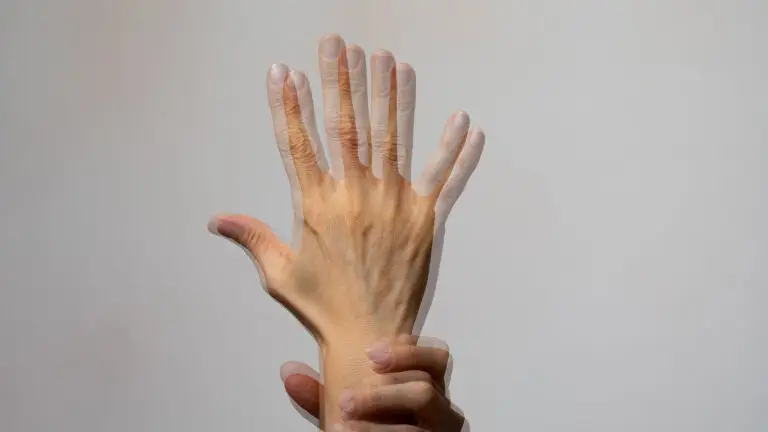
Vision is arguably our most dominant sense, providing the primary data our brain uses to navigate the world. When this system fails, the impact on daily life is immediate and disorienting. Diplopia, the medical term for seeing double, is not merely a symptom but a complex clinical challenge that can stem from the eye’s surface, the muscles controlling eye movement, or the nerves connecting the eyes to the brain.
At WellDemir, we understand that experiencing double vision can be frightening. As a leading health facilitator with decades of roots in the insurance and healthcare sectors, our approach focuses on precision diagnostics and patient safety. Whether you are dealing with a temporary strain or a chronic condition, understanding the diplopia meaning and its origins is vital. In 2026, medical technology has made significant strides in treating even the most complex cases of eye misalignment, offering patients a clear path back to single, focused vision.
Table of Contents
What is Diplopia? Seeing Two Images Instead of One
To understand double vision diplopia, we must look at how the eyes work as a team. Usually, each eye captures a slightly different image, and the brain merges them into one three-dimensional picture. This is called binocular vision. When the eyes do not point at the same object simultaneously, the brain receives two conflicting images. Depending on the direction of the misalignment, a person may experience horizontal or vertical diplopia.
Get Free Consultation
Have any questions? Leave your details and we'll get back to you shortly.
The brain often tries to compensate for this confusion by ignoring one image, but this can lead to headaches, nausea, and deep fatigue. While the physical experience is seeing two objects, the root cause could be located anywhere from the cornea to the brain’s visual cortex. Recognizing what causes diplopia is the first priority for any ophthalmologist, as the treatment for a corneal issue is vastly different from the treatment for a nerve-related condition.
Monocular vs. Binocular Diplopia: Why the Difference Matters
The most important question a doctor will ask is: “Does the double vision go away when you cover one eye?” This simple test helps distinguish between monocular diplopia and binocular diplopia, which are two entirely different categories of health issues.
Monocular Diplopia
In this case, the double vision persists even when one eye is closed. The issue is usually structural within the eye itself. Common culprits include severe astigmatism, cataracts, or abnormalities in the cornea. Since it only involves one eye, it is rarely related to neurological problems.
Binocular Diplopia
This type occurs only when both eyes are open and disappears when either eye is covered. This indicates that the eyes are not aligned properly. This is often caused by strabismus or issues with the extraocular muscles that control eye movement. Because it involves the coordination of both eyes, it may be linked to nerve damage or neurological health.
Understanding the difference between binocular and monocular vision is the foundation of a successful diagnostic journey.
Common Causes: From Eye Strain to Neurological Issues
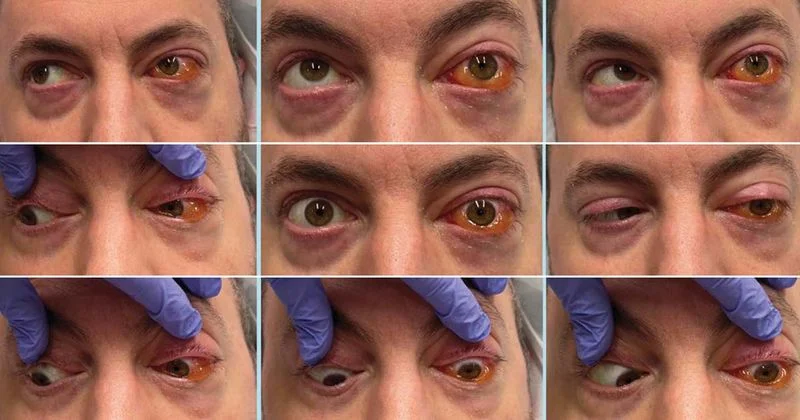
The list of diplopia causes is extensive, ranging from benign lifestyle factors to serious medical conditions. Identifying the source requires a look at the various systems that facilitate sight.
- Corneal Issues: Conditions like keratoconus (thinning of the cornea) or simple dry eye syndrome can distort light as it enters the eye, leading to a “ghost image” or double vision.
- Lens Problems: Cataracts are a frequent cause of seeing double in one eye. As the lens becomes cloudy, light scatters rather than focusing on the retina.
- Muscle Weakness: The extraocular muscles must work in perfect harmony. If one muscle is weaker than the others the eyes will drift apart.
- Neurological Factors: Nerves carry signals from the brain to the eye muscles. Conditions like multiple sclerosis, Myasthenia Gravis, or uncontrolled diabetes can damage these nerves, leading to diplopia in both eyes.
- Trauma: It is common to experience double vision after head injury treatment. Trauma can cause swelling around the eye socket or direct damage to the nerves, requiring careful monitoring during the recovery phase.
When is Double Vision an Emergency?
While many cases of double vision develop gradually, a sudden onset should never be ignored. If you experience sudden double vision in one eye or both, especially when accompanied by other symptoms, immediate medical attention is necessary.
Watch for these “Red Flags”:
- Sudden, excruciating headaches or “thunderclap” pain.
- Drooping of the eyelid (ptosis).
- Pain when moving the eye.
- Weakness in the face or limbs, or slurred speech.
- A recent history of head trauma.
In these instances, the priority is to rule out serious issues like an aneurysm or a stroke. WellDemir’s network of clinics provides rapid access to neurological screenings and emergency ophthalmic care to ensure that any underlying vascular or nerve issues are addressed immediately.
Non-Surgical Treatment Options
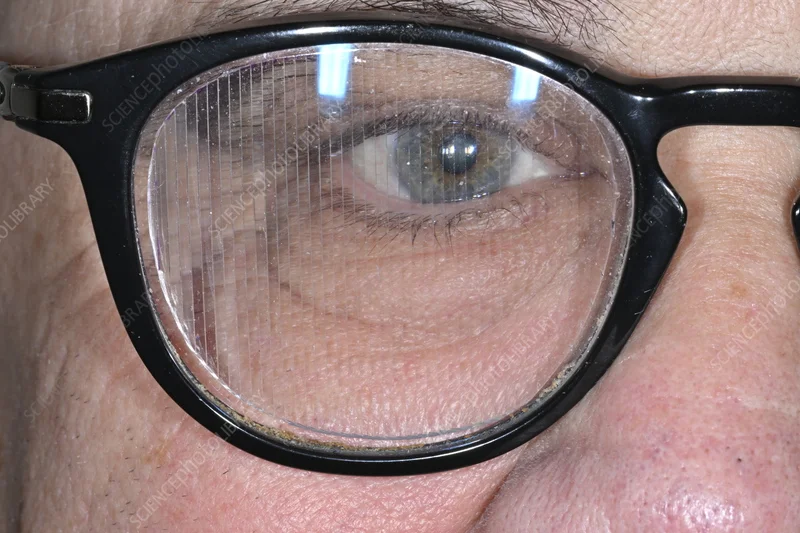
Fortunately, many patients do not require surgery to correct their vision. Depending on the diagnosis, conservative management can be highly effective.
Prism Lenses and Specialized Eyewear
Diplopia glasses are often the first line of defense for binocular issues. These are not standard prescription lenses; they contain a prism that bends the light before it enters the eye. By shifting the image, the prism helps the eyes “align” the two separate images into one. They are particularly useful for patients with stable, minor misalignments or those waiting for surgery.
Vision Therapy and Muscle Strengthening Exercises
For some patients, the issue is a lack of coordination between the eyes. Vision therapy is a structured program of eye exercises for diplopia supervised by a specialist. These exercises aim to improve the brain’s ability to control the eye muscles. Patients may also be given exercises for diplopia at home to reinforce the progress made in the clinic. These routines focus on “convergence” and “tracking” to help the eyes work together more efficiently.
Surgical Solutions for Diplopia: When is Surgery Necessary?
When prisms and therapy are insufficient, or if the misalignment is too severe, surgery may be the best path forward. Strabismus surgery is a common and highly successful procedure designed to physically realign the eyes.
During the operation, a surgeon adjusts the tension of the extraocular muscles. They may shorten a muscle to make it stronger or move its attachment point to make it “looser.” Modern techniques often use adjustable sutures, allowing the surgeon to fine-tune the alignment even after the patient has woken up. This “precision-first” approach significantly increases the success rate and reduces the need for follow-up operations.
For international patients, seeking this treatment in Turkey via WellDemir provides access to world-class surgical suites and specialists who handle thousands of these cases annually. The combination of high-volume expertise and cutting-edge laser technology makes it an attractive option for those facing long waiting lists in their home countries.
Recovery Timeline and Long-Term Vision Care in 2026
The recovery from double vision treatment varies by method. For those using diplopia glasses, the adjustment period for the brain usually takes a few days. For surgical patients, the timeline is slightly more involved:
- Days 1-3: Expect some redness, scratchiness, and mild swelling.
- Week 1: Most patients can return to work and light activities.
- Weeks 4-6: The eye muscles settle into their final positions, and the brain adapts to the new visual input.
In 2026, follow-up care is more accessible than ever. WellDemir facilitates digital follow-up consultations, allowing patients to stay in touch with their surgeons even after returning home. Long-term care involves regular check-ups to ensure the eye muscles remain balanced and that any underlying conditions, like diabetes, are well-managed to prevent recurrence.
FAQ
Can diplopia be cured without surgery?
Yes. Many cases are successfully managed with prism lenses, specialized eye exercises for diplopia, or by treating the underlying medical condition (such as managing blood sugar in diabetic patients). Surgery is typically reserved for cases where these methods do not provide adequate relief.
Can diplopia go away on its own?
It depends on the cause. If the double vision is caused by temporary eye strain, a minor head bump, or a specific medication, it may resolve on its own. However, because it can be a sign of a neurological issue, you should not wait for it to disappear without a professional diagnosis.
Is diplopia a sign of a brain tumor?
While it is a possible symptom, it is a very rare one. Most cases of seeing double are related to much more common and treatable issues like strabismus, dry eye, or cataracts. A specialist exam is the best way to put your mind at ease.
How long does it take for double vision surgery to heal?
The initial physical healing of the eye takes about 1 to 2 weeks. However, the brain may take several weeks to fully adjust to the new alignment. Most patients see the final aesthetic and functional results within a month.

 |
|