Skip to content
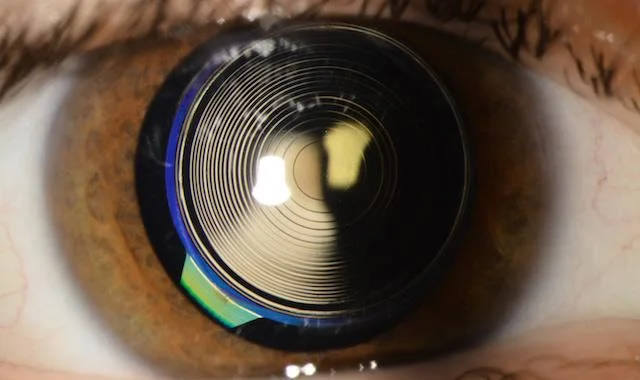
Clear vision is often something we take for granted until the natural aging process of the eye begins to interfere. Whether it is the clouding effects of a cataract or the frustrating loss of near vision known as presbyopia, the impact on daily life is undeniable. Fortunately, modern ophthalmic technology has moved far beyond basic restoration. Today, a Multifocal IOL offers the possibility of seeing the world clearly again without the constant tether of glasses or bifocals.
At WellDemir, we understand that vision correction is not just a medical procedure; it is a gateway to a more active and fulfilling lifestyle. Backed by the trusted legacy of Demir Sağlık, we focus on providing international patients with access to the highest standards of ocular care.
This guide explores the intricate world of multifocal intraocular lenses, helping you decide if this premium technology is the key to your visual future.
Get Free Consultation
Have any questions? Leave your details and we'll get back to you shortly.
Table of Contents
What is a Multifocal IOL?
To answer the fundamental question “what is multifocal IOL “one must first understand the limitations of traditional lenses. During a standard cataract surgery, the cloudy natural lens is removed and replaced with a monofocal lens. While effective, a monofocal lens only provides clear vision at a single distance (usually far). This leaves patients still needing reading glasses for up-close tasks.
A multifocal IOL lens is different. It is an “active” lens designed with various zones that have different refractive powers. These zones allow light to focus on the retina from multiple distances simultaneously. This means that whether you are looking at a mountain range, a computer screen, or a book, the lens helps your eye capture a sharp image. It is currently one of the most advanced solutions available in intraocular lens surgery.
How Multifocal Lenses Work: Near, Intermediate and Far
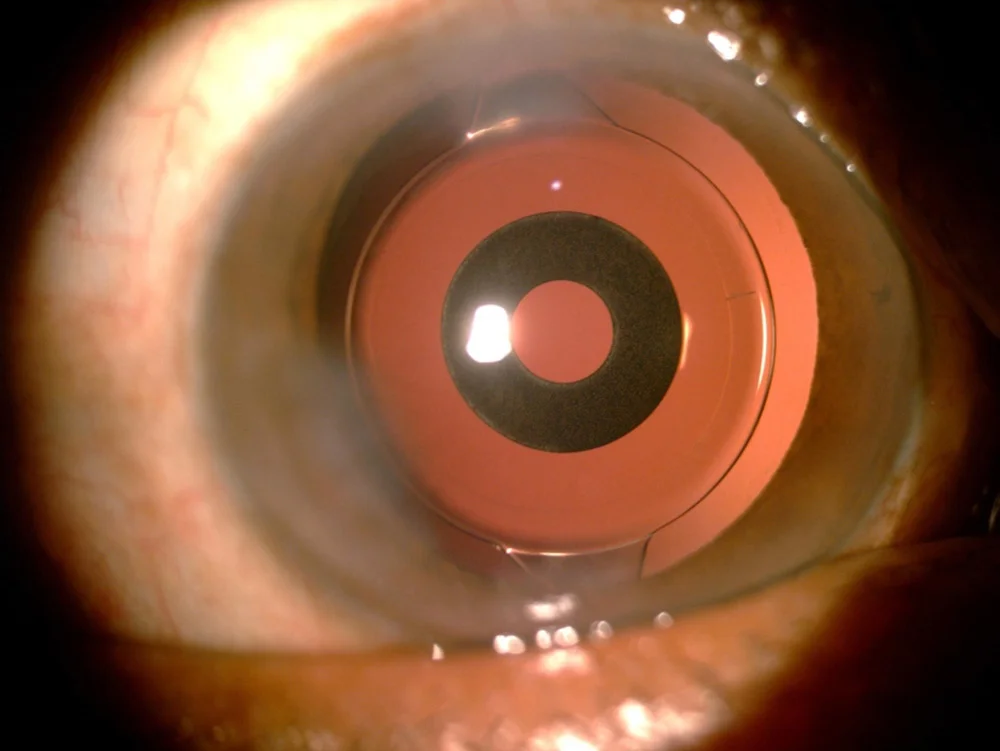
If you are wondering how does a multifocal IOL work, the secret lies in the optical design of the lens surface. Most premium lenses utilize a diffractive design, featuring a series of concentric rings. Each ring directs light to a specific focal point.
- Far Vision: The central or specific peripheral zones focus light from distant objects, such as road signs or a cinema screen.
- Intermediate Vision: This is often referred to as “computer distance.” It covers the space about an arm’s length away, which is vital for modern digital life.
- Near Vision: The lens provides the necessary magnification for reading fine print or performing detailed hobbies like sewing.
By splitting light into these different points, the lens provides a “continuous” range of vision. While the brain must learn to select the correct image for the task at hand, most patients find the transition between these distances remarkably smooth.
Multifocal vs. Monofocal Lenses: Which One is Right for You?
Choosing between lens types is a personal decision that depends on your lifestyle and visual goals. Monofocal lenses are the standard of care and are often covered by basic insurance. They provide excellent, high-contrast vision at one distance, but they do not solve the problem of presbyopia.
On the other hand, are multifocal IOLs worth it? For many, the answer is a resounding yes. If your daily life involves a mix of driving, outdoor activities, and frequent smartphone or tablet use, the convenience of not reaching for glasses every five minutes is invaluable. However, it is important to note that multifocals require a healthy ocular surface and a willing “neuroadaptation” period. Your surgeon will help you weigh the ultra-sharp contrast of a monofocal against the versatile range of a multifocal.
The Benefits of Multifocal IOLs in Modern Life
The primary motivation for choosing a multifocal iol lens is almost always freedom. In an era where we are constantly switching between our environment and our digital devices, having a “permanent” solution inside the eye is a significant advantage.
Eliminating Dependency on Reading Glasses
For many, the best multifocal intraocular lens for reading is the one that allows them to forget they ever had vision issues. After surgery, the vast majority of patients report that they no longer need glasses for daily activities like reading menus, checking their watches, or looking at price tags while shopping. This “glasses-free” existence is often the most celebrated outcome of the procedure.
Seamless Transitions for Digital Device Use
Modern life happens at intermediate distances. Whether you are using a laptop, a car dashboard, or a kitchen counter, your eyes are constantly working in the 40cm to 80cm range. Multifocal intraocular lenses are specifically engineered to provide clarity in this intermediate zone, ensuring that your digital life remains as sharp as your distance vision.
Are You a Candidate for Multifocal IOLs?
While the technology is impressive, it is not suitable for everyone. Understanding who should not get multifocal IOL is just as important as knowing who should. Ideal candidates generally have healthy retinas and corneas.
You might not be a candidate if you have:
- Advanced macular degeneration or significant glaucoma.
- Severe dry eye syndrome that hasn’t been treated.
- Irregular corneal scarring.
- A profession that requires perfect night vision (like long-haul night trucking), as these lenses can sometimes cause slight halos around lights.
Additionally, patients often ask, “can multifocal IOL correct astigmatism?” The answer is yes. There are “Toric Multifocal” versions of these lenses that correct both presbyopia and astigmatism in a single procedure, providing a truly comprehensive visual solution.
The Multifocal IOL Procedure: What to Expect
The process of getting a multifocal IOL is nearly identical to standard cataract surgery with multifocal lenses. It is a quick, outpatient procedure that usually takes less than 20 minutes per eye.
- Preparation: The eye is numbed with local anesthetic drops. You remain awake but relaxed.
- The Incision: A microscopic incision is made in the cornea, often using a precision laser.
- Lens Removal: The old, cloudy, or stiff lens is broken up using ultrasound or laser energy and gently removed.
- Implantation: The multifocal IOL lens is folded, inserted through the tiny incision, and then unfolded into its permanent position.
- Recovery: No stitches are usually required as the incision is self-healing.
Most patients notice a significant improvement in their vision within 24 to 48 hours, though the “final” result may take a few weeks to stabilize.
Life After Surgery: The Neuroadaptation Process
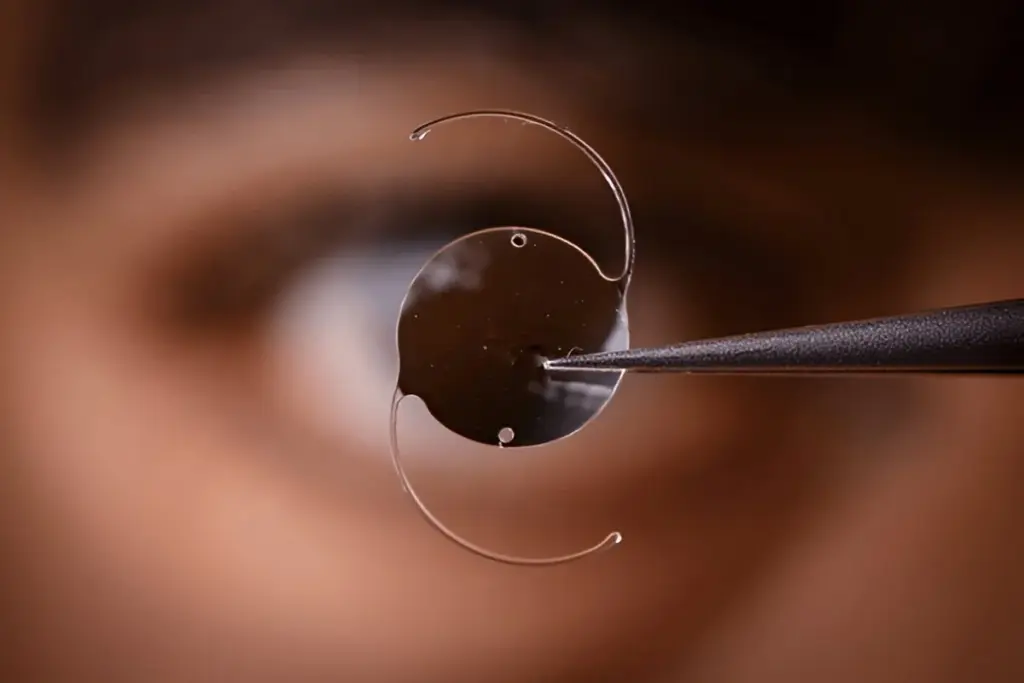
One aspect of this journey that is rarely discussed in detail is neuroadaptation. Because multifocal intraocular lenses present multiple images to the retina at once, your brain must learn to “choose” the clear one and ignore the others.
Initially, you might see slight halos or glares around bright lights at night. For most people, the brain successfully adapts to this new way of seeing within three to six months. This is why many surgeons consider the “success” of the surgery to be a partnership between the doctor’s precision and the patient’s patience during the adjustment phase.
| Feature | Monofocal IOL | Multifocal IOL | Trifocal IOL (Advanced) |
| Distance Vision | Excellent | Excellent | Excellent |
| Intermediate Vision | Limited | Good | Excellent |
| Near (Reading) Vision | Requires Glasses | Very Good | Excellent |
| Night Glares/Halos | Minimal | Low to Moderate | Low to Moderate |
| Cost | Standard | Premium | Premium |
FAQ: Frequently Asked Questions
Is multifocal IOL surgery painful?
No. The procedure is performed under local anesthetic drops. While you might feel a slight sensation of pressure or water in the eye, there is typically no pain during or after the surgery.
Can multifocal IOLs be removed?
Yes, it is possible to exchange a multifocal lens for a different type if a patient cannot adapt to the vision. However, this is considered a secondary surgery and is only done if absolutely necessary. Most adaptation issues resolve with time.
Can I see at night with multifocal lenses?
Yes, your distance vision remains clear. However, you may see “halos” or “starbursts” around headlights or streetlamps. Most patients find these manageable, and they tend to diminish as the brain adapts over several months.
What is the recovery time for multifocal IOL surgery?
Most patients return to light activities (like walking or reading) the very next day. You should avoid heavy lifting and swimming for about two weeks. Visual stability is usually achieved within a month.

 |
|