

Bariatric Surgery has become one of the most discussed medical weight loss procedures in recent decades. From scientific congresses to patient communities, the conversation around Bariatric Surgery continues to grow as more individuals seek sustainable solutions for obesity and metabolic disorders. But what truly changes before and after Bariatric Surgery? What do patients actually experience beyond the numbers on the scale?
At WellDemir, we approach Bariatric Surgery not as a quick fix, but as a structured medical journey shaped by physiology, psychology, and long term lifestyle adaptation. This article explores real results, measurable changes, and the patient experience in a detailed and evidence oriented manner.
Table of Contents

Understanding Bariatric Surgery Before and After Transformation
The concept of Bariatric Surgery before and after often focuses on visual comparison. However, the transformation goes far deeper than aesthetic differences. Scientific observations show that metabolic adaptation begins within days after the procedure, even before significant weight loss occurs.
Get Free Consultation
Have any questions? Leave your details and we'll get back to you shortly.
Before Bariatric Surgery, patients often struggle with insulin resistance, hormonal imbalance, and chronic inflammation. After Bariatric Surgery, studies indicate notable improvements in metabolic markers such as blood glucose regulation and lipid profiles. These physiological shifts are frequently reported in clinical research examining gastric bypass, sleeve gastrectomy, and other metabolic surgery techniques.
The “before and after” narrative should therefore be understood as a multidimensional change involving body composition, hormonal response, appetite regulation, and even gut microbiota diversity.
Types of Bariatric Surgery and Their Impact on Results
Different Bariatric Surgery techniques produce different patterns of weight reduction and metabolic adaptation. The most commonly discussed approaches include:
- Gastric Sleeve
- Gastric Bypass
- Mini Gastric Bypass
- Adjustable Gastric Band
Each Bariatric Surgery method alters the digestive system in a unique way. For example, sleeve gastrectomy primarily reduces stomach volume, while gastric bypass modifies both stomach capacity and nutrient absorption pathways.
Research comparing Bariatric Surgery procedures suggests that hormonal changes involving ghrelin and GLP 1 contribute significantly to appetite reduction. This partially explains why patients often report decreased hunger following Bariatric Surgery, even before major weight reduction occurs.
WellDemir evaluates these variables carefully, considering metabolic status, body mass index, and lifestyle factors before determining the most appropriate approach.
Physical Changes Observed After Bariatric Surgery
The physical transformation after Bariatric Surgery typically unfolds gradually. Most clinical observations indicate that the most rapid weight loss occurs during the first six to twelve months. However, the rate varies depending on surgical type, baseline weight, and metabolic profile.
Commonly reported changes after Bariatric Surgery include:
| Phase | Common Observations | Approximate Timeline |
| Early Phase | Reduced appetite, fluid weight loss | First 4 weeks |
| Active Weight Loss | Visible body reshaping, clothing size reduction | 3 to 9 months |
| Stabilization | Slower weight loss, metabolic adaptation | 12 months and beyond |
Beyond weight reduction, many individuals describe improvements in mobility, joint comfort, and sleep quality after Bariatric Surgery. Some clinical analyses also associate metabolic surgery with changes in blood pressure and type 2 diabetes parameters.
It is important to note that physical results vary significantly. Bariatric Surgery outcomes are influenced by adherence to nutritional protocols and physical activity habits.
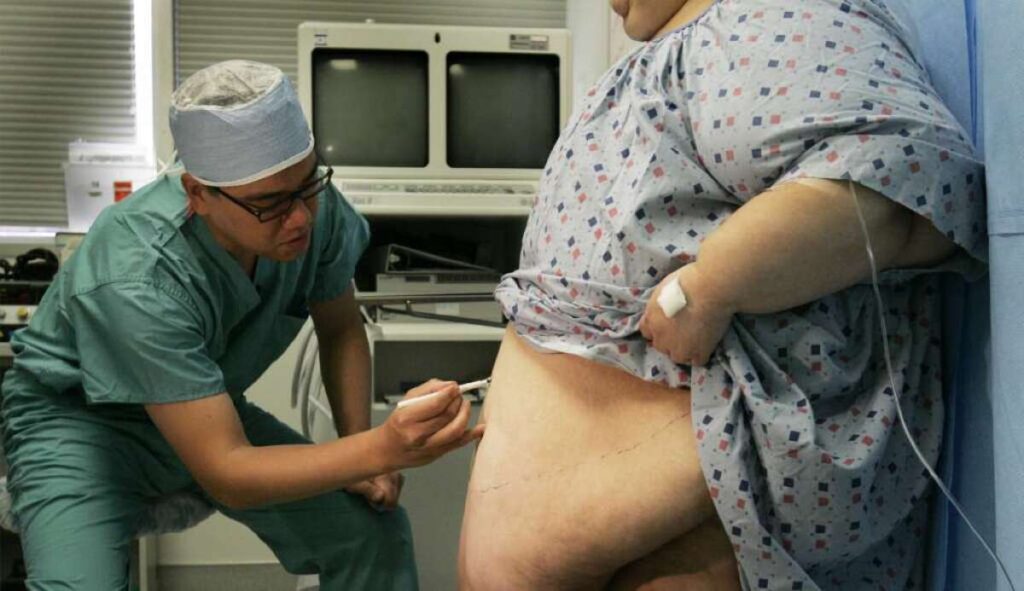
Psychological and Emotional Experience of Bariatric Surgery
The emotional journey surrounding Bariatric Surgery is often underestimated. Before surgery, many patients report anxiety, anticipation, and hope. After Bariatric Surgery, psychological adaptation becomes equally important as physical healing.
Weight loss surgery research highlights the connection between self perception and long term success. Some individuals experience increased confidence and social engagement after Bariatric Surgery, while others may need time to adjust to rapid physical change.
Behavioral adaptation plays a key role in maintaining results. Emotional eating patterns that existed before Bariatric Surgery may require structured psychological support afterward. At WellDemir, the patient experience is considered holistic, recognizing that sustainable transformation extends beyond surgical technique.
Metabolic and Hormonal Changes After Bariatric Surgery
One of the most scientifically fascinating aspects of Bariatric Surgery lies in its metabolic influence. Studies examining metabolic surgery show that glucose control can improve within days, sometimes before measurable weight loss occurs.
After Bariatric Surgery, hormonal signals related to satiety often shift. Reduced ghrelin production and increased incretin response may contribute to decreased appetite and improved insulin sensitivity. This is why Bariatric Surgery is frequently discussed not only as weight loss surgery but also as metabolic surgery.
Research published in international metabolic journals continues to explore how Bariatric Surgery interacts with gut microbiota diversity and systemic inflammation. Although mechanisms are still being studied, the evidence consistently points to complex endocrine adaptations.
Long Term Results and Sustainability of Bariatric Surgery
Long term outcomes of Bariatric Surgery depend on multiple variables, including lifestyle adherence and metabolic baseline. Observational studies following patients for five to ten years suggest that sustained weight reduction is possible, though weight stabilization patterns differ between individuals.
Factors influencing long term Bariatric Surgery results include:
- Nutritional compliance
- Protein intake balance
- Regular physical movement
- Psychological support
- Ongoing medical follow up
Some data indicate that metabolic improvements, particularly in type 2 diabetes remission, may remain stable years after Bariatric Surgery. However, research also emphasizes that surgery alone does not determine outcome. Lifestyle integration remains central to maintaining transformation.
At WellDemir, follow up protocols are structured to monitor long term adaptation rather than focusing solely on immediate results.
Patient Experience at WellDemir During Bariatric Surgery Journey
The Bariatric Surgery journey is shaped not only by surgical expertise but also by preoperative assessment and postoperative guidance. At WellDemir, patients undergo detailed evaluation to understand expectations and medical history before Bariatric Surgery is considered.
The patient experience typically includes:
- Comprehensive metabolic evaluation
- Nutritional counseling sessions
- Psychological readiness assessment
- Structured follow up program
After Bariatric Surgery, patients often describe the process as transformative yet demanding. Adaptation to portion control and mindful eating becomes part of daily routine. Many report that the most significant change is not simply weight reduction, but a redefinition of their relationship with food.
The goal of Bariatric Surgery at WellDemir is not rapid aesthetic transformation, but sustainable metabolic health supported by multidisciplinary care.
Rethinking Bariatric Surgery Before and After
When evaluating Bariatric Surgery before and after, it is essential to move beyond dramatic imagery and consider measurable biological change. The transformation encompasses metabolic shifts, hormonal recalibration, psychological adaptation, and long term lifestyle restructuring.
Scientific literature continues to explore the mechanisms behind Bariatric Surgery, particularly its metabolic influence. While results vary between individuals, research consistently shows that structured follow up and patient engagement strongly correlate with sustainable outcomes.
At WellDemir, Bariatric Surgery is approached as a collaborative journey. Real results emerge not only from surgical precision, but from education, structured monitoring, and informed patient participation. Understanding this broader context allows individuals to view before and after not as a single moment, but as an evolving process grounded in science and experience.

 |
|