
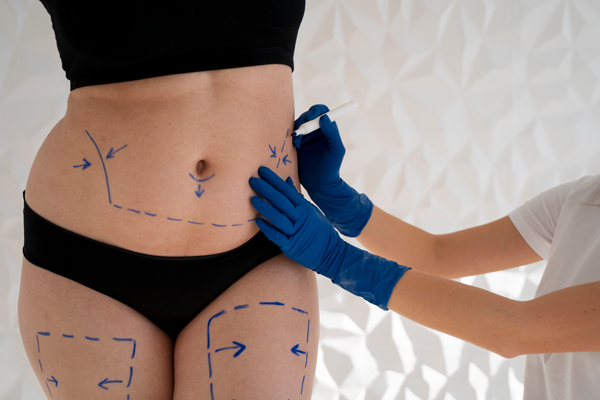
Liposuction is often discussed as a shortcut to body contouring, yet the reality is far more nuanced. In aesthetic medicine, Liposuction is not positioned as a substitute for healthy living, but rather as a targeted fat removal procedure designed to address localized fat deposits that may resist diet and exercise. Understanding when this surgical approach may be appropriate requires examining biology, metabolism, lifestyle, and individual goals.
In this in depth guide prepared on behalf of WellDemir, we explore how Liposuction compares to lifestyle based fat reduction strategies, what scientific research suggests about stubborn fat, and how individuals evaluate whether fat removal surgery aligns with their expectations. The objective is clarity, not persuasion.
Table of Contents
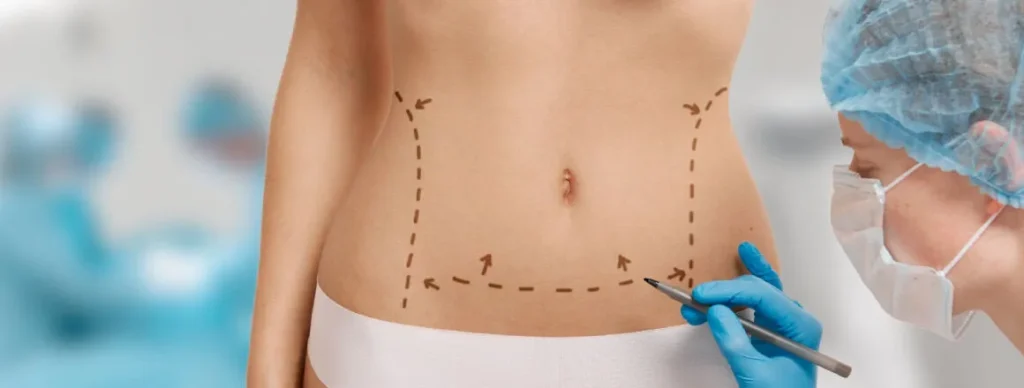
Understanding Liposuction and How It Works
Liposuction is a surgical fat reduction technique that removes subcutaneous fat from specific areas of the body. It is most commonly applied to the abdomen, thighs, hips, flanks, arms, and chin. Unlike weight loss methods, Liposuction focuses on reshaping rather than reducing overall body weight.
Get Free Consultation
Have any questions? Leave your details and we'll get back to you shortly.
The procedure typically involves inserting a thin cannula through small incisions to suction fat cells from targeted zones. Modern variations such as tumescent liposuction, ultrasound assisted liposuction, and laser assisted liposuction have refined the process. These technologies aim to improve precision and potentially support smoother contours.
Scientific studies suggest that fat cells removed during Liposuction do not regenerate in the same treated area. However, remaining fat cells can still enlarge if caloric balance shifts. This distinction explains why Liposuction is considered a contouring tool rather than a metabolic intervention.
Liposuction vs Diet and Exercise: Biological Differences
Diet and exercise influence fat reduction through metabolic pathways. Caloric deficit leads to fat cell shrinkage across the body. However, genetics often determine where fat is stored and where it is lost first. For some individuals, certain areas remain resistant despite consistent lifestyle changes.
Liposuction differs because it physically removes fat cells from specific locations. While diet reduces the volume of fat cells, Liposuction reduces their number in targeted regions. This biological difference explains why some people consider surgical fat removal after reaching a stable weight.
Research in adipose tissue distribution shows that hormonal and genetic factors influence stubborn fat deposits. In such cases, even disciplined nutrition and exercise may not proportionally reshape every area. Liposuction addresses this structural limitation rather than systemic weight management.
When Is Liposuction Considered Instead of Lifestyle Changes?
The decision to explore Liposuction often arises after sustained efforts in diet and exercise have plateaued. It is generally discussed in the context of body contouring rather than obesity treatment. Individuals close to their target weight but dissatisfied with localized fat may evaluate this option.
Common motivations include disproportion between upper and lower body, persistent abdominal fullness, or genetic fat pockets along the flanks. In these situations, Liposuction is framed as a sculpting procedure rather than a primary weight loss strategy.
It is important to recognize that lifestyle habits remain relevant. Long term contour stability may depend on maintaining balanced nutrition and physical activity. Liposuction may reshape anatomy, yet it does not replace the broader metabolic effects of diet and exercise.
Techniques and Advancements in Modern Liposuction
Over the past decades, Liposuction techniques have evolved considerably. Early mechanical suction methods have been supplemented with energy assisted technologies designed to liquefy fat before removal. These refinements aim to enhance precision and minimize tissue trauma.
Below is a simplified comparison of commonly discussed approaches:
| Technique | Mechanism | Potential Advantage |
| Tumescent Liposuction | Fluid infiltration before suction | Reduced bleeding |
| Ultrasound Assisted Liposuction | Ultrasonic energy disrupts fat cells | May aid fibrous areas |
| Laser Assisted Liposuction | Laser energy liquefies fat | Possible skin tightening effect |
| Power Assisted Liposuction | Mechanized cannula movement | Increased efficiency |
Each variation of Liposuction has specific indications and considerations. Selection depends on anatomy, fat consistency, and desired contour. No single technique universally outperforms others in every scenario.
Risks, Limitations, and Realistic Expectations of Liposuction
Every surgical intervention involves variables. Liposuction is generally categorized as safe when performed by experienced professionals, yet it carries potential risks such as swelling, contour irregularities, or fluid shifts. Transparent discussion of these factors forms a critical part of consultation.
It is equally important to address expectations. Liposuction does not tighten significantly loose skin, nor does it function as a treatment for cellulite in most cases. Its primary purpose remains targeted fat removal.
Clinical analyses emphasize that satisfaction often correlates with understanding what Liposuction can and cannot accomplish. When approached as a contour refinement method rather than a transformative solution, outcomes tend to align more closely with patient goals.
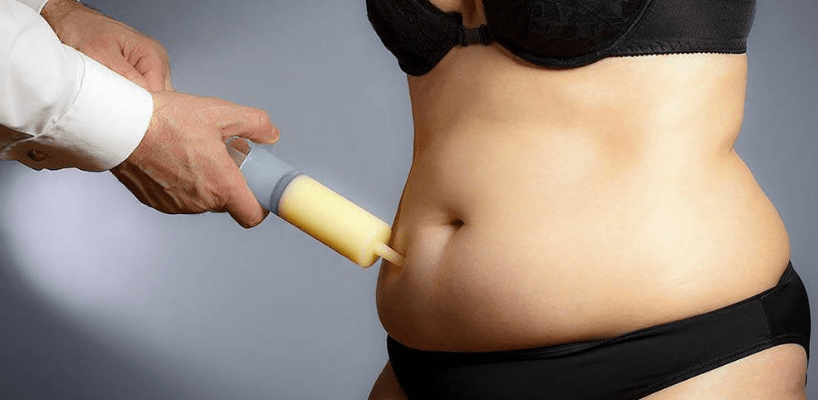
Psychological and Social Considerations Around Liposuction
Body image is influenced by cultural norms, personal history, and social comparison. For some individuals, localized fat deposits may affect clothing choices or self confidence. In these contexts, Liposuction may be evaluated as part of a broader self image decision.
However, research in aesthetic psychology suggests that surgical interventions are most satisfying when motivations are internally driven rather than externally pressured. Liposuction should ideally align with personal comfort rather than societal expectation.
Balanced evaluation includes understanding emotional readiness and long term mindset. The choice between surgery and continued lifestyle adjustment is deeply individual and often reflective.
Long Term Outcomes of Liposuction Compared to Weight Loss
Long term studies indicate that body contour changes after Liposuction can remain stable when weight is maintained. Because fat cells are physically removed, treated areas may retain improved proportions over time.
In contrast, weight loss through diet and exercise reduces fat cell size but not quantity. If weight is regained, fat cells can expand again. This biological distinction partly explains the structural durability associated with Liposuction.
Nonetheless, overall body composition remains dynamic. Lifestyle continues to influence distribution patterns. While Liposuction reshapes specific zones, it does not alter hormonal or metabolic regulation of fat storage.
Choosing Between Liposuction and Lifestyle Strategies
Liposuction and lifestyle based fat reduction serve different purposes. Diet and exercise improve metabolic health and reduce systemic fat. Liposuction focuses on targeted contour refinement when localized deposits resist other methods.
The right choice depends on anatomy, expectations, health status, and personal goals. Surgical fat removal is neither a shortcut nor a universal solution. Instead, it represents a precise anatomical adjustment within the broader context of body composition management.
When considered thoughtfully, Liposuction may complement a healthy lifestyle rather than compete with it. Understanding its mechanisms, limitations, and long term implications allows individuals to approach the decision with clarity and informed perspective.

 |
|