Skip to content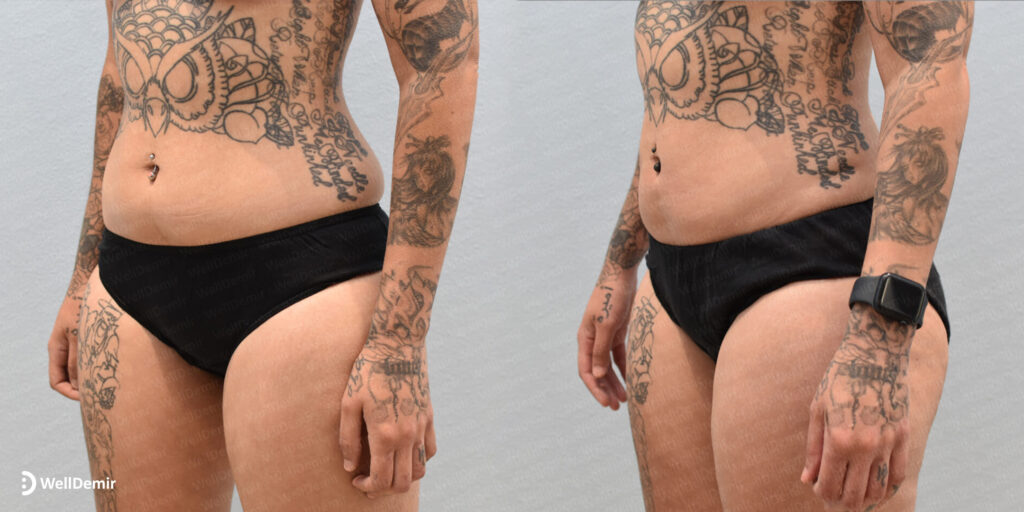
With any surgical or interventional procedure, results may vary from person to person. It is recommended that you seek detailed advice from your physician before proceeding.
Liposuction in Turkey offers a safe and effective solution for those looking to reshape their body by removing stubborn fat deposits. This advanced procedure targets areas resistant to diet and exercise helping you achieve a more sculpted, balanced figure without compromising your natural proportions.
Natural results by certified surgeons in Turkey
From flights to follow ups, we carefully coordinate it all.
Treatments performed in trusted medical facilities.
Performed by skilled surgeons in accredited clinics, every liposuction procedure is carefully tailored to match your body shape, skin quality, and personal goals. WellDemir connects you with trusted specialists who use advanced methods to deliver natural, long-lasting contouring. From your first consultation to full recovery, we oversee every detail with professionalism and care. For added safety, your treatment may include complication insurance, offering coverage for unexpected medical situations during or after surgery.
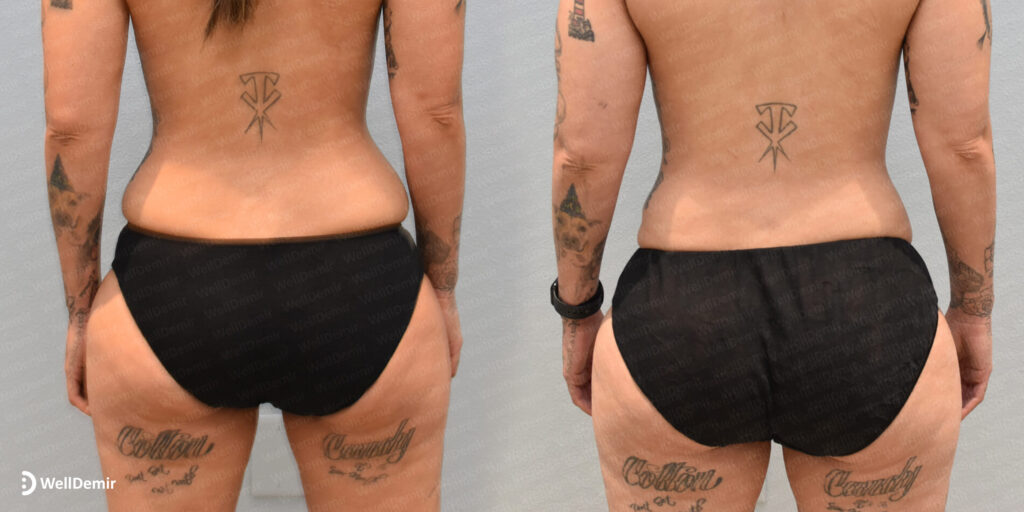
Liposuction in Turkey is a proven method to refine body contours by removing stubborn fat that resists diet and exercise. Unlike temporary fixes, this advanced procedure delivers lasting, natural-looking results in areas like the abdomen, thighs, arms, and chin. Performed by experienced surgeons in accredited clinics, each treatment is carefully customized to meet your aesthetic goals. WellDemir coordinates the full process connecting you with licensed specialists and offering complication insurance to ensure a safe, smooth journey from consultation to recovery.
We connect you with skilled plastic surgeons to assess your goals and plan your procedure based on your facial or body anatomy.
WellDemir handles your flights, accommodation, and clinic appointments ensuring a smooth, stress-free plastic surgery journey in Turkey.
Post-surgery care includes regular check-ins and expert support, giving you peace of mind even after you return home.
Liposuction results are considered long lasting because the fat cells that are removed from the treated area do not regenerate. However, the long-term outcome depends heavily on maintaining a stable body weight. Patients who continue to gain significant weight may notice enlargement of the remaining fat cells in untreated areas, which can subtly alter body contours over time. With a healthy diet, regular exercise, and proper post-operative care, the improvements achieved through liposuction can remain visible for many years, often exceeding a decade. Regular follow-ups with the surgeon can also help monitor and maintain optimal results.
Liposuction is a body contouring procedure, not a method for major weight loss. While it can remove several liters of fat during a single session, this generally does not equate to losing 10 kilograms. The procedure is designed to sculpt and reshape specific areas rather than significantly reduce overall body weight. Patients seeking substantial weight loss are encouraged to reach a healthier weight before surgery to ensure safety and achieve the best aesthetic outcome. Combining liposuction with a long-term healthy lifestyle ensures the results are both visible and sustainable.
Pain levels after liposuction vary depending on the treated areas, the amount of fat removed, and the surgical technique used. Most patients describe the sensation as soreness, tenderness, or mild discomfort similar to that experienced after an intense workout. Modern techniques, such as tumescent infiltration, Vaser, or power-assisted liposuction, minimize tissue trauma and significantly reduce pain. Prescribed medications, compression garments, and careful post-operative care help manage discomfort. Most patients find that pain is temporary and manageable within the first few days, gradually improving as the body heals.
There is no strict age limit for liposuction, but ideal candidates are adults with good skin elasticity, stable body weight, and realistic expectations. Younger individuals may experience tighter results due to naturally firmer skin. Older patients can also benefit, provided they are in good general health and have sufficient skin quality to adapt to the new body contours. The surgeon will evaluate skin elasticity, fat distribution, and overall health to determine the suitability and timing of the procedure for each patient.
Liposuction removes fat deposits beneath the skin but does not tighten loose abdominal muscles or excess skin. Patients with significant skin sagging or abdominal muscle separation (diastasis recti) may need a tummy tuck in addition to liposuction to achieve a truly flat and toned appearance. For patients with good skin tone and elasticity, liposuction alone can create a visibly flatter, smoother, and more contoured abdominal profile. Post-operative care, including compression garments and light physical activity, enhances the final results.
The fat cells removed during liposuction do not regenerate, making the procedure a permanent solution for those areas. However, remaining fat cells can still enlarge if the patient gains weight post-surgery. Weight gain may cause fat to accumulate in other, untreated areas, potentially altering the body’s proportion. Maintaining a balanced diet, regular exercise, and a healthy lifestyle is crucial to preserve the sculpted shape achieved with liposuction. Long-term success is closely linked to post-operative habits and ongoing weight management.
Ten years after liposuction, most patients maintain a significantly improved body contour. Natural aging and gradual changes in metabolism can slightly affect skin elasticity and body shape, but treated areas generally remain slimmer compared to pre-surgery. Long-term satisfaction is largely influenced by lifestyle choices, including diet, exercise, and weight management. Periodic follow-ups with the surgeon can help address minor changes and ensure lasting results.
Pain tolerance varies, but certain areas are generally more sensitive. The abdomen, inner thighs, and flanks are commonly considered the most uncomfortable due to higher nerve density and tissue sensitivity. The intensity of discomfort also depends on the amount of fat removed and the invasiveness of the procedure. Modern anesthesia, careful technique, and post-operative management including compression garments, gentle walking, and pain medications help minimize discomfort and aid faster recovery.
Liposuction is a contouring procedure designed for individuals who are already close to their ideal weight but struggle with localized fat that does not respond to diet and exercise. People who should avoid liposuction include those with uncontrolled heart disease poorly regulated diabetes severe autoimmune conditions or bleeding disorders. Individuals with compromised skin elasticity smokers unwilling to quit before surgery and patients with unrealistic expectations are also not ideal candidates. Liposuction is not meant for significant weight loss or obesity treatment so patients seeking dramatic reductions in weight should consider medically supervised weight loss programs instead. A detailed consultation ensures that health history medications lifestyle factors and expected outcomes align with safe surgical practices.
Liposuction has a strong global satisfaction rate especially among patients who understand that the goal is body contouring rather than major weight loss. Regret usually occurs when expectations were unrealistic or when patients assumed the procedure would completely change their body shape without maintaining a stable lifestyle. Some individuals may regret the procedure if they gain weight afterward since new fat accumulation can distort the original contour. In rare cases dissatisfaction stems from uneven fat removal prolonged swelling firmness under the skin or contour irregularities. Choosing a skilled surgeon following aftercare instructions and understanding the limits of liposuction significantly reduce the likelihood of regret.
Yes many patients appear noticeably slimmer once swelling resolves and final results begin to show. Liposuction removes targeted fat pockets which naturally improves the silhouette and creates better proportions between the waist hips abdomen or other treated areas. However looking thinner depends on the amount of fat removed skin elasticity and adherence to postoperative instructions such as compression garment use. While liposuction enhances shape it is not a replacement for an overall weight loss plan. Patients who maintain stable weight through balanced nutrition and activity levels tend to experience the most visible improvements and long lasting results.
A flabby belly can be improved through a combination of fat reduction and skin tightening methods. Liposuction alone removes fat but does not correct loose skin or weakened abdominal muscles. Patients with mild to moderate fat but good skin elasticity often see significant improvement after liposuction. Those with noticeable sagging or separated muscles may benefit more from a tummy tuck which tightens the abdominal wall and removes excess skin. Non surgical options like radiofrequency tightening or high intensity ultrasound can support better tone in mild cases. The right choice depends on the specific cause of the flabbiness and the patient’s anatomy.
Liposuction can be performed multiple times as long as each session is medically justified and done safely. However repeated procedures on the same area require careful planning because aggressive fat removal can affect blood supply skin texture and long term elasticity. Many surgeons recommend waiting several months between sessions to allow the tissue to fully heal and swelling to resolve. Patients should aim for a balanced approach focusing on healthy weight maintenance to reduce the need for repeated procedures. Safety always comes first so surgical limits are determined based on health status volume of fat previously removed and desired outcomes.
While liposuction is effective and widely performed it still carries potential downsides. Common issues include swelling bruising temporary numbness and fluid retention which gradually improve over weeks. More complex downsides may include contour irregularities asymmetry or prolonged firmness under the skin. Surgical complications such as infection changes in sensation or anesthesia related risks although rare must be considered. Patients may also feel disappointed if they regain weight since fat distribution may appear different after the procedure. Thorough consultation realistic expectations and postoperative compliance significantly reduce the likelihood of downsides.
The best fat removal method depends largely on patient goals overall health and the area needing improvement. Liposuction remains the gold standard for immediate visible fat removal especially in larger volumes. Non surgical alternatives include cryolipolysis radiofrequency heating and ultrasound based fat reduction which benefit patients who prefer minimal downtime. These methods gradually shrink fat cells but produce subtler results compared to surgical liposuction. Individuals seeking dramatic contouring and precise sculpting often achieve superior outcomes with liposuction while those preferring non invasive approaches may combine several sessions of device based treatments for gradual refinement.
Most patients require minimal bed rest following liposuction. Typically, 1–3 days of relative rest is recommended, focusing on light movement to encourage circulation and reduce the risk of blood clots. Returning to work usually occurs within 1–2 weeks depending on the extent of the procedure. Full physical activity including exercise should generally be postponed for 4–6 weeks. Compression garments play a crucial role in controlling swelling and supporting the treated areas, so patients must follow the surgeon’s instructions closely to optimize healing and maintain results.
Among cosmetic procedures, liposuction is moderately demanding in terms of recovery. While not as intensive as full body lifts or mommy makeovers, the difficulty level depends on the volume of fat removed and the number of treated areas. Extensive multi-area liposuction can lead to prolonged swelling, bruising, and soreness. Recovery may also involve managing fluid retention and maintaining compression garments. Adherence to proper aftercare, hydration, and light activity significantly eases recovery and reduces complications.
Advancements in liposuction technology have introduced methods such as laser assisted liposuction (LAL), Vaser liposuction, and power assisted liposuction (PAL).
These techniques often result in less bruising, reduced recovery time, and improved skin retraction compared to traditional liposuction. Choosing the right method depends on patient goals, area treated, and surgeon expertise.
Liposuction permanently removes fat cells in the treated area; however, remaining fat cells can still enlarge if weight is gained. Fat may accumulate in untreated regions, potentially altering body proportion. Maintaining a stable weight through diet, exercise, and healthy lifestyle habits is essential to preserve the results long term. Patients should understand that liposuction is a body contouring procedure, not a substitute for weight management.
Pain after liposuction varies by patient, volume removed, and area treated. Discomfort typically includes soreness, tenderness, and bruising that peaks within 48–72 hours. Most patients manage pain with over-the-counter analgesics or prescribed medications. Wearing compression garments, gentle walking, and elevating the treated area help minimize discomfort. By the second week, pain usually subsides considerably, allowing normal daily activities.
Liposuction is designed for contouring, not weight loss. While small amounts of fat can be removed safely (typically a few liters per session), expecting to lose 10 kg in a single procedure is unrealistic and unsafe. For patients with significant weight loss goals, a combination of medically supervised diet, exercise, and possibly multiple procedures is recommended. Understanding this distinction prevents unrealistic expectations and ensures patient safety.
Ten years after liposuction, results are generally maintained if weight is stable. Fat may redistribute slightly in untreated areas, but treated regions usually retain improved contour. Skin elasticity and natural aging also affect the long-term appearance. Patients who maintain a healthy lifestyle enjoy long-lasting benefits, while those who gain significant weight may notice changes in body proportion. Regular follow-ups help assess results and address any minor irregularities.
Pain perception varies, but certain areas are generally more sensitive. The abdomen, flanks, thighs, and upper arms can be tender due to dense fat and close proximity to nerves. The inner thigh, knee, and chin areas are often considered less painful. Surgeons provide tailored anesthesia and postoperative care instructions to minimize discomfort across all treated regions.
Liposuction results are long-lasting when patients maintain stable weight and lifestyle. Treated fat cells do not return, but remaining fat can enlarge if weight gain occurs. Combining liposuction with healthy habits ensures durable outcomes, and many patients enjoy permanent body contour improvements for 10–15 years or longer.
Liposuction commonly targets the abdomen, thighs, hips, arms, back, and chin to remove stubborn fat.
No. Liposuction is not for weight loss but for body contouring in people close to their ideal weight.
Most patients resume light activity within a few days and return to normal routines in 2–4 weeks.
All treatments are carried out by certified surgeons in licensed, accredited clinics partnered with WellDemir.
Yes. WellDemir offers optional complication insurance to protect you from unexpected medical issues during or after surgery.
The quality of your skin's elasticity plays a major role in the final result. If you have good skin tone, it will naturally shrink and conform to your new contours. However, if there is significant skin laxity before the procedure, liposuction alone may not be enough. In such cases, we often recommend combining liposuction with skin-tightening technologies (like Vaser or J-Plasma) or a surgical lift to ensure a smooth, firm appearance.
Liposuction permanently removes fat cells from the treated areas; these cells do not grow back. However, if you gain a significant amount of weight after surgery, the remaining fat cells in your body can still expand. To maintain your sculpted results long-term, it is essential to follow a healthy diet and a regular exercise routine.
Yes, wearing a medical-grade compression garment is a critical part of the recovery process. It helps reduce swelling, supports the new body contours, and assists the skin in adhering to the underlying tissue. Most patients are required to wear the garment 24/7 for the first 3 to 4 weeks, and then part-time for another 2 weeks as recommended by the surgeon.
As WellDemir, we connect you with licensed clinics and top medical professionals across Turkey.
 | Sağlık Turizmi Reklam Ajansı | © 2026 Demir Health Turizm A.Ş.