Skip to content
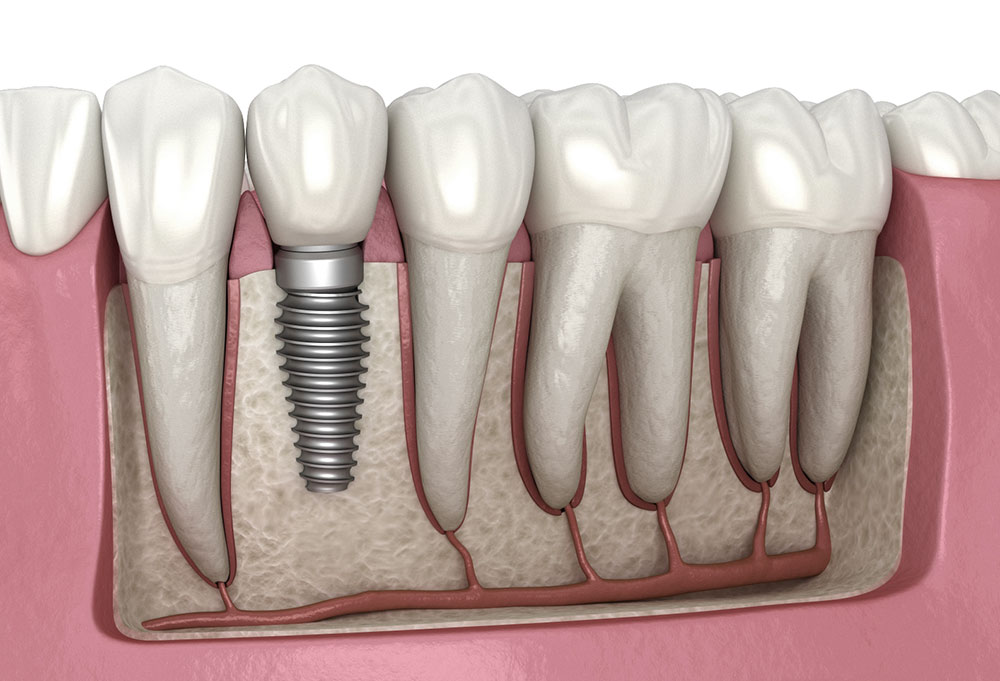
When people start researching dental implants (endosseous implants), one of the very first questions that naturally comes to mind is how many of them can actually be placed in a single appointment. The idea of restoring several missing teeth at once sounds efficient, but it also raises curiosity and sometimes hesitation. At WellDemir, this question appears frequently, especially among readers who want to understand the limits, possibilities, and logic behind modern implant dentistry.
Table of Contents
Understanding dental implant (endosseous implant)s and session planning
Dental implants are artificial tooth roots designed to integrate with the jawbone. While the concept sounds straightforward, the planning behind them is surprisingly complex. One session does not simply mean one implant, nor does multiple implants automatically mean a longer or riskier process.
Clinicians usually think in terms of balance. Bone quality, available space, and overall oral conditions shape how many dental implants (endosseous implants) can be placed at one time. In academic literature, session planning is often discussed as a strategic decision rather than a numerical limit. This perspective helps explain why some sessions involve a single implant, while others include several dental implants (endosseous implants) placed carefully in one visit.
Get Free Consultation
Have any questions? Leave your details and we'll get back to you shortly.
From a patient viewpoint, it is tempting to assume that fewer sessions are always better. Research and clinical experience suggest otherwise. Sometimes spacing procedures creates better long term outcomes, even if it requires more patience.
How many dental implants (endosseous implants) are commonly placed in one visit?
There is no universal number that applies to everyone. In many documented cases, one to three dental implants (endosseous implants) are placed in a single session without complexity. This range is often mentioned in studies focusing on routine tooth replacement.
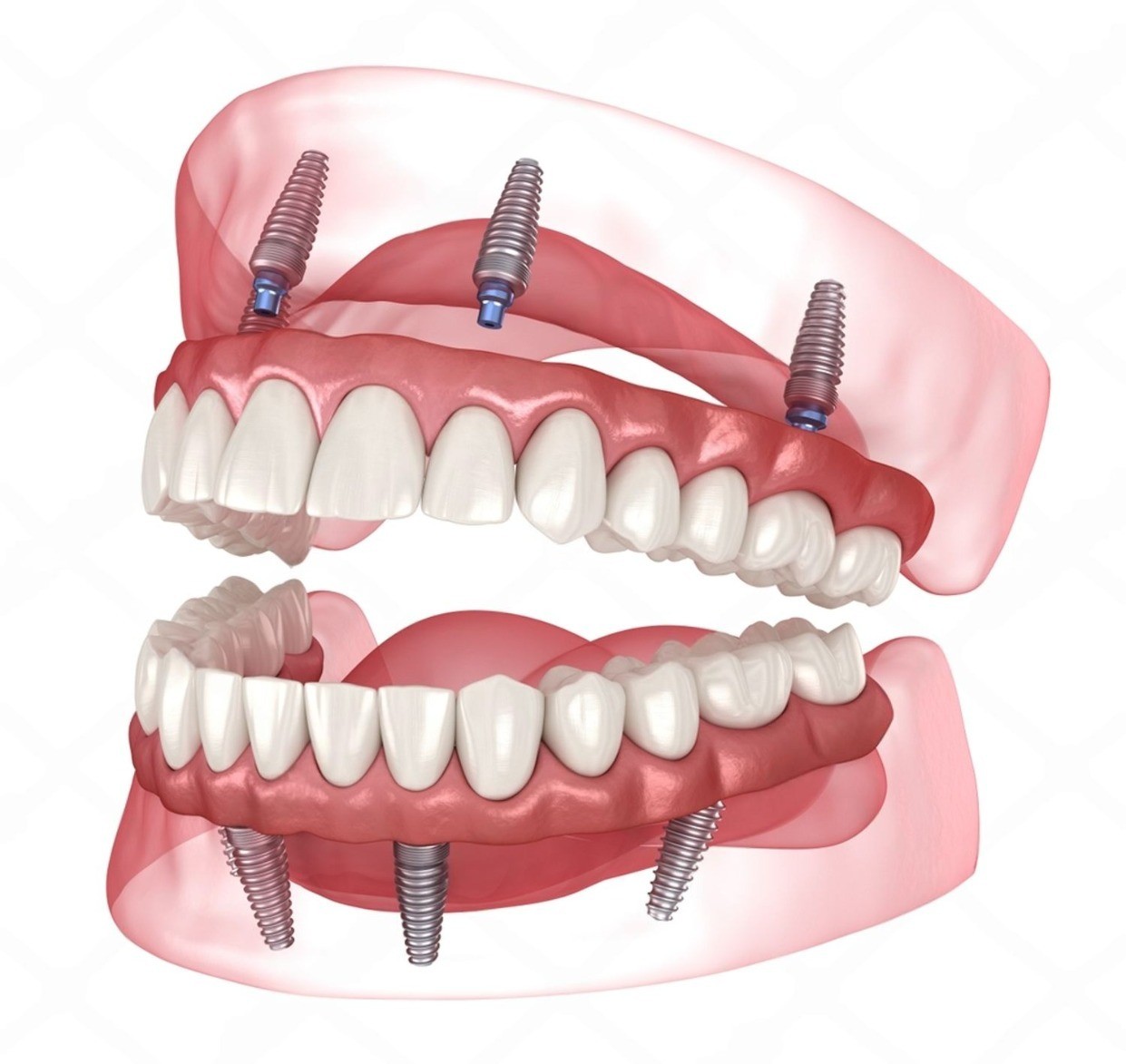
However, modern techniques allow for more ambitious approaches. In full arch restorations, clinicians may place four, six, or even more dental implants (endosseous implants) during one appointment. These cases are carefully planned using digital imaging, simulations, and biomechanical analysis. The goal is not speed, but structural harmony.
What matters most is not the number itself, but how those dental implants (endosseous implants) interact with bone and surrounding tissues. Scientific discussions increasingly emphasize quality over quantity, especially when evaluating long term stability.
Factors that influence how many dental implants (endosseous implants) can be placed
Several variables come into play when determining how many dental implants (endosseous implants) fit into a single session. None of them exist in isolation, and each can significantly shift the final plan.
Bone density is often highlighted in research. Dense, healthy bone can support multiple dental implants (endosseous implants) more predictably than bone that has thinned over time. Jaw anatomy also matters. The upper and lower jaws behave differently under implant placement, a topic explored extensively in anatomical studies.
Another factor is spacing. Even if bone quality is excellent, the physical distance between implants affects load distribution. Overcrowding dental implants (endosseous implants) can lead to mechanical stress, something clinicians aim to avoid.
Single tooth versus full arch dental implants (endosseous implants)
The contrast between replacing one tooth and restoring an entire arch illustrates the flexibility of dental implants (endosseous implants). A single missing tooth usually requires one implant, placed with precision and minimal disruption. These sessions are often described in the literature as highly predictable.
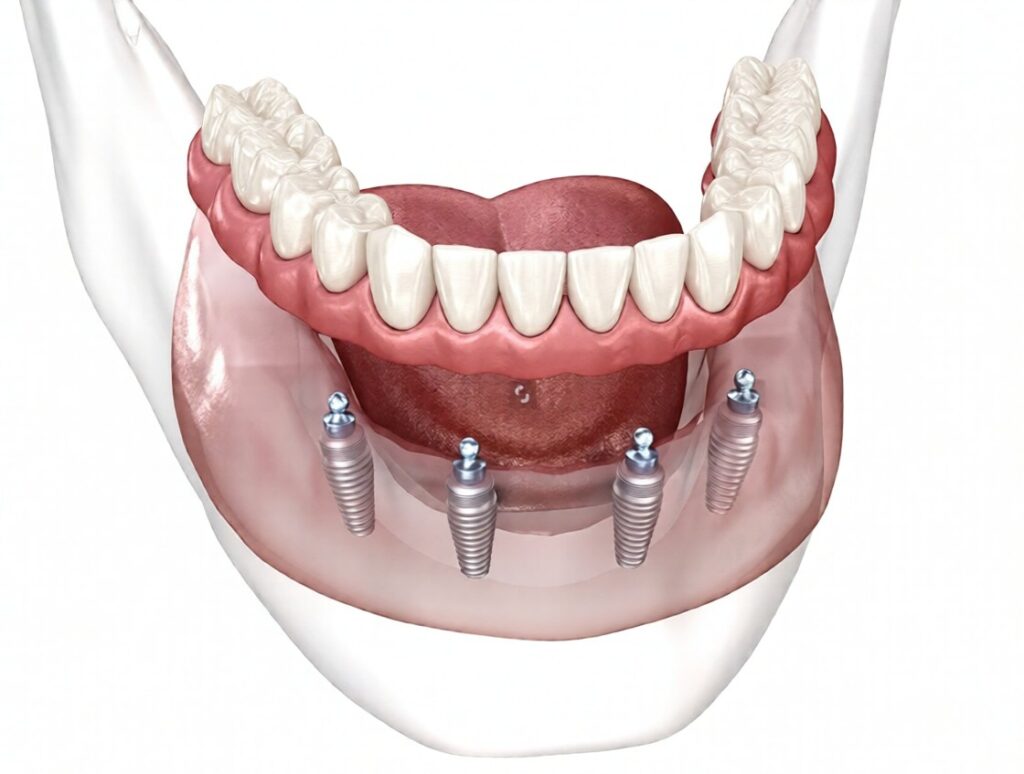
Full arch solutions, on the other hand, rely on strategic placement. Concepts like implant supported bridges use fewer dental implants (endosseous implants) to support more teeth. This approach has been widely analyzed in biomechanical studies, showing how angles and positioning compensate for lower implant numbers.
Interestingly, placing multiple dental implants (endosseous implants) at once in full arch cases is not about excess. It is about efficiency and balance, ensuring that forces are evenly distributed across the jaw.
Time, technology, and the evolution of dental implants (endosseous implants)
Advancements in technology have reshaped how dental implants (endosseous implants) are placed. Digital planning tools allow clinicians to visualize outcomes before the session begins. This reduces uncertainty and supports placing several dental implants (endosseous implants) safely in one visit.
Three dimensional imaging and guided placement systems are often discussed in recent research as game changers. They do not increase the number of dental implants (endosseous implants) by default, but they make complex sessions more predictable.
Time is another overlooked element. A longer session does not necessarily mean more implants. Studies show that focused, well planned procedures often outperform rushed multi implant sessions.
Research insights on placing multiple dental implants (endosseous implants) together
Scientific literature offers fascinating insights into multi implant sessions. Comparative studies often examine outcomes of single versus multiple dental implants (endosseous implants) placed simultaneously. The results usually highlight the importance of case selection rather than raw numbers.
Some analyses suggest that placing several dental implants (endosseous implants) together can streamline healing timelines. Others point out that staged approaches may offer advantages in specific anatomical conditions. These seemingly conflicting findings underline one key idea. There is no single rule that fits every patient.
What stands out across studies is the emphasis on individualized planning. The number of dental implants (endosseous implants) becomes a variable, not a target.
Psychological and practical perspectives on dental implants (endosseous implants)
Beyond biology and mechanics, there is a human side to dental implants (endosseous implants). Many people prefer fewer visits for emotional and logistical reasons. Research in patient centered care shows that expectations influence satisfaction almost as much as outcomes.
At the same time, understanding the rationale behind implant planning often reduces anxiety. When patients learn why a clinician chooses to place a certain number of dental implants (endosseous implants), trust increases.
This is why educational content plays such a crucial role. Clear explanations transform dental implants (endosseous implants) from an intimidating concept into an understandable process.
Comparing different implant placement approaches
Below is a simplified comparison table that illustrates how session strategies can differ. This is not a recommendation, but a conceptual overview often used in educational materials.
| Approach type | Typical session scope | Core idea |
| Single tooth replacement | One dental implants (endosseous implants) | Precision and focus |
| Partial restoration | Two to three dental implants (endosseous implants) | Balanced support |
| Full arch concept | Four to six dental implants (endosseous implants) | Strategic distribution |
Such comparisons help readers visualize why numbers vary so much in discussions about dental implants (endosseous implants).
The role of experience and institutional trust
When reading about dental implants (endosseous implants), many users also evaluate the source itself. WellDemir positions its content within a broader context of research awareness, clinical observation, and transparency. Referenced studies, academic consensus, and long term outcome tracking all contribute to a sense of authority.
Content that explains not just what happens, but why it happens, often stands out in search results. This article aims to do exactly that by unpacking the reasoning behind how many dental implants (endosseous implants) can be placed in one session.
Final thoughts on dental implants (endosseous implants) and session limits
So, how many dental implants (endosseous implants) can be placed in one session? The most honest answer is that it depends, and that is not a weakness but a strength of modern dentistry. Flexibility allows clinicians to adapt procedures to individual anatomy, expectations, and long term goals.
Instead of focusing on a specific number, it is more meaningful to understand the principles behind implant planning. Dental implants are not a mass produced solution. They are a carefully engineered response to unique oral conditions.
For readers exploring this topic, knowledge is empowering. By understanding the variables involved, the conversation around dental implants (endosseous implants) becomes clearer, calmer, and far more informative.

 |
|