Skip to content
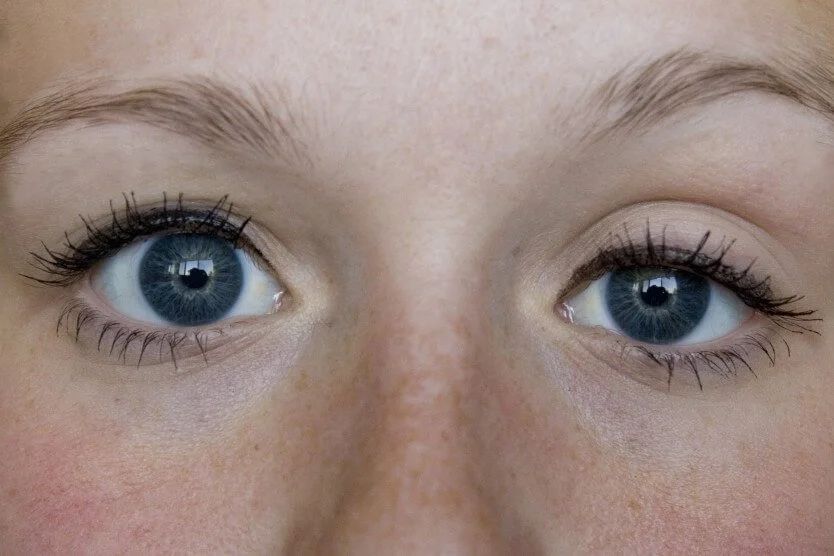
The appearance of our eyes often dictates how the world perceives our energy levels and health. When an eyelid dropped on one or both sides occurs, it can create a perpetually tired, sad, or aged appearance. Beyond aesthetics, a low-lying eyelid can significantly impair your quality of life by narrowing your field of vision, making daily tasks like driving or reading more strenuous.
Navigating the world of ophthalmic care can feel overwhelming, especially when deciding between a simple skin tightening or a complex muscle repair. Whether you are asking “why has my eyelid dropped” due to a recent change or have struggled with a congenital condition since birth, understanding the underlying anatomy is the first step toward a successful restoration.
This guide outlines the various types of heterochromia (often confused with lid asymmetry), the surgical pathways available in Turkey, and how to identify when a drooping lid requires urgent medical attention.
Get Free Consultation
Have any questions? Leave your details and we'll get back to you shortly.
Table of Contents
What is Ptosis?
Ptosis is the medical term used to describe a dropped eyelid that sits lower than it should. Under normal circumstances, the upper eyelid rests just above the iris. In a ptotic eye, the lid margin descends, sometimes partially obscuring the pupil. This is not merely an issue of “tired eyes”; it is a structural failure of the lifting mechanism.
The upper eyelid is controlled by two primary muscles: the levator palpebrae superioris (the main lifting muscle) and the Müller’s muscle (a smaller, involuntary muscle). If these muscles become stretched, weakened, or if the nerves supplying them are interrupted, the eyelid loses its support. While many people use the term “dropped eyelid” to describe excess skin hanging over the lashes, true ptosis involves the actual edge of the eyelid sitting too low on the eyeball itself.
Why Has My Eyelid Dropped? Exploring the Root Causes
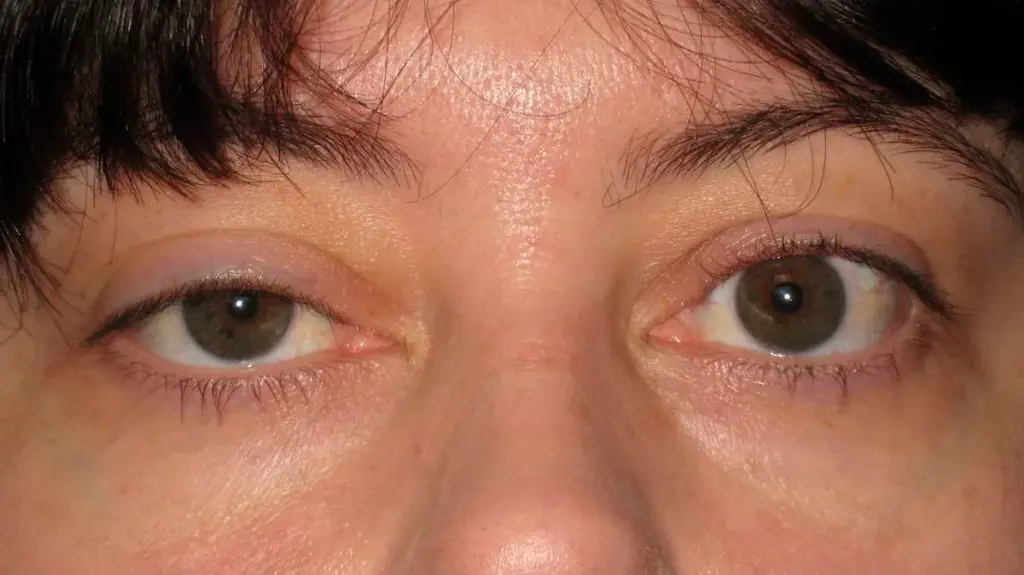
Identifying the catalyst behind a dropping eyelid is essential for selecting the correct treatment. Onset can be gradual over several years or happen within a matter of hours.
Common Clinical Causes
- Aponeurotic Ptosis (Aging): This is the most frequent cause. Over time, gravity and repetitive movement cause the levator muscle’s tendon to stretch and pull away from its attachment point.
- Trauma or Injury: A direct blow to the eye or a sharp injury can damage the delicate muscle fibers or nerves.
- Neurological Issues: Conditions like Horner syndrome or myasthenia gravis affect how the brain communicates with the eyelid muscles.
- Post-Surgical Complications: Sometimes, the instruments used to keep the eye open during cataract or LASIK surgery can inadvertently stretch the levator muscle.
- Botox-Induced Ptosis: If cosmetic injections migrate to the levator muscle, it can cause a temporary drop. In these cases, using over the counter eye drops for droopy eyelid after botox (specifically those containing brimonidine or oxymetazoline) can provide temporary symptomatic relief.
Sudden Onset Concerns
If you are wondering, “Why has my upper eyelid dropped suddenly?” you should seek a medical evaluation quickly. A sudden drop, especially when accompanied by a headache, double vision, or a difference in pupil size, could indicate a more serious underlying neurological event that requires immediate imaging.
Dropped Eyelid vs. Excess Skin: Which Procedure Do You Need?
A common point of confusion for patients is the difference between blepharoplasty vs ptosis surgery. While both address the upper eye area, they treat entirely different tissues.
Blepharoplasty is primarily an aesthetic procedure. It involves removing “hooded” skin or fat deposits that sit on top of the eyelid. It is for people whose eyelids move fine, but look heavy because of sagging skin. If you have eye drops for swollen eyelids and the heaviness persists after the swelling goes down, you may simply have excess skin.
Ptosis surgery, however, is a functional repair. It involves tightening the levator muscle itself. If your eyelid margin is covering your pupil, a blepharoplasty alone will not fix the problem; you need a muscle adjustment to lift the “curtain” of the eyelid higher. In many cases at Well Demir, our surgeons perform both simultaneously to achieve the most rejuvenated and functional result.
Warning Signs: When a Droopy Eyelid Becomes a Medical Concern
Not every dropped eyelid is a surgical emergency, but certain symptoms act as “red flags” for deeper systemic issues.
Consult a specialist if you notice:
- Visual Field Obstruction: You find yourself tilting your head back or lifting your eyebrows with your hands just to see clearly.
- Eye Strain and Headaches: Constant use of the forehead muscles (frontalis) to lift the lids can lead to chronic tension headaches.
- Symmetry Changes: A dropped eyelid on one side that appears differently than the other eye can sometimes be the first sign of an autoimmune condition.
- Infection Symptoms: If the lid is red, hot, and heavy, you might be dealing with a stye eyelid drops can help, but a swollen eyelid that persists needs a clinical check for cellulitis. Using the best eye drops for itchy eyelids might soothe surface irritation, but it won’t lift a structurally fallen lid.
Surgical Solution: How is Eyelid Drooping Correction Performed?
For most patients, ptosis surgery is the only permanent way to fix a structurally eyelid dropped condition. The procedure is usually performed on an outpatient basis under local anesthesia with light sedation, ensuring a comfortable experience.
The Surgical Steps:
- Incision: The surgeon usually makes an incision in the natural crease of the upper eyelid, making the eventual scar nearly invisible.
- Muscle Adjustment: The levator muscle is identified. The surgeon “tucks” or reattaches the muscle to shorten it, effectively making it stronger and more capable of holding the lid up.
- Symmetry Check: This is the most artistic part of the surgery. The surgeon may ask you to open your eyes during the procedure to ensure both eyelids sit at the exact same height, accounting for Hering’s Law (where fixing one eye may cause the other to drop).
- Closure: Fine sutures are used to close the skin.
This droopy eyelid correction typically takes about 45 to 60 minutes per eye. Because the eye area is highly vascular, some bruising is expected, but the functional improvement in vision is often noticed almost immediately after the dressings are removed.
Non-Surgical Alternatives: Injections and Eye Drops
If you are looking for how to fix a dropped eyelid without surgery, the options depend on the cause.
For acquired ptosis (age-related), a new class of FDA-approved prescription eye drops has become available. These drops stimulate the Müller’s muscle to contract, providing a temporary “lift” of about 1-2 mm that lasts for several hours. This is an excellent option for patients with mild drooping who are not yet ready for the operating room.
Additionally, if the drooping is caused by an allergic reaction or inflammation, using eye drops for swollen eyelids or the best eye drops for itchy eyelids can resolve the “pseudoptosis” caused by weight and fluid. However, if the issue is a stretched tendon, these topical solutions will only provide a temporary cosmetic mask rather than a structural fix.
Eyelid Surgery in Turkey: 2026 Cost and Package Guide
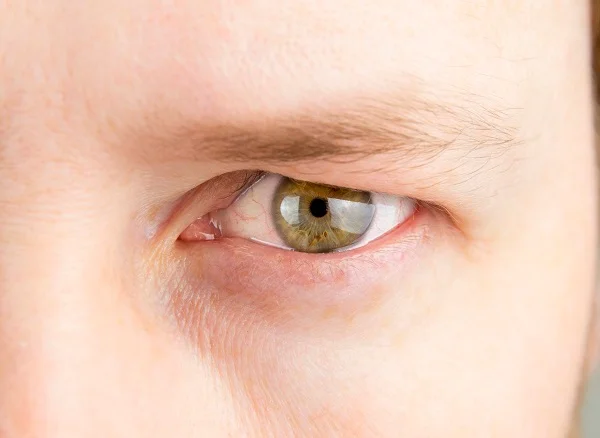
Turkey has remained a global leader in eye care due to its concentration of world-class ophthalmologists and advanced hospital infrastructure. When considering the ptosis surgery cost in Turkey 2026, patients find that the value goes far beyond just a lower price tag.
The cost for upper eyelid surgery Turkey typically ranges from €2,500 to €3,800, depending on whether you require a bilateral muscle repair or a combination of ptosis repair and blepharoplasty. This represents a savings of 50-70% compared to private clinics in the UK or the US, without sacrificing medical quality.
Recovery and Results: What to Expect After Your Procedure
Understanding the recovery timeline is essential for international travelers planning their trip. Most patients can fly back home within 5 to 7 days after their Droopy eyelid correction.
- Day 1-3: You will experience swelling and some bruising. Using cold compresses and prescribed drops for swollen eyelids will help manage discomfort.
- Day 7: Sutures are typically removed. The “heaviness” begins to lift, and your vision field feels more open.
- Week 2-4: Most bruising fades. You can return to exercise and wear contact lenses again.
- Month 3: The final results are visible. The scars have matured into the eyelid crease, and the eyes appear symmetrical and refreshed.
FAQ
Why has my eyelid suddenly dropped?
A sudden drop can be caused by Botox migration, a severe allergic reaction (where eye drops for swollen eyelids may help), or a neurological issue. If it happens in seconds or minutes, consult a doctor immediately.
How to fix an eyelid that droops?
The most permanent fix is ptosis surgery to tighten the levator muscle. Non-surgical options include prescription lifting drops or treating underlying inflammation with itchy eyelids eye drops.
How serious is a drooping eyelid?
While often just a cosmetic or age-related sign, it can be serious if it obstructs your vision or is caused by a nerve disorder. An evaluation by an oculoplastic surgeon is necessary to rule out systemic disease.
Can a droopy eyelid go back to normal?
If the cause is temporary, like Botox or a stye eyelid drops can treat, it will go back to normal. If the cause is a stretched muscle (aging), it usually requires surgical intervention to restore the lid’s position.
Is a dropped eyelid a sign of something serious?
It can be. While usually benign, it may indicate a muscle or nerve condition such as myasthenia gravis or a brain aneurysm. A sudden eyelid dropped on one side is a symptom that should always be investigated.
How long does it take for a dropped eyelid to heal after surgery?
The initial healing takes 1 to 2 weeks for the bruising to fade. However, the final “settled” position of the eyelid and the fading of the scar take about 3 to 6 months.
Can Botox cause an eyelid to drop?
Yes. If Botox is injected too close to the levator muscle, it can cause the lid to droop for 3 to 6 weeks. Specialized over the counter eye drops for droopy eyelid after botox can help lift the lid temporarily until the Botox wears off.

 |
|