Skip to content
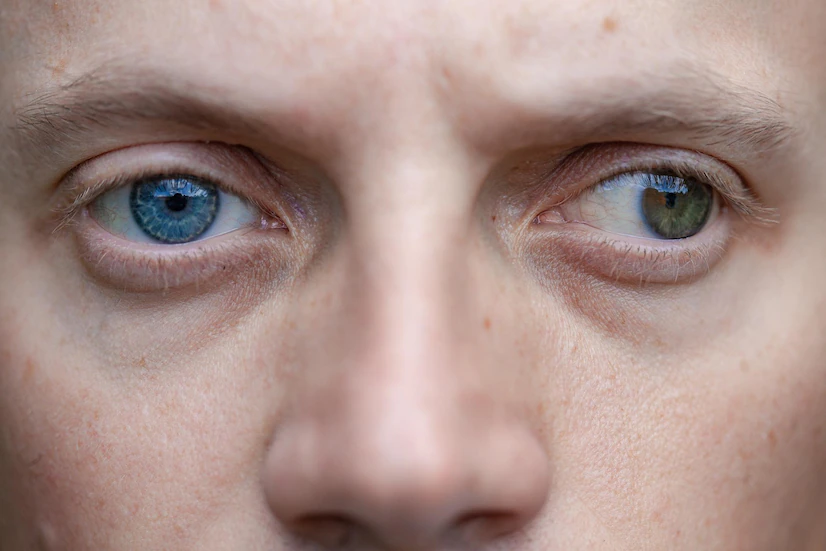
Vision is one of the most complex functions of the human body, relying on a seamless partnership between the eyes and the brain. When this partnership is disrupted during the formative years of childhood, a condition known as lazy eye can develop. Despite the name, the eye itself isn’t actually “lazy” in a physical sense; rather, the brain has learned to suppress the information coming from that specific eye. This condition, known medically as amblyopia, affects approximately 3 out of every 100 children, making it a leading cause of preventable vision loss worldwide.
As an organization rooted in medical insurance and international patient coordination, we understand that finding the right lazy eye treatment is about more than just clear vision—it’s about ensuring a child’s long-term developmental success. Turkey has become a global center for pediatric ophthalmology, offering families access to world-class specialists and cutting-edge technology. This guide provides a deep dive into the nature of lazy eyes, the science behind the condition, and the modern medical pathways available to restore binocular vision.
Table of Contents
What is a Lazy Eye? Understanding Amblyopia
To truly understand what is a lazy eye, we have to look past the eyeball and into the visual cortex of the brain. During the first few years of life, the brain is incredibly adaptable, a quality known as neuroplasticity. It learns how to interpret the electrical signals sent by the optic nerves. If both eyes send clear, identical images, the brain merges them into a single 3D picture. However, if one eye sends a blurry image or if the eyes are not aligned properly, the brain receives conflicting data.
Get Free Consultation
Have any questions? Leave your details and we'll get back to you shortly.
To prevent double vision or confusion, the brain simply stops paying attention to the weaker signal. Over time, the neural connections to that eye weaken, and the eye’s visual acuity drops. This is why a lazy eye cannot usually be corrected by glasses alone; the problem isn’t just the “lens” of the eye, but the “processor” in the brain. If you’ve ever wondered, “can you fix a lazy eye,” the answer depends largely on how early the condition is caught and how consistently the treatment is followed.
Common Symptoms of Lazy Eye

One of the most challenging aspects of lazy eyes is that they can be difficult to spot. Children often don’t realize they have a problem because the stronger eye compensates so effectively. They simply assume that the way they see the world is normal.
However, parents and teachers may notice certain behavioral cues:
- Squinting or Shutting One Eye: Often done to help focus or to shut out a blurry image.
- Tilting the Head: A child might tilt their head to favor the stronger eye or to compensate for Strabismus.
- Poor Depth Perception: Clumsiness, difficulty catching a ball, or trouble navigating stairs.
- Eye Wandering: An eye that appears to drift inward or outward, especially when the child is tired or daydreaming.
- Rubbing One Eye Constantly: Irritation or fatigue in the eye that is struggling to focus.
Can Adults Be Treated for Lazy Eye?
A common misconception in the medical world used to be that the “window of opportunity” for treatment closed at age seven or eight. Many people are still asking, “how to fix lazy eye in adults,” fearing they have missed their chance. While treatment is certainly faster and easier in children, the brain’s neuroplasticity doesn’t disappear entirely after childhood.
Research has shown that the adult brain can still be “re-trained” to accept signals from the weaker eye. How to fixa lazy eye in adulthood typically involves more intensive vision therapy and digital exercises rather than just a simple patch. While an adult may not achieve the 20/20 vision a child might, significant improvements in depth perception and visual clarity are often possible. This is life-changing for adults who want to pursue careers that require strong binocular vision, such as piloting or surgery.
Non-Surgical Treatment Pathways
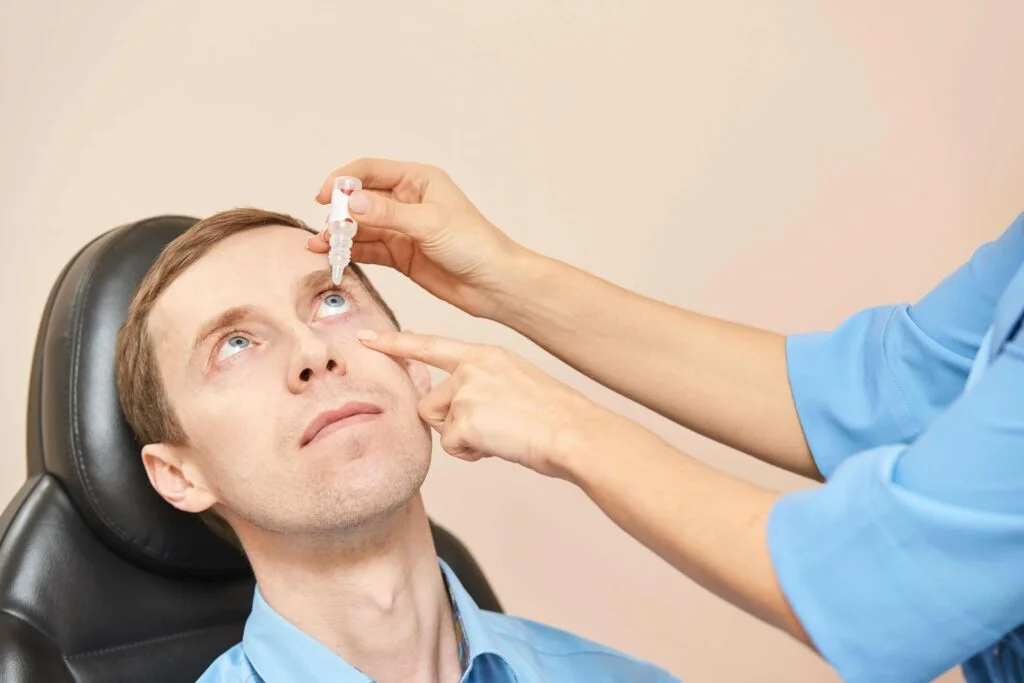
Before considering lazy eye surgery, most ophthalmologists will explore non-invasive cures for lazy eye. The goal of these treatments is twofold: first, to clear the vision in the lazy eye, and second, to force the brain to use it.
Patching Therapy and Atropine Drops
The most traditional lazy eye treatment is patching for lazy eye. An adhesive patch is placed over the stronger eye for several hours a day. This forces the brain to rely on the weaker eye, strengthening the neural pathways. For children who refuse to wear a patch, Atropine eye drops are an alternative. These drops temporarily blur the vision in the strong eye, achieving the same “forcing” effect as the patch but with less social discomfort for the child.
Modern Vision Therapy and VR-Based Exercises
In 2026, vision therapy has evolved far beyond simple eye exercises. We now use “Dichoptic” therapy, which involves showing both eyes different images simultaneously. Virtual Reality (VR) headsets are particularly effective here. For example, a child might play a game where the “lazy” eye sees the goals and the “strong” eye sees the obstacles. This teaches the brain to use both eyes as a team (binocular vision) rather than just switching from one to the other.
When is Surgery Necessary?
Many families ask, “can you fix a lazy eye with an operation?” It is important to clarify that lazy eye surgery is usually not an operation on the eye’s “vision” itself, but on the muscles surrounding the eye.
Surgery is typically recommended when strabismus (eye misalignment) is the primary cause of the lazy eye. If one eye is physically turned inward or outward, patching alone may not be enough because the eyes aren’t looking at the same thing. The surgeon will tighten or loosen the eye muscles to straighten the eyes. Once the eyes are aligned, the real work of amblyopia treatment begins, as the brain must now learn how to use the newly aligned eyes together.
For international patients, undergoing upper eyelid surgery Turkey or muscle correction in Istanbul offers the advantage of specialized clinics that focus on “minimally invasive” techniques. These methods involve smaller incisions and use adjustable sutures to fine-tune the alignment after the patient wakes up, leading to much higher success rates.
What to Expect After Treatment
The journey to fixing a lazy eye is a marathon, not a sprint. Whether your child is using a patch or has undergone a muscle correction, consistency is the most important factor in the lazy eye treatment timeline.
- Follow-up Appointments: Regular check-ups are required to monitor progress and adjust the “dose” of patching or therapy.
- Fluctuating Vision: It is normal for vision to seem better some days and worse others as the brain adjusts to new neural connections.
- Long-term Maintenance: Even after vision has improved, some “maintenance” therapy may be needed to ensure the brain doesn’t revert to its old habits.
We ensure our patients have a clear post-operative plan and access to digital follow-up consultations once they return home, ensuring the results of their lazy eye surgery are permanent.
FAQ
Can a lazy eye be fixed in adults?
Yes. While it takes more time and effort than in children, modern vision therapy and digital binocular training can improve vision and depth perception in adults. It is no longer considered impossible to how to fix lazy eye in adults.
Is lazy eye surgery permanent?
The physical alignment achieved by muscle surgery is generally permanent. However, because amblyopia is a brain-based condition, if the patient does not follow up with vision exercises, the brain may eventually start ignoring the eye again, leading to a recurrence.
Is a lazy eye the same as a crossed eye?
No. A “crossed eye” (strabismus) is a physical misalignment. A lazy eye (amblyopia) is a decrease in vision. While shashılık often causes a lazy eye, you can have a lazy eye without any visible misalignment.
Can digital games or VR help with a lazy eye?
Absolutely. New “dichoptic” games are designed to stimulate the brain to use both eyes together. They are often more engaging for children than traditional patching, leading to better compliance and faster results.

 |
|