Skip to content
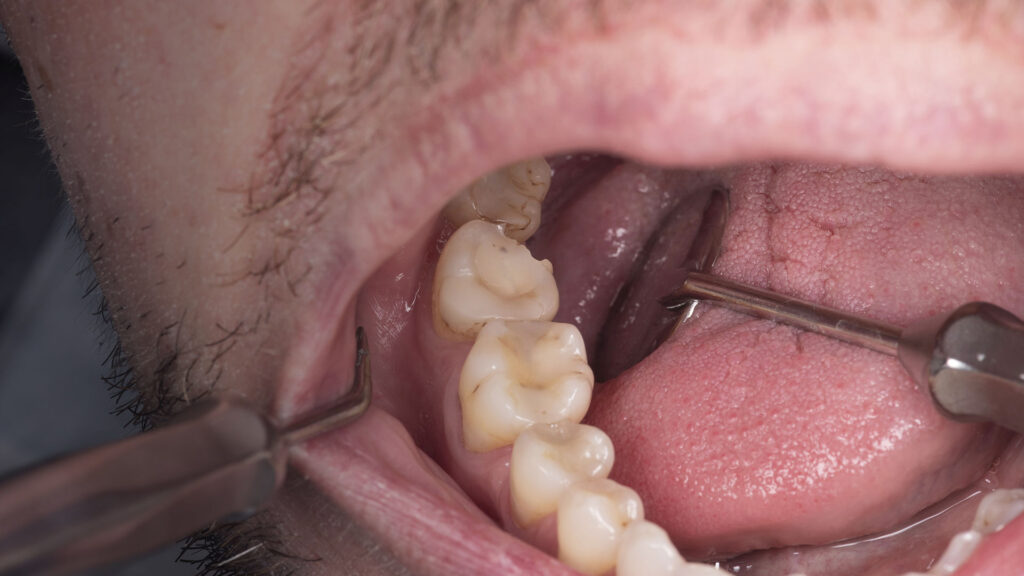
Tooth preparation is a fundamental step in restorative dentistry, setting the stage for crowns, veneers, and other dental restorations. After tooth preparation, the treated tooth undergoes structural changes and may experience sensitivity, making proper care crucial. Understanding the precautions that follow this procedure can help ensure optimal results, longevity of restorations, and patient comfort.
Table of Contents
Understanding Tooth Preparation and Its Impact
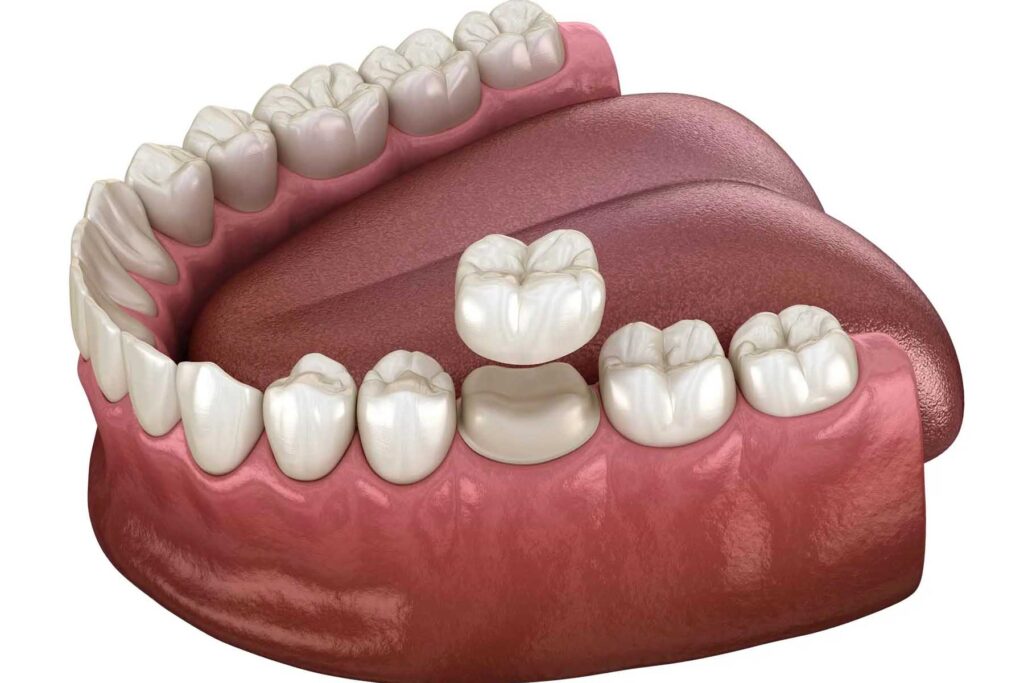
Tooth preparation involves shaping the natural tooth to accommodate a dental restoration. This process may include enamel reduction, contouring, and smoothing to achieve the desired fit for crowns or veneers. The extent of preparation can vary depending on the restoration type, tooth condition, and patient-specific factors.
One crucial aspect to understand is that tooth preparation inevitably exposes dentin layers and alters the protective enamel surface. This exposure can increase sensitivity to temperature and pressure. While dental professionals aim to minimize damage, awareness of post-procedure changes helps patients manage discomfort and protect the prepared tooth effectively.
Get Free Consultation
Have any questions? Leave your details and we'll get back to you shortly.
Managing Sensitivity After Tooth Preparation
A common outcome following tooth preparation is heightened sensitivity. Research shows that dentin exposure during preparation can trigger short-term pain responses when consuming hot, cold, or acidic foods.
Precautions for managing sensitivity include:
- Using desensitizing toothpaste recommended by a dentist.
- Avoiding extremely hot or cold beverages for the first few days.
- Opting for soft foods that minimize pressure on the prepared tooth.
Interestingly, studies have indicated that most post-preparation sensitivity resolves within a few weeks, particularly when patients adhere to protective measures.
Protecting the Prepared Tooth From Damage
After tooth preparation, the tooth is structurally compromised until the final restoration is placed. Temporary crowns or protective coverings are often used to safeguard the tooth from fractures or wear.
Key precautions include:
- Avoiding chewing hard or sticky foods that could dislodge temporary restorations.
- Refraining from using the treated tooth to open packages or bite objects.
- Maintaining meticulous oral hygiene while being gentle around the temporary restoration.
A practical tip from dental research suggests using a soft-bristled toothbrush and non-abrasive toothpaste to avoid mechanical irritation during this vulnerable period.
Maintaining Oral Hygiene Post-Preparation
Oral hygiene is critical after tooth preparation, not only to prevent decay but also to reduce inflammation in surrounding gum tissues. Patients should focus on careful cleaning techniques to avoid disturbing temporary restorations.
Hygiene strategies include:
- Flossing cautiously around the prepared tooth, possibly using a floss threader.
- Rinsing with a mild antiseptic mouthwash to reduce bacterial load.
- Avoiding aggressive brushing directly on the prepared surface.
Research in restorative dentistry emphasizes that improper cleaning can compromise both the prepared tooth and the final restoration, highlighting the importance of precise hygiene routines.
Diet Considerations After Tooth Preparation
Diet plays an influential role in the recovery and protection of a prepared tooth. Foods that are too hard, sticky, or acidic can exacerbate sensitivity or damage temporary restorations.
Recommended diet adjustments include:
- Soft foods such as yogurt, mashed potatoes, or well-cooked vegetables.
- Avoiding candies, nuts, and hard-crusted bread that require heavy biting forces.
- Limiting acidic drinks like soda or citrus juice that may irritate exposed dentin.
Several studies indicate that patients who follow dietary precautions experience fewer complications and better comfort levels during the interim period before permanent restorations.
Follow-Up Visits and Monitoring
Regular follow-ups are essential after tooth preparation to ensure proper healing and evaluate the fit of temporary restorations. These visits allow the dentist to identify any early signs of sensitivity, fracture, or infection before final placement.
Follow-up protocol typically includes:
- Checking for marginal gaps in temporary crowns.
- Assessing gum tissue response and inflammation.
- Reviewing patient-reported symptoms of discomfort or sensitivity.
Dental research consistently highlights that adherence to follow-up schedules significantly improves long-term restoration success.
Long-Term Care for Prepared Teeth
Even after permanent restorations are placed, long-term care remains important. The underlying principles established post-preparation sensitivity management, gentle hygiene, and dietary considerations continue to support oral health and restoration durability.
Long-term precautions include:
- Using night guards if bruxism is a concern.
- Scheduling periodic professional cleanings to monitor restoration margins.
- Avoiding behaviors that could stress the restored tooth, like nail-biting or ice chewing.
By integrating these measures, patients can maintain both the aesthetic and functional success of their restorations for years to come.
Proper care after tooth preparation extends beyond the immediate post-procedure period. From sensitivity management and protective measures to oral hygiene, diet, and follow-up visits, each precaution contributes to the longevity of restorations and overall dental health. Understanding these steps empowers patients to participate actively in their dental care while safeguarding their investment in restorative treatments.

 |
|