Skip to content
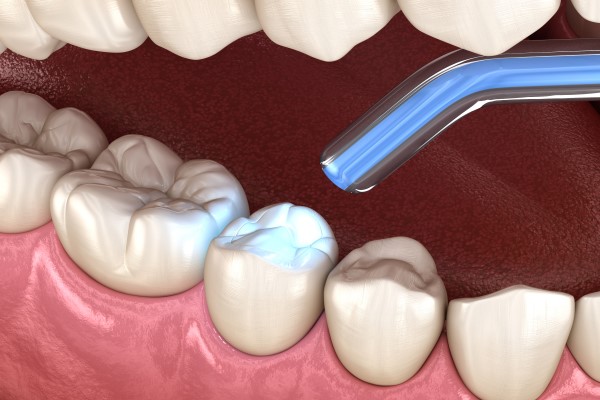
Dental Filling materials are so common in modern dentistry that most people barely think about them. Yet every now and then, a surprisingly human question pops up: can your body actually react to something meant to help your teeth? This curiosity is not random. It often starts with mild discomfort, strange sensations, or stories shared online.
In this guide, you will explore how Dental Filling options interact with the body, why some people report reactions, and what science currently suggests. The goal is not certainty, but understanding.
Table of Contents
What Is a Dental Filling and Why Materials Matter
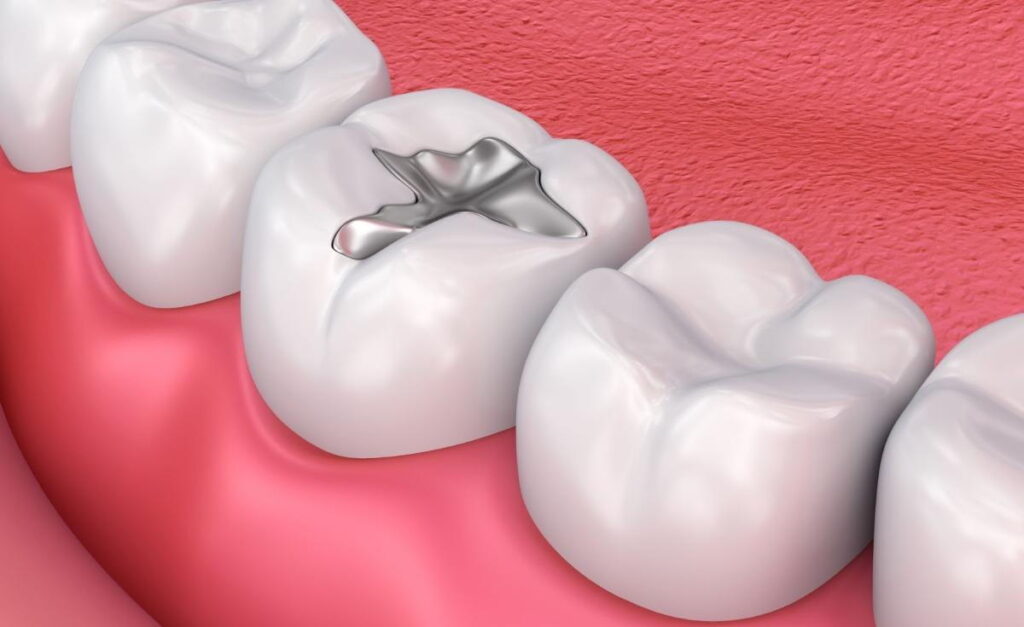
A Dental Filling is a restorative material placed into a tooth after decay or damage is removed. On paper, it sounds simple. In reality, each Dental Filling involves a carefully selected mix of materials designed to survive heat, pressure, saliva, and time.
Get Free Consultation
Have any questions? Leave your details and we'll get back to you shortly.
From a biological perspective, the mouth is a unique environment. A Dental Filling stays in close contact with soft tissue, saliva, and temperature changes every day. This is why materials matter. Metals, resins, ceramics, and glass-based compounds each behave differently once placed.
Some researchers point out that the immune system is excellent at noticing foreign substances. A Dental Filling, even when considered safe, is still technically foreign. That does not mean danger, but it explains why questions about sensitivity exist.
Can a Dental Filling Cause Allergic Reactions?
The idea of being allergic to a Dental Filling may sound dramatic, yet it is not entirely fictional. In rare cases, people report reactions that resemble allergies. These reactions are often localized and mild, rather than systemic.
Scientific literature suggests that true allergies to Dental Filling materials are uncommon. When they do appear, they are usually linked to specific components like metals or bonding agents. Even then, it is difficult to separate coincidence from causation.
Interestingly, many reported reactions improve over time. This has led researchers to explore whether initial irritation rather than a genuine immune response explains most cases. The distinction matters, because irritation and allergy are not the same biological process.
Dental Filling Materials and Potential Sensitivities
Not all Dental Filling materials are created equal. Each type interacts with the body in its own way, which influences how people perceive comfort.
Amalgam fillings, for example, contain a mix of metals. Composite resins rely on polymers and fillers. Ceramic-based Dental Filling options are often praised for their stability and appearance. Each category has supporters and critics in scientific discussions.
Some studies suggest that metallic Dental Filling materials can trigger contact sensitivities in predisposed individuals. Others find no strong evidence of widespread allergic reactions. The debate continues, fueled by individual experiences and evolving material science.
Symptoms People Associate With Dental Filling Reactions
When people talk about Dental Filling allergies, they often describe sensations rather than diagnoses. These can include localized redness, a burning feeling, or an unusual taste.
It is important to note that many of these symptoms overlap with normal healing responses. After a Dental Filling procedure, tissues may temporarily react to drilling, pressure, or temperature changes. That does not automatically indicate an allergy.
From a research standpoint, this overlap makes data interpretation challenging. Scientists emphasize careful observation over assumptions. The body is complex, and the mouth even more so.
What Research Says About Dental Filling Safety
Modern Dental Filling materials undergo extensive testing before reaching clinics. Regulatory agencies review chemical stability, toxicity, and long-term performance.
Large-scale studies generally conclude that Dental Filling materials are safe for the vast majority of people. When reactions occur, they tend to be rare and highly individual. This aligns with broader trends in biomaterials research.
What makes this topic fascinating is how science evolves. New composites and ceramics are constantly developed to improve compatibility. Each generation of Dental Filling materials aims to be more stable, durable, and biologically neutral.
How Dentists Think About Dental Filling Choices
From a professional perspective, a Dental Filling is not chosen randomly. Dentists consider tooth location, bite force, aesthetics, and patient history.
Some practitioners also pay attention to anecdotal reports of sensitivity. While not definitive, these stories influence material innovation. Dentistry, after all, sits at the intersection of science and lived experience.
At WellDemir, the philosophy centers on informed choice and transparency. Understanding Dental Filling options helps patients feel involved, even when answers are not black and white.
Psychological Factors and Dental Filling Experiences
An often overlooked angle is the mind-body connection. Expectations can shape how a Dental Filling feels after placement.
Studies in psychosomatic medicine suggest that anxiety can amplify physical sensations. If someone strongly believes a Dental Filling may cause harm, they may notice sensations others ignore.
This does not invalidate experiences. Instead, it highlights how perception and biology interact. The mouth is richly innervated, making it especially sensitive to attention and stress.
Dental Filling Myths vs Scientific Reality
Online discussions about Dental Filling allergies sometimes drift into myths. Claims of widespread toxicity or guaranteed reactions are not supported by current evidence.
Science tends to be quieter than rumors. Most peer-reviewed research paints a nuanced picture, emphasizing rarity and individual variation. A Dental Filling is neither completely inert nor inherently dangerous.
Understanding this balance helps readers approach the topic with curiosity rather than fear. Questions are healthy. Absolutes are usually misleading.
The Future of Dental Filling Materials
Material science continues to evolve. Researchers explore bioactive Dental Filling compounds that interact positively with tooth structure.
The long-term vision is a Dental Filling that feels less like a foreign object and more like a natural extension of the tooth. While this is still a work in progress, innovation is steady.
For curious readers, this means the conversation about allergies and compatibility is not static. It changes as technology advances.
How the Immune System Interacts With Dental Filling Materials
The immune system is designed to recognize and respond to anything it perceives as foreign. A Dental Filling, once placed, becomes part of the oral environment but it is still not a natural tissue. This subtle distinction is where curiosity begins. Researchers suggest that immune cells in the oral mucosa are highly adaptive, often learning to tolerate materials used in a Dental Filling over time.
Interestingly, most immune responses linked to Dental Filling materials are not aggressive. Instead, they resemble low-level monitoring. This may explain why many people notice sensations initially that gradually fade. From a biological standpoint, this adaptation reflects how the body prioritizes balance rather than constant defense.
Dental Filling and Oral Microbiome Balance
The mouth hosts a complex ecosystem of bacteria known as the oral microbiome. A Dental Filling does not exist in isolation, it shares space with saliva, enamel, and microbial communities. Some studies explore whether a Dental Filling can slightly shift this balance, especially in the weeks following placement.
Current evidence suggests that well-finished Dental Filling surfaces tend to integrate smoothly with the surrounding environment. Rough or aging surfaces, on the other hand, may influence how bacteria attach. This connection fuels ongoing research into smoother, more biocompatible Dental Filling materials that harmonize with the microbiome rather than disrupt it.
Why Dental Filling Reactions Are Often Misinterpreted
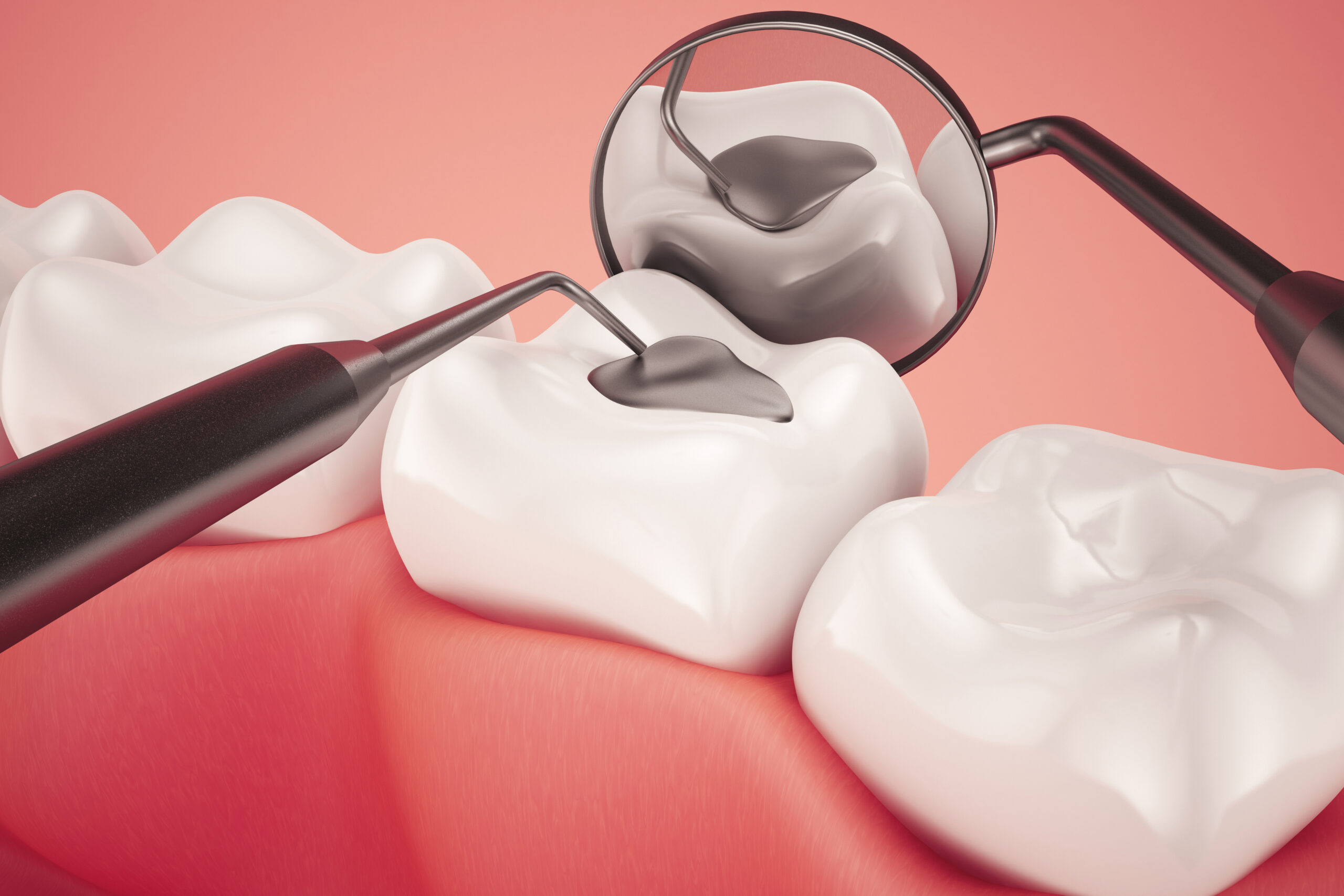
Many sensations attributed to a Dental Filling are not reactions to the material itself. Pressure sensitivity, temperature changes, or bite adjustment can all create discomfort that feels unusual. The brain, searching for explanations, may associate these sensations directly with the Dental Filling.
From a cognitive science perspective, this misinterpretation is understandable. The mouth is highly sensitive, and any change is immediately noticeable. This is why scientific discussions around Dental Filling reactions emphasize observation over assumptions. Not every sensation signals a biological incompatibility.
The Role of Saliva in Dental Filling Compatibility
Saliva plays a quiet but powerful role in how a Dental Filling behaves. It acts as a buffer, lubricant, and chemical mediator. The composition of saliva varies from person to person, which may partly explain why Dental Filling experiences differ so widely.
Research indicates that saliva can influence corrosion resistance and surface stability of certain Dental Filling materials. This does not imply risk, but it highlights how individual biology shapes outcomes. In this sense, a Dental Filling is part of a dynamic system rather than a static object.
Dental Filling Materials Through the Lens of Biomaterials Science
Biomaterials science looks at how synthetic materials interact with living tissue. A Dental Filling is a classic example of this interaction. Scientists evaluate properties such as thermal expansion, chemical stability, and cellular response.
What makes this field exciting is progress. Modern Dental Filling materials are engineered to reduce stress at the tooth interface and minimize immune attention. Each innovation brings dentistry closer to materials that feel less noticeable and more naturally integrated.

 |
|