Skip to content
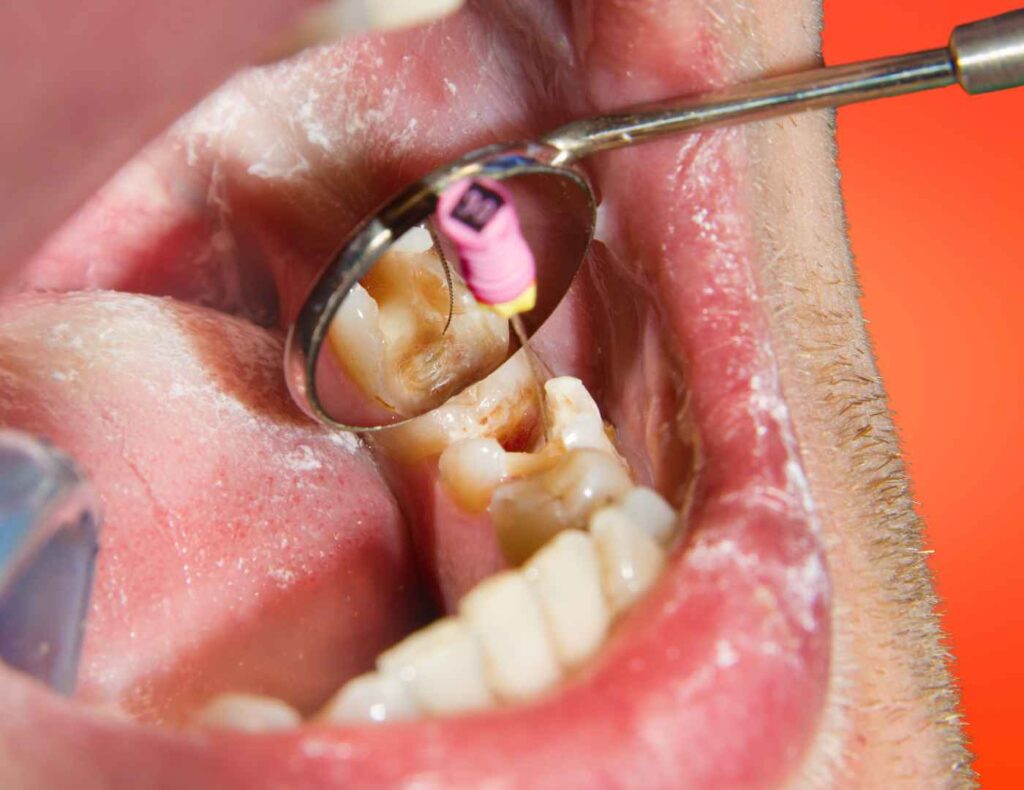
One of the most commonly performed procedures in modern dentistry is Root Canal Treatment, designed to preserve infected or severely damaged teeth without extraction. When successful, it allows the natural tooth to function for many years. However, like any medical procedure, Root Canal Treatment may occasionally fail. In such cases, patients may experience recurring pain, sensitivity, or signs of infection.
Table of Contents
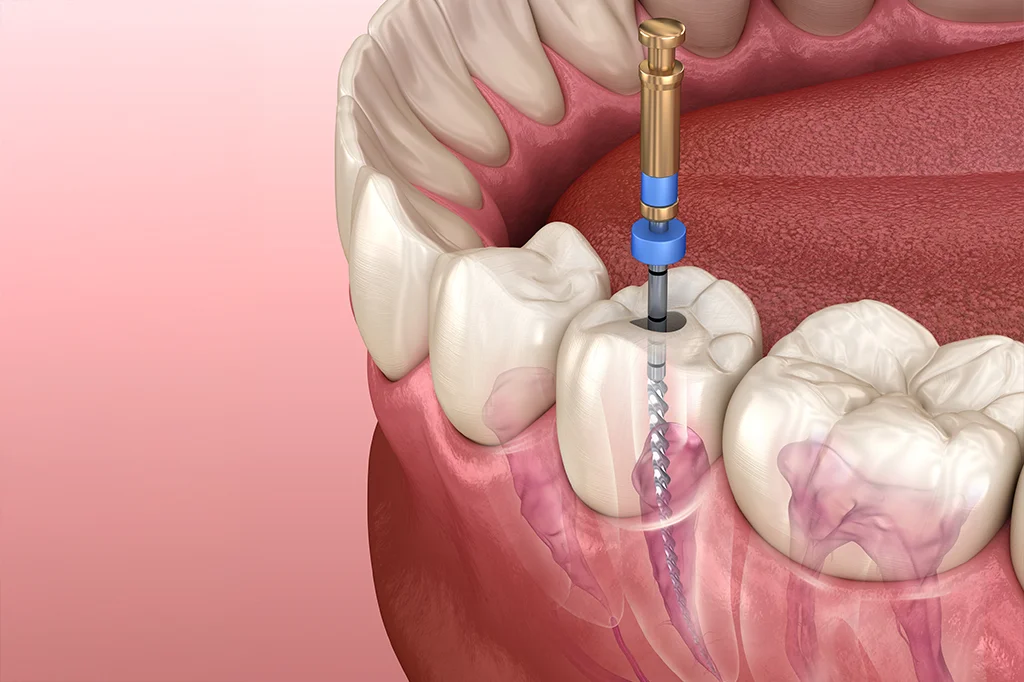
What Is Root Canal Treatment and When Is It Performed?
Root Canal Treatment is an endodontic procedure used when the pulp tissue inside the tooth becomes inflamed, infected, or irreversibly damaged. The goal is to remove the infected tissue, disinfect the canals, and seal them with biocompatible filling materials to prevent bacterial reentry.
Deep decay, dental trauma, fractures, or extensive restorations may compromise the dental nerve. In these situations, Root Canal Treatment serves as a conservative alternative to extraction by preserving the natural structure of the tooth. Although clinical success rates are generally high, anatomical complexity, bacterial persistence, and technical limitations mean outcomes are not always predictable.
Get Free Consultation
Have any questions? Leave your details and we'll get back to you shortly.
What Is the Normal Healing Process After Root Canal Treatment?
After Root Canal Treatment, mild tenderness is considered normal. Patients may notice slight discomfort when chewing or applying pressure for a few days. This is usually related to the healing of surrounding tissues rather than the tooth itself.
Scientific observations suggest that an adaptation period of several days or weeks is expected. However, if pain intensifies instead of subsiding, or persists for an extended period, the healing course of the Root Canal Treatment may not be progressing as anticipated. Monitoring both the duration and severity of symptoms is important.
Signs and Symptoms of Failed Root Canal Treatment
A failed Root Canal Treatment rarely goes unnoticed. The body often sends warning signals that infection or inflammation is still present. Recognizing these signs early may influence future treatment decisions.
Common findings include:
- Persistent throbbing pain
- Sensitivity when biting or chewing
- Swelling of the gums or face
- Pimple like fistula on the gum
- Radiographic bone loss around the root tip
- Recurrent infections
When these symptoms appear, the previous Root Canal Treatment may not have fully resolved the infection. Clinical examination combined with imaging techniques often provides valuable diagnostic clues.
Why Can Root Canal Treatment Fail?
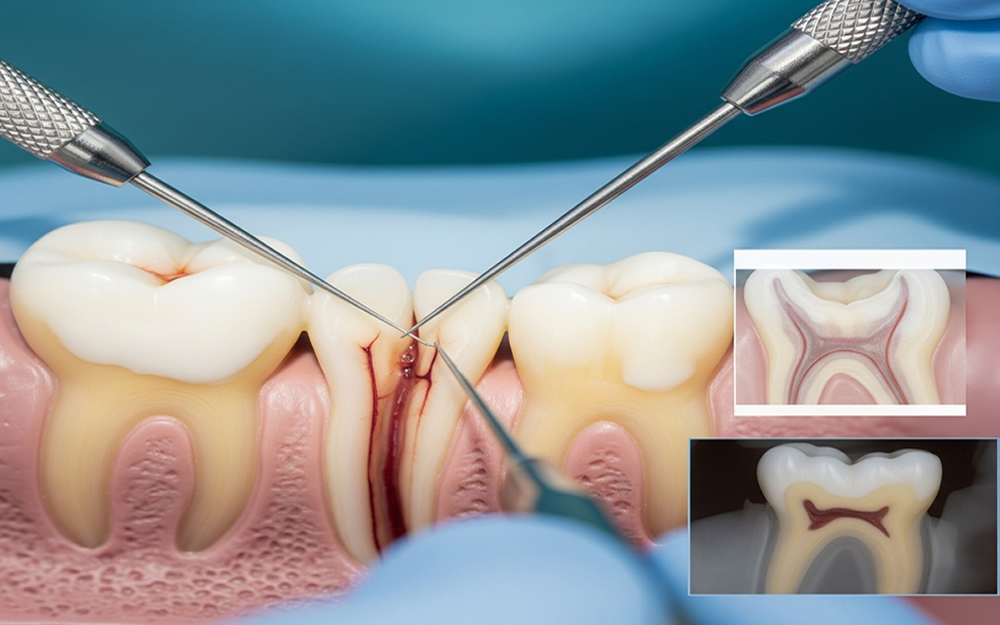
Although Root Canal Treatment follows standardized principles, each tooth has unique anatomical variations. Microscopic accessory canals, curved roots, and hidden spaces may allow bacteria to survive despite thorough cleaning.
Several contributing factors may lead to failure:
| Possible Cause | Explanation |
| Incomplete cleaning | Residual bacteria remain |
| Poor sealing | Microleakage occurs |
| Broken instrument | Canal cannot be fully treated |
| New decay | Reinfection develops |
| Root fracture | Bacterial penetration continues |
Under these conditions, infection may persist even after Root Canal Treatment. Patient related factors such as oral hygiene and immune response may also influence long term outcomes.
Consequences and Risks of Failed Root Canal Treatment
A failed Root Canal Treatment does not only cause discomfort. If left unmanaged, infection may spread beyond the root tip into surrounding bone tissue. Over time, this may result in bone loss and compromise tooth stability.
In some cases, cyst formation or chronic abscesses may develop. These conditions often progress slowly and may not produce noticeable symptoms initially. For this reason, teeth that have undergone Root Canal Treatment benefit from periodic professional evaluation. Early detection may allow more conservative solutions.
What Options May Be Considered After Failed Root Canal Treatment?
Modern endodontics offers several approaches when Root Canal Treatment does not succeed. There is no universal solution, as each case depends on the condition of the tooth, surrounding bone, and infection level.
Commonly considered options include:
- Retreatment of the Root Canal Treatment
- Apical microsurgery
- Extraction followed by implant planning
- Monitoring and observation
Each approach carries specific advantages and limitations. The primary objective is to control infection while preserving as much natural tooth structure as possible.
Scientific Approaches That Improve Root Canal Treatment Success
Advancements in dental technology have significantly improved the predictability of Root Canal Treatment. Digital imaging, dental microscopes, and nickel titanium rotary instruments allow clinicians to clean canals more precisely and thoroughly.
Research indicates that enhanced irrigation protocols effectively reduce bacterial load. Modern sealing materials also provide better long term protection against leakage. These developments help make Root Canal Treatment safer and more reliable compared to earlier techniques.
When carefully planned and performed, Root Canal Treatment can preserve a natural tooth for many years. Nevertheless, occasional complications may occur, and Root Canal Treatment failure can manifest through pain, swelling, or recurring infection. Paying attention to these warning signs and seeking timely professional evaluation is important.

 |
|