Skip to content
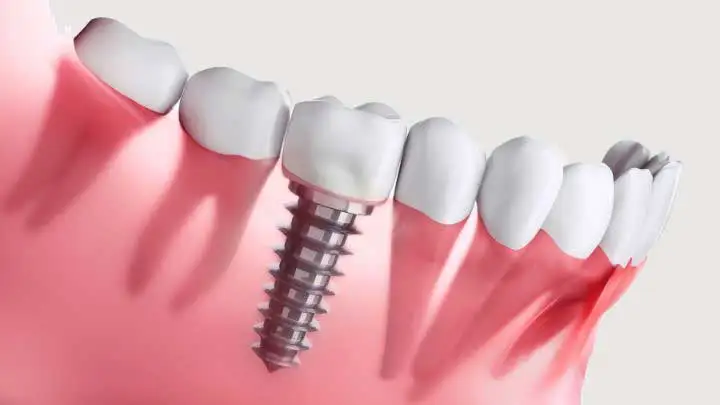
Dental Implants have become one of the most discussed topics in modern oral rehabilitation, not because they promise perfection, but because they invite curiosity. In recent years, Dental Implants have shifted from being a niche option to a widely researched solution for people who wonder how missing teeth interact with bone structure, chewing dynamics, and even facial balance. This article explores the types of Dental Implants, the conditions in which they are commonly considered, and the scientific ideas that shape their development, all through an informative yet engaging lens.
Table of Contents
Understanding Dental Implants as a Concept
Dental Implants are often described as artificial tooth roots, but that phrase barely scratches the surface. From a scientific point of view, Dental Implants represent an intersection of material science, biomechanics, and human biology. Titanium and ceramic surfaces interact with bone in fascinating ways, creating what researchers often analyze as a dynamic biological interface rather than a static object.
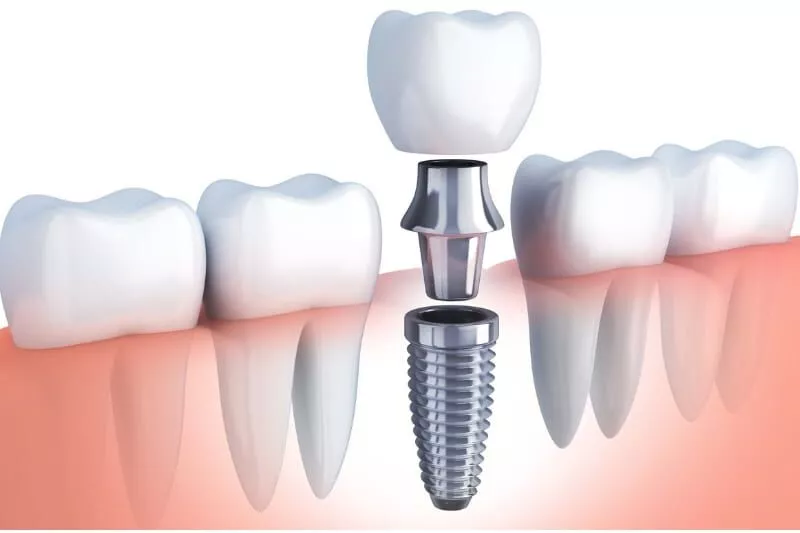
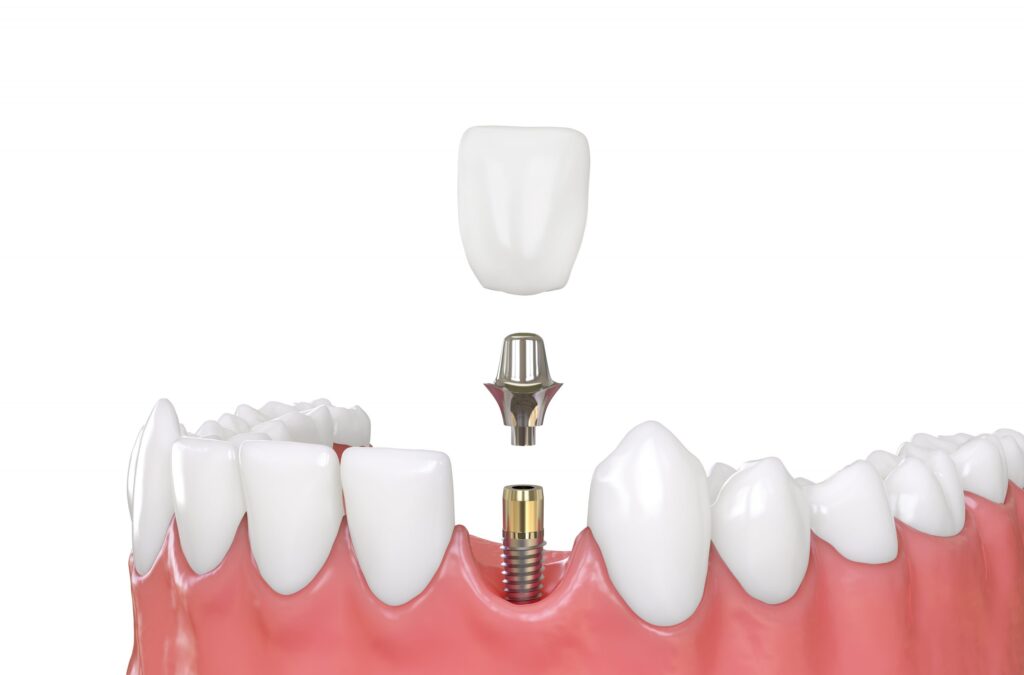
When people talk about dental implant (endosseous implant) systems, they are usually referring to a multi part structure. This includes the implant body, the connector, and the visible restoration. Each component has evolved over decades of experimentation, clinical observation, and comparative studies across populations. This layered structure is one reason Dental Implants are discussed not only in dentistry but also in biomedical engineering circles.
Get Free Consultation
Have any questions? Leave your details and we'll get back to you shortly.
Another interesting aspect is language itself. Terms like implant supported teeth, artificial tooth roots, or oral implant systems are often used interchangeably with Dental Implants. These synonyms matter in SEO, but they also reflect how the concept has expanded beyond a single definition into a broader treatment philosophy.
Dental Implants and Bone Interaction
One of the most studied topics related to Dental Implants is how they interact with jawbone tissue. The process often referenced in academic literature involves bone cells responding to the implant surface. Rather than simple attachment, this interaction is described as a form of structural adaptation.
Different bone densities can influence how Dental Implants are planned and evaluated. Dense bone and softer bone react differently under mechanical load, which explains why implant design varies. Thread patterns, surface textures, and implant length are not aesthetic choices but responses to these biological realities.
Researchers often compare Dental Implants to natural tooth roots in terms of force distribution. While they are not identical, the comparison helps explain why implant supported restorations are discussed in studies about chewing efficiency and long term stability. This makes Dental Implants a topic that goes far beyond cosmetics and into functional anatomy.
Types of Dental Implants by Design
When categorizing Dental Implants, design is usually the first criterion. The most common distinction is based on shape and placement depth. These categories help professionals describe systems clearly, but they also help patients understand why one approach may be discussed over another.
The most widely referenced type is the root form implant. This design resembles a screw or cylinder and is often discussed in relation to bone volume. Another category includes plate form implants, which historically addressed narrow bone situations and still appear in comparative research.
Mini implants are another design based category. Although smaller in diameter, they open discussions about load management and temporary stabilization. Each design reflects a different engineering response to anatomical challenges, showing that Dental Implants are not a one size concept but a family of solutions shaped by data and observation.
Dental Implants and Placement Approaches
Placement approach is another way Dental Implants are classified. Some are discussed as being placed within bone, while others are described as resting on bone surfaces. These distinctions influence how studies evaluate outcomes and how treatment planning conversations unfold.
Endosteal placement is the most frequently mentioned approach in literature related to Dental Implants. It focuses on anchoring the implant within the jawbone itself. Subperiosteal placement, on the other hand, historically addressed cases where bone height was limited, leading to different biomechanical considerations.
These approaches are not ranked as better or worse in a universal sense. Instead, they illustrate how Dental Implants adapt to varying anatomical conditions. This adaptability is one reason implant dentistry remains an active research field rather than a finished chapter.
Dental Implants and Material Choices
Material science plays a major role in the evolution of Dental Implants. Titanium has long been the most studied material due to its compatibility with bone. Its surface properties allow for detailed research into cellular behavior and mechanical integration.
Ceramic based Dental Implants have gained attention in recent years, particularly in discussions about aesthetics and material sensitivity. Zirconia, for example, is often analyzed for its color and surface characteristics. Studies comparing titanium and ceramic implants often focus on long term performance rather than short term appearance.
Material choice also affects how Dental Implants are perceived by patients. Words like metal free implants or biocompatible tooth roots appear frequently in informational searches, showing how scientific material discussions intersect with human curiosity and perception.
Dental Implants and Suitable Treatment Conditions
The idea of suitability is central to conversations about Dental Implants. Rather than fixed rules, suitability is often presented as a spectrum influenced by bone quality, oral environment, and overall structural considerations. This is why academic articles rarely use absolute language when discussing implant candidacy.
Conditions such as bone volume, spacing between teeth, and bite dynamics are frequently mentioned in research contexts. These factors influence how Dental Implants are planned, not as restrictions but as variables in a complex equation. This approach reflects a broader trend in healthcare toward individualized analysis.
It is also worth noting that suitability discussions often evolve over time. As techniques and materials change, so does the range of conditions in which Dental Implants are explored. This ongoing evolution reinforces the idea that implant dentistry is a living discipline shaped by continuous inquiry.
Dental Implants in Long Term Research Perspectives
Long term studies provide some of the most interesting insights into Dental Implants. Researchers track how implant systems behave over years, sometimes decades, observing patterns related to load distribution and material endurance. These studies often compare different implant designs under similar conditions.
What stands out in this research is not a promise of permanence but an emphasis on adaptability. Dental Implants are evaluated as part of a system that includes bone, surrounding tissues, and mechanical forces. This holistic perspective helps explain why implant related discussions often include diagrams, tables, and comparative charts.
From an analytical standpoint, Dental Implants serve as a case study in how engineered objects interact with living systems. This makes them relevant not only to dentistry but also to broader discussions in biomedical innovation.
Dental Implants and Their Impact on Oral Balance
Dental Implants are often discussed in isolation, yet their real significance appears when viewed within the broader context of oral balance. Teeth do not function alone. They interact continuously with jaw joints, muscles, and opposing teeth. For this reason, Dental Implants are frequently analyzed in research as structural participants in a larger biomechanical system rather than standalone replacements.
From a functional perspective, implant supported restorations influence how forces are distributed across the mouth. This can affect chewing rhythm, pressure points, and even how adjacent teeth respond over time. Studies exploring Dental Implants often examine these interactions to better understand how artificial tooth roots integrate into existing oral dynamics without disrupting natural balance.
Beyond mechanics, oral balance also includes spatial harmony. Gaps created by missing teeth can alter alignment patterns, which is why Dental Implants are discussed in relation to spacing and symmetry. When viewed through this lens, implant systems are less about filling a space and more about restoring proportional relationships within the dental arch.
Dental Implants and Digital Planning Technologies
Dental Implants are no longer discussed only in physical terms. Digital planning technologies have become a major topic in implant related research and analysis. Imaging systems, virtual simulations, and data driven models allow implant concepts to be evaluated before any physical step is imagined. This has changed how implant systems are described in scientific literature.
From an analytical standpoint, Dental Implants planned through digital workflows are examined for accuracy and predictability. Researchers often explore how digital modeling affects implant positioning concepts and spatial planning. These discussions focus on information processing rather than outcomes, highlighting how data reshapes implant philosophy.
Dental Implants and Aesthetic Perception
While function remains central, Dental Implants are increasingly evaluated through the lens of aesthetic perception. Color harmony, light reflection, and alignment patterns are frequently discussed in academic comparisons between natural teeth and implant supported restorations. This shows how visual balance has become part of scientific inquiry.
The aesthetic dimension of Dental Implants also intersects with psychology. Studies often analyze how individuals perceive symmetry and proportion when artificial tooth roots are part of the structure. These findings influence how implant systems are presented, discussed, and categorized in modern dental literature.
Dental Implants and Age Related Considerations
Age is another variable often associated with Dental Implants, not as a limitation but as a contextual factor. Bone density patterns, structural changes, and adaptive capacity are topics that appear frequently in longitudinal studies. These analyses aim to understand how implant systems interact with changing biological environments.
Rather than defining strict age ranges, Dental Implants are examined across age groups to identify trends and variations. This approach reflects a broader scientific movement away from rigid classifications toward adaptive models based on observation and data.
Dental Implants and Load Distribution Analysis
Load distribution is a recurring theme in discussions about Dental Implants. Researchers explore how forces generated during chewing are transferred through implant structures into surrounding bone. This has led to detailed models that examine stress points and pressure patterns.
By analyzing Dental Implants under simulated conditions, studies aim to understand how design features influence mechanical behavior. These insights contribute to the ongoing evolution of implant geometry and surface characteristics, reinforcing the idea that implants are engineered responses to complex forces.
Dental Implants and Long Term Observation Studies
Observation based studies form the backbone of much of the knowledge surrounding Dental Implants. These studies track implant systems over extended periods, focusing on structural behavior rather than short term impressions. Patterns observed over time help shape theoretical frameworks within implant research.
What makes Dental Implants particularly interesting in long term studies is their interaction with living tissue. This dynamic relationship is analyzed not as a fixed outcome but as a process, emphasizing continuity and adaptation rather than finality.
A Broader View of Dental Implants
Looking at Dental Implants through a scientific and analytical lens reveals a topic richer than simple replacement. They represent decades of research, evolving materials, and ongoing debates about design and application. Rather than offering certainty, Dental Implants invite informed curiosity.
By exploring types, materials, placement approaches, and suitability conditions, this article aims to answer the questions a thoughtful reader might ask. The world of Dental Implants continues to grow, shaped by data, experimentation, and human need. That ongoing story is what makes the subject both serious and surprisingly engaging.

 |
|