Skip to content
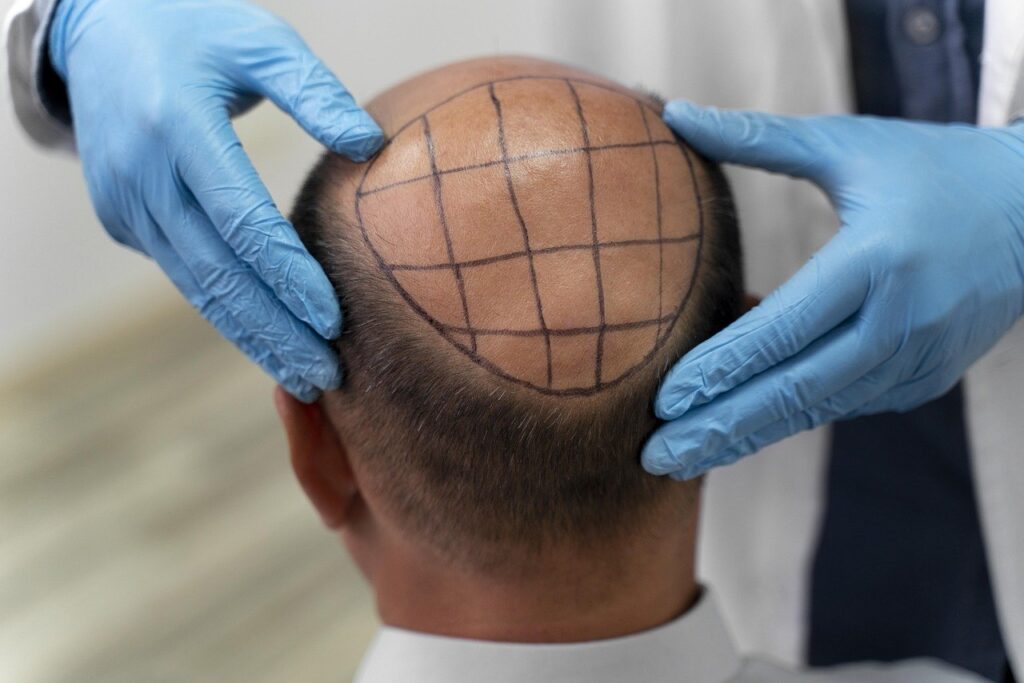
A Hair Transplant is often described as both an art and a science. Patients usually focus on one simple but critical question: how many grafts will I need? While the answer seems numeric, the reality is more biological and highly personal. Hair density, scalp (dermal layer of the cranial skin) characteristics, donor capacity, and long term goals all influence the final count.
Table of Contents
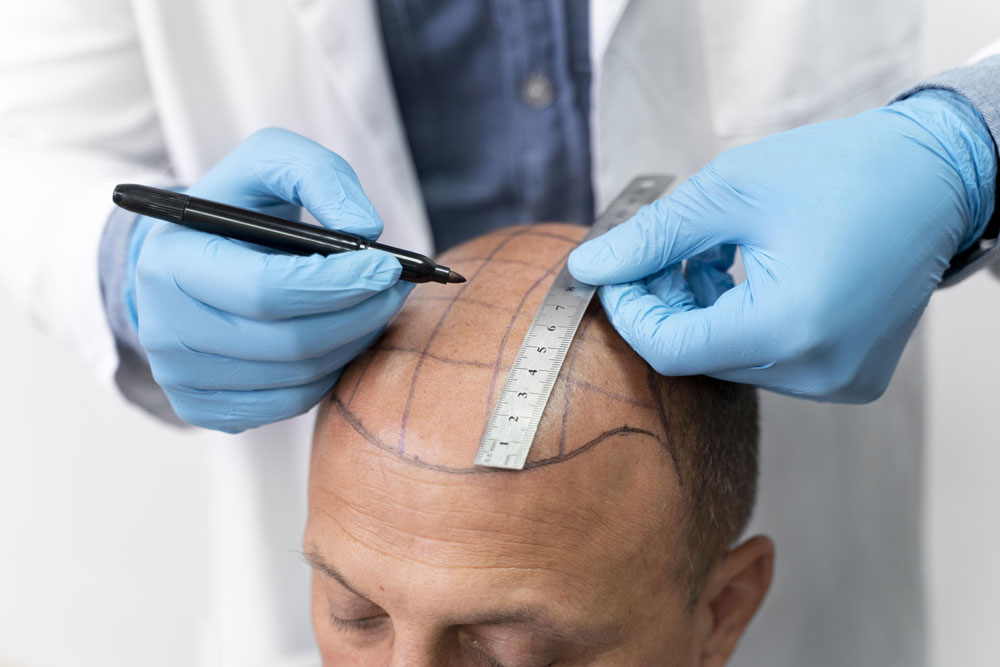
What Does a Hair Transplant Graft Actually Mean?
Many people assume one graft equals one hair. This is not accurate. A graft is a small unit of tissue containing one to four hair follicle (pilosebaceous unit)s, sometimes even five. These are called follicular units, and they naturally grow together.
On average:
Get Free Consultation
Have any questions? Leave your details and we'll get back to you shortly.
| Graft Type | Hair Count |
| Single unit | 1 hair |
| Double unit | 2 hairs |
| Triple unit | 3 hairs |
| Quadruple unit | 4 hairs |
This means 3000 grafts can represent 6000 to 9000 hairs depending on composition. That is why two patients receiving the same number of grafts may experience different visual density after a Hair Transplant.
Surgeons also strategically place single hairs in the hairline for a soft, natural transition and multi hair graft (follicular unit graft)s behind them for volume. This biological design mimics nature rather than artificial density.
Why Graft Numbers Matter in a Hair Transplant Plan
Graft count determines coverage, fullness, and the long term safety of the donor zone. Too few grafts may leave visible thinning. Too many may exhaust the donor area (occipital donor zone) and affect future procedures.
Density is often measured as grafts per square centimeter. Research and clinical practice suggest that:
- 20 to 25 grafts per cm² creates light coverage
- 30 to 35 grafts per cm² looks natural
- 40+ grafts per cm² gives strong density
However, higher density is not always better. Blood supply, healing capacity, and scalp (dermal layer of the cranial skin) elasticity limit how much a surgeon should implant in one session.
At WellDemir, Hair Transplant planning balances aesthetics with biological safety. Sustainable results matter more than aggressive numbers.
Average Graft Requirements by Hair Loss Stage in Hair Transplant
The Norwood Scale helps classify male pattern baldness. Each stage often correlates with approximate graft needs.
| Norwood Stage | Hair Loss Pattern | Estimated Grafts |
| Stage 2 | Mild recession | 1000 to 1500 |
| Stage 3 | Deeper temples | 1500 to 2500 |
| Stage 4 | Crown thinning | 2500 to 3500 |
| Stage 5 | Front and crown loss | 3500 to 4500 |
| Stage 6 | Large bald area | 4500 to 6000+ |
| Stage 7 | Extensive loss | 6000 to 7000+ |
These numbers are guides, not rules. Two people with the same stage may require different graft counts due to hair thickness, scalp (dermal layer of the cranial skin) contrast, or styling goals.
A thick dark hair on light skin often needs fewer grafts for the same cosmetic effect than thin blond hair. Therefore, every Hair Transplant plan must be customized.
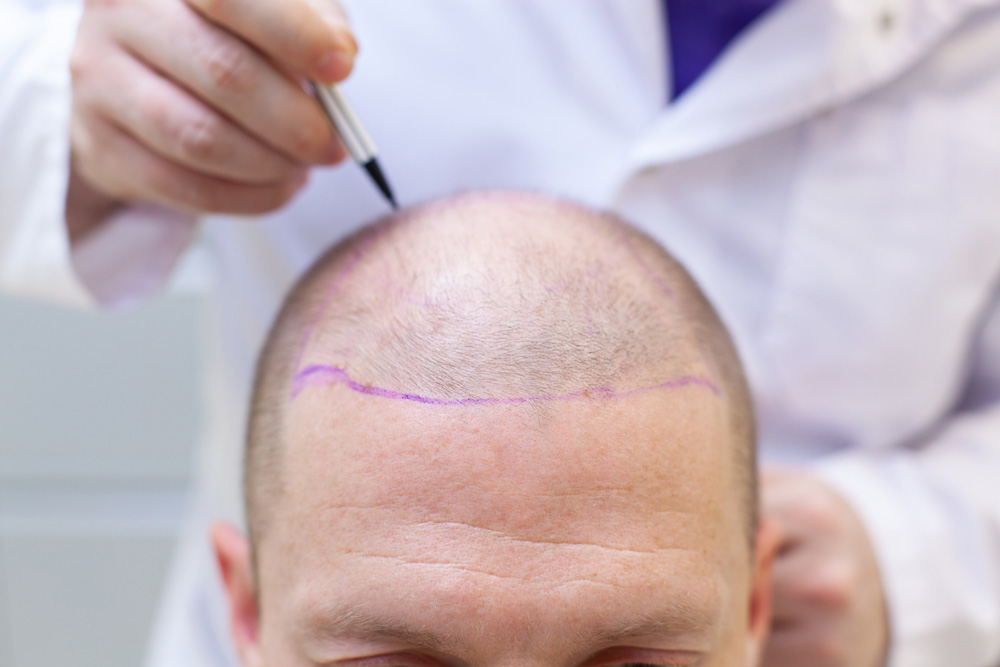
Key Factors That Influence Your Hair Transplant Graft Count
Several biological and aesthetic elements change the calculation.
Donor Area Capacity
The donor zone must remain natural looking after extraction. Over harvesting can cause patchiness. Typically, only 25 to 35 percent of available grafts are safely extracted.
Hair Shaft Thickness
Thicker hair casts more shadow and appears denser. Patients with coarse hair often require fewer grafts.
Scalp Elasticity
Flexible scalp (dermal layer of the cranial skin) tissue allows safer implantation and better healing.
Hairline Design
A lower hairline needs more grafts. A conservative, age appropriate hairline requires fewer.
Future Hair Loss Risk
Surgeons must anticipate continued thinning. Saving grafts for future sessions is often smarter than using everything at once.
These variables make every Hair Transplant a personalized blueprint rather than a fixed formula.
Techniques and Their Impact on Hair Transplant Graft Strategy
Modern methods influence how grafts are harvested and placed.
FUE
Follicular Unit Extraction removes grafts individually. It leaves minimal scarring and allows precise distribution. It is ideal for large sessions and natural results.
DHI
Direct Hair Implantation uses implanter pens for direct placement. It provides better angle control and may increase survival rates. Often used for dense packing.
Sapphire FUE
Uses specialized blades to create smaller channels. This can allow closer graft placement and refined density.
Each technique changes implantation efficiency. Therefore, graft planning in a Hair Transplant depends not only on quantity but also on surgical tools and expertise.
How Clinics Estimate Graft Numbers Scientifically
Professional clinics avoid rough guesses. Instead, they apply measurable steps:
- Digital scalp (dermal layer of the cranial skin) analysis
- Donor density measurement
- Bald area surface calculation
- Density target setting
- Simulation planning
For example, if the bald area measures 80 cm² and the target density is 30 grafts per cm², the calculation becomes:
80 × 30 = 2400 grafts
This data driven approach ensures your Hair Transplant strategy is predictable and realistic rather than promotional.
WellDemir uses imaging and mapping to produce transparent plans that patients can clearly understand.
Balancing Natural Appearance and Long Term Results After a Hair Transplant
More grafts do not automatically mean better results. Natural looking outcomes depend on direction, angle, and artistic placement.
A moderate graft count placed intelligently often looks fuller than a high count placed randomly. Visual density comes from contrast management and hair grouping, not numbers alone.
Long term thinking is also critical. Hair loss is progressive. Preserving donor reserves allows touch ups years later if needed. A well planned Hair Transplant respects both present appearance and future flexibility.
Setting Realistic Expectations with WellDemir
Hair restoration blends biology, mathematics, and aesthetics. No two scalp (dermal layer of the cranial skin)s behave the same. For that reason, graft numbers should be seen as estimates rather than promises.
WellDemir approaches each Hair Transplant with:
- Individual assessment
- Scientific measurements
- Conservative donor protection
- Natural hairline design
- Sustainable density
The goal is not just coverage today but confidence for years ahead.
Understanding how grafts work empowers patients to make informed decisions instead of chasing exaggerated figures. A thoughtful plan almost always produces better outcomes than a rushed high number session.
Determining how many grafts you need for a Hair Transplant is less about a magic number and more about a personalized equation. Hair type, scalp (dermal layer of the cranial skin) condition, donor strength, and long term vision all matter.
By combining medical data with aesthetic expertise, clinics like WellDemir create balanced strategies that aim for natural growth, safe extraction, and durable results. When numbers are guided by science rather than marketing, expectations align with reality and satisfaction increases.
If you are exploring a Hair Transplant, understanding graft logic is the first step toward a confident and informed decision.

 |
|