 Skip to content
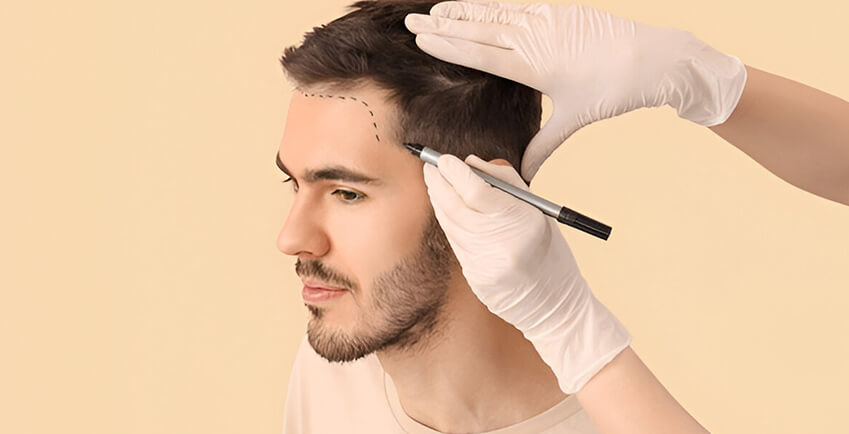
Shock loss after a Hair Transplant is one of those topics that quietly worries almost everyone who researches the procedure. In the first weeks after a Hair Transplant, people often expect visible growth, not sudden shedding. Yet shock loss is discussed frequently in clinical observations, patient forums, and post procedure reports, making it an essential part of the overall Hair Transplant conversation. Understanding what it is, why it happens, and how it is commonly interpreted can make the entire experience feel more predictable and less stressful.
This article explores shock loss from multiple angles. Instead of offering medical instructions, it focuses on patterns, timelines, biological explanations, and practical insights gathered from scientific literature and patient experiences. The goal is to create a clear, engaging, and trustworthy resource that answers the questions people naturally ask when learning about Hair Transplant outcomes.
Table of Contents
What Is Shock Loss in the Context of Hair Transplant
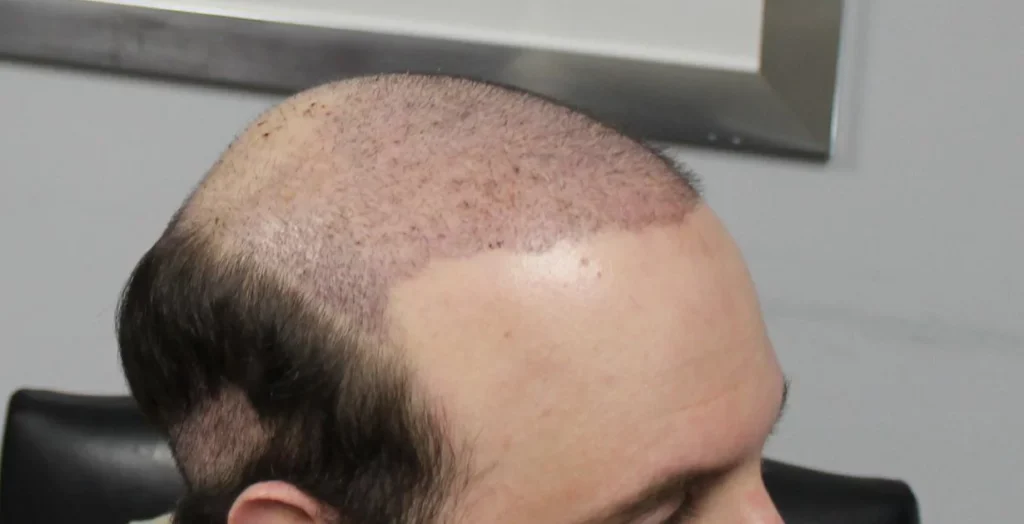
Shock loss is a temporary shedding of hair that can occur after a Hair Transplant. It may affect transplanted grafts, existing native hair, or both. From a biological point of view, this shedding is usually linked to the hair growth cycle being disrupted by surgical stress, changes in blood supply, or localized inflammation following a Hair Transplant procedure.
Get Free Consultation
Have any questions? Leave your details and we'll get back to you shortly.
Hair follicles naturally move through phases known as anagen, catagen, and telogen. After a Hair Transplant, some follicles may abruptly shift into the telogen phase, which leads to shedding. This does not automatically mean the follicle is damaged. In many reported cases, the follicle remains alive beneath the skin and resumes growth later.
What makes shock loss confusing is its timing. It often appears when patients believe the hardest part is already over. This emotional contrast is why shock loss is frequently discussed as a psychological milestone within the Hair Transplant journey, not just a physical one.
Why Shock Loss Can Happen After Hair Transplant Procedures
Several factors are commonly associated with shock loss after a Hair Transplant. One frequently cited reason is surgical trauma. Even with modern techniques, a Hair Transplant involves creating micro incisions and relocating follicles, which can temporarily disturb the scalp (dermal layer of the cranial skin) environment.
Another factor often mentioned in studies is vascular adjustment. Hair follicles rely on a stable blood supply. During a Hair Transplant, changes in circulation may briefly reduce oxygen and nutrient delivery to nearby native hair, leading to shedding. This is particularly noted in areas where hair was already thin or miniaturized before the Hair Transplant.
Stress response also plays a role. Physical stress from surgery can trigger a systemic reaction known as telogen effluvium. While not exclusive to Hair Transplant procedures, it explains why some individuals notice shedding beyond the transplanted area. Research suggests that genetics, scalp (dermal layer of the cranial skin) sensitivity, and overall hair density before the Hair Transplant can influence how noticeable this shedding becomes.
Hair Transplant Shock Loss Timeline and What People Commonly Observe
The timeline of shock loss after a Hair Transplant tends to follow a loose pattern rather than a strict rule. Most observations place the onset between the second and eighth week after the Hair Transplant. During this phase, patients may see transplanted hairs falling out, sometimes accompanied by thinning of existing hair.
This period can feel alarming, but it is widely described as temporary. In many documented cases, regrowth begins several months later as follicles reenter the anagen phase. The waiting period between shedding and regrowth is often considered the most psychologically challenging part of the Hair Transplant experience.
Below is a simplified overview based on commonly reported timelines:
| Time After Hair Transplant | Common Observations |
| 0 to 2 weeks | Healing, scab formation, minimal shedding |
| 2 to 8 weeks | Possible shock loss, visible shedding |
| 3 to 6 months | Early regrowth may begin |
| 6 to 12 months | Progressive thickening and maturation |
It is important to remember that individual experiences vary. Hair texture, age, and pre existing hair condition all influence how shock loss appears after a Hair Transplant.
Difference Between Shock Loss and Normal Hair Shedding After Hair Transplant
Not all hair shedding after a Hair Transplant is shock loss. Normal shedding refers to the loss of transplanted hair shafts while the follicle remains intact. This is often expected and is part of the natural reset process following a Hair Transplant.
Shock loss, on the other hand, may involve native hair that was not transplanted. This distinction matters because native hair shedding can make the scalp (dermal layer of the cranial skin) look thinner than before the Hair Transplant, at least temporarily. Studies discussing postoperative outcomes emphasize that distinguishing between these two types of shedding helps manage expectations.
Microscopic evaluations suggest that follicles affected by shock loss are usually dormant rather than destroyed. This explains why regrowth is frequently reported months later. Understanding this difference allows people to interpret changes more calmly during the early stages of a Hair Transplant recovery.
Can Shock Loss Be Influenced or Minimized in Hair Transplant Planning
Discussions around minimizing shock loss after a Hair Transplant often focus on planning and technique rather than guarantees. Surgeons frequently highlight the importance of graft density, incision angle, and spacing, as these factors influence scalp (dermal layer of the cranial skin) trauma during a Hair Transplant.
Patient related factors are also explored in research. Pre existing hair miniaturization is commonly linked with a higher chance of visible shock loss. This means areas with weaker hair may be more sensitive to the stress caused by a Hair Transplant. Academic reviews suggest that understanding baseline hair health plays a role in predicting postoperative shedding patterns.
Lifestyle and recovery conditions are also mentioned in observational studies. While no universal formula exists, consistent follow up and realistic expectations are often associated with higher satisfaction rates after a Hair Transplant, even when shock loss occurs.
Psychological Impact of Shock Loss After Hair Transplant
The emotional side of shock loss is sometimes underestimated. People pursue a Hair Transplant with the hope of visual improvement, so temporary regression can feel discouraging. Qualitative studies analyzing patient feedback show that shock loss is one of the most emotionally intense phases of the Hair Transplant timeline.
This reaction is not purely cosmetic. Hair is closely tied to identity and self confidence. When shedding appears after a Hair Transplant, it can trigger anxiety and doubt, even when individuals intellectually understand that regrowth may follow. Awareness of this emotional pattern helps normalize the experience.
Interestingly, long term satisfaction surveys often show that patients who were informed in detail about shock loss before their Hair Transplant report lower stress levels during recovery. Information, in this sense, becomes a psychological stabilizer rather than just technical knowledge.
Long Term Outlook After Shock Loss in Hair Transplant Experiences
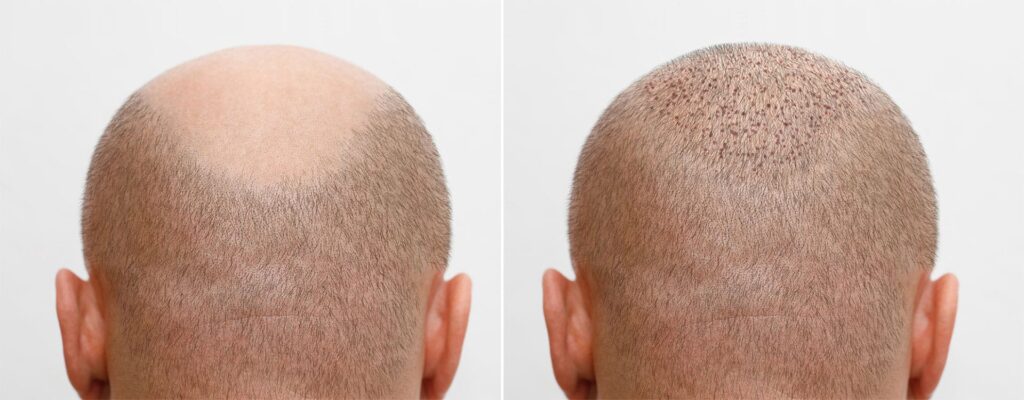
Looking at long term data, shock loss is rarely described as a permanent outcome of a Hair Transplant. Most longitudinal observations indicate that hair density improves gradually once follicles resume normal growth cycles. The final appearance is usually assessed between nine and twelve months after the Hair Transplant.
It is also worth noting that hair maturation continues beyond the first year. Texture, thickness, and direction can subtly change over time, adding to the natural look many people seek from a Hair Transplant. Shock loss, when it occurs, is often a chapter rather than the conclusion of the story.
From a broader perspective, shock loss has become part of the shared language around Hair Transplant experiences. Its inclusion in scientific discussions, patient narratives, and outcome analyses reflects a growing emphasis on transparency and realistic expectations.
Understanding Shock Loss as Part of the Hair Transplant Journey
Shock loss after a Hair Transplant is best understood as a temporary response rather than a failure of the procedure. By exploring its causes, timeline, and emotional impact, it becomes clear why this phenomenon is so frequently discussed in Hair Transplant literature.
Knowledge reduces uncertainty. When people recognize shock loss as a documented and studied phase, the recovery process feels less like a mystery and more like a structured journey. A Hair Transplant is not defined by the first few weeks, but by the long term evolution of growth, density, and confidence that follows.

 |
|
Great read. I had cosmetic surgery in Turkey and the results exceeded my expectations. The surgeons are truly skilled.
Really comprehensive information. The cost breakdown compared to European prices makes Turkey very attractive.
Thank you! We strive to provide the most comprehensive information possible. Feel free to reach out anytime for a no-obligation consultation.