 Skip to content
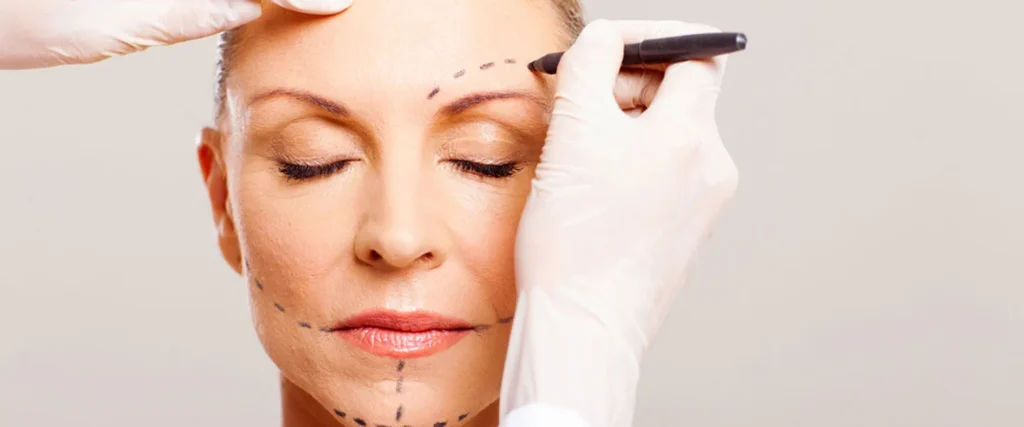
Facelift Surgery remains one of the most extensively discussed facial rejuvenation procedures in modern aesthetic medicine. As life expectancy rises and social engagement continues well into later decades, interest in structural facial renewal has grown steadily. Rather than focusing solely on surface wrinkles, Facelift Surgery addresses the deeper anatomical layers responsible for sagging, contour loss, and visible aging.
This article explores the science, techniques, potential benefits, and long term considerations of Facelift Surgery in a comprehensive and balanced way. The aim is not to promise transformation, but to provide a nuanced understanding of how surgical facial rejuvenation works and why it continues to evolve.
Table of Contents
Understanding the Anatomical Logic Behind Facelift Surgery
To understand Facelift Surgery, it is helpful to first explore how the face ages. Facial aging is not limited to wrinkles. It involves gradual changes in skin elasticity, fat distribution, ligament strength, and even subtle bone remodeling. Collagen fibers become less organized over time, leading to reduced firmness and resilience.
Get Free Consultation
Have any questions? Leave your details and we'll get back to you shortly.
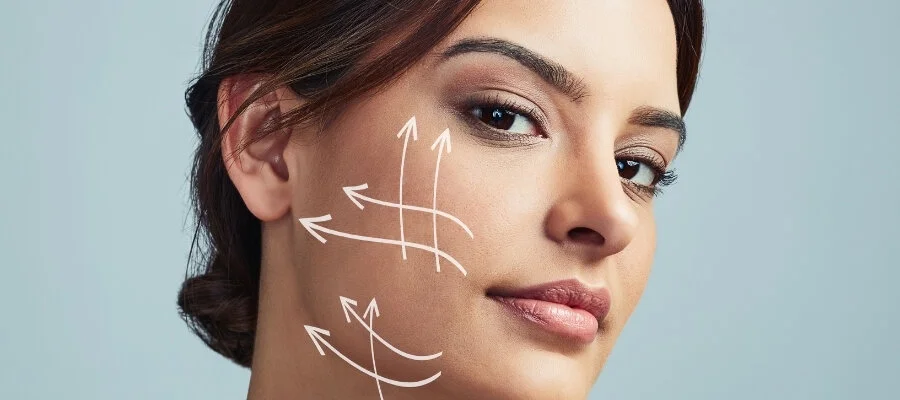
Facelift Surgery is designed to reposition and support the deeper layers beneath the skin, particularly the superficial musculoaponeurotic system. By adjusting this structural layer, surgeons attempt to restore contours that may have descended with age. This deeper focus distinguishes contemporary facelift techniques from earlier skin only procedures.
Scientific observations in anatomical studies suggest that lifting deeper tissues may provide more harmonious results compared to simple surface tightening. While outcomes vary among individuals, the conceptual foundation of Facelift Surgery is grounded in structural correction rather than superficial masking.
Modern Techniques in Facelift Surgery and Their Evolution
The evolution of Facelift Surgery reflects decades of surgical refinement. Earlier approaches emphasized skin removal, which sometimes produced a stretched appearance. Modern strategies prioritize repositioning internal support structures before addressing excess skin.
Techniques such as SMAS lifting, deep plane dissection, and composite facial rejuvenation have gained recognition in surgical literature. These methods aim to release retaining ligaments and reposition descended tissue in a way that preserves natural facial expression. While not every patient requires extensive correction, the availability of varied techniques allows personalization.
Contemporary Facelift Surgery also integrates adjunctive approaches like fat grafting or neck contouring when appropriate. This integrated model reflects a shift from isolated treatment areas to holistic facial balance. The procedure is no longer viewed as a single action, but as a coordinated adjustment of multiple anatomical elements.
Aesthetic and Psychological Dimensions of Facelift Surgery
The conversation around Facelift Surgery often focuses on physical change, yet psychological aspects are equally significant. Research in social cognition suggests that facial appearance influences perceived vitality and approachability. Subtle contour changes may alter how individuals interpret age related cues.
While it would be simplistic to claim that Facelift Surgery transforms identity, many individuals describe feeling more aligned with their internal sense of energy after facial rejuvenation. The procedure does not halt aging, but it may recalibrate certain visible markers.
It is important to approach these outcomes with balance. Satisfaction levels often correlate with realistic expectations and thoughtful planning. The goal of Facelift Surgery is typically refinement rather than reinvention, supporting a refreshed yet recognizable appearance.
Long Term Perspectives on Facelift Surgery Outcomes
A recurring question concerns how long Facelift Surgery results may last. Long term observational data in aesthetic surgery journals indicate that structural repositioning of deeper tissues can maintain visible improvement for several years. However, the natural aging process continues.
Skin quality, genetics, environmental exposure, and lifestyle factors may all influence durability. Rather than viewing Facelift Surgery as permanent age reversal, it may be more accurate to describe it as resetting the anatomical clock to an earlier stage. Aging proceeds from that new baseline.
Photographic comparisons in longitudinal analyses suggest that many individuals appear consistently younger than they might have without intervention. Still, variability remains significant, and outcomes cannot be predicted with mathematical certainty.
Safety Considerations and Clinical Planning in Facelift Surgery
Every surgical procedure requires careful planning, and Facelift Surgery is no exception. Comprehensive evaluation generally includes medical history review, anatomical assessment, and discussion of aesthetic priorities. Responsible surgical practice emphasizes informed decision making rather than impulse.
Potential considerations in Facelift Surgery may include swelling, temporary numbness, or asymmetry during healing. These possibilities are typically discussed transparently in consultation settings. Clear communication supports confidence and reduces misunderstandings.
Advances in surgical instruments and anesthesia protocols have contributed to procedural refinement. Nonetheless, individual healing responses differ. Balanced expectations and professional guidance play a central role in the overall experience of Facelift Surgery.
Scientific Research and Emerging Trends in Facelift Surgery
The field of Facelift Surgery continues to evolve alongside broader medical research. Investigations into regenerative medicine, including platelet enriched therapies and biologically enhanced fat grafting, are expanding the conversation around facial rejuvenation.
Biomechanical studies examining ligament release patterns and tissue tension vectors have influenced surgical planning. These analyses aim to optimize natural movement and reduce excessive tension. As a result, modern Facelift Surgery often prioritizes subtle repositioning over dramatic tightening.
Digital imaging technologies also contribute to preoperative planning. Three dimensional simulations may help visualize potential structural changes. While not predictive tools, they offer a conceptual framework for discussing proportional harmony.
Social Trends and the Growing Popularity of Facelift Surgery
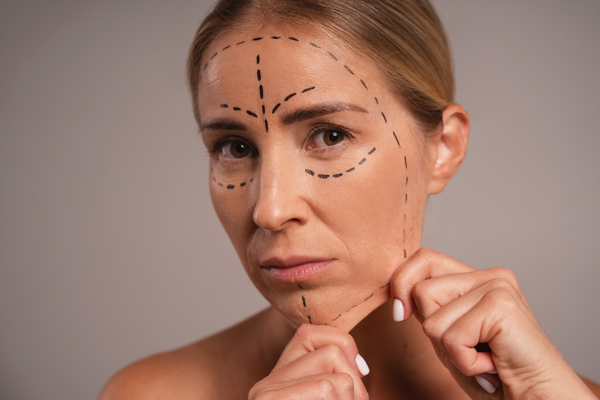
In recent years, public discourse surrounding Facelift Surgery has shifted. Increased transparency in aesthetic medicine and the normalization of cosmetic procedures have influenced public perception. Individuals across diverse age groups now openly discuss facial rejuvenation.
Data from professional aesthetic associations indicate gradual growth in surgical facial procedures over the past decade. This rise may reflect both technological advancement and changing cultural attitudes. Importantly, Facelift Surgery is often viewed as a strategic intervention rather than a reactive measure.
The modern narrative emphasizes natural results that preserve individuality. This shift aligns with broader cultural movements toward authenticity and subtle enhancement.
A Thoughtful Approach to Facelift Surgery
Facelift Surgery represents a sophisticated integration of anatomical science, surgical artistry, and individualized planning. By focusing on deeper structural layers, contemporary techniques aim to restore contour rather than simply stretch skin. The procedure does not promise transformation beyond biology, yet it may recalibrate visible signs of aging in a meaningful way.
Understanding the mechanisms, limitations, and evolving innovations surrounding Facelift Surgery empowers individuals to approach the topic with clarity. Long term results depend on numerous variables, including technique selection and personal factors. When considered carefully, surgical facial rejuvenation can be understood as a measured and scientifically grounded response to structural aging.

 |
|
Thank you for the clear explanation. I’ve been researching aesthetic procedures for a while and this is the most helpful guide I’ve found.
I travelled to Istanbul for a similar procedure and it was one of the best decisions I’ve made. The care quality is exceptional.
Very helpful! The information about choosing the right surgeon and clinic is particularly valuable.
We’re delighted you found this helpful! Don’t hesitate to contact us if you have further questions. Our team is always happy to help.