 Skip to content
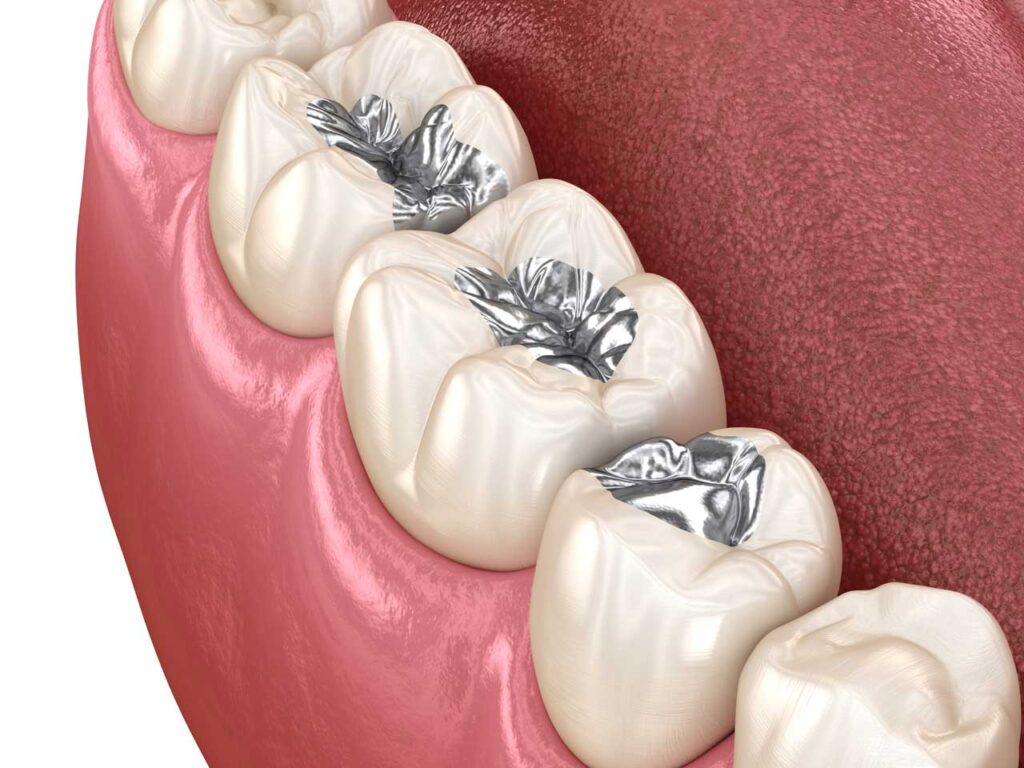
Amalgam Filling is a metal based restorative material that has been used in dentistry for more than 150 years. Composed of silver, tin, copper, and a controlled amount of mercury, this alloy has long been preferred due to its durability and cost effectiveness. Today, however, Amalgam Filling is frequently discussed in relation to aesthetics, biocompatibility, and environmental considerations.
At WellDemir, we collaborate with accredited partner clinics and support international patients in accessing modern dental care. We believe that informed decisions begin with scientific and transparent information.
Table of Contents
Amalgam Filling: Definition and Historical Background
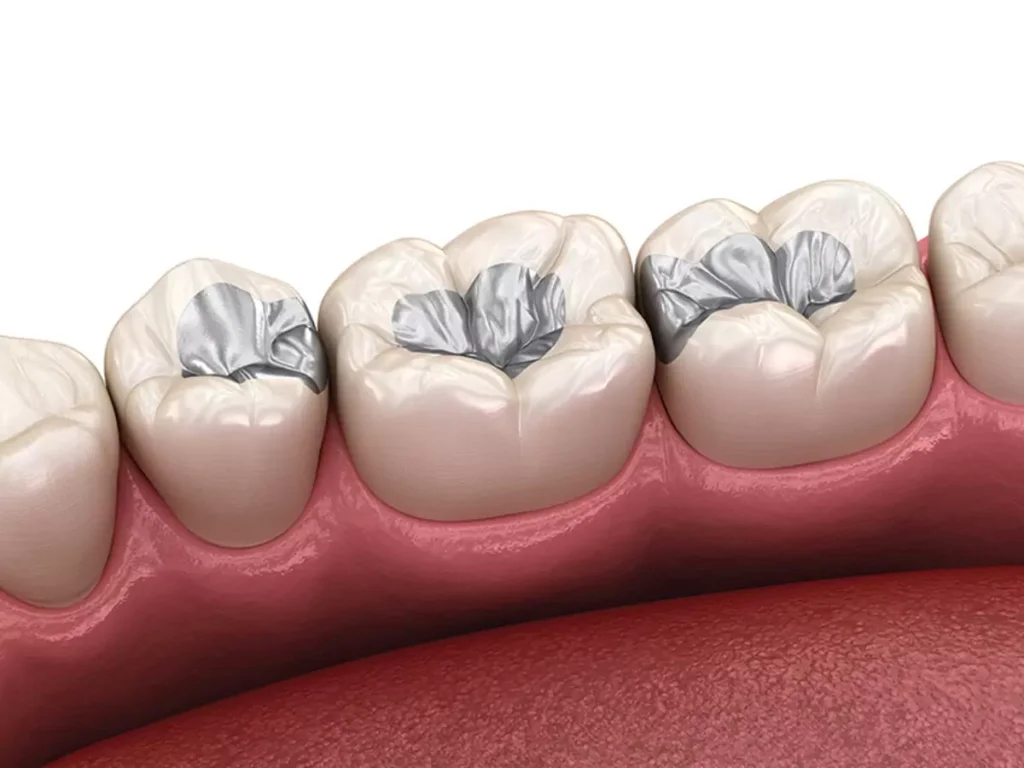
Amalgam Filling was introduced in the 19th century as a reliable solution for restoring decayed teeth. It became particularly popular for treating cavities in posterior teeth where strong chewing forces require durable materials.
Get Free Consultation
Have any questions? Leave your details and we'll get back to you shortly.
Commonly referred to as a “silver filling,” this restoration is not pure silver. Instead, it is a mixture of several metals combined with mercury, which acts as a binding agent. Over time, Amalgam Filling became one of the most extensively researched dental materials worldwide.
Although major dental organizations have stated that properly placed amalgam restorations are generally considered safe for the general population, some countries have introduced limitations for children and pregnant women. These regulatory shifts reflect precautionary principles rather than definitive evidence of widespread harm.
Chemical Composition of Amalgam Filling
A typical Amalgam Filling consists of the following components:
| Component | Approximate Percentage | Function |
| Silver | 40 to 70 percent | Provides strength |
| Tin | 15 to 30 percent | Improves workability |
| Copper | 10 to 30 percent | Enhances corrosion resistance |
| Mercury | About 50 percent | Binds the alloy |
Mercury is liquid at room temperature and reacts with powdered metals to form a stable solid structure after placement. Once hardened, the material becomes firm and capable of withstanding strong occlusal forces.
Concerns surrounding Amalgam Filling primarily relate to the possibility of minimal mercury vapor release. Scientific reviews indicate that exposure levels are typically far below thresholds associated with toxicological effects. However, discussions about long term cumulative exposure remain part of ongoing research.
Advantages of Amalgam Filling
Despite decreasing popularity in aesthetic dentistry, Amalgam Filling continues to offer several practical benefits:
- High durability under chewing pressure
- Long clinical lifespan
- Faster placement compared to some alternatives
- Less sensitivity to moisture during application
- Cost effective treatment option
In many cases, amalgam restorations have been reported to last 10 to 15 years or longer. This longevity made Amalgam Filling a preferred choice in public health systems and large scale treatment programs.
With advancements in composite resins and ceramic materials, patient preferences have shifted toward tooth colored options. Nevertheless, durability remains one of the defining strengths of amalgam based restorations.
Potential Risks and Ongoing Debates About Amalgam Filling
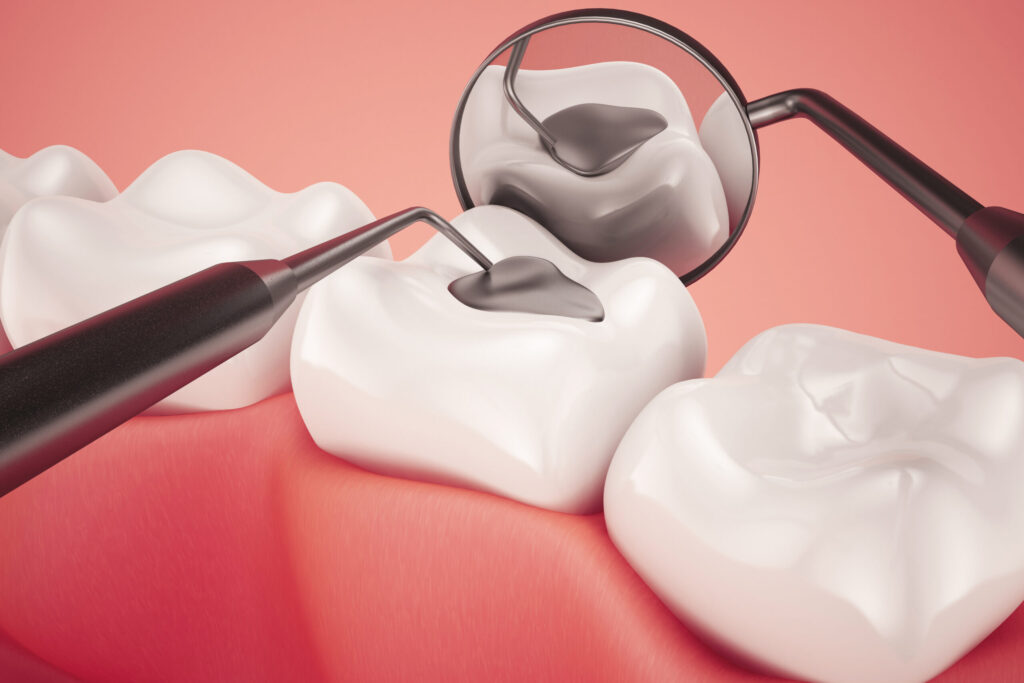
The central concern associated with Amalgam Filling is mercury content. Mercury in high concentrations is known to be neurotoxic. However, dental amalgam contains mercury in a chemically bound form after setting.
Some laboratory studies suggest that minimal mercury vapor may be released during chewing or exposure to heat. Large epidemiological studies, however, have not consistently demonstrated a direct link between amalgam restorations and systemic diseases in the general population.
Environmental considerations have also influenced policy changes. Improper disposal of amalgam waste can contribute to mercury accumulation in ecosystems. For this reason, many countries have implemented stricter waste management protocols and gradual reduction strategies for Amalgam Filling use.
It is important to emphasize that risk assessment is individual. Factors such as overall health status, number of restorations, and personal preference may all play a role in clinical decisions.
Comparing Amalgam Filling and Composite Filling
Composite resin fillings are the most common alternative to amalgam. The following comparison highlights key differences:
| Feature | Amalgam Filling | Composite Filling |
| Appearance | Metallic | Tooth colored |
| Durability | High | Moderate to high |
| Placement Time | Shorter | Longer |
| Cost | Generally lower | Often higher |
| Biocompatibility Debate | Mercury related concerns | Fewer controversies |
Composite materials bond chemically to the tooth structure, often allowing more conservative cavity preparation. In contrast, Amalgam Filling relies on mechanical retention, which may require slightly more tooth reduction.
From an aesthetic standpoint, composite restorations are superior. From a strength perspective, amalgam has historically demonstrated remarkable resilience.
Should Existing Amalgam Filling Be Removed?
One of the most common questions patients ask is whether existing Amalgam Filling restorations should be replaced. Current scientific consensus does not support routine removal of intact and functional amalgam fillings solely due to mercury content.
Replacement may be considered if there are clinical indications such as marginal leakage, fracture, secondary decay, or aesthetic concerns. Unnecessary removal may expose the patient to more mercury vapor than leaving a stable restoration in place.
When removal is clinically justified, modern dental clinics use high volume suction, isolation techniques, and protective measures to reduce exposure during the procedure.
Is Amalgam Filling Still Used Today?
Although its use has declined, Amalgam Filling has not completely disappeared from dentistry. In certain healthcare systems, particularly where cost efficiency is critical, amalgam may still be selected for posterior restorations.
However, the global trend favors metal free materials. The demand for natural appearance and minimally invasive techniques has significantly reduced reliance on amalgam.
The future of restorative dentistry appears increasingly focused on biocompatible, aesthetic, and adhesive materials. Yet the historical contribution of Amalgam Filling to public oral health remains significant.
A Balanced Perspective on Amalgam Filling
Amalgam Filling has played a foundational role in modern dentistry. Its durability and affordability made it one of the most widely used restorative materials in history. Scientific evaluations have generally found no conclusive evidence of severe systemic harm in the general population, although debate continues.
As dental materials evolve, the choice between amalgam and alternative restorations depends on clinical factors, patient expectations, and updated guidelines. At WellDemir, we support patients in understanding their options through collaboration with experienced partner clinics and evidence based information.
A thoughtful, individualized approach ensures that decisions about Amalgam Filling align with both clinical needs and personal preferences.

 |
|
Thank you for explaining the options so clearly. I was confused about the different approaches before reading this.
We’re delighted you found this helpful! Don’t hesitate to contact us if you have further questions. Our team is always happy to help.
Thank you for this comprehensive guide. It answers all the questions I had about the procedure and recovery.
This is exactly what I was looking for. The detailed explanation really helped me make an informed decision about my dental treatment.