 Skip to content
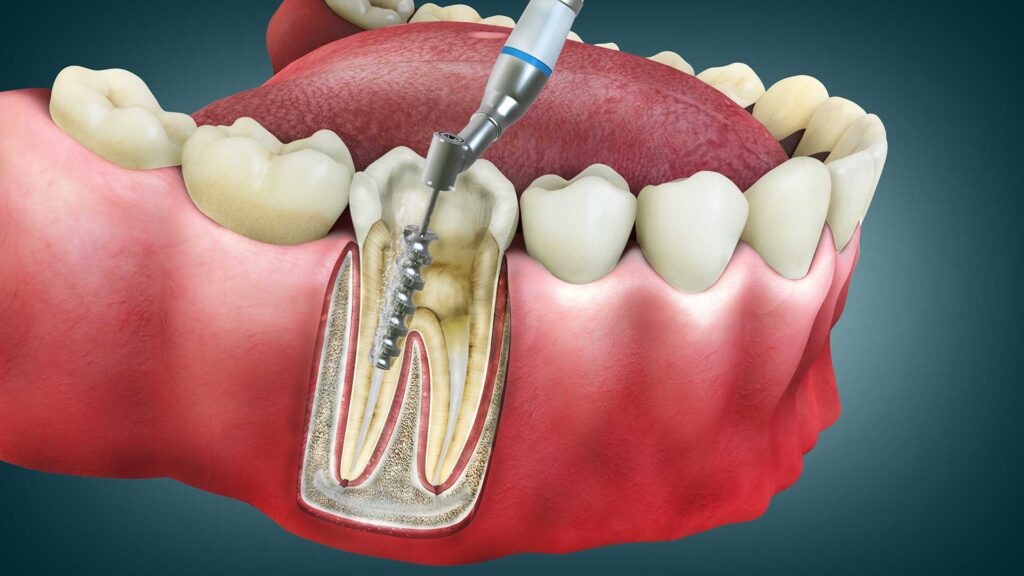
Endodontic treatment is one of the most precise and biologically focused procedures in modern dentistry. At its core, Endodontic therapy aims to preserve a natural tooth by treating the inner dental pulp and root canal therapy (endodontic treatment) system rather than removing the tooth entirely. For many patients visiting Welldemir, understanding how Endodontic procedures work helps reduce anxiety and replace uncertainty with clarity.
Inside every tooth lies a soft tissue known as the pulp, composed of nerves, blood vessels, and connective tissue. When this area becomes inflamed or infected due to deep decay, trauma, or repeated dental procedures, Endodontic intervention may be considered. Instead of extraction, this approach focuses on eliminating infection while maintaining structural integrity.
Table of Contents
The Biological Foundation of Endodontic Treatment
The science behind Endodontic therapy is rooted in understanding pulp biology and microbial control. The pulp chamber and root canal therapy (endodontic treatment)s form a complex anatomical network. When bacteria infiltrate this environment, the confined space increases internal pressure, often leading to discomfort or sensitivity.
Get Free Consultation
Have any questions? Leave your details and we'll get back to you shortly.
An Endodontic procedure is designed to remove infected pulp tissue, disinfect the canal system, and seal it to prevent reinfection. The concept is not simply mechanical cleaning. It integrates microbiology, immunology, and biomaterials science.
Studies in dental research have shown that preserving the natural tooth structure supports long term jawbone stability and functional harmony. Compared to extraction and prosthetic replacement, Endodontic management often allows patients to maintain natural chewing efficiency and proprioceptive feedback.
When Is Endodontic Intervention Considered?
An Endodontic evaluation may be considered when symptoms such as prolonged sensitivity to temperature, spontaneous tooth discomfort, discoloration, or localized swelling appear. However, symptoms are not always dramatic. In some cases, radiographic imaging reveals underlying pulp pathology even when the patient reports minimal discomfort.
Dentists use clinical testing methods such as percussion testing, vitality testing, and digital radiography to assess pulp status. The decision for Endodontic care is based on diagnostic findings rather than assumptions.
Common triggers that may lead to Endodontic procedures include:
- Deep dental caries reaching the pulp
- Cracked or fractured teeth
- Repeated restorative interventions
- Dental trauma
- Advanced periodontal involvement affecting the apex
This careful diagnostic phase ensures that Endodontic therapy is applied appropriately and conservatively.
How the Endodontic Procedure Is Performed Step by Step
Understanding the stages of Endodontic treatment can transform fear into familiarity. While individual techniques may vary, the general workflow follows structured principles.
1. Diagnosis and Imaging
Digital radiographs or cone beam imaging help map the internal anatomy. Each tooth has unique canal morphology. Identifying curvature, accessory canals, and anatomical variations is crucial in Endodontic planning.
2. Local Anesthesia and Isolation
Modern anesthesia techniques allow Endodontic procedures to be performed with patient comfort in mind. A rubber dam is typically used to isolate the tooth from saliva and maintain a sterile field.
3. Access Opening
A small opening is created in the crown to reach the pulp chamber. This stage of Endodontic therapy provides entry to the infected tissue.
4. Cleaning and Shaping
Specialized rotary instruments and irrigation solutions are used to clean and shape the canals. The goal of Endodontic instrumentation is to remove bacteria while preserving structural dentin.
5. Disinfection and Filling
After thorough cleaning, canals are filled with a biocompatible material, often gutta percha, and sealed. This phase ensures that the Endodontic space is protected from reinfection.
6. Final Restoration
A crown or permanent restoration is typically recommended to protect the treated tooth from fracture and restore full function.
| Stage | Purpose | Scientific Focus |
| Diagnosis | Identify pulp status | Radiographic evaluation |
| Cleaning | Remove infection | Microbial reduction |
| Filling | Seal canals | Biocompatibility |
| Restoration | Reinforce structure | Functional stability |
This structured approach makes Endodontic therapy a predictable and research supported dental solution.
Endodontic Treatment vs Tooth Extraction
When comparing Endodontic care to extraction, the key difference lies in preservation versus replacement. Extraction removes the source of infection but also eliminates the natural tooth. Replacement options such as implants or bridges require additional procedures.
An Endodontic treated tooth can continue functioning for many years when properly restored. Biomechanical studies suggest that maintaining the natural periodontal ligament supports physiological load distribution.
To illustrate the comparison:
| Criteria | Endodontic Approach | Extraction Approach |
| Tooth Preservation | Yes | No |
| Jawbone Support | Maintained | May reduce over time |
| Additional Surgery | Not always required | Often required for replacement |
| Healing Complexity | Localized | Broader tissue involvement |
From a biological standpoint, Endodontic management emphasizes conservation.
Modern Technologies Enhancing Endodontic Precision
Advancements in dental technology have significantly refined Endodontic accuracy. Dental operating microscopes, apex locators, ultrasonic devices, and 3D imaging contribute to enhanced visualization and cleaning efficiency.
Microscopic magnification allows clinicians to detect accessory canals that were previously difficult to identify. This technological integration increases the success potential of Endodontic procedures.
Nickel titanium rotary instruments have also improved flexibility within curved canals. Compared to older stainless steel tools, these instruments reduce procedural stress on dentin walls during Endodontic shaping.
At Welldemir, technological integration reflects a commitment to precision driven dentistry, where Endodontic therapy is guided by evidence based protocols rather than outdated techniques.
Recovery and Long Term Expectations After Endodontic Therapy
Following Endodontic treatment, patients may experience mild sensitivity as surrounding tissues adapt. This response typically relates to natural inflammatory healing processes rather than ongoing infection.
Long term stability depends largely on the quality of final restoration and oral hygiene practices. A properly restored Endodontic treated tooth can integrate seamlessly into daily function.
Research analyses have indicated that survival rates of Endodontic treated teeth remain high when structural reinforcement is adequate. Functional longevity is closely linked to coronal sealing and occlusal balance.
Rather than being viewed as a last resort, Endodontic therapy represents a biologically respectful method of extending the lifespan of natural dentition.
The Role of Endodontic Expertise in Dental Health
An Endodontic procedure demands anatomical knowledge, tactile sensitivity, and microbiological awareness. The complexity of root canal therapy (endodontic treatment) systems means that even millimeter level precision can influence outcomes.
Specialized training in Endodontic sciences focuses on canal morphology, pain mechanisms, and biomaterial compatibility. This expertise ensures that treatment decisions are based on diagnostic reasoning rather than routine intervention.
At Welldemir, treatment planning reflects a multidisciplinary philosophy. Endodontic care is integrated with restorative dentistry, prosthodontics, and preventive strategies to support comprehensive oral health.
Understanding Endodontic Treatment with Confidence
Endodontic treatment represents the intersection of biology, technology, and conservation focused dentistry. Rather than removing a compromised tooth, Endodontic therapy aims to disinfect, seal, and restore it in a controlled clinical environment.
By preserving natural structures and addressing infection at its source, Endodontic procedures provide a scientifically grounded alternative to extraction. For individuals exploring restorative options at Welldemir, understanding how Endodontic treatment works can transform uncertainty into informed decision making.
In modern dentistry, preservation is often the most sophisticated solution. Through careful diagnosis, advanced instrumentation, and comprehensive restoration, Endodontic care continues to play a vital role in sustaining natural smiles.

 |
|
Great read. I had dental work done in Turkey last year and the experience was outstanding. The quality of care exceeded my expectations.
Thank you for this comprehensive guide. It answers all the questions I had about the procedure and recovery.
We appreciate your feedback! Our medical team would be happy to answer any additional questions during a complimentary consultation.