 Skip to content
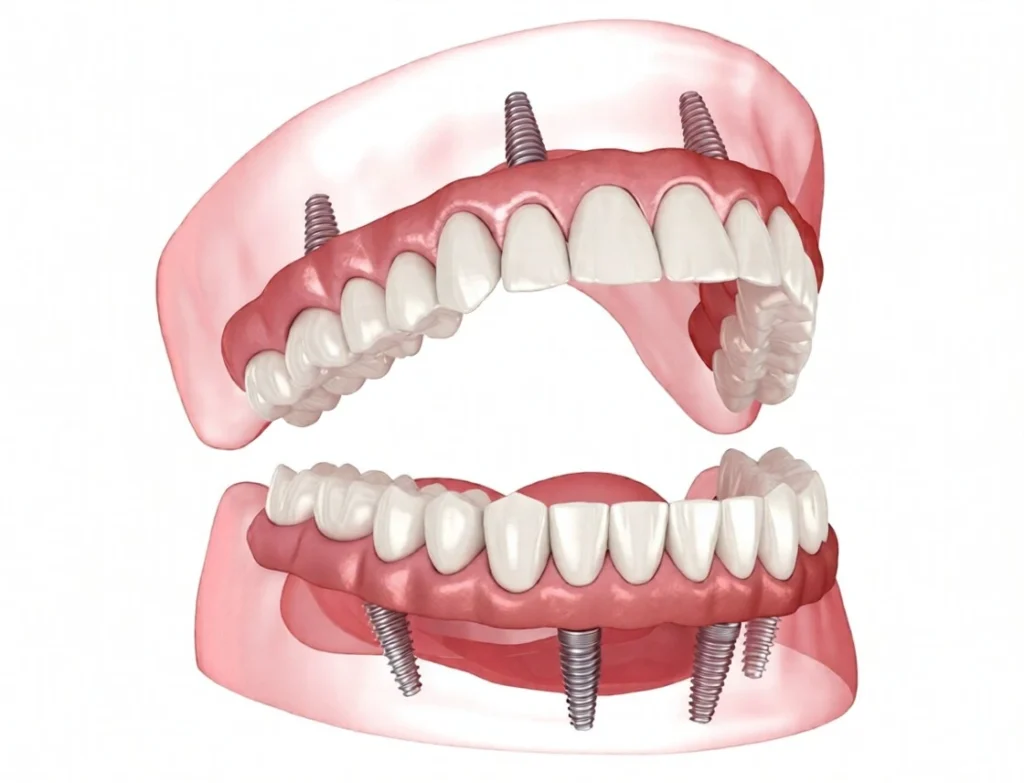
Tooth loss can affect much more than appearance. It can influence speech, chewing ability, and overall confidence. Among the many modern dental restoration options, the All on Four Implant technique has become one of the most widely discussed solutions for people who need a full set of replacement teeth. Instead of relying on traditional dentures or a large number of implants, this innovative system uses a carefully planned approach that supports a full dental arch with only four implants.
The concept behind the All on Four Implant approach is relatively simple yet highly sophisticated. Four dental implants (endosseous implants) are strategically placed in the jawbone to support a fixed prosthetic bridge. Because of the angled placement of the posterior implants, the technique often maximizes the available bone and may reduce the need for bone graft (guided bone regeneration)ing (guided bone regeneration) in many cases.
Clinics such as WellDemir often highlight the method as an efficient way to restore both function and aesthetics. In the following sections, we explore how the All on Four Implant method works, why it has gained attention in modern implantology, and what makes it different from traditional implant treatments.
Get Free Consultation
Have any questions? Leave your details and we'll get back to you shortly.
Table of Contents
Understanding the All on Four Implant Technique
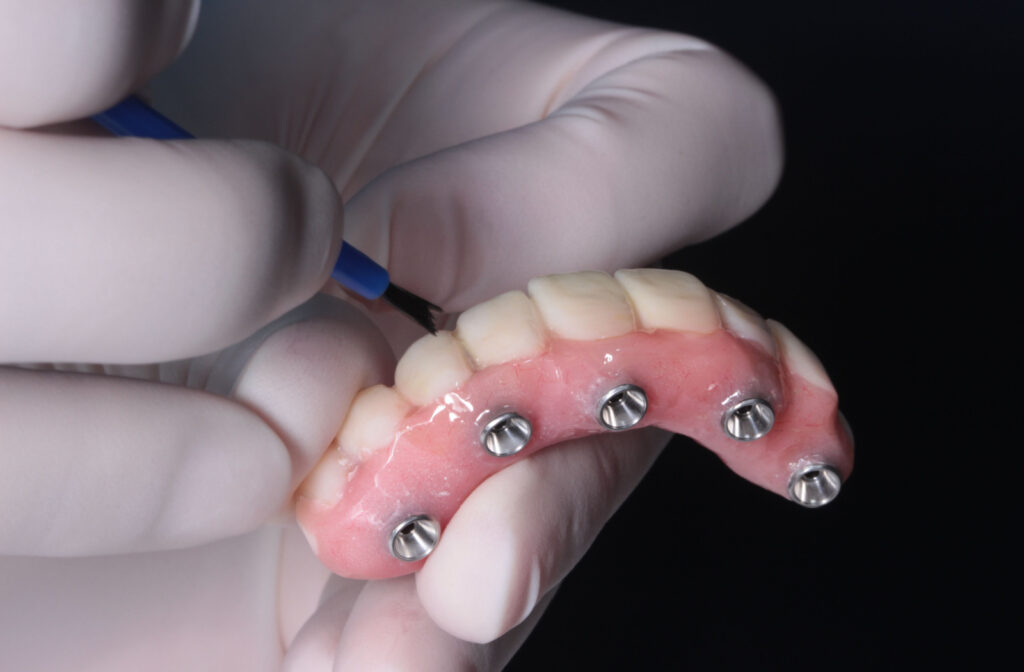
The All on Four Implant technique is a dental implant (endosseous implant) protocol designed to support an entire arch of teeth using only four implants. This approach differs from traditional implant solutions where six to eight implants may be required to support a full dental bridge (fixed partial denture).
The method relies on two implants placed vertically in the front of the jaw and two implants placed at an angle toward the back. This configuration allows dentists to use areas of the jawbone that are typically denser and more stable. By angling the implants, the prosthetic bridge can achieve greater support while avoiding anatomical structures such as nerves or sinus cavities.
From a biomechanical perspective, the All on Four Implant system distributes chewing forces across the entire arch. This helps maintain stability and may contribute to a more natural chewing experience compared to removable dentures. Because the prosthesis is fixed, many patients report that it feels closer to natural teeth.
Researchers in implant dentistry frequently describe the technique as a strategic combination of implant placement and prosthetic engineering. The result is a treatment concept that aims to balance efficiency, stability, and aesthetic results.
Why the All on Four Implant Method Became Popular
The rise in popularity of the All on Four Implant method is closely tied to several practical advantages that appeal to both patients and clinicians.
One of the most notable reasons is treatment efficiency. Traditional full mouth implant rehabilitation often required multiple surgeries and extended healing periods. With the All on Four Implant concept, the number of implants is reduced while still supporting a full arch of teeth.
Another factor is bone preservation. Many individuals who have experienced long term tooth loss also experience bone resorption in the jaw. The angled implant placement used in the All on Four Implant technique may allow practitioners to work around areas with limited bone density.
In addition, patients often seek alternatives to removable dentures. Dentures may shift during eating or speaking, which can affect confidence. A fixed prosthesis supported by implants provides a more stable structure, which is one of the reasons the All on Four Implant concept has gained significant interest worldwide.
How the All on Four Implant Procedure Works
The All on Four Implant procedure usually follows a structured treatment plan designed to evaluate the patient’s oral anatomy and prosthetic needs.
Typical treatment stages
| Stage | Description |
| Consultation | Digital imaging and clinical evaluation of jawbone structure |
| Treatment planning | Determining implant placement angles and prosthetic design |
| Implant placement | Four implants inserted strategically into the jawbone |
| Temporary prosthesis | A provisional bridge may be attached during healing |
| Final restoration | A custom permanent prosthesis is installed |
During the planning phase, dentists often use digital imaging technologies such as CBCT scans to assess bone volume and anatomical landmarks. This step plays an essential role in ensuring the implants are positioned precisely.
Once the implants are placed, a temporary prosthetic bridge is sometimes attached on the same day or shortly afterward. This concept is commonly associated with “immediate loading,” although the exact approach may vary between clinics.
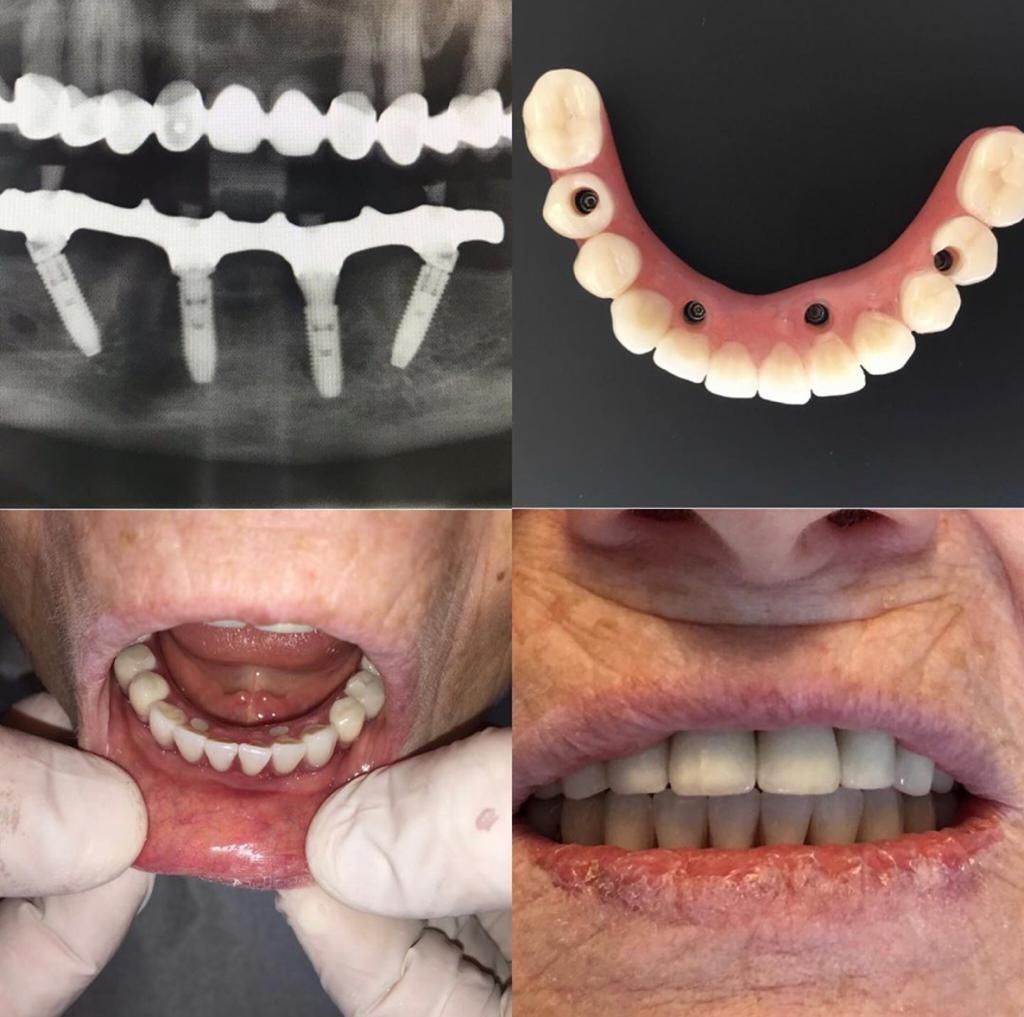
The final prosthetic arch is usually created after the implants have integrated with the bone, a process known as osseointegration. At this stage, the All on Four Implant restoration is customized to match the patient’s facial proportions, bite alignment (occlusal correction), and aesthetic expectations.
Advantages of the All on Four Implant Approach
Several characteristics explain why the All on Four Implant method has become an important development in implant dentistry.
First, the treatment often requires fewer implants than traditional full arch restorations. This may simplify the surgical phase and reduce overall treatment complexity.
Second, the angled implant design allows practitioners to make better use of available jawbone. In some cases, this may reduce the need for additional procedures such as bone graft (guided bone regeneration)ing (guided bone regeneration) or sinus lifts.
Another benefit frequently discussed is the stability of the final prosthesis. Unlike removable dentures, the bridge attached to an All on Four Implant structure is fixed in place. This can improve chewing efficiency and speech clarity.
The technique is also known for its predictable mechanical structure. Because the implants form a quadrilateral support system, forces are distributed across the prosthesis in a balanced way. This structural design is one of the reasons the All on Four Implant system has been widely studied in implant research.
Who May Be a Candidate for All on Four Implant Treatment
The All on Four Implant concept was originally developed for individuals who have lost most or all of their teeth. However, over time it has been considered for a wider range of dental situations.
Potential candidates often include people who:
- Have extensive tooth loss in the upper or lower jaw
- Experience difficulties with removable dentures
- Have moderate bone loss but still retain sufficient jawbone structure
- Want a fixed full arch restoration rather than removable prosthetics
Each case is typically evaluated individually. Dentists analyze bone density, oral health status, and bite dynamics before determining whether the All on Four Implant technique is suitable.
Advanced imaging and digital planning software have made it easier to simulate implant placement before surgery. This technology helps clinicians visualize how the prosthesis will function within the patient’s jaw structure.
All on Four Implant vs Traditional Implant Systems
The All on Four Implant concept is sometimes compared with conventional full mouth implant approaches. Although both methods aim to restore a full set of teeth, their strategies differ.
| Feature | All on Four Implant | Traditional Full Arch Implants |
| Number of implants | Usually 4 | Often 6 to 8 |
| Implant angle | Posterior implants angled | Mostly vertical |
| Bone grafting | Sometimes avoidable | More commonly required |
| Prosthesis type | Fixed full arch bridge | Fixed bridge or hybrid |
Traditional implant systems may offer additional support through a greater number of implants, but they also typically require more surgical intervention.
The All on Four Implant concept focuses on optimizing implant placement to achieve stability with fewer implants. This engineering approach is one reason the method is widely recognized in modern implant dentistry literature.
Long Term Considerations of the All on Four Implant System
When discussing the All on Four Implant method, dental professionals often consider long term functionality and maintenance.
Dental implants are designed to integrate with the jawbone, creating a stable base for prosthetic teeth. Over time, regular oral hygiene practices and routine dental visits remain important for maintaining implant health.
The prosthetic bridge attached to the All on Four Implant structure may be fabricated from materials such as acrylic, zirconia, or porcelain fused frameworks. Each material offers different properties related to strength, weight, and aesthetics.
Researchers continue to analyze long term outcomes of full arch implant systems. Clinical studies generally focus on implant survival rates, prosthetic durability, and patient satisfaction.
As dental technology evolves, improvements in digital planning, implant surfaces, and prosthetic materials may further refine how the All on Four Implant technique is performed in the future.
The All on Four Implant technique represents a major development in full arch dental restoration. By strategically placing four implants within the jawbone, clinicians can support a fixed prosthetic bridge designed to restore both function and aesthetics.
While the concept may appear simple at first glance, it combines surgical planning, prosthetic engineering, and digital technology to create a comprehensive dental solution. For many individuals experiencing extensive tooth loss, the All on Four Implant method has become an important alternative to traditional dentures or multi implant restorations.
Dental centers such as WellDemir continue to explore how this approach can be integrated with modern treatment planning systems. As implant dentistry advances, the All on Four Implant system remains an example of how innovation can reshape the possibilities of oral rehabilitation.

 |
|
This is exactly what I was looking for. The detailed explanation really helped me make an informed decision about my dental treatment.
We’re delighted you found this helpful! Don’t hesitate to contact us if you have further questions. Our team is always happy to help.
The information about recovery and aftercare is really useful. Knowing what to expect makes the whole process less stressful.