 Skip to content
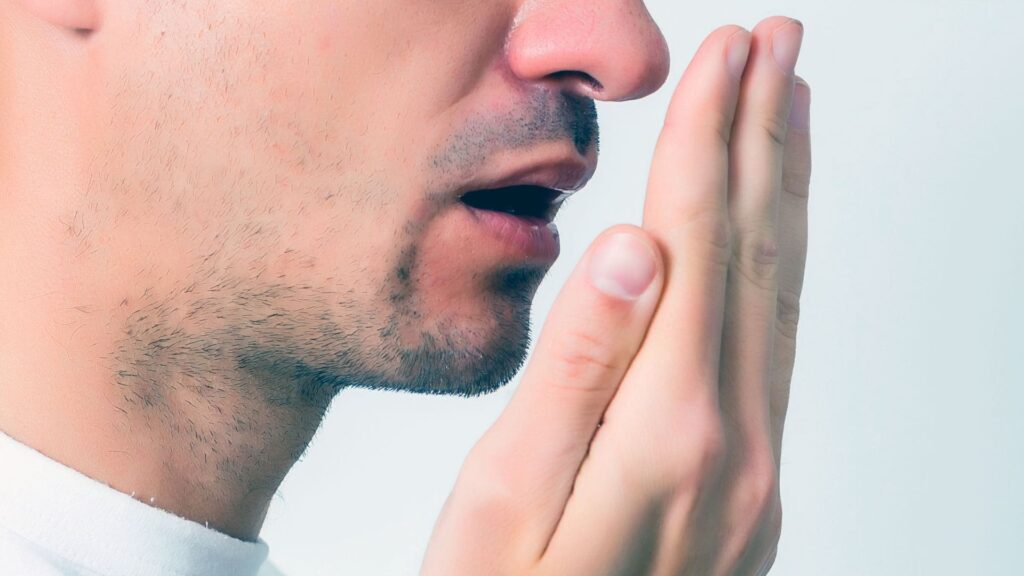
If you’ve ever replayed a conversation in your head and wondered, “Was my breath… a factor?”, you’re not alone. Halitosis is the clinical name for persistent bad breath, and it sits at the awkward intersection of biology, habits, and social confidence. At WellDemir, we’re fascinated by how something as small as a microbial film on the tongue can feel as big as a spotlight in an elevator.
Table of Contents

What Is Halitosis (and What It Isn’t)?
Halitosis typically refers to breath odor that persists beyond the “I ate garlic fries” window. Many people experience temporary bad breath after coffee, waking up, or certain foods these episodes can be normal and short-lived. Halitosis, on the other hand, is often used when the odor seems recurrent, noticeable to others, or difficult to mask.
One reason Halitosis feels confusing is that perception is slippery. Some people worry about Halitosis even when others don’t notice anything (sometimes called “subjective malodor” in academic discussions). Others have measurable odor compounds but become “nose-blind” to their own breath. That mismatch is why breath concerns can feel so personal and why understanding the mechanisms of Halitosis helps.
Get Free Consultation
Have any questions? Leave your details and we'll get back to you shortly.
The Science of Halitosis: Volatile Compounds and Oral Microbes
A common scientific thread in Halitosis research is the role of volatile sulfur compounds (VSCs). These are gases produced when certain oral bacteria break down proteins and amino acids. Studies in dental journals often highlight hydrogen sulfide and methyl mercaptan as key contributors to oral malodor, especially when bacterial load and available “food” (debris, plaque, tongue coating) increase.
Where do the microbes live? Practically everywhere the toothbrush can’t easily negotiate. The tongue’s surface, for instance, is more like a shag rug than a tile floor papillae can trap cells, food particles, and bacteria. Many researchers describe the tongue dorsum as a frequent origin site for Halitosis, particularly when a visible coating is present.
Here’s a compact view of odor chemistry often discussed in the context of Halitosis:
| Compound family | Often discussed examples | Why it matters in Halitosis research |
| Volatile sulfur compounds (VSCs) | Hydrogen sulfide, methyl mercaptan | Strong odor impact; commonly measured in studies |
| Amines | Cadaverine, putrescine | Protein breakdown byproducts; may contribute to “decay-like” notes |
| Short-chain fatty acids | Butyric acid (and others) | Can add rancid or sour characteristics |
Importantly, Halitosis isn’t only about “dirty teeth.” It’s frequently about ecosystems: saliva flow, gum health, tongue biofilm, and even how often you breathe through your mouth. In that sense, Halitosis prevention is less like spraying perfume and more like tending a miniature habitat.
Everyday Triggers That Can Make Breath Odor Worse
Even without chronic Halitosis, breath can shift dramatically based on daily variables. Food is the obvious one onions, garlic, and some spices contain odor-active compounds that can linger. But “dryness” is an underappreciated amplifier: saliva helps wash away debris and dilutes odor compounds. When saliva drops (sleep, dehydration, certain medications, stress), smells can get louder.
Habits can matter too. Smoking and smokeless tobacco are often associated with breath odor due to both the scent of residues and their effects on oral tissues and dryness. Alcohol can have a double effect: an odor of its own plus a drying influence that may encourage the conditions linked with Halitosis.
Finally, timing plays tricks. “Morning breath” is a classic example: less saliva overnight plus bacterial metabolism can create a temporary odor spike. That doesn’t automatically equal Halitosis, but it does demonstrate the underlying biology in action microbes don’t sleep, they just get a quieter, drier stage.
Oral Hygiene Habits Commonly Linked to Halitosis Control
Because Halitosis is often associated with oral bacteria and debris, daily hygiene is a frequent focus in both clinical conversations and research discussions. What’s interesting is where the effort goes: teeth matter, but the tongue and gumline often steal the spotlight in Halitosis literature.
People discussing Halitosis with dental professionals commonly bring up a “three-surface approach”:
- Teeth (plaque retention sites, interdental areas)
- Gums (inflammation and pocketing can change bacterial communities)
- Tongue (biofilm reservoir and odor compound production)
A practical routine is often described (not as a rule, but as a framework people adapt):
- Brush thoroughly along the gumline
- Clean between teeth (floss or interdental brushes, depending on spaces)
- Clean the tongue surface (some prefer scrapers, others a brush)
- Rinse strategically (some mouthwashes target bacteria; others mainly freshen)
- Re-check dryness triggers (mouth breathing, long speaking sessions, caffeine)
It’s also worth noting that mouthwashes are not all the same in Halitosis conversations. Some formulas aim to reduce bacterial load; others try to neutralize VSCs. Research summaries often describe short-term improvements in measured odor compounds for certain active ingredients, but real-life results vary with diet, baseline gum health, and saliva flow. In other words, Halitosis is rarely “solved” by one product category alone.
When Halitosis Might Be More Than an Oral Issue
While many cases of Halitosis are discussed as oral in origin, persistent odor sometimes leads people to ask bigger questions: “Could this be sinus-related?” “Is reflux involved?” “Can systemic conditions change breath?” These questions show up in medical and dental literature, often with a careful caveat: breath odor alone isn’t a diagnosis, and multiple causes can overlap.
Some non-oral contributors that are commonly discussed in relation to Halitosis include post-nasal drip, tonsil crypt debris, chronic nasal congestion (which encourages mouth breathing), and reflux symptoms. Metabolic conditions are also mentioned in textbooks and reviews typically as less common explanations, but important not to ignore when other symptoms exist.
If you’re trying to map possibilities without spiraling, a “context clues” table can help structure the conversation you might have with a professional about Halitosis:
| Possible source area | Clues people often mention alongside Halitosis | Who people commonly consult |
| Oral cavity (tongue, gums, cavities) | Bleeding gums, visible tongue coating, irregular cleanings | Dentist / dental hygienist |
| Nose/sinuses/tonsils | Congestion, throat clearing, tonsil stones | ENT specialist |
| Reflux-related patterns | Sour taste, symptoms after meals or at night | Primary care / gastroenterology |
| Medication/dry mouth | Dryness, frequent sipping, “cotton mouth” | Prescribing clinician + dentist |
The key idea: Halitosis is sometimes a signal, but it’s a noisy one. Patterns, accompanying symptoms, and professional assessment often matter more than any single internet checklist.
Measuring and Tracking Halitosis Without Overthinking It
One of the trickiest parts of Halitosis is that self-assessment can be unreliable. The brain adapts quickly to familiar odors, and anxiety can distort perception. In research settings, Halitosis is sometimes assessed using organoleptic scoring (trained smell ratings) or devices that estimate VSC levels. At home, most people don’t have lab tools so they look for repeatable, low-drama ways to observe patterns.
A more useful approach is often trend tracking rather than “panic checking.” People might notice whether Halitosis seems worse on dry days, after long meetings, during fasting, or when nasal congestion is active. Others compare “morning-only odor” versus “all-day odor,” which can hint at whether dryness and overnight conditions are the main drivers.
Social comfort matters too. Because Halitosis has a strong emotional component, it can help to reframe the goal: not “perfect breath forever,” but “fewer surprise moments.” That mindset tends to encourage consistent habits and better conversations with professionals without turning every silence in a car ride into a courtroom drama starring Halitosis.
WellDemir’s Takeaway: A Practical, Science-First View of Halitosis
Halitosis is rarely mysterious when you zoom in: microbes, proteins, dryness, and airflow create odor compounds, and the tongue and gumline often play major roles. When you zoom out, Halitosis becomes deeply human confidence, closeness, and the fear of being “that person.”
If you’re exploring Halitosis, the most productive path is usually structured curiosity: note patterns, understand the common oral mechanisms, and treat the topic as a health-and-hygiene puzzle rather than a personal flaw. And if Halitosis feels persistent or unusual, many people find it helpful to discuss it with a qualified dental or medical professional who can evaluate the bigger picture.
Article prepared for WellDemir by the WellDemir Editorial Team (oral care education). This content is informational and not a substitute for professional diagnosis or treatment.

 |
|
Thank you for this comprehensive guide. It answers all the questions I had about the procedure and recovery.
Thank you for explaining the options so clearly. I was confused about the different approaches before reading this.
Thank you for your interest! Every case is unique, so we recommend scheduling a free online consultation with our specialists for personalised advice.